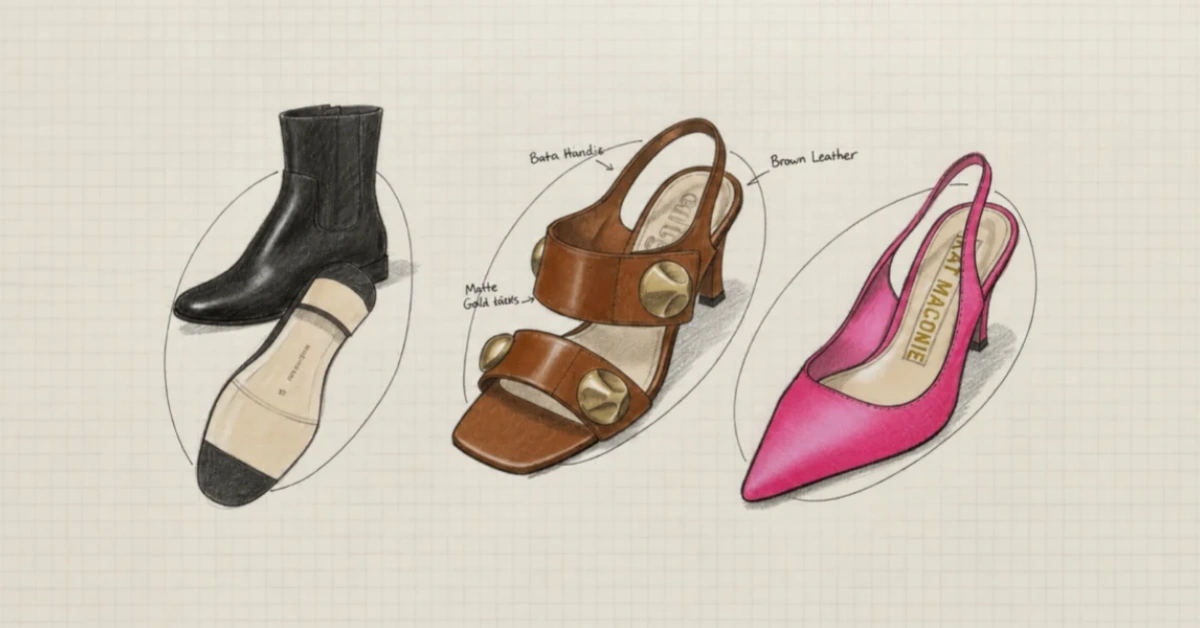

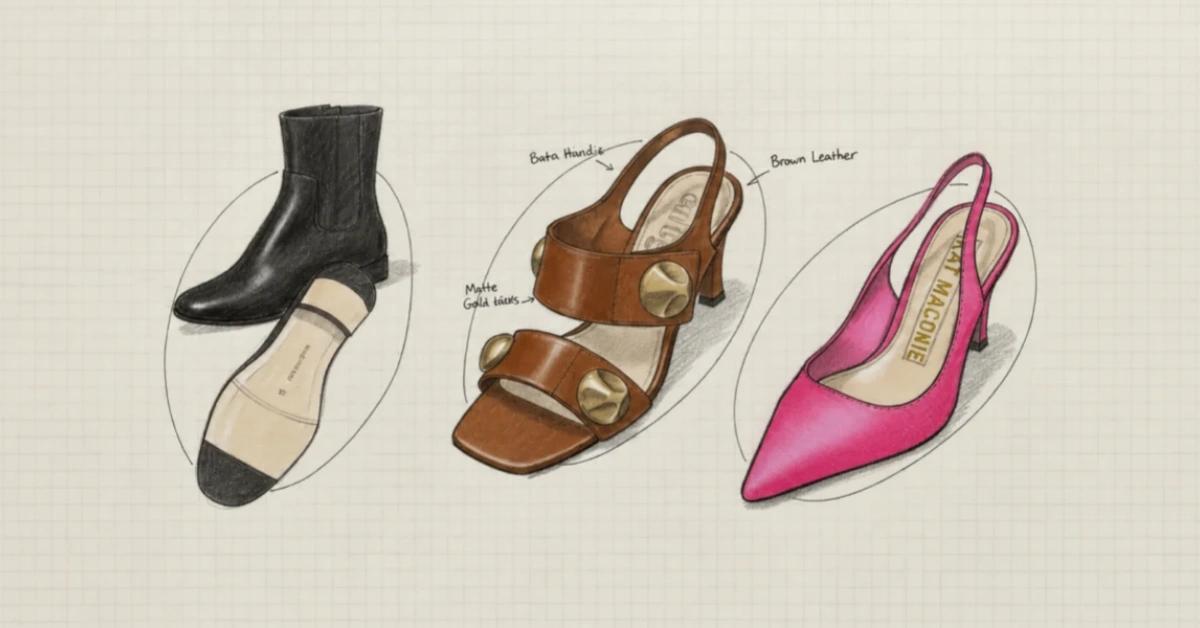
To start a shoe line, prepare a clear customer profile, a focused product concept, design references, a target retail price, an estimated order quantity, and a launch timeline. You can begin discussions without a complete tech pack, but technical specifications and an approved sample should be confirmed before bulk production.
For founders researching how to start a shoe line, these preparations help a manufacturer understand the project and identify what needs further development. They also make discussions about materials, sampling, costs, and minimum order quantities more useful.
This guide explains what to prepare before contacting a shoe manufacturer and how to move from an early concept toward a practical first production order.
What Do You Need to Start a Shoe Line?
You need enough information to explain the product, its intended customer, and the commercial expectations behind it. Your initial brief does not need to resolve every manufacturing detail.
| Preparation | What to Include | Why It Matters |
|---|---|---|
| Target customer | Intended wearer, use occasion, and buying preferences | Guides design, fit, and material choices |
| Product direction | Shoe category, silhouette, and key features | Defines the development scope |
| Design references | Annotated images, sketches, or technical files | Communicates your design intent |
| Price positioning | Target retail price and available budget | Helps evaluate production options |
| Initial quantity | Estimated pairs by style, color, and size | Supports MOQ and quotation discussions |
| Launch timeline | Target launch date and important milestones | Helps assess scheduling feasibility |
| Branding | Logo files and preferred branding locations | Clarifies customization requirements |
If some details remain undecided, identify them as open questions. A clear list of unknowns is more useful than specifications chosen without enough information.
Define Your Customer and Product Positioning
Before you start a shoe brand, explain who will wear the product and what they expect from it.
A leather loafer for everyday office wear has different development priorities from an occasion sandal. The intended use affects the last, upper materials, lining, sole, fastening, and fit evaluation.
Answer these questions before beginning footwear product development:
-
Who is the intended customer?
-
When and where will they wear the shoes?
-
Which products do they currently buy?
-
What would make your product relevant to them?
-
What retail price fits your positioning?
To create your own shoe brand with a consistent direction, connect major design decisions to these answers. This gives the manufacturer context when discussing construction, materials, and cost.
Keep Your First Shoe Collection Focused
A focused first collection gives you a clearer view of development costs, sample requirements, and inventory commitments.
When you create a shoe line, identify the lead product that best expresses your brand. Then evaluate whether additional styles serve a clear purpose and fit the available budget.
Each style may require separate patterns, samples, components, fitting work, and production preparation. Additional colors and sizes increase the number of variations you must manage.
Ask the manufacturer whether suitable materials or components can be shared across the collection. Confirm which variations create separate minimum quantities or development charges.
The right starting collection depends on your resources, product complexity, and launch strategy.
Prepare a Design Brief the Manufacturer Can Evaluate
A design brief translates your creative direction into information that can be reviewed for sampling and production.
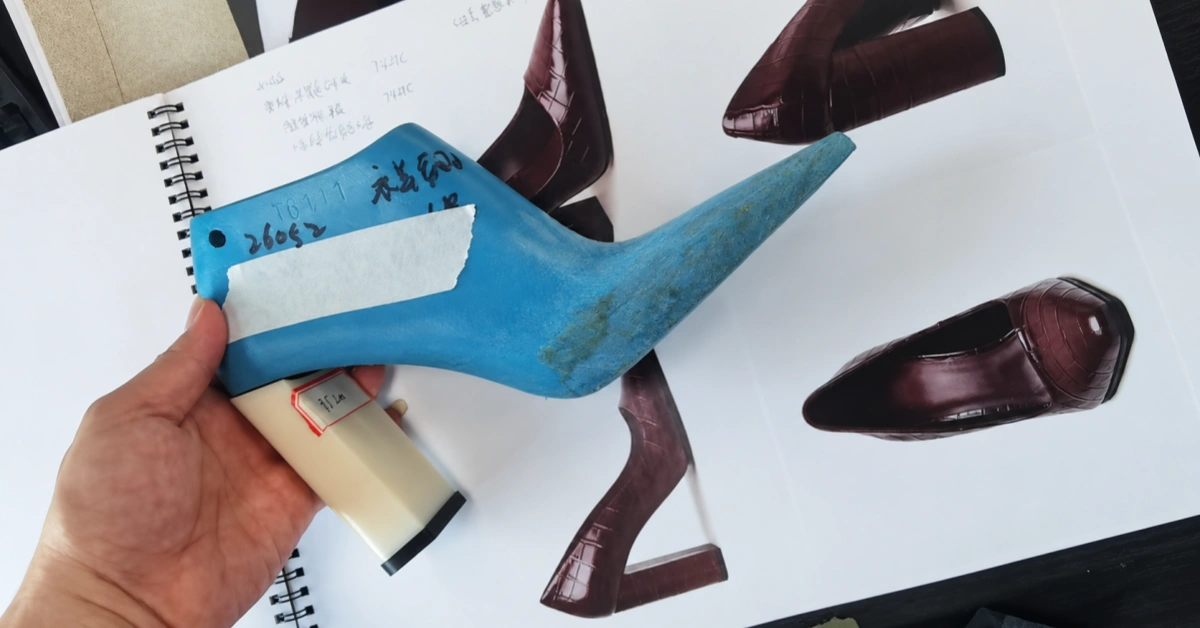
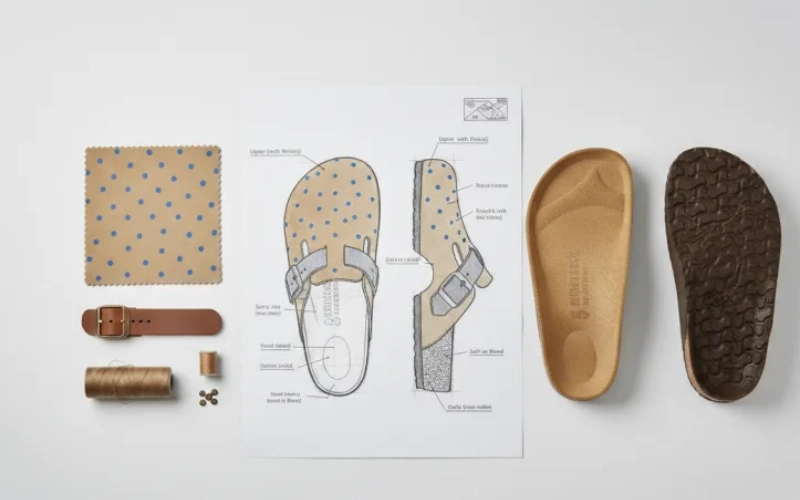
Include the shoe category, silhouette, preferred materials, colors, size range, fastening, branding, and intended use. Provide enough views to explain important upper, sole, and heel details.
If you are learning how to develop shoes from reference images, annotate each reference. Explain exactly what it illustrates: a toe shape, material finish, proportion, or construction feature.
Use references to communicate a direction and develop an original product. Where images show conflicting details, state which requirement takes priority.
Do You Need a Tech Pack to Manufacture Shoes?
A complete tech pack may not be necessary for an initial discussion. However, custom shoe manufacturing requires agreed technical specifications before bulk production.
A footwear tech pack can document materials, colors, components, construction details, measurements, branding placement, and packaging requirements.
If you do not have one, ask the manufacturer:
-
Can you help prepare the technical specifications?
-
What does that development service include?
-
Which files and samples will we receive?
-
Which details require our approval?
Herrains accepts reference images, sketches, ideas, and existing tech packs as starting points. Its shoe line development service outlines the path from initial review to sampling and production planning.
Understand Private Label vs Custom Shoe Manufacturing
Private label shoe manufacturing may begin with an existing model, while custom development begins with project-specific design requirements. The exact customization scope varies by manufacturer.
Confirm the deliverables in writing instead of relying only on the terms “private label,” “OEM,” or “ODM.”
| Decision | Existing-Model Private Label | Custom Development |
|---|---|---|
| Starting point | An available model or construction | A project-specific design brief |
| Possible changes | Agreed branding, colors, materials, and details | Agreed shape, structure, materials, and components |
| Development work | Depends on the modifications | Depends on design complexity |
| Tooling requirements | Depends on selected changes | Depends on available components and design requirements |
| Main point to confirm | Which modifications are included | Which development stages and deliverables are included |
When comparing private label vs custom shoe manufacturing, ask how each option supports your intended product.
Custom shoe manufacturing can use existing soles, heels, or other components when they suit the design. New tooling should be evaluated against the product requirements and budget.
Plan the Full Cost of Developing a Shoe Line
The cost to develop a shoe line depends on the number of styles, construction, materials, component availability, tooling, sample revisions, and production scope.
A price per pair does not represent the complete launch investment.
| Cost Area | Items to Review |
|---|---|
| Development | Design support, technical specifications, patterns, prototypes, and revisions |
| Tooling and components | Custom lasts, molds, soles, heels, or hardware where required |
| Bulk production | Shoes, branding, packaging, and agreed inspections |
| Logistics | Sample delivery, freight, duties, and destination charges where applicable |
| Launch preparation | Photography, product content, sales channels, and marketing |
For footwear product development, request a quotation that separates one-time charges from recurring production costs. This helps you compare proposals and understand the economics of a reorder.
How Much Does a Shoe Prototype Cost?
A shoe prototype quotation depends on the construction, materials, components, and development work involved.
Ask whether the quoted price includes revisions, additional samples, tooling, and shipping. Also confirm which changes would require a new quotation.
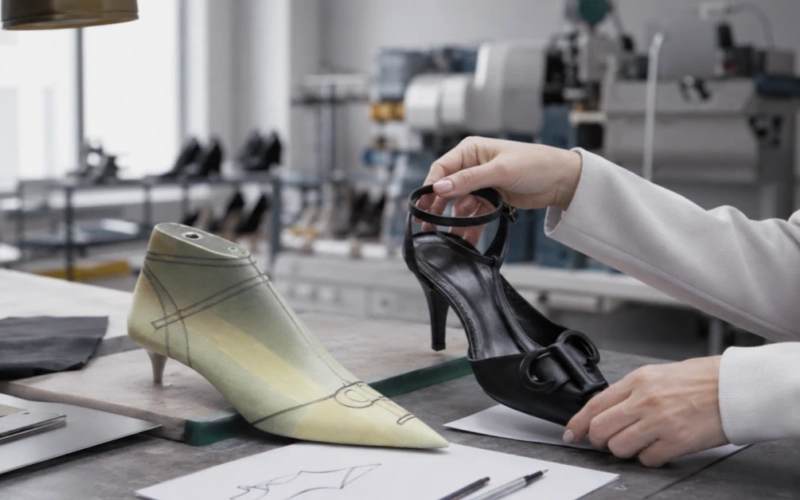
Shoe prototype development should have a defined scope, with clear deliverables and review stages.
Clarify the Minimum Order Quantity for Custom Shoes
The minimum order quantity for custom shoes may apply per style, per color, or across an agreed size run. Materials, components, hardware, and packaging may have separate minimums.
Before accepting a quotation, confirm:
-
The minimum quantity for each style.
-
The minimum quantity for each color.
-
How sizes can be distributed.
-
Whether selected materials create additional requirements.
-
Whether custom components or packaging carry separate minimums.
Shoe manufacturers for startups should explain how these conditions affect the proposed collection.
If the initial quantity exceeds your plan, discuss specific adjustments. Fewer colors or suitable existing components may change the requirements, subject to project review.
Choose a Manufacturer With Relevant Development Experience
To find a shoe manufacturer for a new brand, evaluate its experience with your product category and its ability to manage development clearly.
Product photographs can help demonstrate a style direction, but you also need to understand how the supplier reviews specifications, communicates revisions, and prepares for production.
Useful questions to ask a shoe manufacturer before production include:
-
What information is missing from our brief?
-
Which design details require further development?
-
What is included in the sampling quotation?
-
How are sample changes recorded and approved?
-
How is fit evaluated?
-
How will bulk production be checked against the approved sample?
-
What must be confirmed before production begins?
When comparing shoe manufacturers for startups, look for clear responsibilities, documented approvals, and realistic explanations of project requirements.
Review Shoe Samples Before Approving Production
An approved shoe sample should reflect the agreed design, materials, fit, construction, and branding requirements.
During the shoe development process, evaluate the physical sample against a written checklist. Product photographs alone cannot establish comfort or fit.
Review:
-
Silhouette and proportions.
-
Materials, colors, and finishes.
-
Fit and comfort for the intended wearer.
-
Fastening and ease of putting the shoe on.
-
Stitching, edges, and component placement.
-
Branding details.
-
Packaging, where included in the review.
Provide specific feedback with photographs. For example, “the opening feels tight when putting the shoe on” gives the development team a clearer issue to investigate than “the fit needs improvement.”
Record approved revisions in the product specifications. Confirm how the approved sample will be used as a reference for bulk production.
Plan Your First Shoe Production Order
To plan your first shoe production order, confirm the product specifications, approved sample, order breakdown, commercial terms, and quality requirements.
Before placing the order, review:
-
Final materials, colors, and components.
-
Quantities by style, color, and size.
-
Logo placement and packaging.
-
Agreed pricing and payment terms.
-
Production schedule and approval deadlines.
-
Inspection requirements.
-
Shipping responsibilities and delivery arrangements.
When you create a shoe line, connect your launch calendar to these confirmed production stages. Allow time for sample review, revisions, manufacturing, inspection, and transport.
Ask which approvals or payments trigger each stage and how later changes could affect the schedule.
Frequently Asked Questions About Starting a Shoe Line
How Do I Start a Shoe Brand Without Design Experience?
Start with a customer profile, a product category, annotated reference images, and a budget direction. Ask a development partner how it can help translate these inputs into technical specifications and samples, and confirm the scope of that support.
How Long Does It Take to Develop a Shoe Line?
The timeline depends on design complexity, material and component availability, sample revisions, approval speed, and production scheduling. Request a project-specific schedule that separates development, bulk production, and shipping.
Can I Create My Own Shoe Brand From Reference Images?
Reference images can support an initial development discussion. Explain which details they illustrate and work with the manufacturer to establish an original design and clear specifications before sampling.
What Should I Check Before Approving a Shoe Sample?
Check the agreed design, materials, colors, fit, construction, fastening, and branding. Document any required changes and confirm the final specification before authorizing production.
Can a New Brand Start With a Small Production Order?
This depends on the style, materials, components, and factory requirements. Ask how the MOQ applies to your proposed order and whether changes to the collection could support a more manageable first run.
Ready to Create Your Own Shoe Line?
A clear brief helps turn an early idea into a practical development discussion.
Share your sketches or reference images, preferred materials, target retail positioning, expected quantity, and planned launch date. Herrains can review your starting point and help identify the next steps for design development, sampling, and production planning.
Start planning a shoe line built around your brand, customer, and launch goals.
Share your concept, references, and launch plans.