

The first successful order proves that a product can reach the market. It does not prove that the product can be repeated consistently, replenished on time or expanded into a profitable collection. Those capabilities appear only when the brand turns launch evidence into a stronger production system.
Scalable footwear manufacturing is not simply increasing order quantity. It is the ability to produce more units, more often or across more styles without losing the fit, materials, finishing, margin and customer experience that made the original product successful. The same principle applies to handbag production, where structure, leather lots, hardware, reinforcement and edge finishing must remain controlled as volume grows.
For established brands, the path from one product to a broader collection should be deliberate. Repeat orders create cash-flow and inventory commitments. New colors and styles create additional material, tooling and quality variables. A manufacturing partner should help the brand increase opportunity without allowing complexity to outrun control.
Why Repeat Orders Expose Supply-Chain Weaknesses
A first order often receives exceptional attention. Materials may be purchased specifically for the project, key technicians may follow the style closely, and the brand may accept a longer development timeline. A repeat order tests whether the original decisions were properly documented and whether the supply chain can reproduce them after time has passed.
Problems appear when material codes were not recorded, the approved color exists only in a photograph, a custom component supplier changed, or construction knowledge remained with one person. The factory may produce something similar, but “similar” is not enough for a returning customer who expects the same product.
Repeatability therefore begins during the first development cycle. The sealed sample, technical specifications, measurements, material references, packaging standards and quality findings should form a controlled product record. This record is the foundation for replenishment and future collection development.
Turn Sales Feedback Into Production Decisions
Sales data should guide what the brand repeats, changes or stops. Useful inputs include sell-through by size and color, return reasons, customer comments, wholesale feedback, damaged-unit reports, margin performance and stockout timing.
The team should separate demand signals from product problems. A slow-selling color may reflect weak customer demand, poor photography or limited size availability. A high return rate may reflect fit, expectation mismatch or inconsistent production. Each cause requires a different response.
Create a repeat-order review that brings commercial and production information together. The brand can identify core sizes that need deeper allocation, colors worth replenishing, details that create customer value, and defects that need corrective action. The manufacturer can then explain which changes affect materials, cost, tooling or lead time.
The purpose is not to redesign the product after every comment. It is to distinguish a pattern from an isolated opinion. Stable core products improve when changes are controlled and evidence-based.
Build a Repeatable Product Specification
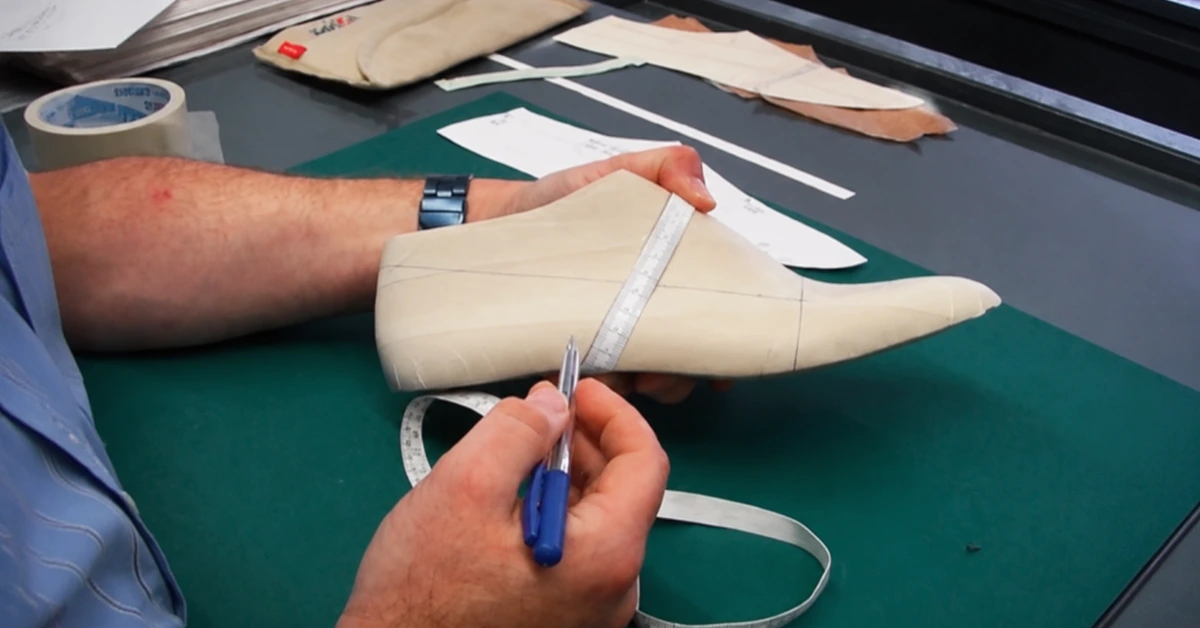
A repeatable specification records what must remain consistent and what can vary. It should include product measurements, materials, component codes, color references, construction details, workmanship standards, branding placement, packaging and acceptable tolerances.
Revision control is essential. If the second order includes an improved foam, reinforced seam or updated box, the documentation should show the new version and its approval date. The previous version should not disappear; it should remain traceable so the team understands what changed.
The approved physical sample remains useful, but it cannot carry all information. Materials age, colors look different under different light, and hidden construction cannot always be inspected without damaging the product. Written and visual records support the sample and reduce reliance on individual memory.
This approach reflects a broader quality-management principle: consistent output depends on controlled processes, documented information, measurement and continual improvement. A brand does not need to turn every order into bureaucracy, but it needs enough structure to preserve important decisions.
Protect Material and Color Continuity
Material continuity is one of the biggest challenges in repeat footwear and handbag production. Leather is a natural material with variation between hides and lots. Textiles, coated materials and synthetic components can also change when suppliers update formulations or when colors are produced in different batches.
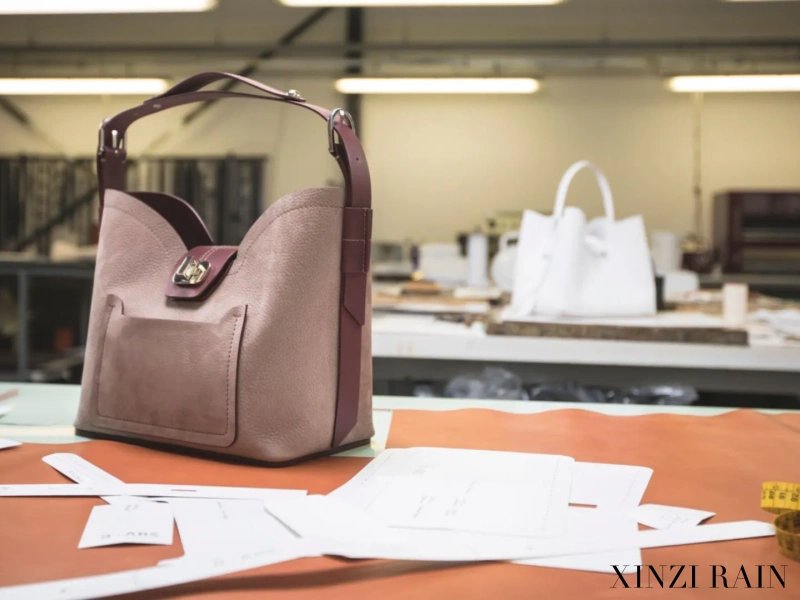
Brands should identify which materials are core and likely to repeat. For those materials, discuss supplier continuity, minimum purchase quantities, expected lead time and acceptable shade or texture ranges. Retaining approved swatches and lot information makes future comparison more reliable.
If an original material becomes unavailable, substitution should follow a controlled approval process. The new option should be evaluated for appearance, thickness, stretch, finishing, construction behavior and compliance—not selected only because the color appears close.
Hardware and packaging require the same discipline. A slightly different plating tone, zipper pull, logo stamp or box paper can change the customer's perception of consistency. The brand should decide which variations are acceptable and which require formal approval.
Plan Capacity and Replenishment Windows
Replenishment planning should begin before inventory reaches zero. The brand needs to understand material lead time, production capacity, approval requirements and shipping time. A repeat order placed too late may require expensive freight or leave a revenue gap. One placed too early may increase inventory risk.
Use sales velocity and stock coverage to define a reorder point. Then add the realistic end-to-end lead time, including material purchasing, production, inspection, packing and transport. Seasonal shutdowns and peak production periods should be included.
Capacity planning becomes more important as the collection grows. Several styles may compete for the same material supplier, sole line, stitching capacity or finishing team. Share the expected order calendar with the manufacturing partner so purchasing and production can be coordinated instead of managed as a sequence of urgent requests.
Forecasts do not need to be perfect to be useful. A rolling range—base, upside and downside—helps the supplier prepare while allowing the brand to update decisions with real sales data.
Improve Quality Control With Production Data
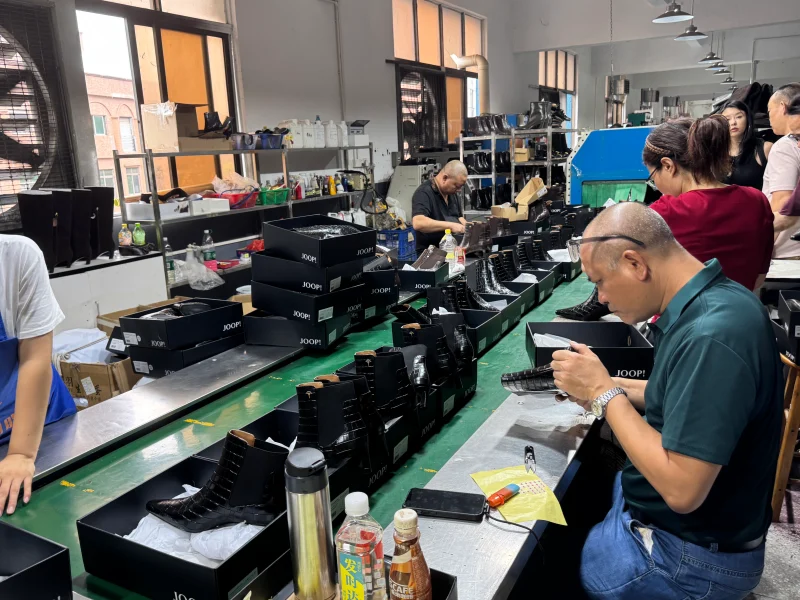
Quality control should become more precise after each order. Record defects by type, frequency, size, color, material lot and production stage. If the same issue repeats, the response should move upstream.
For example, repeated glue marks may require workstation control and finishing standards. Heel instability may require component, attachment or test review. Shade mismatch may require improved material sorting and pair matching. Packaging damage may require changes to support, carton strength or loading.
Corrective action should answer three questions: what happened, why it happened, and what will prevent recurrence? The answer may involve training, tools, material controls, inspection frequency or specification changes. The next order should verify whether the action worked.
This turns QC from a final gate into a learning system. ISO quality-management guidance emphasizes monitoring results, analyzing nonconformities and using evidence for continual improvement. The commercial benefit is fewer repeated problems, more predictable deliveries and stronger customer confidence.
Expand Colorways Without Losing Margin
New colorways are often the lowest-risk form of collection expansion because the last, pattern and construction already exist. However, each color adds material minimums, sampling, photography, inventory and forecasting complexity.
Classify proposed colors as core, seasonal or experimental. Core colors should support reliable replenishment. Seasonal colors need a clear selling window. Experimental colors should have a defined test quantity and success criterion.
Whenever possible, use shared linings, outsoles, hardware or packaging across colorways. This can simplify purchasing and protect unit economics without making the products look identical. The design team should identify where variation creates customer value and where standardization is invisible.
Review the full color story under consistent lighting and with actual materials. A color that looks strong on a screen may behave differently on suede, smooth leather, satin or metal. Physical approval reduces surprises in campaign photography and delivery.
Add New Styles Through Controlled Platform Development
Collection growth becomes more efficient when new styles reuse proven platforms. A brand may build several uppers on an approved last and outsole, or develop related bags that share leather, hardware and branding details.
Platform development reduces some technical uncertainty, but it does not eliminate review. A new upper changes fit and support. A different heel height may require a new last relationship. A larger bag changes reinforcement and handle load. Each style should be evaluated for the risks created by its differences.
Create a family specification that identifies shared elements and style-specific elements. Shared components can improve purchasing leverage and visual coherence. Style-specific decisions protect function and distinctiveness.
This approach also helps the brand plan tooling investment. A proprietary heel, outsole, buckle or handle connector may make more sense when it supports several products rather than one isolated launch.
Coordinate Footwear and Handbag Collections
Brands developing both shoes and bags can create a stronger collection story through coordinated materials, colors, hardware and branding. Coordination does not mean every item must match exactly. It means the products share a deliberate visual and commercial system.
The development calendar should recognize that footwear and handbags have different technical processes. Footwear requires last, fit, size grading and pair consistency. Handbags require pattern, body structure, handle reinforcement, edge finishing and hardware load considerations. Shared materials may behave differently in each application.
A custom handbag manufacturing plan should confirm leather thickness, reinforcement, lining, closure, hardware, edge paint, logo application and packaging. If the same leather is used for footwear, the team should assess whether one specification can serve both categories or whether different thicknesses and finishes are required.
Coordinated purchasing can improve color consistency and material use, but it must be planned early. Otherwise, separate lots may create shade differences that weaken the collection presentation.
Upgrade Packaging and Logistics as Volume Grows
Packaging that works for a small order may become inefficient at scale. Review box dimensions, protective materials, master-carton configuration, palletization, warehouse labels and fulfillment requirements. The goal is to protect the product while reducing avoidable volume, damage and handling.
Repeat production also creates opportunities to improve shipping strategy. The brand may move from urgent air freight to planned ocean freight, combine styles into coordinated shipments or hold a controlled quantity of core materials for faster replenishment. Each option affects cash flow and risk, so decisions should be based on forecast reliability.
Packaging upgrades should support the customer experience, not only cost reduction. Stronger inserts, clearer care information or better product organization may reduce damage and returns. Sustainable material choices should be evaluated for performance and destination-market claims, not used as vague marketing language.
Build a Long-Term Manufacturing Moat
A brand's moat is not created by exclusivity language alone. It is created by a system that becomes difficult to copy: proprietary product knowledge, controlled fit, reliable quality, faster repeat decisions, trusted supplier coordination and learning from customer data.
The manufacturing partner contributes to this moat when development evidence, material references and corrective actions are preserved across orders. The brand can launch related products faster because it is not rebuilding the process from zero. It can also make clearer trade-offs between speed, cost, customization and inventory.
Long-term collaboration should remain measurable. Review on-time delivery, defect patterns, revision cycles, material continuity, response time and cost movement. Discuss what improved and what still creates risk. A relationship becomes strategic when both sides use evidence to improve the next collection.

Scale-Readiness Checklist
The approved product has a controlled specification and sealed reference.
Sales and return data are reviewed by size, color and issue type.
Repeat-order changes are versioned and approved.
Core materials and components have a continuity plan.
Reorder points include production and transport lead time.
Capacity forecasts are shared as ranges.
Quality findings lead to corrective actions and verification.
New colors have defined commercial roles.
New styles reuse platforms only where technically appropriate.
Footwear and bag development calendars are coordinated.
Packaging and freight are reviewed as volume changes.
Performance is measured across orders, not only at final inspection.
Scalable Footwear and Handbag Manufacturing FAQs
When is a product ready for a repeat order?
When sales justify replenishment, the current specification is controlled, quality findings are resolved, materials remain available and the order can arrive before the commercial need is lost.
Should a brand change the product after the first launch?
Only when evidence supports the change. Separate recurring fit, quality or customer-experience issues from isolated opinions. Document every approved revision.
How can a brand reduce repeat-order lead time?
Improve forecasting, confirm core materials earlier, maintain approved specifications, reduce late changes and share a rolling production plan with the manufacturer. Lead time cannot be reduced safely by skipping essential controls.
Is it better to add colors or entirely new styles?
It depends on demand and brand strategy. Color expansion usually introduces fewer technical variables, while a new style may create more market opportunity but requires additional fit, construction and sampling review.
Can Herrains support coordinated footwear and bag collections?
Yes. Herrains develops footwear and handbags through category-specific technical processes while coordinating material direction, branding, quality standards and production planning across the collection.
Build Repeat Orders Into Your Product System
Herrains supports established brands from product validation and first orders to replenishment, new colorways and collection growth. Explore our Brand Launch Support, Custom Shoe Manufacturer Services, Custom Handbag Manufacturer Services, or discuss your next collection.
Sources and Further Reading
ISO, Quality Management Principles: https://committee.iso.org/quality-management/principles
ISO, Quality Assurance: https://www.iso.org/quality-management/quality-assurance
ISO, ISO 9001 Explained: https://www.iso.org/home/insights-news/resources/iso-9001-explained.html
European Chemicals Agency, Skin-Sensitising Chemicals: https://echa.europa.eu/en/hot-topics/skin-sensitising-chemicals
European Commission Access2Markets, Footwear Labelling Requirements: https://webgate.ec.europa.eu/access-to-markets/en/content/labelling-and-packaging