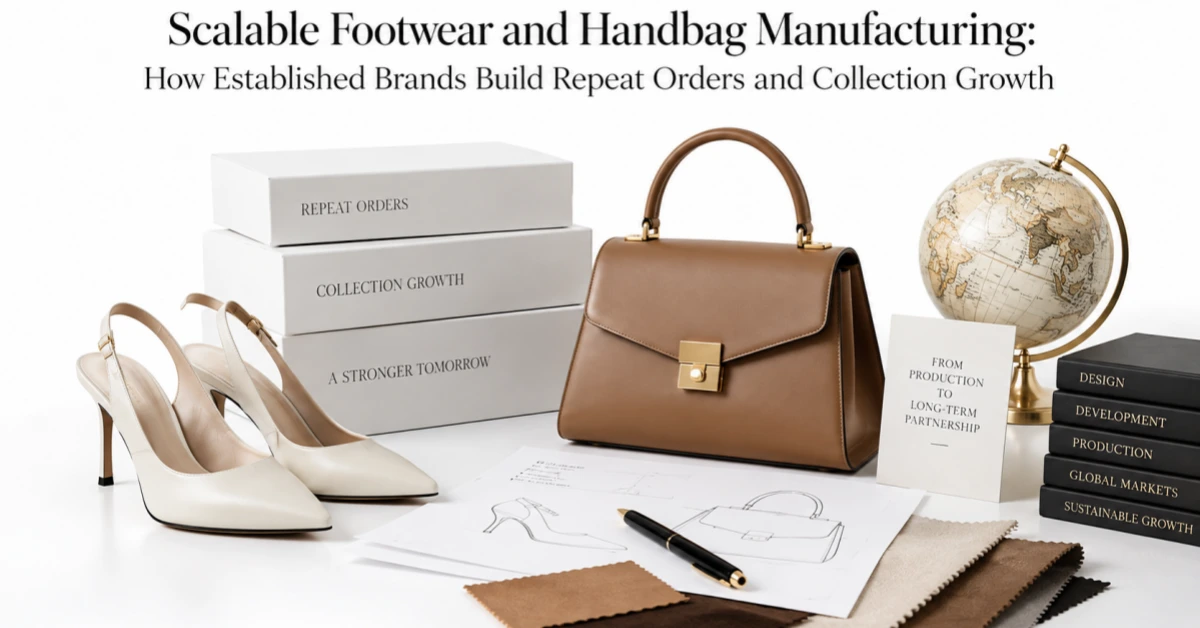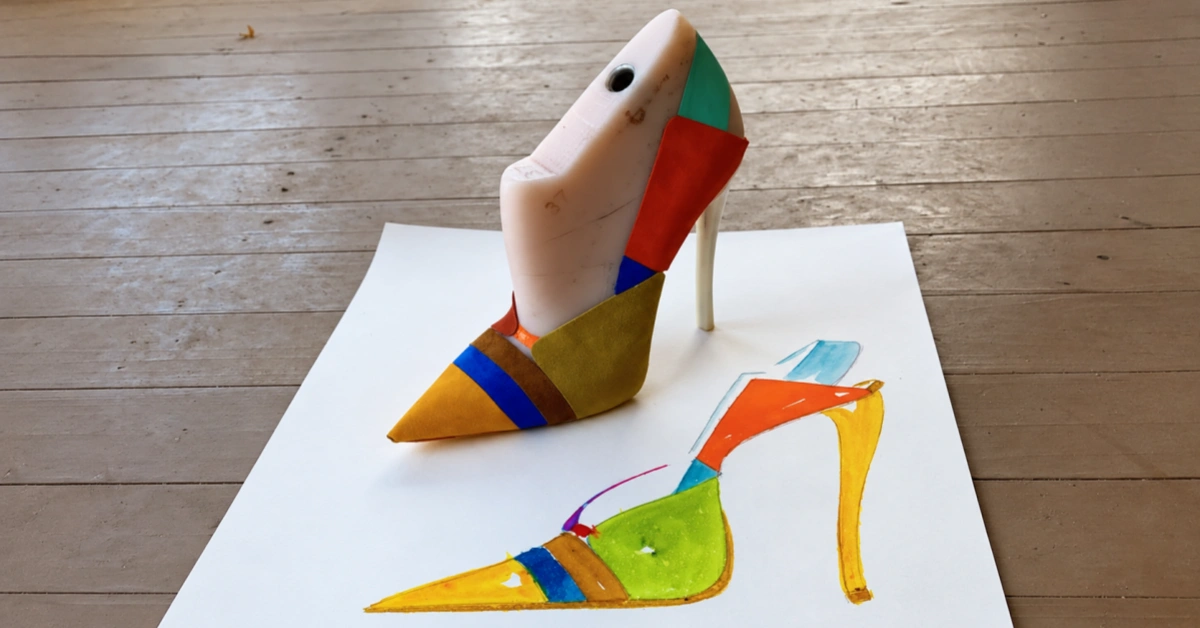

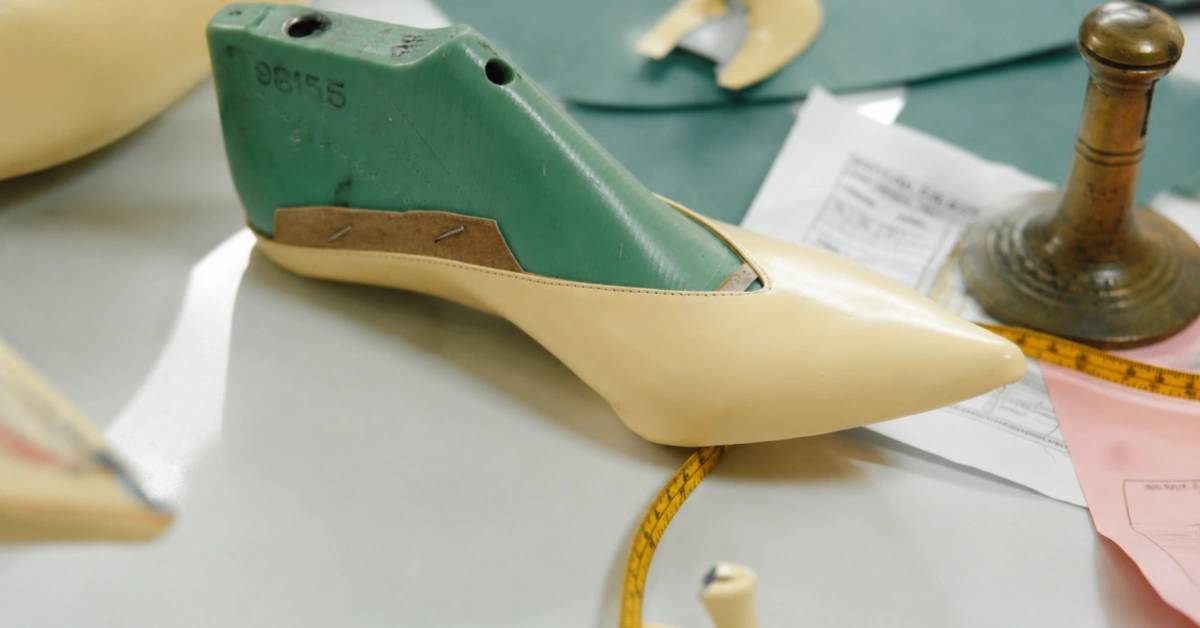

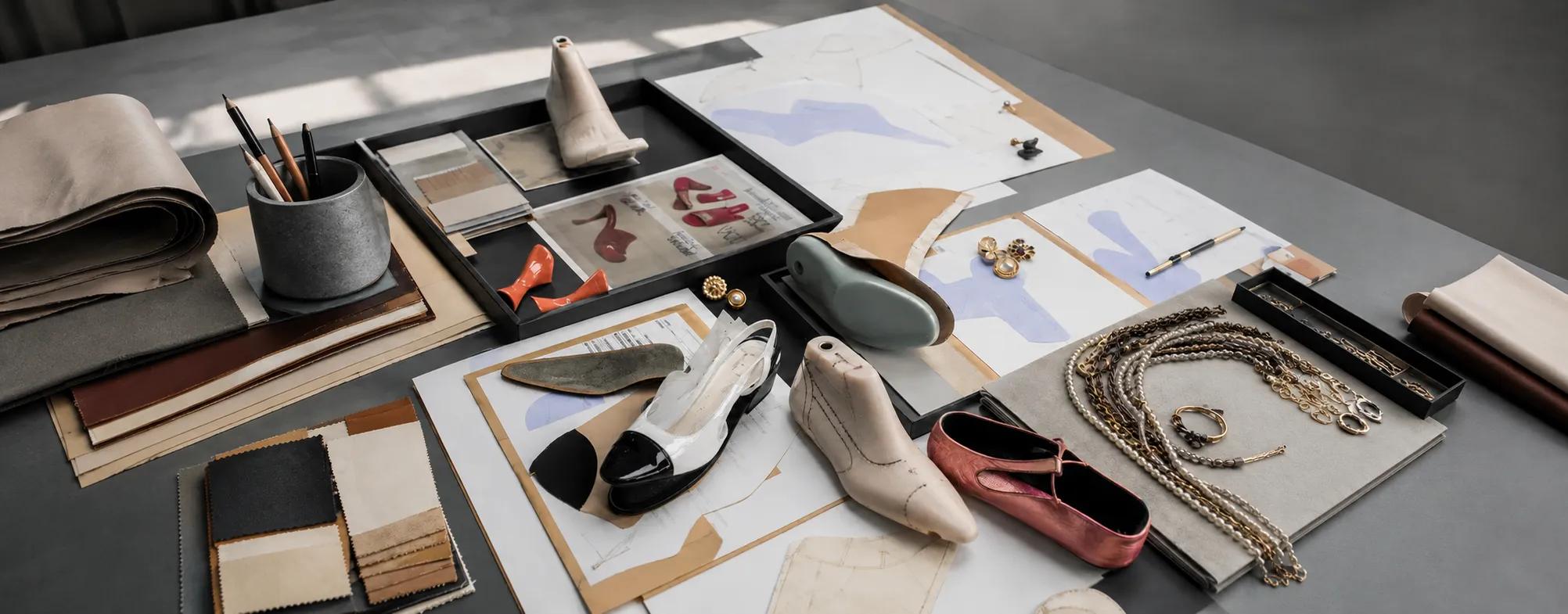
A first sample should test a clear product decision—not discover every decision at once. Before development, define the customer, intended use, proportions, structure, materials, key components, quality expectations and cost direction. The more complex the design, the more valuable a feasibility review becomes.
This is the starting point of the footwear and bag brand launch path: turning creative intent into information a development team can review and build.
Key takeaway: A sketch is ready for sampling only when its purpose, structure, materials, critical components and quality priorities are clear enough to create a meaningful first sample.
Why a Fashion Design Is Not Yet a Production Specification
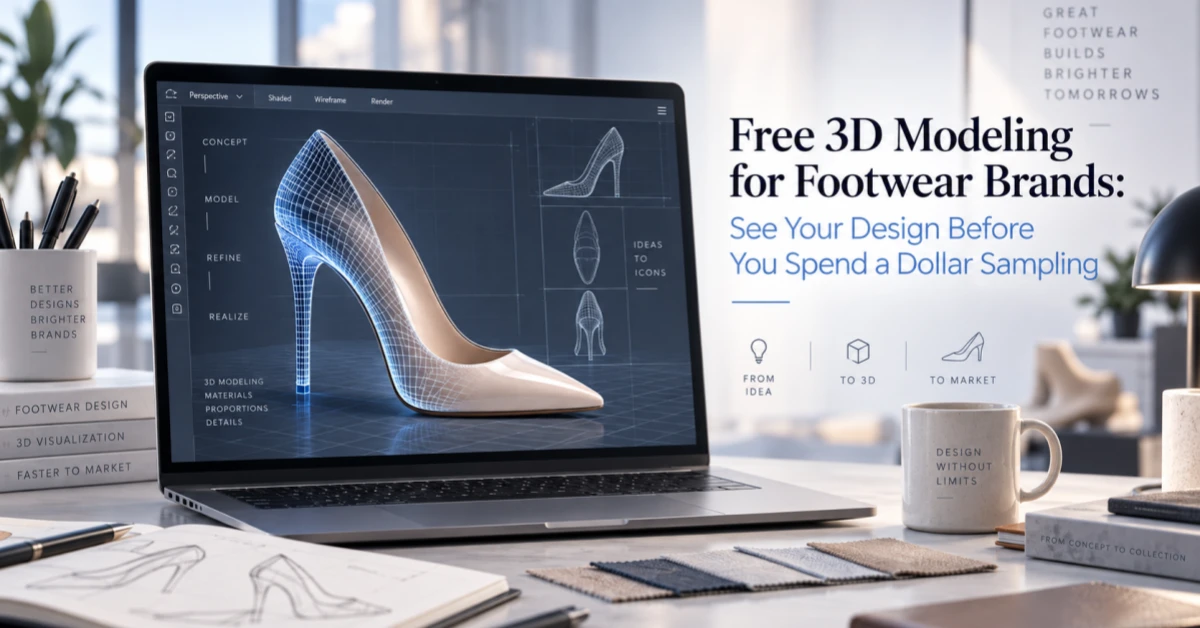
A sketch communicates appearance. A reference image communicates mood. A tech pack adds measurements, materials and construction notes. None of these automatically becomes a production-ready specification.
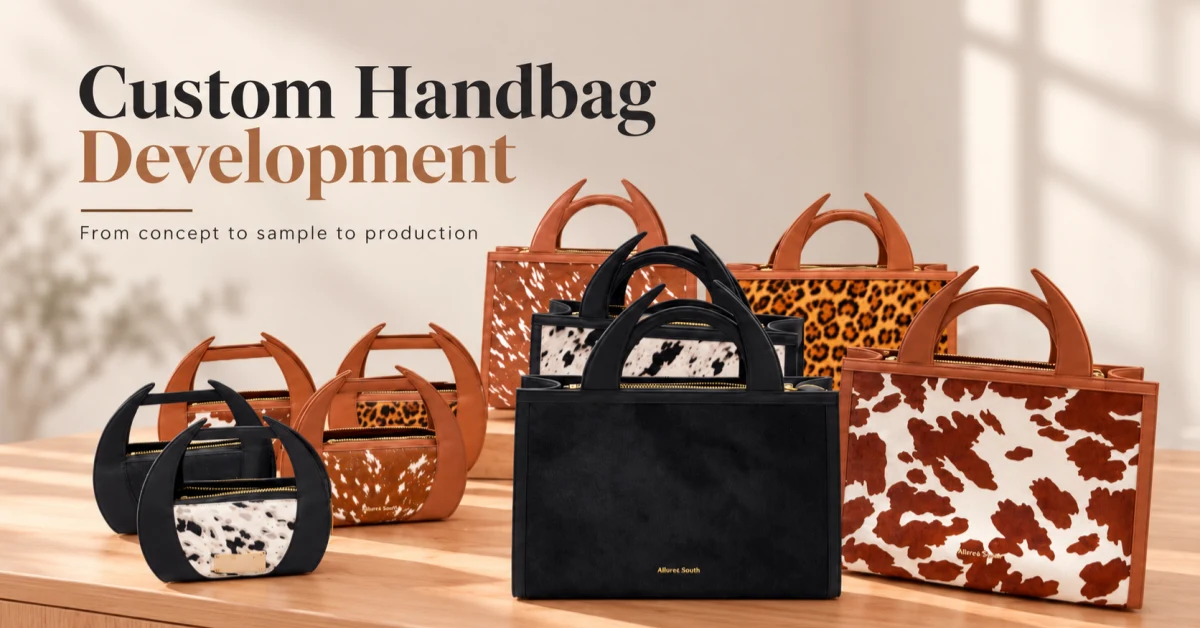
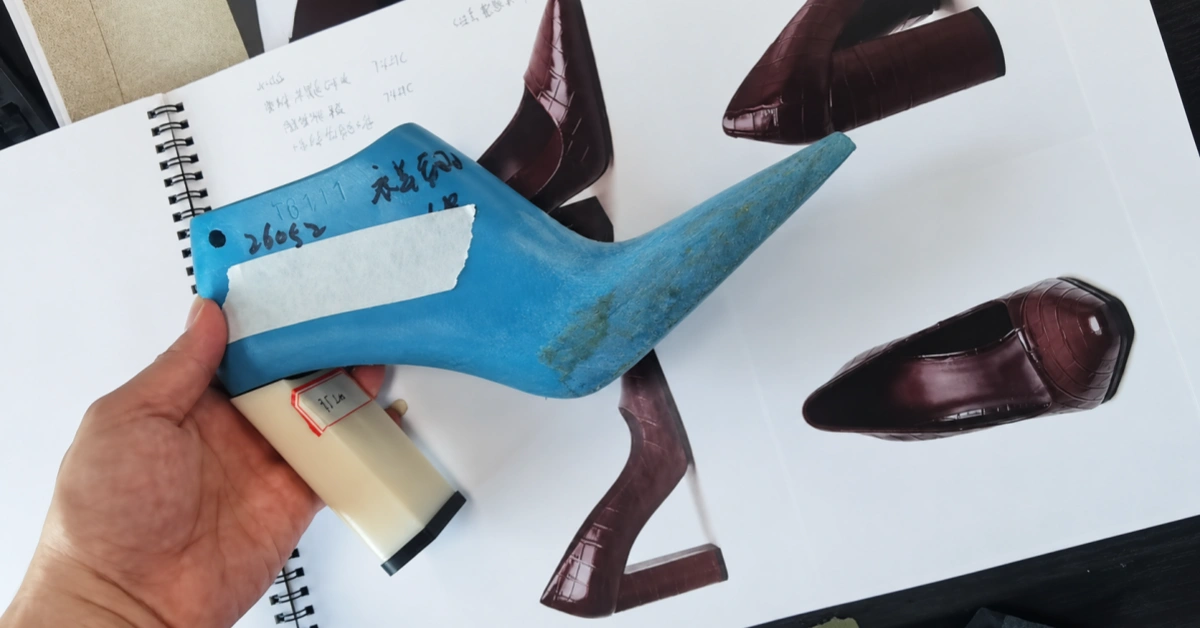
For footwear, the missing information may include the shoe last, wearing balance, upper construction, sole connection, reinforcement and size grading. For handbags, it may include paper patterns, body support, handle strength, lining, hardware placement, opening structure and edge finishing.
A design can look convincing on a screen while creating practical problems in a sample. A thin material may collapse where the drawing expects structure; a decorative component may interfere with movement; a sharp proportion may affect comfort, capacity or durability. The goal is not to make every design ordinary, but to identify which decisions protect the design and which put the first sample at risk.
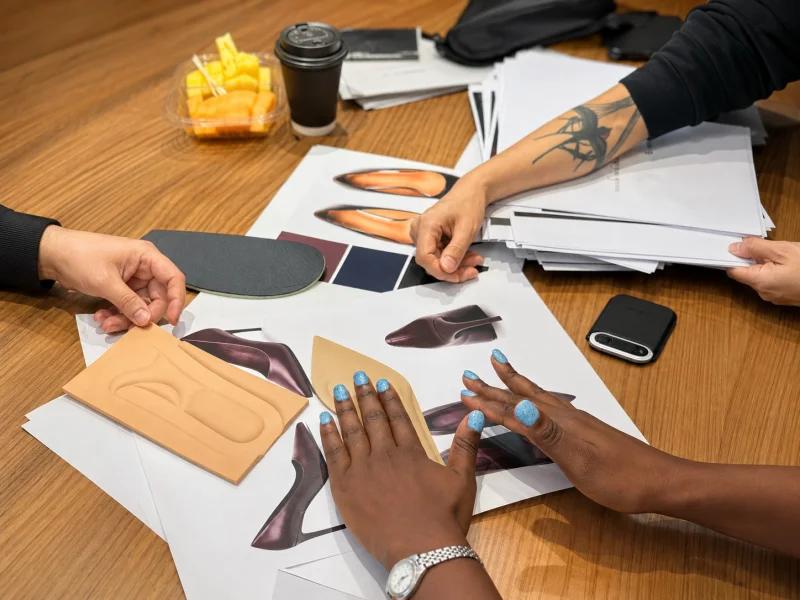
The Footwear Product Development Process: A 7-Point Pre-Sampling Checklist
A useful feasibility review should answer seven questions before physical sampling begins.
| Checkpoint | What to confirm before sampling |
|---|---|
| Product purpose | Who will wear or use it, and in what situation? |
| Design identity | Which proportions, lines, details or materials make the product recognisable? |
| Structure and fit | How will the shoe last, pattern or bag body create the intended shape? |
| Material behaviour | Are thickness, softness, stretch, grain, surface and reinforcement suitable? |
| Components | Are soles, heels, hardware, zips, lining and branding elements compatible? |
| Size and use | What sizing, capacity, movement, comfort or load requirements apply? |
| Commercial direction | What quality level, cost direction and development priority should guide decisions? |
This checklist does not replace a technical package. It identifies what the package must contain and helps the brand decide whether to sample, clarify the concept or revise the design.
Need a technical second opinion before sampling?
Share your sketch, reference images or tech pack with the Herrains development team for a structured review of your current product direction.
Request a Technical Development ReviewWhat to Review in Footwear Product Development
Review the last, fit and wearing balance first. A pointed toe, high heel, wide platform or sculptural upper may change internal space and comfort even when the drawing looks correct. Confirm the target size system and intended use.
Then review the upper’s folding, stretch, support and connection points. Straps, seams, overlays, sole and heel should be considered together because weight, flexibility and attachment affect both stability and silhouette. Decide whether each critical component is ready, adapted or custom-developed.
Leather, suede, synthetic materials, mesh and textiles behave differently during cutting, stitching and lasting. Confirm the required look and feel, then check whether they remain consistent across sizes and colourways. This is part of footwear design to production, not a detail to postpone until bulk manufacturing.
What to Review in Handbag Product Development
Start with the paper pattern and body structure: they determine capacity, seams, gussets and how the bag holds its shape. Decide whether the body should stay structured, soften with use or combine rigid and flexible zones.
Next, review the handle or shoulder-strap attachment, reinforcement, stitch placement and hardware. The opening, closure, lining, pockets and compartments should support the intended use rather than simply complete the appearance.
Finally, define the signature finishing details—edge paint, folded edges, exposed seams, logos and metal trims—and identify which can be simplified if they create unnecessary risk. For a coordinated collection, review the bag concept alongside the bag development process, especially when materials, colours or branding must work across shoes and bags.

Which Problems Should Be Solved Before the First Sample?
Not every question must be final before sampling, but every unresolved question should be visible.
| Timing | Decisions to handle |
|---|---|
| Before sampling | Product purpose, target user, core proportions, construction direction, material intention, critical components and quality priorities |
| After the first sample | Actual fit, comfort, hand feel, capacity, visual balance, movement and the effect of material choices |
| Before bulk production | Final measurements, approved materials, colour standards, component references, branding, packaging and inspection criteria |
The first sample is a test object. It should not be used as a substitute for planning. If the brand has not defined what the sample is meant to prove, revisions can become subjective and difficult to control.
Is Your Design Ready for Shoe Sample Development?
Ready for sampling — The product purpose, core design, construction direction and key materials are clear enough to create a meaningful first sample.
Needs technical clarification — The design direction is promising, but important information is missing, such as measurements, component choices, fit expectations or material behaviour.
Requires design adjustment before sampling — The current concept contains a structural, comfort, capacity or production risk that should be addressed before development investment continues.
This is not a judgement on creativity. It is a way to choose the next useful action: a sample, a revised drawing, a material test, a pattern adjustment or a clearer technical brief.
From Design Feasibility to a Production-Ready Sample
Once the concept passes review, confirm the technical direction, build the first sample, record revisions, compare the result with the original intent and define the next approval point. The important record is not only the final image, but also what changed and what must remain unchanged.
Herrains supports this Validate stage as part of its broader brand launch and growth framework. If you have a sketch, reference image, sample or technical package, you can request a Technical Development Review and share the information available at your current stage.
FAQ: Footwear and Handbag Sample Development
Can I start with a sketch instead of a complete tech pack?
Yes. A sketch can be a useful starting point, but it should be reviewed alongside the intended use, proportions, materials and construction priorities before sampling.
What should be confirmed before making a footwear sample?
Confirm the target user, shoe type, last or fit direction, upper construction, sole or heel concept, materials, size system and the purpose of the first sample.
How do I know whether a handbag structure is workable?
Review the pattern, body support, opening, handle attachment, interior layout, hardware and material behaviour together. A workable structure must support both the intended appearance and use.
Can material selection change the original design direction?
Yes. Thickness, softness, stretch, grain and surface behaviour can change shape, support and finishing. Materials should be reviewed as part of the design, not selected only after the form is fixed.
What evidence should be recorded during sample development?
Keep approved references, measurements, material confirmations, revision comparisons, component details, comments and approval decisions. These records support consistency in later development and production.
How many revisions should a first sample have?
There is no universal number. The useful question is whether each revision resolves a defined issue and moves the product closer to an approved, repeatable specification.
Should footwear and handbag designs be reviewed together?
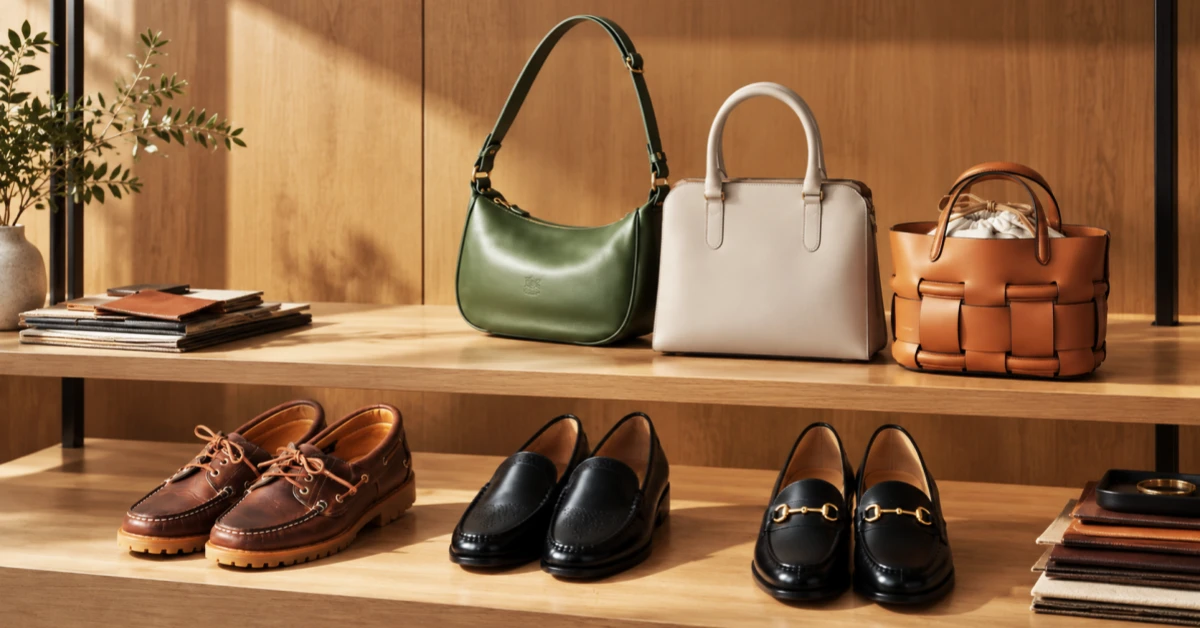
They can be, especially for a coordinated collection. Review shared materials, colour standards, branding and quality expectations together while keeping footwear and handbag construction decisions separate.
What is the difference between a reference image and a production specification?
A reference image shows visual direction. A production specification explains measurements, materials, construction, components, finishing and quality requirements clearly enough for development and approval.
When should quality standards be defined?
Quality priorities should be identified before sampling. They can be refined after the first sample, then formally locked before bulk production.
What should I send for a technical development review?
Send any available sketches, reference images, tech packs, existing samples, target market information, material preferences, size or capacity requirements and the questions you need the development team to answer.
Ready to Review Your Product Direction?
A strong footwear or handbag product development process does not remove creative risk. It makes the important risks visible early enough to manage them.
Request a Technical Development Review