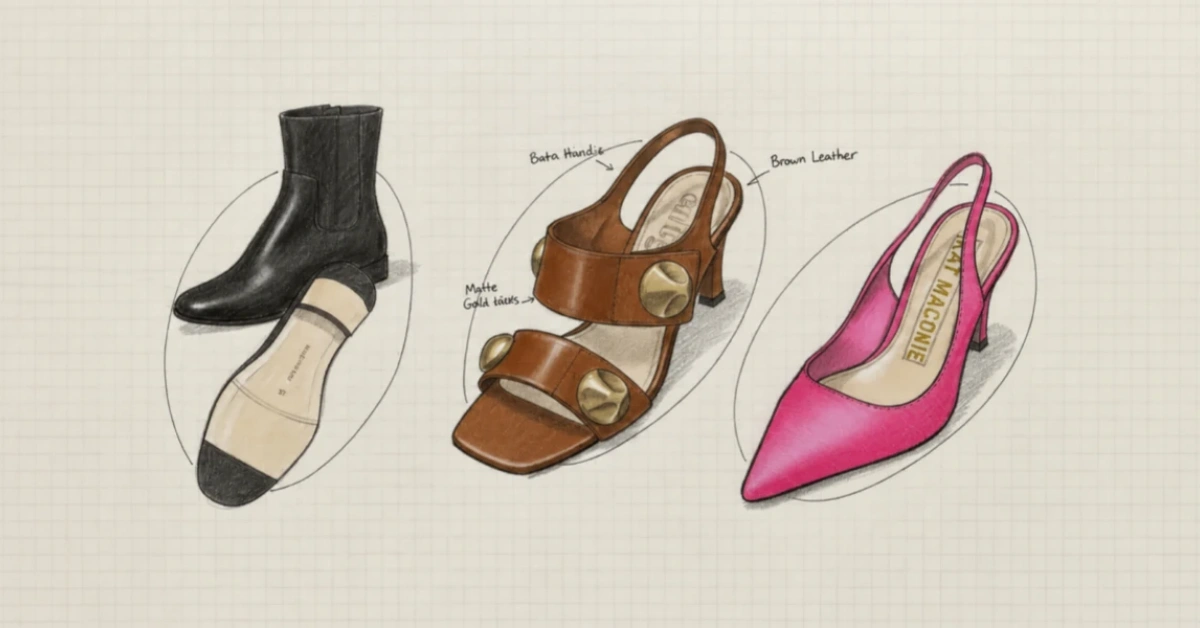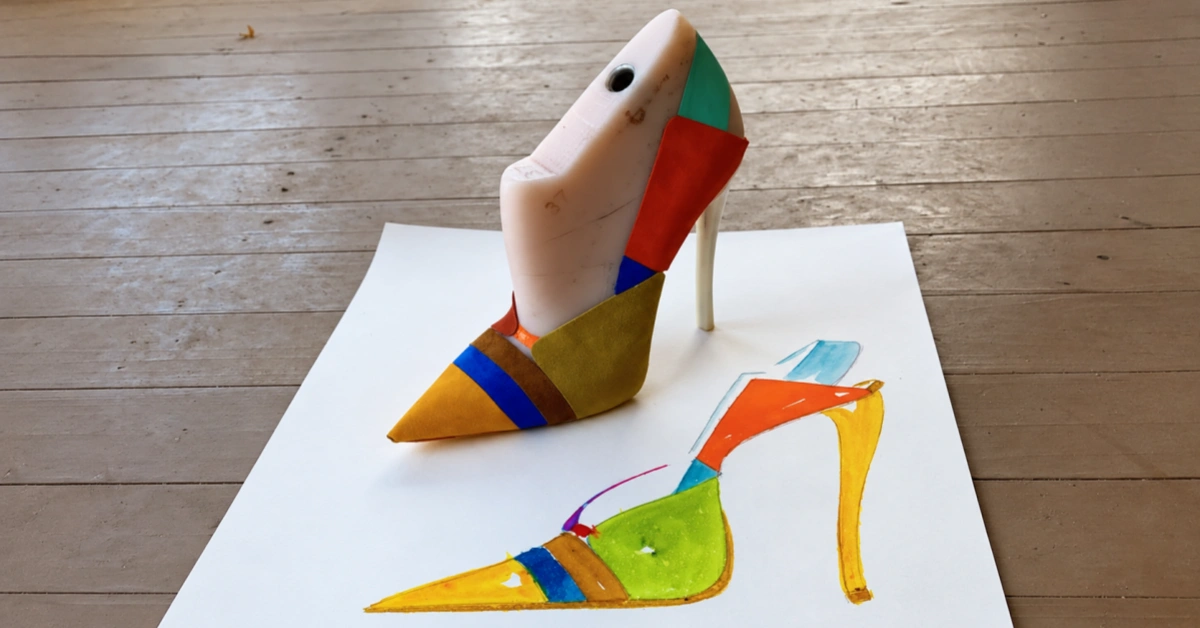

You have a sketch, a reference image, maybe a name — but no idea if it can become a real shoe. Product validation for a footwear brand is the pre-sampling step that tests design, materials, cost, and demand before you spend a dollar on a sample. This guide speaks directly to sketch-stage founders and answers the fears every first-time shoe creator carries.
By Herrains Product Development Team
The 2 a.m. Moment Every Founder Knows
It starts with a drawing. Or a screenshot saved from a runway show. Or a napkin sketch from a café. Maybe you've got a Pinterest board, a half-written brand name, and a feeling — a strong one — that this shoe should exist.
Then the doubt arrives.
You stare at the sketch and a quiet voice asks: Can this even be made? Will a factory laugh at my one idea? What if I spend $800 on a sample and it comes back looking nothing like what's in my head? What if the materials I imagined don't exist, or cost more than my whole budget? What if I finally launch and nobody buys it?
If any of that sounded like a thought you've had, you are not unprepared. You are exactly who this article is for.
At our development studio we call your stage Sketch to Product. The direction is becoming clear, but it isn't a product yet. And the single most valuable thing you can do at the sketch-to-product stage is not sample. It's validate.
So, What Is Product Validation for a Footwear Brand?
Product validation for a footwear brand is the structured, pre-production step of checking whether your shoe idea is viable — across design, materials, construction, cost, and market — before you commit money to a physical sample.
It is not a vibe check. It is a practical review that answers four questions:
- Can the investment be validated first? — Can we test design, cost, and manufacturing feasibility upfront, instead of discovering problems after paying for samples?
- Can the design vision become a real product? — Can structure and craft preserve your design language, or will it get flattened in translation?
- Can the first-order strategy prove viability? — Can demand, cost, and pricing support a sustainable margin on the first run?
- Can supply capability become a brand moat? — Can reorders and range expansion turn a one-off product into a lasting advantage?
When we talk about product validation for a footwear brand, we mean the work that happens between the sketch and the sample — the part most first-time founders skip, and the part that separates brands that launch from brands that stall.
Not ready to spend on a full validation yet? Start with a free footwear collection review — same logic above, applied to your sketch, at no cost.
Get My Free Review →
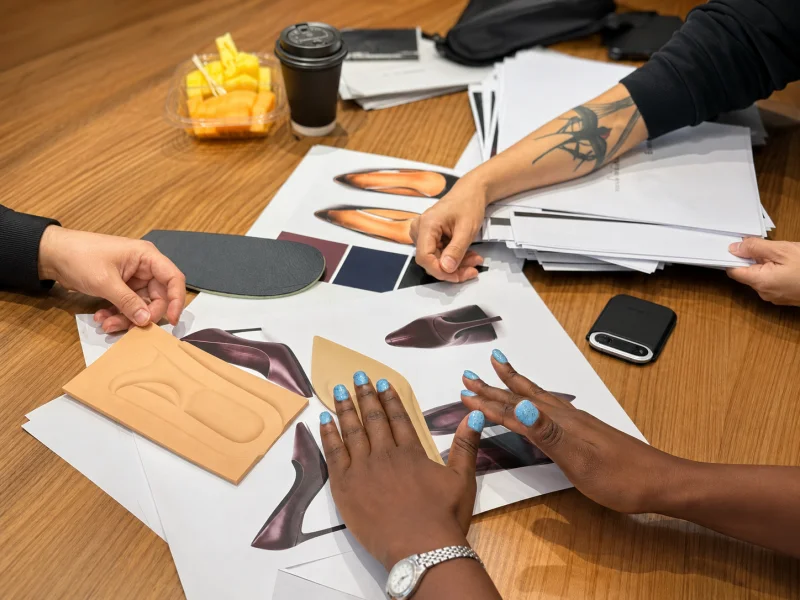
Why Sketch-Stage Founders Are Afraid of the Factory
We have sat across the table (sometimes literally, often over a video call) from hundreds of sketch-stage founders. The fears repeat so consistently that we built our entire process around answering them. Here they are — named honestly, because you deserve to see your own anxiety reflected and resolved.
Pain 1: "Will a real factory even take my one sketch seriously?"
You are not Nike. You have one idea, a tight budget, and zero purchase history. The nightmare scenario: you email ten factories, eight ignore you, two quote a MOQ of 3,000 pairs you can't afford.
The truth: The right development partner is not looking for your order volume on day one — they are looking for a validatable idea. A sketch with a clear point of view is more interesting to a good developer than a vague request for "5,000 generic sneakers." Validation is how we take you seriously: we review your direction, not your bank balance.
Pain 2: "Can my design actually be made — or is it fantasy?"
That floating heel, that impossible material, that curve that looks amazing in 2D… will it survive contact with physics? Founders quietly fear hearing "no" and having their dream dismissed.
The truth: Almost every design can be made — the real question is how, with what, and at what cost. Validation maps your vision to real materials, real construction methods, and real engineering limits. We tell you early: "This works as drawn. This needs a small change. Here is the trade-off." No late-stage surprises.
Pain 3: "Will they destroy my design language?"
You spent months developing an aesthetic. The horror story every founder has heard: the sample comes back "correct" but soulless — proportions off, details cheapened, the magic gone.
The truth: Design integrity is a technical discipline, not luck. Validation documents your design language — proportions, key details, material intent — into a reference the factory can't accidentally drift from. A 3D preview lets you confirm the silhouette before any physical material is cut.
Pain 4: "I have no tech pack. Just vibes and references."
Every "how to manufacture" article screams "you need a tech pack." You have a sketch and three inspiration images. Cue impostor syndrome.
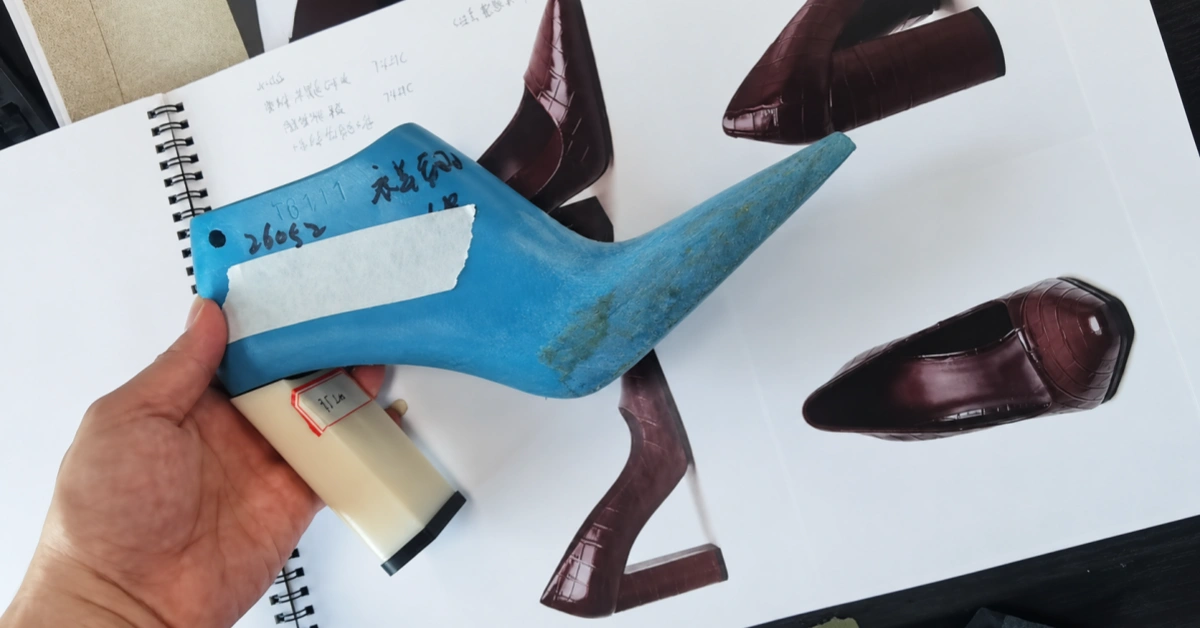
The truth: A tech pack is an output of validation, not a prerequisite for it. At the sketch-to-product stage we start from your sketch and references and build the technical plan with you — material review, last/pattern direction, component list, risk notes. You don't need to arrive with a perfect spec. You need to arrive with a direction.
Pain 5: "Sampling costs real money I might just waste."
A sample round is $300–$1,500 you may not get back. Three rounds of revisions? That's a vacation you canceled. Founders freeze at the cost of being wrong.
The truth: Validation exists precisely to protect that money. By reviewing materials, construction, and fit risk before cutting leather, we cut unnecessary sample rounds dramatically. One client avoided two full revision cycles — roughly $2,000 saved — because a feasibility review caught a structural conflict in week one, not week six.
Pain 6: "Are these materials even real and affordable?"
You pictured vegetable-tanned leather and a specific hardware finish. Then a factory quote makes your stomach drop. Or worse — the material "exists" but only at a price that kills your margin.
The truth: Material feasibility is a core part of validation. We check availability, lead time, and cost tier early, and propose alternatives that protect both your look and your margin. Dream material too pricey? We show you the next-best option and exactly what you'd sacrifice.
Pain 7: "I don't know what questions to ask a factory."
Knowledge asymmetry is the quiet killer. You suspect you're being polite while the factory assumes you know things you don't. You're afraid to sound naive.
The truth: Validation is the questions, asked for you. Our pre-sampling checklist covers design direction, material/construction risk, sizing, components, and approvals — the exact things naive founders skip and experienced ones never do.
Pain 8: "What if I launch and nobody buys it?"
The deepest fear. Sampling and production are solvable. Market rejection isn't. Founders worry validation only checks the product, not the demand.
The truth: Good validation includes a product-market fit review — positioning, target audience, channel, and price point. We won't promise sales, but we will tell you, honestly, whether your $159 heel matches the audience you're targeting, or whether the math only works at $199. That conversation before production is worth more than any post-launch panic.
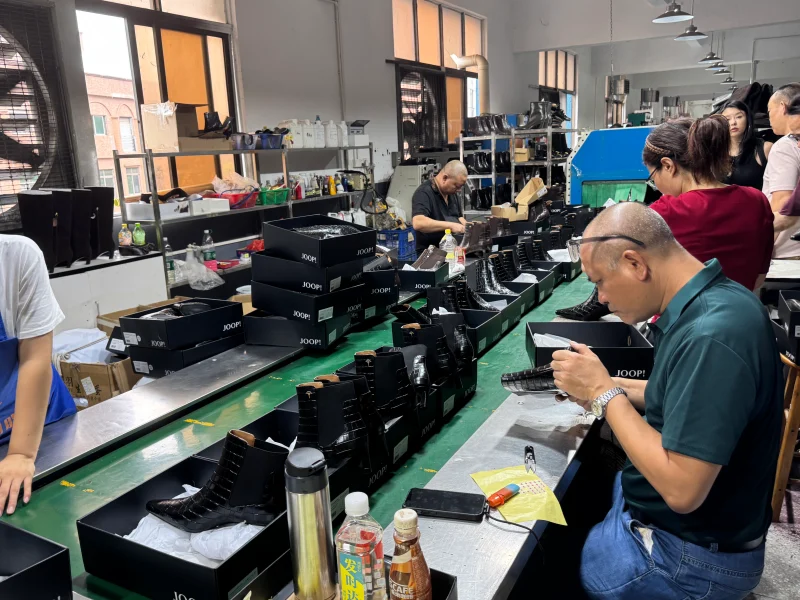
What Product Validation Actually Covers
Our Stage 01 — Product Validation — splits into two workstreams, both built for sketch-stage founders:
A. Product-Market Fit
- Positioning — who is this for, and why now?
- Materials & cost direction — what's feasible at your price tier
- Target-market fit — does the design match where you'll sell (DTC, boutique, wholesale)?
B. Feasibility and Risk
- Material risk — availability, lead time, substitution options
- Construction risk — can the structure hold up; what changes are needed
- Comfort & durability — will it wear the way your customer expects
- Cost & production risk — where margin leaks hide
The deliverable is a pre-sampling checklist and a clear go / adjust / hold recommendation — so you never walk into sampling blind.
Get a FREE Collection Feasibility Review
This is exactly the free product validation for shoe brands described above — turned into a deliverable you can hold. Send us your sketch or reference and get back a feasibility read across four areas: an achievable first-order cost range, material advice, and a clear go / adjust / hold recommendation. No tech pack required, no commitment.
Audience-to-Product Review
Confirm your design matches your target buyer and price tier before you commit to a sample.
Read the guide →
|
Pre-Sale Sample Plan
Get a realistic first-run quantity and testing plan sized to real demand, not guesswork.
Read the guide →
|
||||
Cost & Production Planning
See your landed cost range and where margin risk hides before bulk production.
Read the guide →
|
Brand-Ready Collection Assets
Turn a validated concept into a cohesive, sales-ready collection — not a one-off sample.
Read the guide →
|
| Get a FREE Collection Feasibility Review | Design check · first-order cost range · material advice · no commitment |
How We Validate Your Sketch (The Sketch-to-Product Path)
Because you're at the sketch-to-product stage, validation is hands-on and visual, not a paperwork wall:
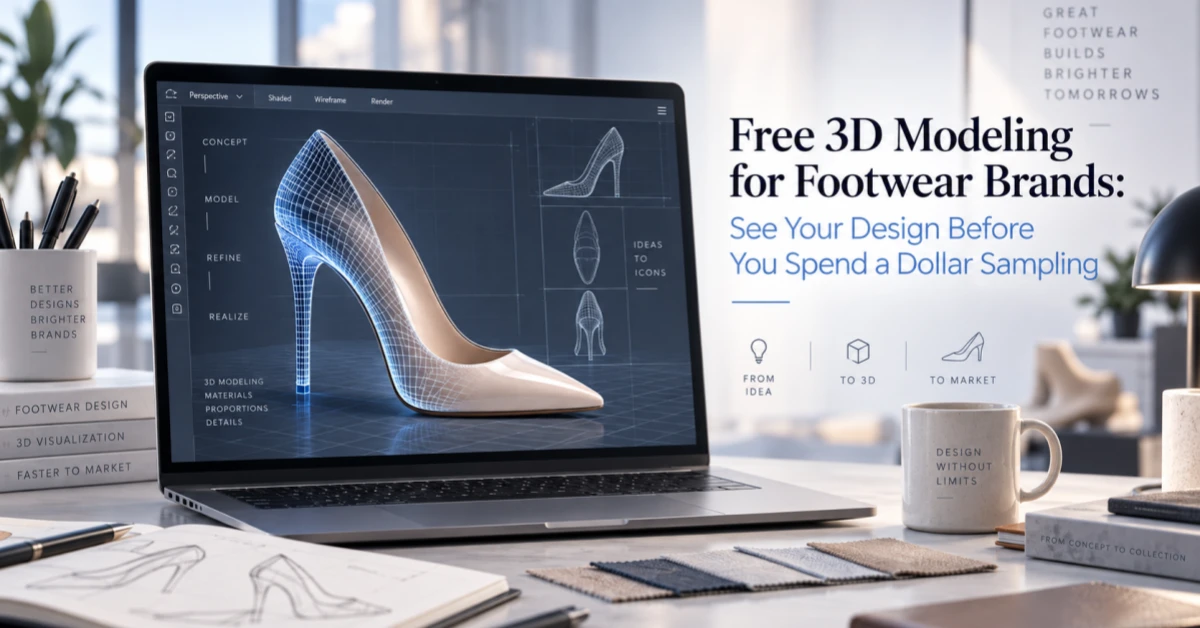
- 3D Rapid Modeling Preview — Turn your early idea into a fast 3D preview to confirm proportions, preview materials and colorways, and catch construction risks before cutting anything. You see the shoe clearly before bringing it to life.
- Material Feasibility Review — We clarify materials, structure, components, and cost inputs against your sketch and references, so the dream meets reality early.
- Technical Planning First — We identify development risks and practical solutions, define sizes, colors, components, and approvals, and set sample milestones with risk limits.
This is why we say: technical planning first, sampling second. It's the difference between guessing and knowing.
The Four Questions, Answered With You
Recall the four questions from the top. Here is how validation answers each for a sketch-stage founder:
- "Can the investment be validated first?" → Yes. We check design, cost, and manufacturing feasibility upfront, so you invest in a sample only when the direction is sound.
- "Can the design vision become a real product?" → Yes, when structure and craft are planned to preserve your language — documented, not left to chance.
- "Can the first-order strategy prove viability?" → We model demand, cost, and pricing so your first order has a margin story, not a hope.
- "Can supply capability become a brand moat?" → Validation sets up consistent materials, quality, and timing — the foundation reorders and range expansion are built on.
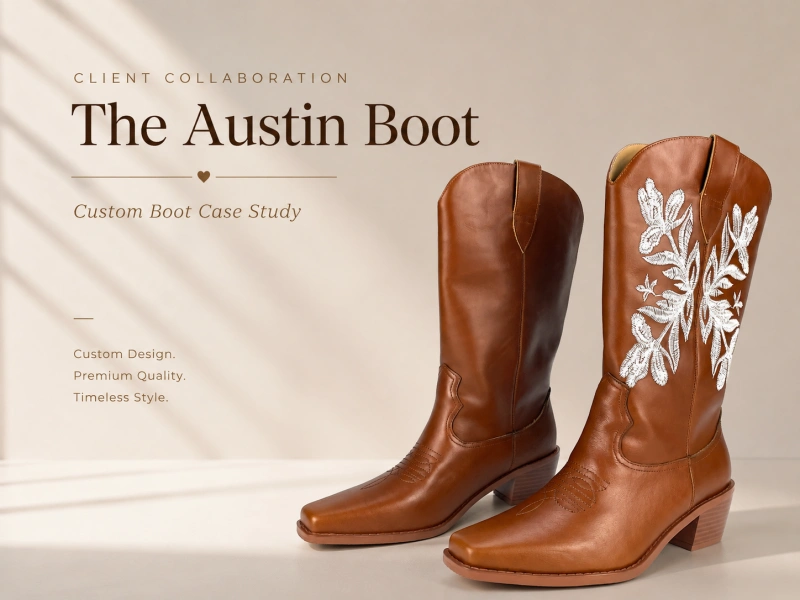
A Real Example: From 300 to 5,000 Pairs
One boot brand came to us at exactly your stage — a sketch, a reference, a conviction. We didn't rush to sample. We validated: confirmed the construction could hit their price point, flagged a material that would have blown the margin, and set a first run of ~300 pairs built around real demand signals.
Because the foundation was validated, not guessed, the client grew from approximately 300 to 5,000 pairs, turning a validated concept into scalable, repeatable production. Validation didn't guarantee success — but it removed the avoidable failures that sink most first runs.
What Validation Does Not Do (Managing Expectations)
We'll be straight with you, because trust is the point:
- Validation is not a sales guarantee. It de-risks the product; marketing still sells it.
- Validation is not instant. A real review takes days, not minutes — because real answers take thought.
- Validation is not a substitute for your taste. We protect your vision; we don't replace it.
What it is: the cheapest insurance you can buy before spending on samples and production.
Your Pre-Sampling Checklist (Steal This)
Before you pay for a single sample, you should be able to answer:
- Who is this shoe for, and where will they buy it?
- What is the target retail price, and does the math work?
- Are my key materials available at my cost tier?
- Has someone reviewed the construction for real-world feasibility?
- Do I have a 3D or visual confirmation of the silhouette?
- What are the top 3 risks, and their fixes?
- What is my first-order quantity and size ratio?
- What is my landed cost (ex-factory + freight)?
- Have I documented my design language so it can't drift?
- Do I have a go / adjust / hold recommendation?
If you can't check most of these, that's not failure — that's the signal to validate before you sample.
Conclusion: Validate Before You Sample
Product validation for a footwear brand is the unglamorous, high-leverage step that turns "I have a sketch" into "I have a plan." For sketch-stage founders — the designers, the creators, the first-time brand builders — it is the difference between betting your budget on a hope and investing it on a reviewed, de-risked direction.
You don't need to arrive with a perfect tech pack. You need to arrive with a sketch and the willingness to test it honestly. That's what we're here for: as your footwear and bag development partner, we help you validate before you sample, sample transparently when the direction is right, and build toward a first order you can actually stand behind.
Skip the Guesswork — Start With a Free Design Feasibility Check
You don't need a finished tech pack to find out if your idea works. Send your sketch and get a free, no-commitment read on design, cost, and material feasibility before you spend a dollar on sampling.
Get My Free Collection Feasibility Review →
Submit your design for a 3D preview →
Frequently Asked Questions
1. What is product validation for a footwear brand?
It is the pre-sampling step of checking your shoe idea's design, materials, construction, cost, and market fit before you pay for a physical sample. It answers whether the product can be made, tested, and grown — so you invest only when the direction is sound.
2. Do I need a tech pack to start validation?
No. A tech pack is an output of validation, not a prerequisite. At the sketch stage, we start from your drawing and references and build the technical plan — materials, last/pattern direction, components, risks — together with you.
3. How is validation different from sampling?
Sampling produces a physical shoe. Validation happens before that, using review, 3D preview, and feasibility analysis to confirm the direction. Sampling without validation is guessing; validation makes sampling purposeful.
4. How much does product validation cost?
Many development partners (including us) offer validation as part of an entry package or a low-cost technical review, far less than a wasted sample round ($300–$1,500+). The savings from avoiding even one unnecessary revision cycle typically exceed the validation cost many times over.
5. Can you validate my idea if I only have a sketch or reference images?
Yes. That is exactly the "Sketch to Product" stage we support. We use 3D rapid modeling to preview the silhouette, review material feasibility, and plan the technical path — no complete tech pack required.
6. How long does footwear validation take?
Typically a few business days for an initial review, depending on complexity. It is faster and cheaper than discovering a fatal flaw after a sample is produced.
7. Does validation guarantee my shoe will sell?
No honest partner will promise that. Validation de-risks the product — design, cost, feasibility, margin. Market demand still depends on positioning, marketing, and channel. What validation does is ensure you don't fail for avoidable, product-side reasons.
8. What if validation shows my design isn't feasible as drawn?
That is a win, not a loss — you learned it for the price of a review, not a sample run. We propose concrete adjustments and trade-offs so you keep the soul of the design while making it buildable and affordable.
9. Can footwear and bags be validated together?
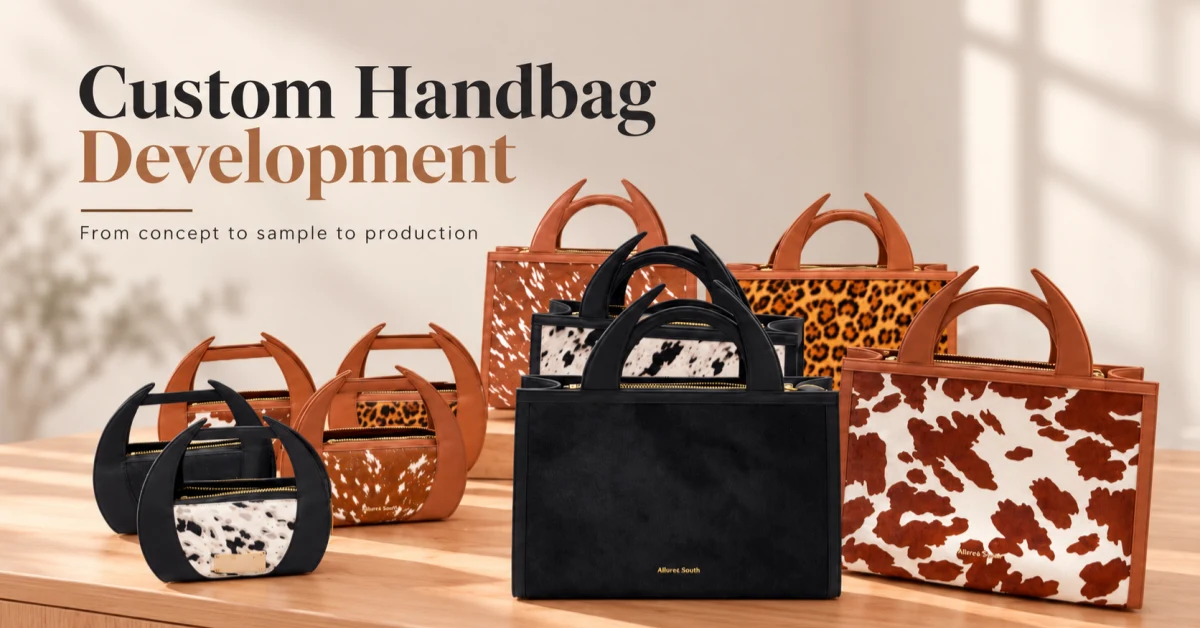
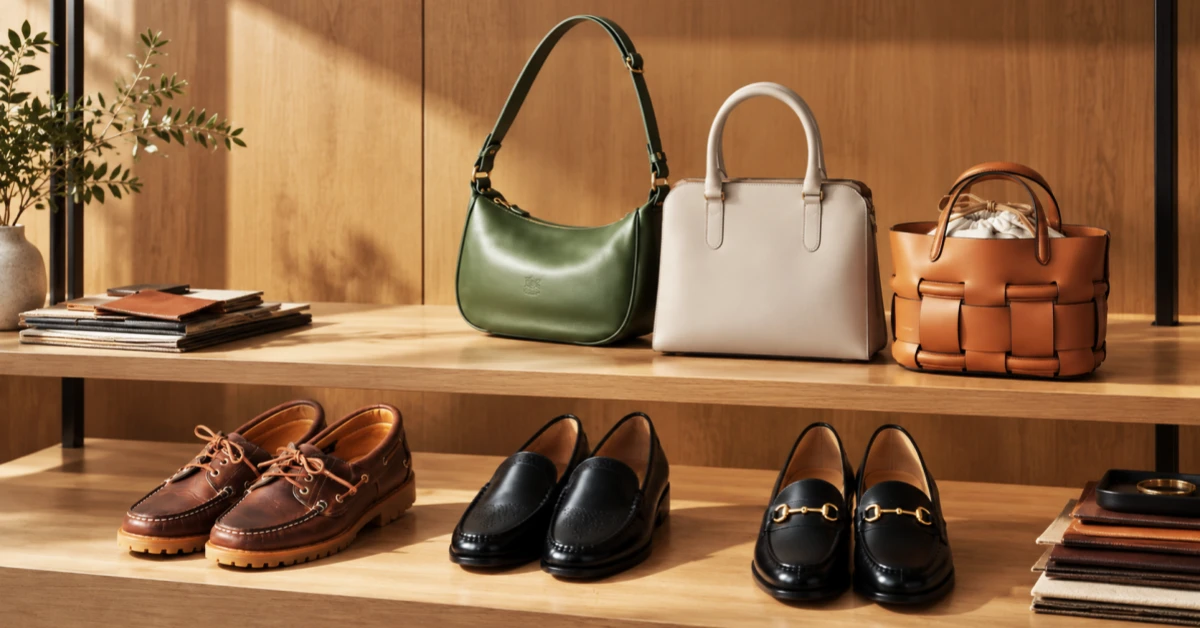
Yes. If you're building a cohesive collection, we validate footwear and bag development through one integrated system — aligned materials, color, hardware, and launch content — so your supply chain stays connected instead of fragmented.
10. What should I prepare before asking a factory to validate my idea?
Bring your sketch or references, a sense of your target customer and price point, and any "must-have" materials or details. The more direction you have, the sharper the validation — but a single clear sketch is enough to start.
XINZIRAIN Disclaimer
The content above is provided by XINZIRAIN for informational purposes. Unauthorized reproduction is prohibited. See our full disclaimer here