
The True Cost of Fashion Product Development: How Brands Protect Margin Before Bulk Production

The True Cost of Fashion Product Development: How Brands Protect Margin Before Bulk Production

blog avatar

Written by

XINZIRAIN

Published
August 28, 2026
  • Design & Development
  • Manufacturing & Supply

Follow us

The True Cost of Fashion Product Development: How Brands Protect Margin Before Bulk Production

A factory quotation tells you what a product may cost to manufacture. It does not tell you what it will cost to turn an idea into a product that fits, functions, looks right, survives production and can be reordered consistently.

For footwear and handbag brands, many of the most expensive mistakes happen before bulk production begins—not on the production line itself.

A shoe can move too far into development before its last is confirmed. A handbag can be patterned before the final hardware dimensions are known. A leather may look right as a swatch but behave differently once it is folded, skived, stitched or lasted. A low-MOQ order may still create too much inventory when it is divided across too many colors, sizes and styles.

The practical question is therefore not simply “How much does the factory charge per unit?”

It is: “What needs to be resolved before this product can be manufactured reliably and profitably?”

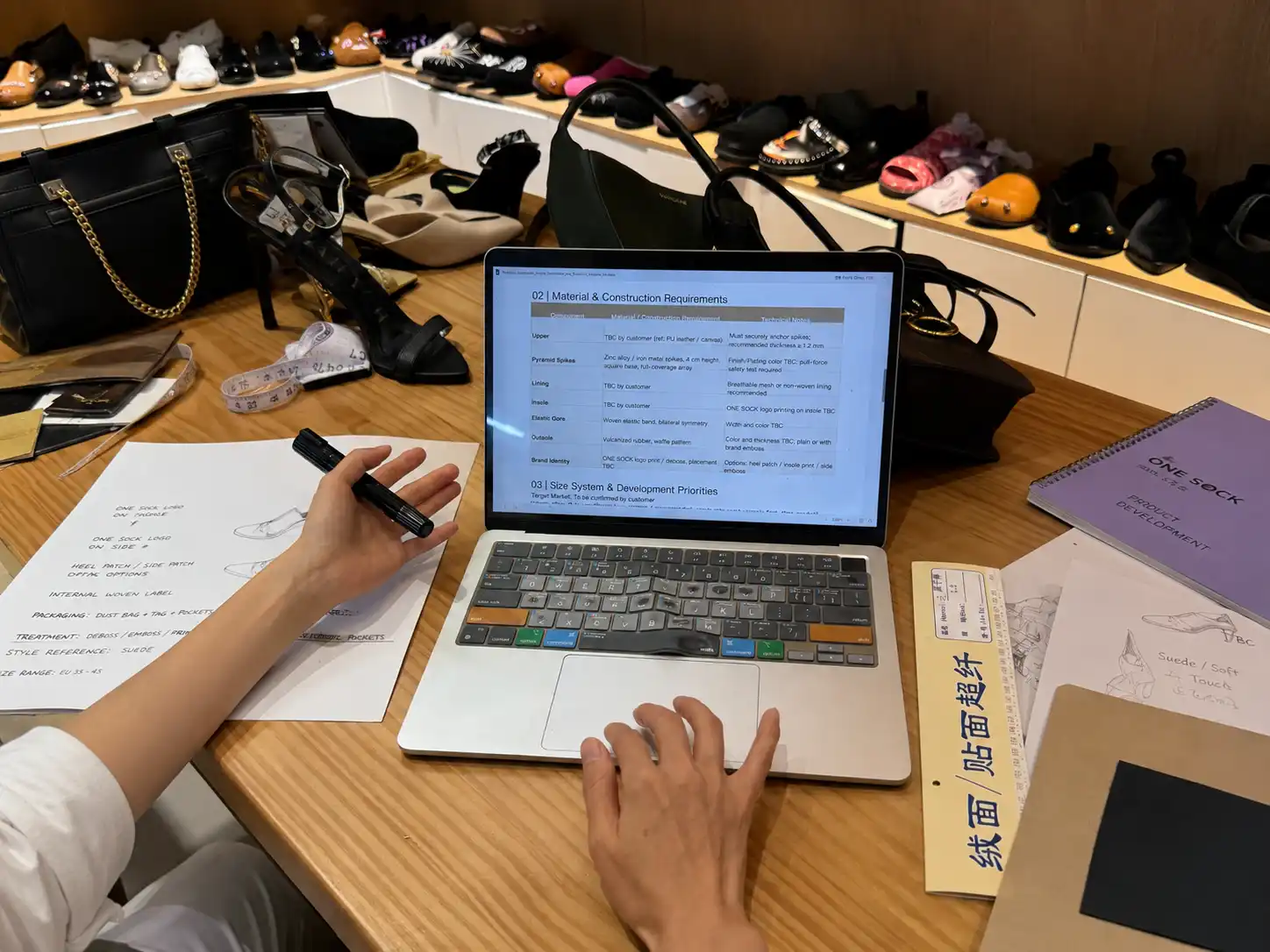
Footwear product development workspace with shoe lasts material swatches design references and custom components
A product becomes production-ready only after its design, materials, structure, components, costing and manufacturing route begin to work as one system.

What Is the True Cost of Fashion Product Development?

Fashion product development cost is the total cost of converting a creative idea into a product that can be manufactured repeatedly at an acceptable quality, cost and production volume.

It is broader than a sample fee and broader than the final factory unit quotation.

For footwear and handbags, development cost can be created by tooling, lasts, molds, materials, hardware, patterns, prototypes, revision rounds, testing, minimum material purchases, production preparation and inventory structure.

The most important commercial principle is simple: a design decision normally becomes more expensive to change as the project moves closer to bulk production.

01 Development

Turning a sketch or concept into workable specifications.

02 Components

Materials, soles, hardware, trims, molds and packaging.

03 Revision

Time and cost created when an earlier decision must change.

04 Production

The cost of reproducing the approved construction consistently.

05 Commercial

Inventory imbalance, launch delay and difficult repeat orders.

Why the Factory Quote Is Not the True Product Cost

When brands compare manufacturers, the first number they often see is the unit quotation.

Factory A quotes one price.Factory B comes back slightly lower. On a spreadsheet, Factory B appears to be the cheaper decision.

But a quotation reflects the product as it is currently understood. It cannot price decisions that have not yet been resolved.

If the last changes after the sole has been selected, if a leather creates unexpected folding or finishing problems, if custom hardware requires another mold, or if the approved prototype relies on a technique that is difficult to reproduce in production, the original quotation is no longer the full cost picture.

The Same Change Has a Different Cost at a Different Stage

Changing a leather color while reviewing swatches may require little more than another material comparison.

Changing that same color after production material has been ordered can create unused stock, another material minimum and a schedule change.

Likewise, adjusting a handbag strap width on a drawing is relatively simple. Doing it after the buckle dimensions, reinforcement, cutting patterns and stitching positions have been confirmed affects several connected components.

Footwear follows the same logic.Changing a toe shape before the last and upper pattern are finalized is very different from changing it after the last, pattern and bottom construction have already been developed around the original proportion.

Good product development does not eliminate change.

It moves important decisions earlier, while the brand still has room to change direction without reopening several completed stages.

Unit Price Is Only One Layer of Margin

Cost Layer Typical Trigger Commercial Effect
Sampling Unresolved fit, material or structure Additional prototypes and development time
Tooling Custom sole, heel, mold or hardware Upfront development investment
Materials Thickness, finish, color or material MOQ Higher purchase cost or unused material
Production Difficult-to-repeat construction Lower efficiency, rework or variation
Inventory Too many styles, colors or sizes Capital becomes fragmented across SKUs
Timing Late revisions or unresolved components Sampling and launch schedules move later

The more useful sourcing question is therefore not: “Which manufacturer quoted the lowest number?”

A stronger question is:

“Which development route gives us the best chance of reproducing the approved product at the required quality, cost and timing?”

Where Fashion Product Development Costs Accumulate

Development overruns are rarely caused by one dramatic problem. More often, cost accumulates through a series of small unresolved decisions.

A material is selected before its production behavior is understood.A logo plate changes after a handbag pattern is complete. A shoe upper is repeatedly modified when the actual fit issue is coming from the last. Packaging dimensions are confirmed before the product dimensions are stable.

Each problem appears small on its own. The cost comes from the fact that product decisions are connected.

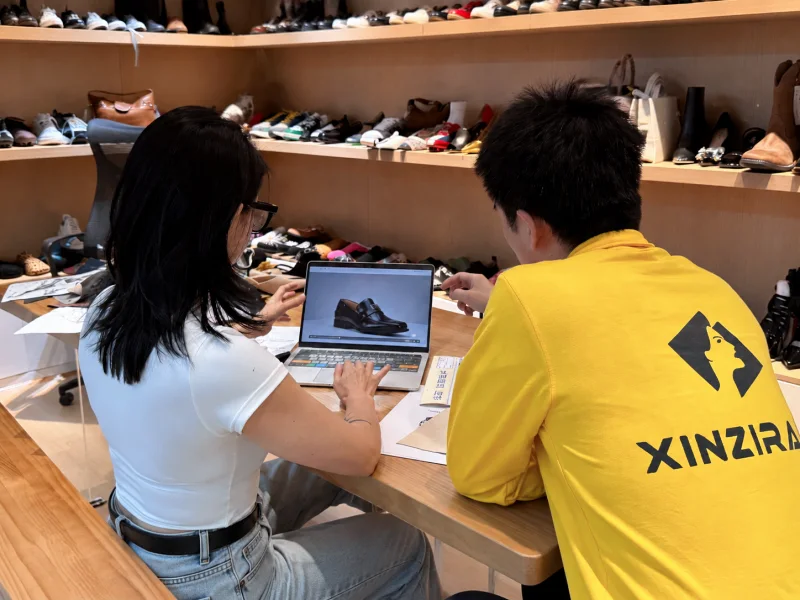
Footwear product development team reviewing shoe designs materials components and construction details
Early product reviews are most valuable when design, material, construction and commercial requirements are discussed before repeated physical sampling begins.

1. Product Definition

A sketch can define creative direction without defining a manufacturable product.

Before physical development goes too far, the product team should know:

  • Which dimensions and proportions are fixed?
  • Which areas are still open to engineering changes?
  • What material family is required?
  • What is the intended market and use scenario?
  • What is the expected production quantity?
  • What is the intended selling-price position?
  • Which details carry the product's identity and cannot be simplified?

When these questions remain unanswered, the sample room has to make assumptions. Every assumption becomes another possible revision later.

2. Material Decisions

Material choice affects much more than appearance.

Two leathers with a similar color can behave differently when they are skived, folded, stitched, lasted, reinforced or edge finished.

In footwear, upper material can affect stretch, fit, crease behavior, lasting and shape retention.

In handbags, material thickness and temper influence structure, reinforcement, seam bulk, edge finishing and finished weight.

The right question is not only: “Does this material look right?”

It is also: “Does this material behave correctly in this specific construction?”

3. Components and Tooling

Some designs can use established components. Others depend on custom development.

Footwear may require custom lasts, heels, outsole molds, ornaments or buckles.

Handbags may require custom locks, logo plates, buckles, rings, zipper pulls or structural hardware.

These decisions can create valuable product differentiation, but they may also introduce tooling investment, component minimums and additional lead time.

The issue is not whether customization is good or bad. The issue is whether its commercial consequences are understood before the rest of the collection is built around it.

4. Sample Revisions

Sampling itself is not wasted cost. A physical product has to be evaluated physically.

The waste appears when the team cannot explain what a particular sample is intended to validate.

If silhouette, fit, material, sole, hardware, color, branding and construction are all changing in one round, the sample is testing too many variables at once.

5. Time

Development time rarely appears as a line item on the factory quotation, yet it has commercial value.

Repeated revisions can affect campaign photography, sales presentations, preorders, wholesale appointments, shipping windows and seasonal launches.

For some brands, several lost weeks cost more than the development expense that could have resolved a technical question earlier.

Footwear Development Before Production

Footwear is difficult to develop because the product has to satisfy visual, structural and fit requirements at the same time.

A shoe is built around a three-dimensional form. Its appearance and performance depend on the relationship between the last, upper, sole, heel, internal structure and materials.

A good drawing can show what the product should look like. It cannot confirm that all of those parts will work together.

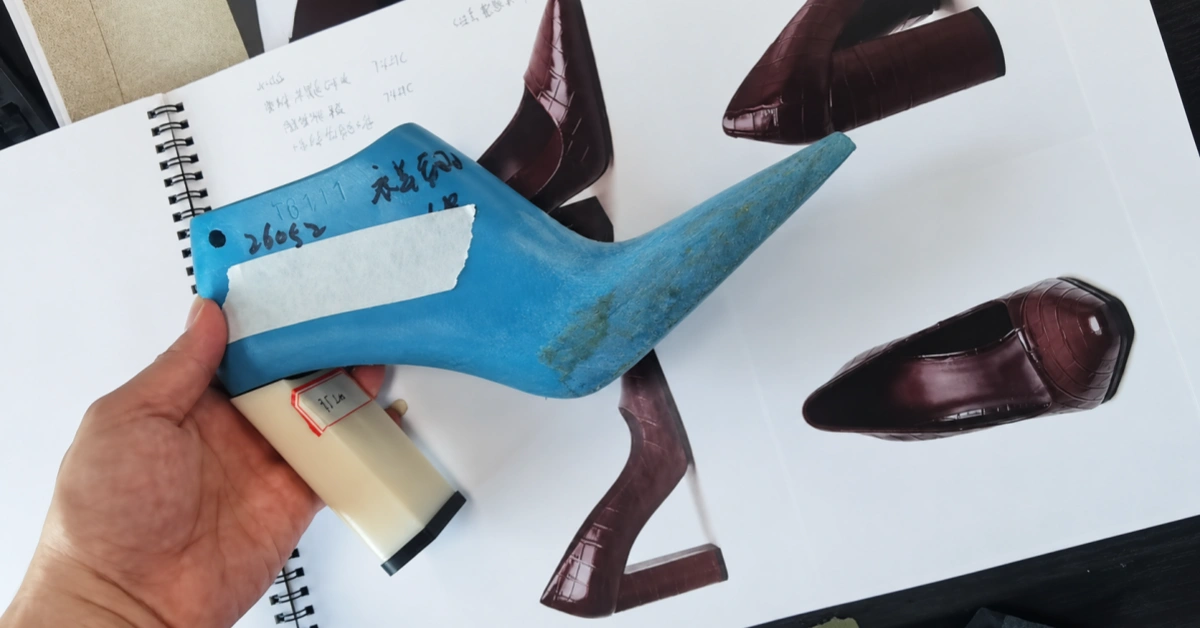
Different shoe lasts used during footwear last and fit development
The last establishes much of a shoe's internal volume, toe shape, stance and overall proportion, making it one of the earliest technical decisions to validate.

Start With the Last, Not the Decoration

The shoe last establishes the volume around which the upper is built.

It influences toe shape, forefoot width, instep volume, heel fit and overall balance.

If the last is wrong, repeated upper-pattern changes may never solve the underlying fit or proportion problem.

The Sole Must Work With the Last

The outsole and heel cannot be treated as isolated visual parts. Their geometry must match the last and intended construction.

For heeled footwear, pitch, heel position and bottom balance can affect wear as well as appearance.

For loafers, dress shoes, sandals, casual footwear or sneakers, last-to-sole compatibility still influences fit, proportion and production feasibility.

Upper Patterns Translate a Drawing Into Construction

The pattern determines how flat material becomes a three-dimensional upper.

Seam placement, topline shape, lasting allowance, panel geometry, reinforcement and material thickness all influence the finished product.

The purpose of pattern development is not to reproduce a sketch mechanically. It is to preserve the visual intention while building a construction that can actually be manufactured.

Fit Approval and Visual Approval Are Separate Decisions

A shoe can look correct but fit poorly. It can also fit acceptably while the proportions do not match the intended product.

A footwear review may therefore include:

  • Toe shape and proportion
  • Heel hold
  • Instep volume
  • Forefoot width
  • Shoe balance
  • Upper tension
  • Bottom alignment
  • Material behavior
  • Construction quality
  • Weight and comfort expectations

A Practical Footwear Locking Sequence

  1. Last and fit direction
  2. Bottom construction and major tooling
  3. Upper pattern and structural details
  4. Main upper and lining materials
  5. Color and finishing
  6. Branding and decorative components
  7. Packaging and production specifications

Where one decision depends on another, lock the structural decision first.

For a deeper technical overview, see the HERRAINS footwear product development process or review our custom shoe manufacturing services .

Handbag Development Before Production

Handbags present a different engineering problem.

Instead of fitting around the foot, the product has to control structure, load, pattern geometry, reinforcement, hardware and finishing while maintaining the intended silhouette.

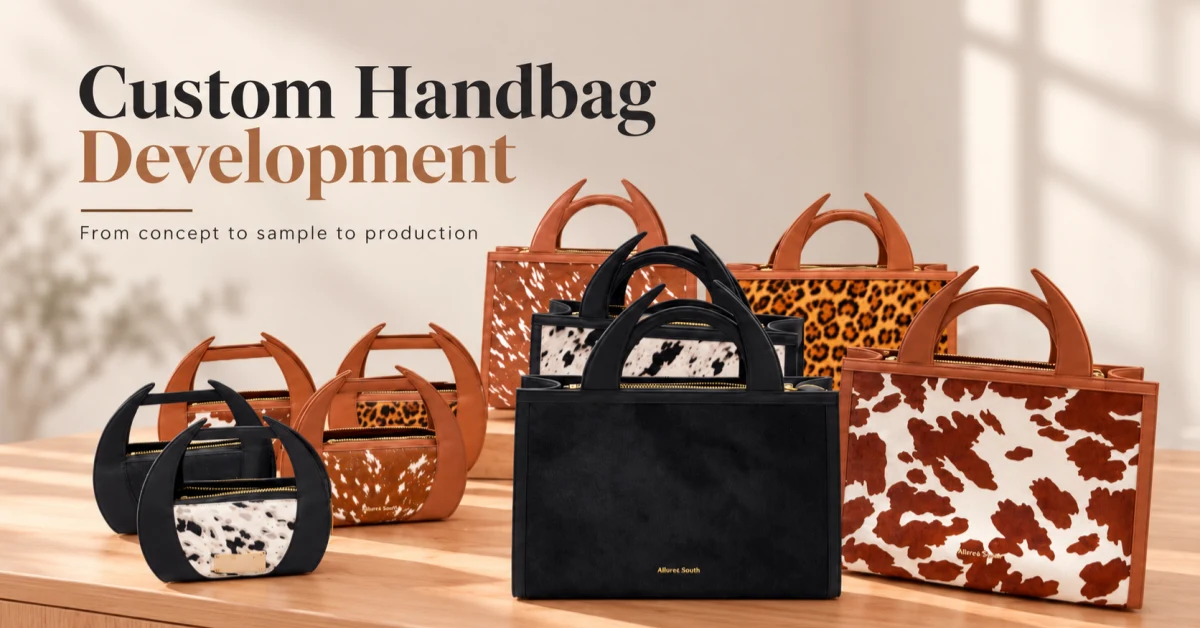
Handbag design development drawing surrounded by material color and construction references
Handbag development begins by translating the visual concept into dimensions, pattern logic, material choices, reinforcement and hardware requirements.

Structure Begins Inside the Bag

Two handbags made from similar exterior leather can behave very differently depending on the reinforcement underneath.

Board, foam, interlining and backing materials help determine whether a bag feels soft, semi-structured or highly architectural.

Too little reinforcement can cause a structured bag to collapse. Too much can make a relaxed design unnaturally rigid.

Pattern Geometry Defines the Finished Silhouette

Front panels, gussets, bottom panels and opening construction need to work together.

A relatively small change to gusset width or seam position can change the bag's volume and side profile.

This is particularly important for structured bags, where the front, side and opening shape must stay controlled.

Leather Thickness Changes Construction

A thick leather may provide the intended body but create bulky folded edges or seams.

The developer may need to adjust skiving, reinforcement, turning allowance or edge-finishing methods in specific areas.

That is why the same leather specification cannot automatically be applied to every panel in the same way.

Hardware Is a Structural Component

A buckle, D-ring, lock or handle attachment does more than provide decoration.

It transfers load into the material around it. That area may require different reinforcement, stitching or layer construction.

Changing hardware dimensions late in development can therefore trigger pattern and reinforcement changes as well.

A Practical Handbag Locking Sequence

  1. Dimensions and overall structure
  2. Pattern and opening construction
  3. Main material and reinforcement system
  4. Hardware dimensions and attachment
  5. Interior and lining
  6. Edge finishing and stitching
  7. Branding and packaging

See the HERRAINS custom handbag manufacturing process or explore our custom handbag development and manufacturing capabilities .

The Real Cost of Sample Revisions

Multiple sample rounds are not automatically a sign of poor development. Some decisions simply cannot be confirmed until the product exists physically.

The real problem begins when every sample introduces new questions instead of closing existing ones.

Footwear sample maker working on a prototype during physical shoe sample development
Physical sampling should test defined product decisions. Each round should reduce uncertainty rather than introduce an entirely new design direction.

Each Sample Needs a Job

Consider two development processes.

Process A: the first sample changes the silhouette, the second introduces a different leather, the third changes the outsole, and the fourth changes branding and color. By the fifth version, several major variables are still moving.

Process B: the first prototype confirms proportion and construction. The next version corrects identified fit or structural problems. A later approval sample confirms the final materials, components, branding and finish.

Both projects may use several samples. Only one is systematically reducing uncertainty.

Sample Stage Main Question What Should Be Recorded
Initial Prototype Does the concept work physically? Proportion, fit, structure and major issues
Revision Sample Did the intended change solve the problem? Exact change and resulting difference
Approval Sample Is the final specification acceptable? Materials, dimensions, components and finishing
Production Reference Can this standard be reproduced? Final specifications and production checkpoints

Maintain a Revision Record

A useful revision sheet should state:

  • What was wrong
  • What changed
  • What must stay unchanged
  • Which version is currently approved
  • What the next version is intended to validate

This becomes increasingly important when founders, designers, product developers, material suppliers and factory teams are reviewing the same project from different locations.

MOQ vs. Inventory Risk: Why Lower Quantity Does Not Always Mean Lower Risk

Low MOQ is often treated as a synonym for low risk. Commercially, the relationship is more complicated.

Reducing total units can limit inventory exposure, but it does not automatically create a healthy assortment.

A Footwear Example

Assume a brand develops two styles. Each style launches in three colors. Each color is produced in six sizes.

That creates: 36 individual SKUs.

Even a relatively small production run can now be spread thinly across many combinations.

A popular size sells through immediately. Another remains in stock. One color performs strongly. Another ties up cash.

The commercial problem is not only total inventory. It is inventory fragmentation.

Handbags Have a Similar Problem

Bags usually do not require a footwear size run, but assortment complexity can still grow quickly through:

  • Multiple silhouettes
  • Several leather types
  • Too many launch colors
  • Different hardware finishes
  • Packaging variations

Do not ask only: “What is the lowest MOQ?”

Also ask: “How should our first production quantity be concentrated across the smallest number of commercially meaningful SKUs?”

Review MOQ Together With:

  • Total production quantity
  • Number of styles
  • Number of colors
  • Size distribution
  • Material minimums
  • Available working capital
  • Evidence of demand

How to Validate Demand Before Bulk Production

Product development answers: Can this product be made correctly?

Market validation answers: Do we have enough evidence to justify producing it?

Both questions matter.

Not Every Signal Has the Same Commercial Weight

A social-media like shows attention.

An email signup requires slightly more intent.

A product-specific waitlist gives the brand stronger information.

A preorder or deposit gives stronger evidence again because a customer is prepared to make a financial commitment.

Depending on the business model, useful signals can include:

  • Waitlists
  • Preorders
  • Deposits
  • Price testing
  • Customer interviews
  • Retailer feedback
  • Sample testing
  • Performance of similar existing styles
  • Response from an established audience

No validation method guarantees sales.The objective is simply to replace part of the guesswork with better evidence before the brand commits more capital.

Validation Should Change Decisions

If one color repeatedly generates stronger buying intent, production allocation can reflect that.

If users consistently identify the same functional problem, the design can be adjusted before the order is locked.
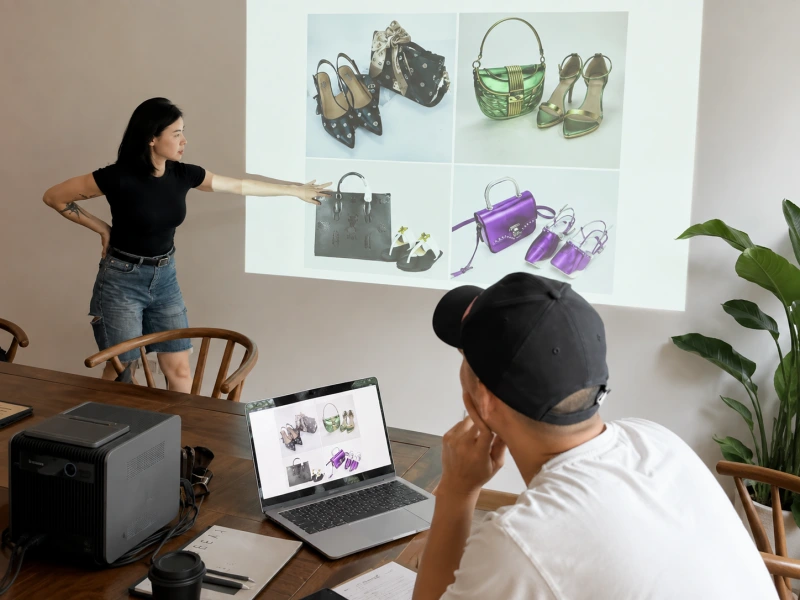
If customers reject the intended selling price, reducing the factory quote by a small amount may not solve the underlying positioning issue.

Useful validation changes the launch plan. It should not simply confirm a decision the brand has already made.

How to Maintain Sample-to-Bulk Consistency

One of the most dangerous assumptions in fashion manufacturing is:

“The sample looks right, so bulk production will automatically look right.”

The approved sample is only the reference point. Production still needs a controlled method for repeating it.

Footwear production worker inspecting and finishing a shoe during quality-controlled manufacturing
Sample-to-bulk consistency requires production checkpoints, documented materials and construction standards—not only a final inspection.

Turn the Approved Sample Into Production Information

Production should not depend on what somebody remembers from a chat or sample meeting several weeks earlier.

The reference system may include:

  • Technical specifications
  • Bill of Materials (BOM)
  • Approved material references
  • Color standards
  • Component dimensions
  • Construction requirements
  • Stitching requirements
  • Branding positions
  • Acceptable tolerances
  • Packaging requirements
  • An approved physical sample

A Prototype Technique May Not Be a Production Technique

A skilled sample maker can sometimes achieve an attractive result through careful manual correction.

The production team has a different challenge: the result needs to be repeated consistently across many units.

The question before production should therefore be:

Can a trained production team repeat this construction within an agreed tolerance without repeatedly improvising?

Quality Control Starts Before Final Inspection

Final inspection is important, but it is late.

A stronger production-control system checks critical points while correction is still practical.

  1. Incoming material verification
  2. Color and component checks
  3. Early production review
  4. In-process quality checks
  5. Finished product inspection
  6. Packaging verification

Consistency Does Not Mean Zero Natural Variation

With natural materials such as leather, some variation is inherent.

Brands should distinguish between:

  • Critical characteristics that cannot change
  • Manufacturing tolerances that permit controlled variation
  • Natural material characteristics that were understood when the material was approved

This is more useful than simply writing “perfect quality” on an inspection requirement.

Pre-Production Risk Checklist: What Should Be Locked Before Bulk Manufacturing?

Bulk production should begin because the major product decisions have been controlled—not simply because the latest sample looks attractive.

Gate 1: Product Definition

  • Is the final design approved?
  • Are dimensions confirmed?
  • Are footwear fit requirements approved?
  • Is the handbag structure approved?
  • Are branding positions fixed?

Gate 2: Materials and Components

  • Are main materials approved?
  • Are colors and finishes approved?
  • Are lining and reinforcement materials confirmed?
  • Are soles, heels and lasts confirmed where required?
  • Is hardware approved?
  • Are substitutions controlled?

Gate 3: Construction

  • Is the construction method fixed?
  • Are pattern revisions complete?
  • Are important stitching details documented?
  • Are critical reinforcement points defined?
  • Can important operations be repeated reliably?

Gate 4: Commercial Planning

  • Does the approved product still fit the target cost direction?
  • Has the SKU structure been reviewed?
  • Is the first-order quantity commercially realistic?
  • Have material and component minimums been considered?
  • Is packaging included?

Gate 5: Production and Quality

  • Is there an approved production reference?
  • Are critical tolerances defined?
  • Are QC checkpoints identified?
  • Is the final inspection method agreed?
  • Are labeling and packaging requirements confirmed?

If several of these questions remain unanswered, the next step may not be another sample.

The project might instead need a material confirmation, technical-document update, cost review, component approval or clearer production instruction.

Which Development Costs Are Necessary—and Which Are Avoidable?

Protecting margin does not mean eliminating product development spending.

A custom outsole may genuinely need tooling. A proprietary handbag lock may genuinely require a mold. A shoe may need another fit sample. A new leather construction may need another technical test.

These expenses can be commercially useful if they answer an important question.

Useful Development Spending Answers:

  • Does the structure work?
  • Does the footwear fit correctly?
  • Does the material behave as required?
  • Can the custom component be produced consistently?
  • Can the approved appearance be repeated?
  • Can the product still meet the target cost?

Avoidable Development Spending Often Comes From:

  • Changing handbag hardware after its structure and patterns are complete
  • Changing a shoe last after the upper and bottom have already been developed
  • Ordering another sample because previous revisions were poorly documented
  • Developing several colorways before the core product is approved
  • Expanding the collection before the first product direction has been commercially validated

The best cost-control strategy is not to spend as little as possible.

It is to spend development money on decisions that reduce uncertainty before those decisions become expensive to change.

How HERRAINS Approaches Fashion Product Development

HERRAINS treats product development as the bridge between creative intent and repeatable manufacturing.

The goal is not simply to produce one visually successful prototype.

A commercially useful product has to connect:

design + materials + construction + cost + production + quality.

VALIDATE → DEVELOP → SAMPLE → COST → PRODUCE → QUALITY CONTROL → SCALE

Validate

Review the product concept before physical development goes too far. Identify questions around fit, structure, materials, construction and commercial feasibility early.

Develop

Translate sketches, references or technical information into workable product specifications and construction direction.

Sample

Use physical prototypes to test the questions that cannot be confirmed on paper: fit, proportion, structure, material behavior and finishing.

Cost

Review the cost of the product that has actually been developed, rather than continuing to rely on a quotation based on an earlier concept.

Produce

Turn approved sample decisions into production references, documents and checkpoints that can be repeated.

Quality Control

Check critical materials, components and construction details throughout manufacturing—not only after the order has been completed.

Scale

Use information from the first production cycle to improve reorders, size or color allocation, collection extensions and larger manufacturing volumes.

Learn more about the HERRAINS footwear and bag product development system .

The Goal Is Not a Cheaper Sample. It Is a More Predictable Product.

Fashion product development sits between creativity and manufacturing economics.

A design starts as an idea. Production requires that idea to become a series of controlled decisions.

Materials need to be defined. Construction needs to work. Components need to be available.Fit or structure needs to be approved. Cost needs to remain commercially realistic. Quality needs to be repeatable.

Leaving those decisions unresolved does not eliminate them. It moves them later into the project, where changes usually affect more work and more money.

Reduce uncertainty before increasing commitment.

Validate before overbuilding the collection. Resolve structural questions before polishing secondary details. Give each sample a defined purpose. Freeze the right variables before bulk production.

The product-development goal is therefore not merely to create one attractive sample.

It is to create a product that can maintain its design identity, quality and commercial logic when it moves from prototype to first order, repeat order and larger-scale production.

Planning a New Footwear or Handbag Collection?

If you already have a sketch, reference, existing sample or technical package but are still evaluating materials, construction, MOQ, sampling or first-order planning, HERRAINS can review the project before you commit to bulk production.

Share your:

  • Product category
  • Current design stage
  • Expected quantity
  • Material direction
  • Target market
  • Key development questions

Frequently Asked Questions About Fashion Product Development Costs

What is included in fashion product development cost?

Fashion product development cost can include design translation, pattern development, materials, components, lasts, molds, tooling, prototypes, sample revisions, testing, packaging development and the technical preparation required before bulk production.

How much does it cost to develop a shoe?

There is no single shoe development cost. A style using an existing last and sole normally has a different cost structure from a completely custom shoe requiring new last development, outsole tooling, custom heels or proprietary components.

Why do footwear samples sometimes require several revisions?

Footwear combines last shape, fit, upper patterns, materials, soles and construction. A revision may be required when one of those elements does not work with the others. A structured process reduces unnecessary rounds by giving each sample a defined purpose.

What should a brand check in a handbag sample?

A handbag sample should be reviewed for dimensions, silhouette, structure, reinforcement, material behavior, stitching, edge finishing, hardware, strap or handle attachment, lining, closures and branding.

Does a lower MOQ always reduce inventory risk?

No. A low MOQ can still create inefficient inventory if the quantity is spread across too many styles, colors or sizes. MOQ should be reviewed together with SKU count and expected demand.

How can brands reduce unnecessary sample revisions?

Define what each prototype must validate, lock dependent structural decisions in the right sequence, maintain a revision record and avoid introducing new cosmetic variables while important fit or construction issues remain unresolved.

What is sample-to-bulk consistency?

Sample-to-bulk consistency means reproducing the approved product standard during manufacturing through controlled materials, documented specifications, approved components, production methods, tolerances and quality checkpoints.

When is a footwear or handbag product ready for bulk production?

A product is generally ready when its design, materials, major components, construction, fit or structure, costing direction, approved sample and critical quality requirements have been sufficiently defined for repeatable manufacturing.

XINZIRAIN Disclaimer

The content above is provided by XINZIRAIN for informational purposes. Unauthorized reproduction is prohibited. See our full disclaimer here

Featured Blogs

The True Cost of Fashion Product Development: How Brands Protect Margin Before Bulk Production

The True Cost of Fashion Product Development: How Brands Protect Margin Before Bulk Production

Fashion product development costs extend far beyond a factory’s unit price. For footwear and handbag brands, materials, tooling, sample revisions, construction decisions, MOQ planning and sample-to-bulk consistency can all affect margin before production begins. This guide explains where development costs accumulate, how to reduce avoidable revisions, what should be approved before bulk manufacturing, and how a structured development process helps brands turn product concepts into repeatable, commercially viable products.

Read More
How to Validate a Footwear or Handbag Design Before Sampling

How to Validate a Footwear or Handbag Design Before Sampling

A sketch may show the creative direction, but it does not always show whether a product can be sampled, worn, used or produced consistently. This guide explains what designers and fashion founders should confirm before investing in a first footwear or handbag sample.

Read More
From 300 to 3,000 Pairs: A Practical Footwear Manufacturing Roadmap for Emerging Brands

From 300 to 3,000 Pairs: A Practical Footwear Manufacturing Roadmap for Emerging Brands

This guide explains how emerging footwear brands can move from technical samples to 300-pair market testing and 3,000-pair scalable production through 3D prototyping, small-batch validation, pre-sale planning, quality control, and staged manufacturing decisions.

Read More
From sketches to global retail: A strategic roadmap for working with custom shoe manufacturers

From sketches to global retail: A strategic roadmap for working with custom shoe manufacturers

For emerging luxury brands, the transition from two-dimensional sketches to three-dimensional physical prototypes is often a "valley of death" in brand development. This white paper analyzes why the traditional OEM model fails to effectively support visionary creative designers and outlines a shift towards a technology incubation model. From the biomechanics of heel angles to the legal protection of design intellectual property, we explore how professional custom footwear manufacturers can provide the necessary technological infrastructure to help brands launch high-performance fashion collections with absolute market confidence.

Read More
Why Your Design is Already on AliExpress: The Invisible Risks of Shoe Design Theft and How to Stop Them

Why Your Design is Already on AliExpress: The Invisible Risks of Shoe Design Theft and How to Stop Them

For an independent footwear designer, the original design is the most valuable capital. However, the global footwear supply chain is notorious for "Shadow Leaks"—where original sketches and molds are sold to copycats before the brand even launches. This technical guide provides a forensic analysis of how design theft occurs within factories and offers a professional blueprint for securing your Technical Sovereignty. We explore the necessity of Mandatory Mutual NDAs, the implementation of digital silos, and why physical sample room isolation is the only way to protect private label luxury shoes from market dilution.

Read More
Why 90% of Emerging Shoe Brands Fail: The Invisible Engineering Secrets of Stable Luxury Stilettos

Why 90% of Emerging Shoe Brands Fail: The Invisible Engineering Secrets of Stable Luxury Stilettos

Prototyping is the most treacherous stage for emerging footwear labels, with nearly 90% of designs failing to achieve commercial stability. This technical white paper explores the "invisible architecture" required to master the stiletto silhouette. From the physics of Center of Gravity (COG) alignment to the integration of high-tensile manganese steel shanks and ±0.5mm digital last calibration, we dissect how engineering precision transforms an aesthetic sketch into a safe, high-performance luxury asset. Discover how technical auditing and 3D validation secure your brand’s technical sovereignty in a competitive global market.

Read More