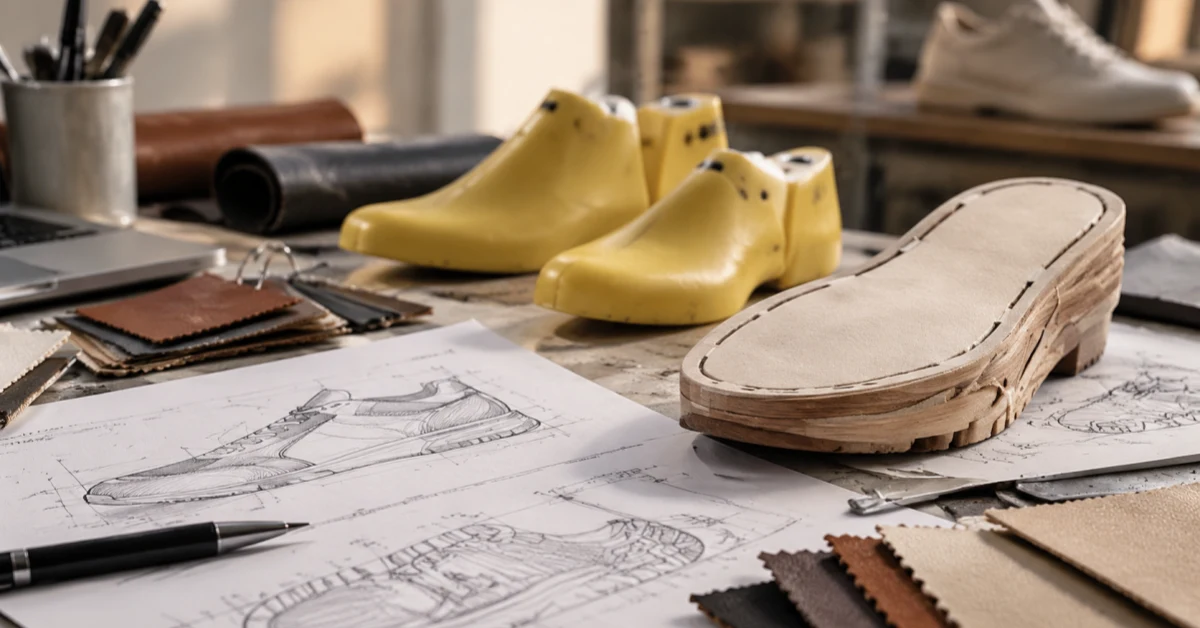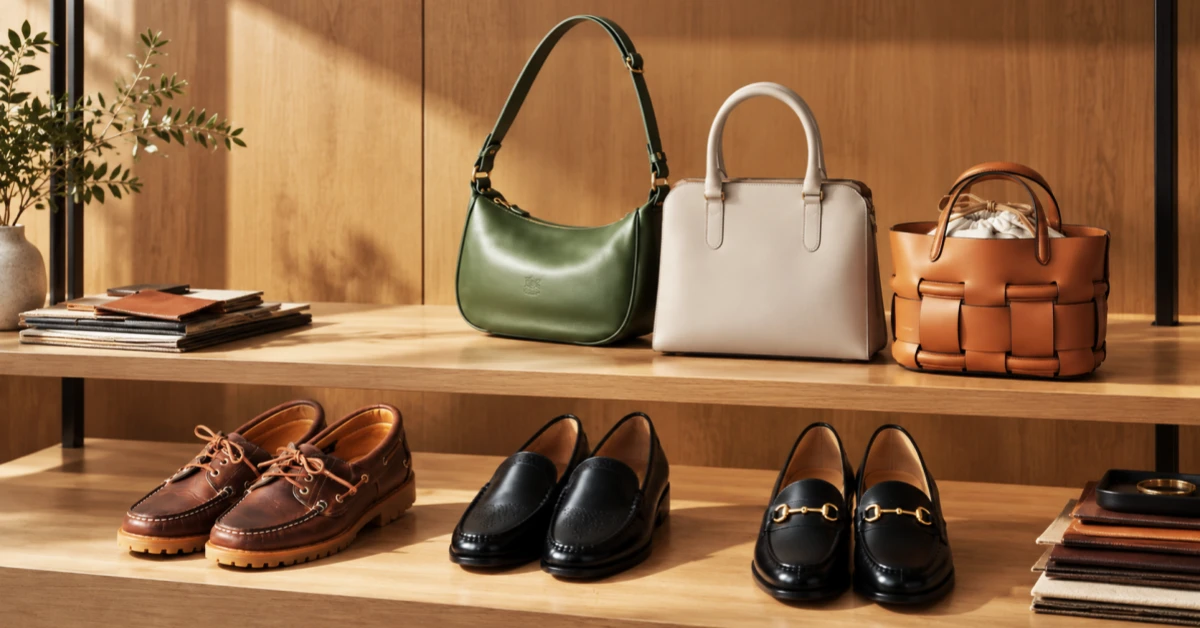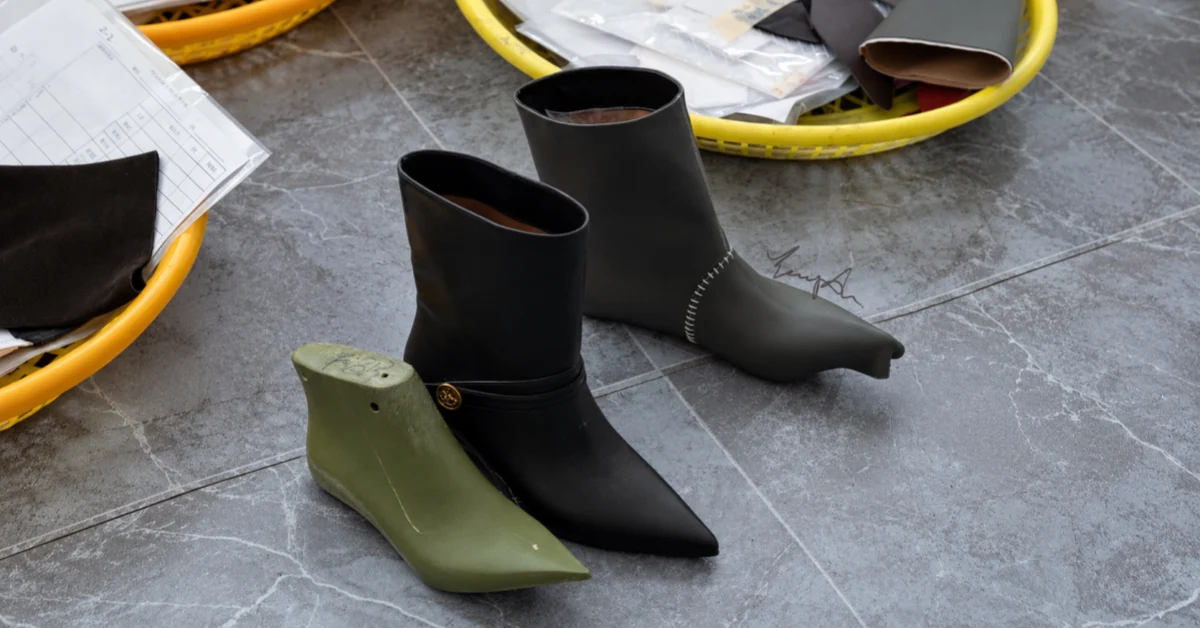

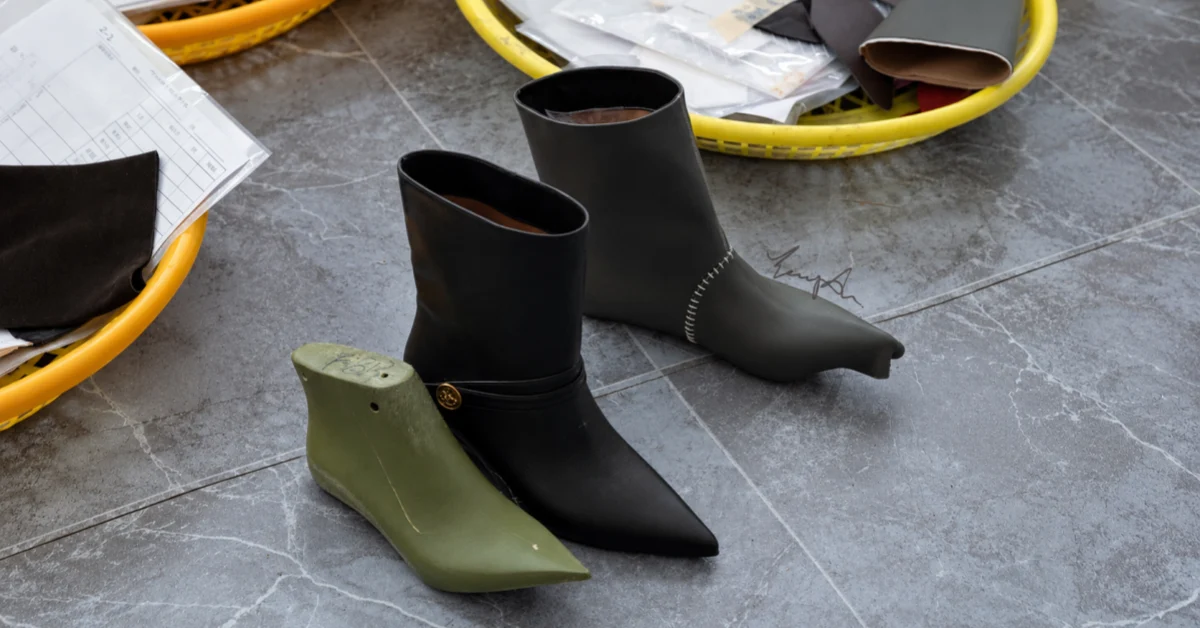
Finding the right factory is often the hardest challenge for an independent footwear designer. Most online directories lump massive industrial plants together with local trading firms, offering little guidance on MOQs, development capability, or IP safety. This guide reorganizes the sourcing landscape to help you find the perfect partner for your brand stage.
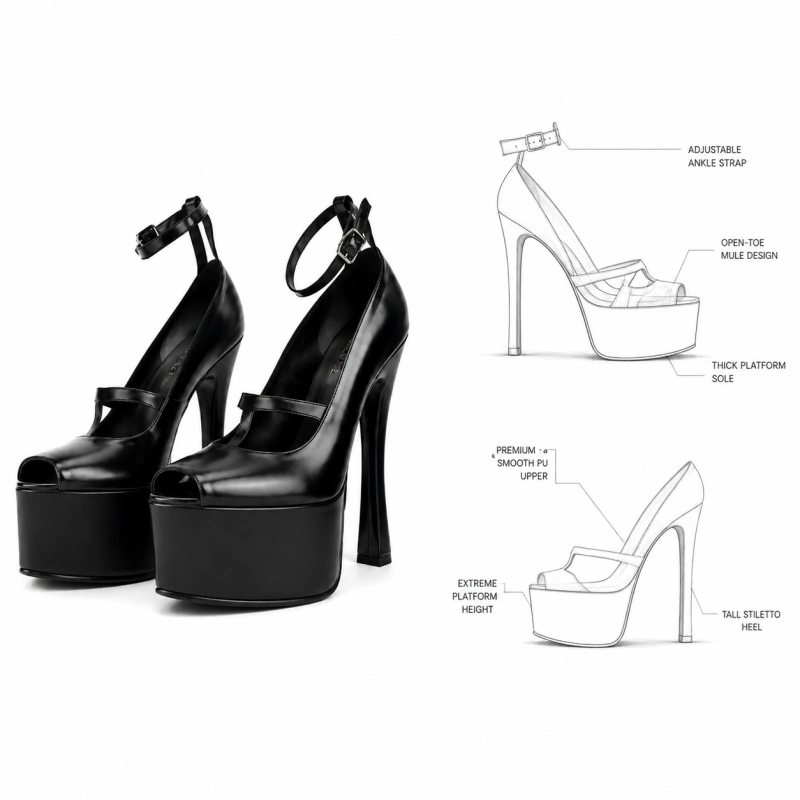
For emerging designers and fashion brand founders, compiling a shoe manufacturers list is typically the first step toward launching a new footwear collection. Seeing your sketches and material boards transform into physical, hand-finished samples is one of the most exciting milestones of your creative journey.
However, the transition from list-building to physical sampling is where many brands stumble. A standard online list rarely distinguishes between giant commodity OEM factories and agile development-driven partners. This lack of differentiation often leads to months of wasted communication, lost capital, and compromised designs.
Why Most Shoe Manufacturers Lists Fail Independent Designer Labels
If you search for a generic shoe manufacturers list on global sourcing directories, you will likely find thousands of factory names. While impressive in sheer scale, these lists fail to address three critical structural barriers that independent designer brands face:
- The Minimum Order Quantity (MOQ) Wall: The vast majority of factories on a standard shoe manufacturers list are high-volume OEMs. They are engineered for mass-market brands, with rigid MOQ requirements starting at 500 to 1,000 pairs per color/style. For a startup brand, committing to this level of inventory before validating market demand represents an extreme financial risk.
- The Development Gap: High-volume factories are built for execution, not iteration. They expect you to provide a complete, technically flawless tech pack, along with pre-sourced lasts and exact material specifications. If you are an independent designer with raw sketches or conceptual drafts, these factories lack the patience, pattern makers, or development workshops to help you refine your designs.
- The Lack of IP Protection: Mass-market shoe suppliers often operate public showrooms and maintain digital catalogs. Without strict, siloed development protocols, your original designs can easily leak to competitive wholesale platforms long before your brand officially launches.
The Structured Shoe Manufacturers List: Categorized by Brand Stage and MOQ
To save your team months of trial-and-error, we have structured the essential shoe manufacturers list into three distinct categories based on their operational models, MOQs, and target clients:
| Category Type | Representative Partner | Typical MOQ | Best Suited For | Pros & Cons |
|---|---|---|---|---|
| Agile Brand Launch Partner | Herrains (Backed by Xinzirain Group) | 100 pairs per style/color | Independent designers, high-end private labels, startup founders. | Pros: Sketch-to-product development, 72-hour 3D prototyping, matching shoe-bag sets, REACH compliance, 100% NDA-protected. Cons: Not suited for low-cost, mass-market commodity shoes. |
| High-Volume Industrial OEM | Traditional Wenzhou/Dongguan Plants | 500+ pairs per style/color | Established retailers, corporate shoe lines, discount brands. | Pros: Low per-unit cost at extreme volumes, massive raw production scale. Cons: Extremely rigid MOQs, requires complete tech packs, slow development turnaround for custom shapes. |
| European Heritage Artisanal Workshop | Italian (Marche) or Spanish Studios | 50-100 pairs per style/color | Established ultra-luxury labels with high retail pricing (+$800). | Pros: Masterful handcrafted finish, historical brand pedigree. Cons: Extremely high sampling and per-unit production costs, longer lead times, highly restricted access. |
Evaluating any Factory on a Shoe Manufacturers List: The 3-Step Technical Audit
When you contact a factory from your shoe manufacturers list, you must look beyond the pricing spreadsheet. A cheap quote on paper often hides high revision costs, structural errors, and poor fit. Use this 3-step technical audit to evaluate any candidate's real capabilities:
Step 1: Last Grading & Fitting Tolerance
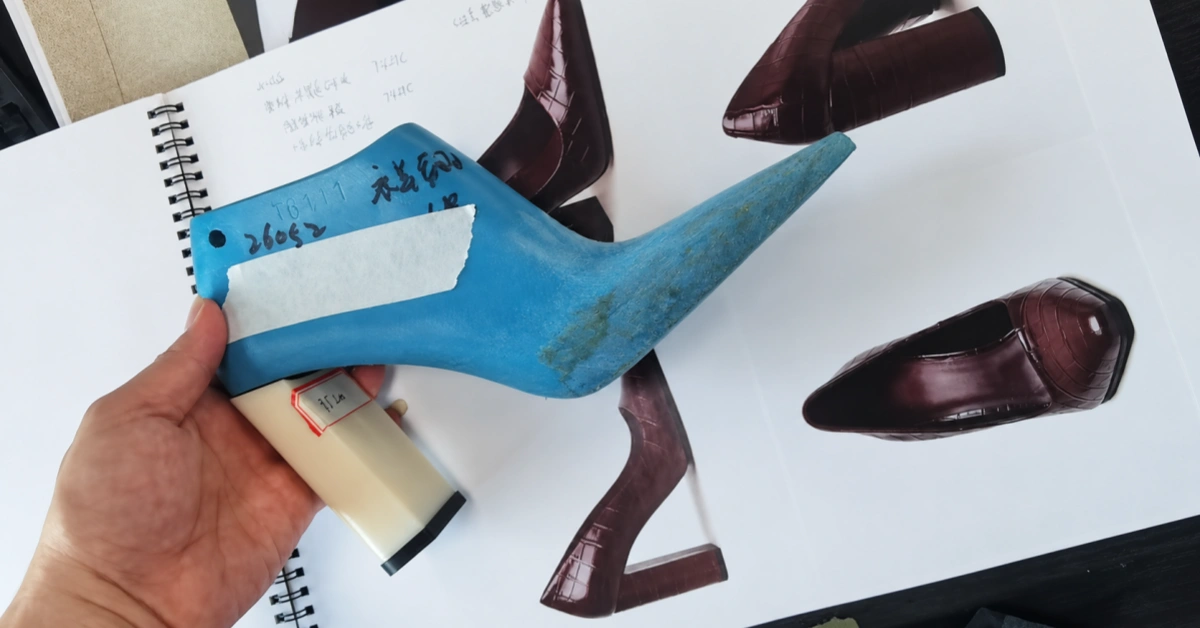
A shoe's shape and comfort depend entirely on the wooden last . Mass-market factories use standard, pre-graded lasts that don't accommodate modern fitting nuances (like wider toe boxes or specific high-instep curves). Ask the manufacturer: "Do you grade lasts in-house, and what is your width tolerance?" A professional custom workshop like Herrains grades lasts individually to ensure perfect proportional scaling across all sizes.
Step 2: Shank Placement & Load-Bearing Engineering
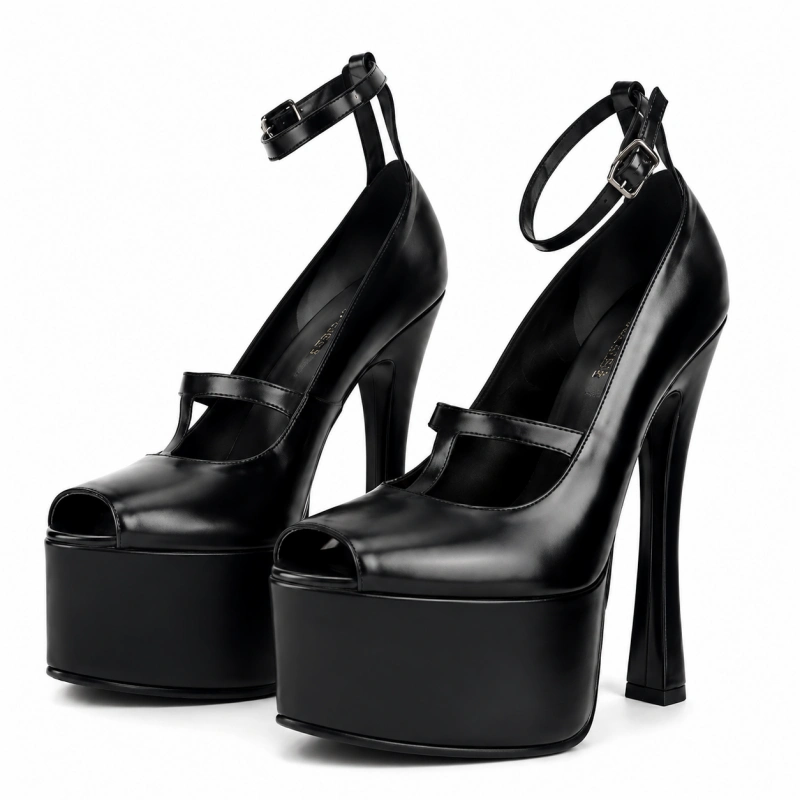
For high heels and platform boots, safety is paramount. The shank —a tempered metal rib inserted between the insole and outsole—carries the wearer's entire weight. Poorly positioned shanks lead to heels bending, shifting, or snapping. A master workshop must perform rigorous vertical torque and flex tests on every batch. Ensure your partner can show documented stress-testing protocols for custom stilettos.
Step 3: Materials Traceability & Chemical Compliance
Entering Western markets (US and Europe) requires strict adherence to environmental regulations (such as REACH or GRS). Using cheap, toxic adhesives or heavy-metal electroplated hardwares can lead to custom border confiscations, massive fines, or brand-damaging chargebacks. Always confirm that your chosen factory sources certified, non-toxic, and traceable raw materials.
How to Use This Shoe Manufacturers List to Secure Your Private Label Partner
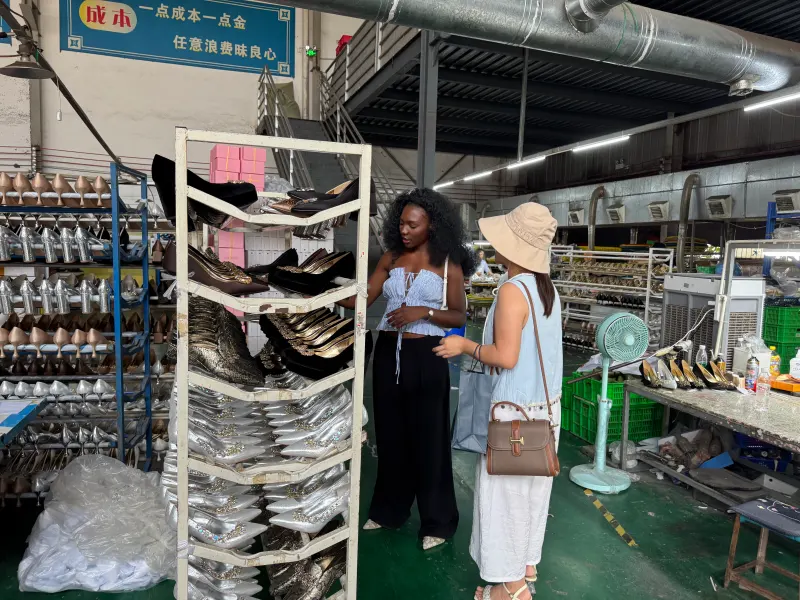
Once you have narrowed down your shoe manufacturers list to a few strong candidates, your next step is to initiate communication professionally. High-end custom factories assess B2B inquiries to filter out casual tire-kickers. To secure a serious development slot, ensure your initial contact contains these critical elements:
- A Clear Brand Profile: Introduce your brand positioning, target market (e.g., European contemporary, Middle Eastern bespoke), and planned retail price points. This helps the factory match your standards with the correct leather grades and construction techniques.
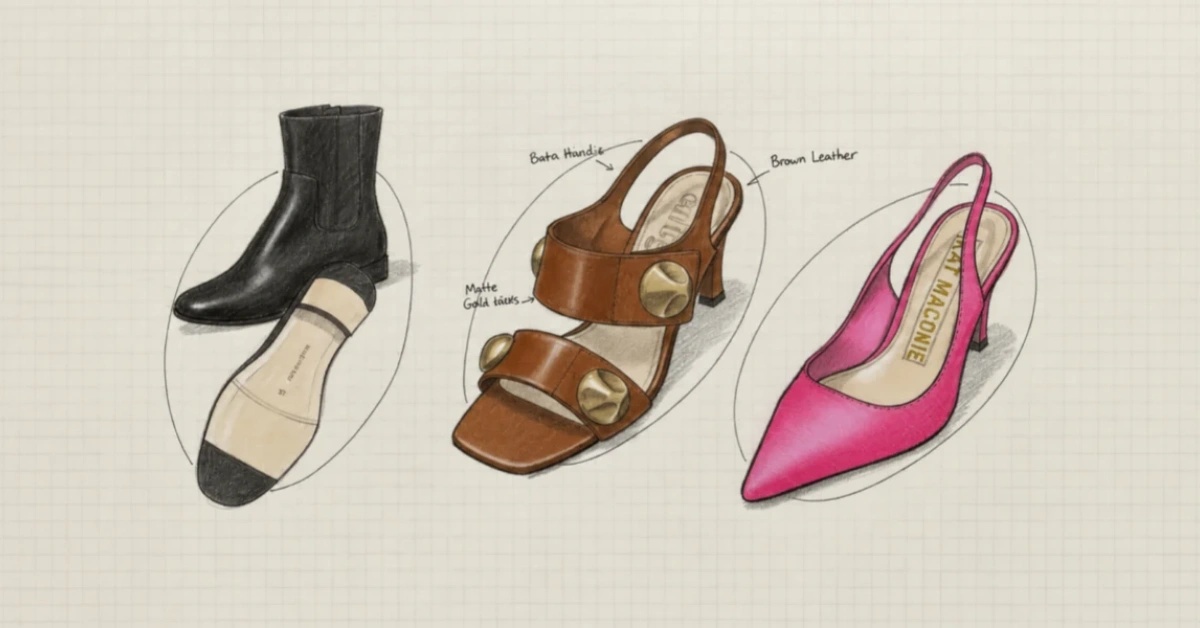
- A Structured Design Brief: Provide a clean sketch, illustration, or inspiration board. You do not need a perfect CAD file if you work with an agile partner like Herrains, but clear visual references are essential for a reliable feasibility review.
- A Realistic Timeline: Footwear development and sampling require 3 to 5 weeks, and bulk production takes another 6 to 8 weeks. Start your sourcing process at least 4 to 6 months before your planned collection launch.
At HERRAINS, we support independent designer labels from design feasibility and rapid 3D prototyping to flexible 100-pair MOQ production. Share your sketch, tech pack, or reference images under strict NDA, and let our engineering team review your collection's production feasibility.
10 FAQ: Navigating the Shoe Manufacturers List and Custom Development
Why can't I find reputable custom shoe manufacturers on free directories?
Free online directories monetize by selling ad space to massive industrial factories or trading companies who pay for high placement. Elite custom shoe workshops—who value design confidentiality and work on a referral basis—rarely list their services publicly on generic databases.
What is the standard MOQ on a professional shoe manufacturers list?
For mass-market, high-volume factories, the standard MOQ is 500 to 1,000 pairs per style/color. However, custom-focused partners like Herrains offer flexible, risk-mitigated MOQs starting from 100 pairs, allowing designers to launch without high inventory overheads.
Do I need a professional tech pack before contacting a shoe manufacturer?
With traditional factories, yes—they will reject inquiries without exact CAD files and blueprints. However, Herrains specializes in design-stage onboarding, meaning we can work directly from hand-drawn sketches, illustration files, or reference photos.
How do I protect my design copyrights during the sourcing phase?
Before sharing any sketches or design briefs, request a bilateral Non-Disclosure Agreement (NDA). A reliable manufacturer like Herrains will sign an NDA to ensure your original patterns, custom lasts, and brand assets are protected in restricted physical and digital silos.
What is the typical cost for custom shoe sample development?
High-end shoe sampling ranges from $200 to $500 per style, depending on the complexity of the heel, custom mold requirements, and leather choices. At Herrains, this cost is fully credited back to your brand when you transition into bulk production.
What is the difference between a trading company and a direct shoe manufacturer?
Trading companies act as middlemen who buy generic shoe stock from various factories and resell them with high markups. A direct manufacturer like Herrains owns its physical pattern studio, molding facilities, and shoe-making workshops, offering direct engineering control, lower costs, and consistent QC.
Can Herrains manufacture matching shoes and handbags?
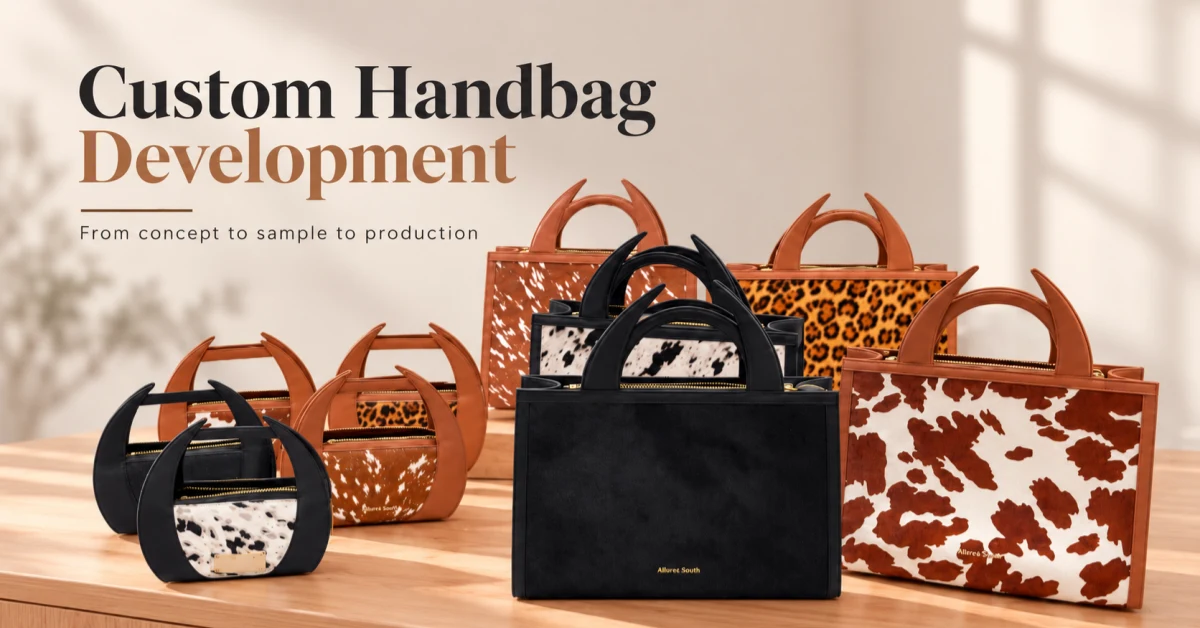
Yes. Herrains is uniquely capable of managing both custom footwear and bespoke handbag manufacturing under a single engineering ecosystem. This ensures your collection maintains 100% consistency across leather textures, edge paints, and custom metal hardware electroplating.
How long does the shoe manufacturing process take?
The typical timeline includes 3 to 5 weeks for physical sample development and fit testing, followed by 6 to 8 weeks for bulk shoe manufacturing, depending on material availability and the complexity of the shoe construction.
How does 3D prototyping save brand development costs?
Physical shoe revisions are expensive because every change requires cutting new leather, restructuring the last, and re-lasting. Herrains's 72-hour 3D modeling service allows you to adjust heel angles, toe-box geometry, and colorways virtually, reducing physical revisions by up to 80%.
Are Herrains footwear materials internationally compliant?
Yes. All leathers, vegan materials, adhesives, and hardware sourced by Herrains comply with strict international standards, including European REACH chemical safety requirements and Global Recycled Standard (GRS) criteria.
About HERRAINS
HERRAINS is a high-end footwear and handbag manufacturing partner dedicated to independent designers and growing fashion brands.
Operating as the agile brand launch division of Xinzirain Group, we leverage 25 years of master shoemaking, custom hardware development, and physical workshop scale. From our pattern and development hub in Chengdu, China, we help designers validate their concepts, launch their first-order collections under flexible MOQs, and scale into highly profitable, globally compliant fashion brands.
Learn more about our development workshops and technical heritage.
Industry Sourcing References
- McKinsey & Company — Navigating the Global Fashion Supply Chain
- Vogue Business — Sourcing Models for Emerging Designer Brands
- Shopify — Sourcing Guides and On-Demand Footwear Production