
Starting a successful fashion footwear brand is an incredibly rewarding business venture, yet it is also one of the most technically demanding paths in the luxury retail space. Many independent designers ask themselves, "how can i start my own shoe line?" only to discover that translating a creative sketch into a physically stable, commercial product requires navigating complex engineering tolerances, structural load limits, and material chemistry. This comprehensive playbook deconstructs the operational reality of footwear development, explaining how to transition from concept to retail and partner with elite custom footwear manufacturers to scale without excessive capital lockup.
Demystifying Sourcing: Why Generalists Fail in Custom Footwear
When exploring how to start a shoe line, the first critical roadblock is selecting your production partners. Many emerging brand founders make the mistake of searching for general apparel factories or unvetted sourcing agents, assuming that shoe construction is a variation of garment sewing. It is not.
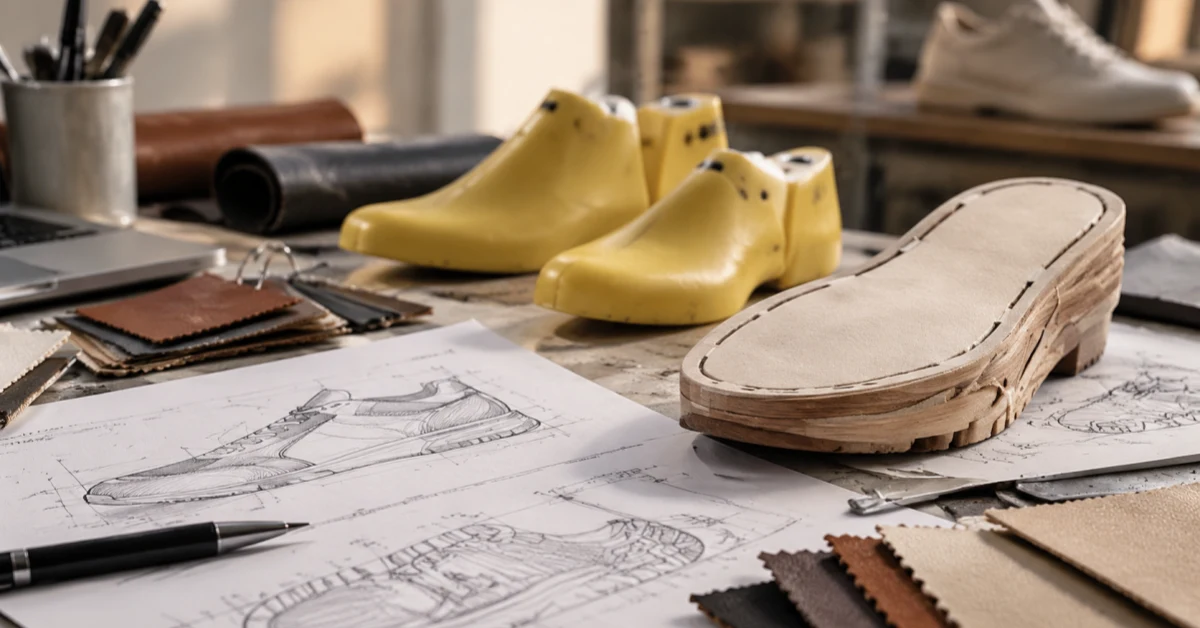
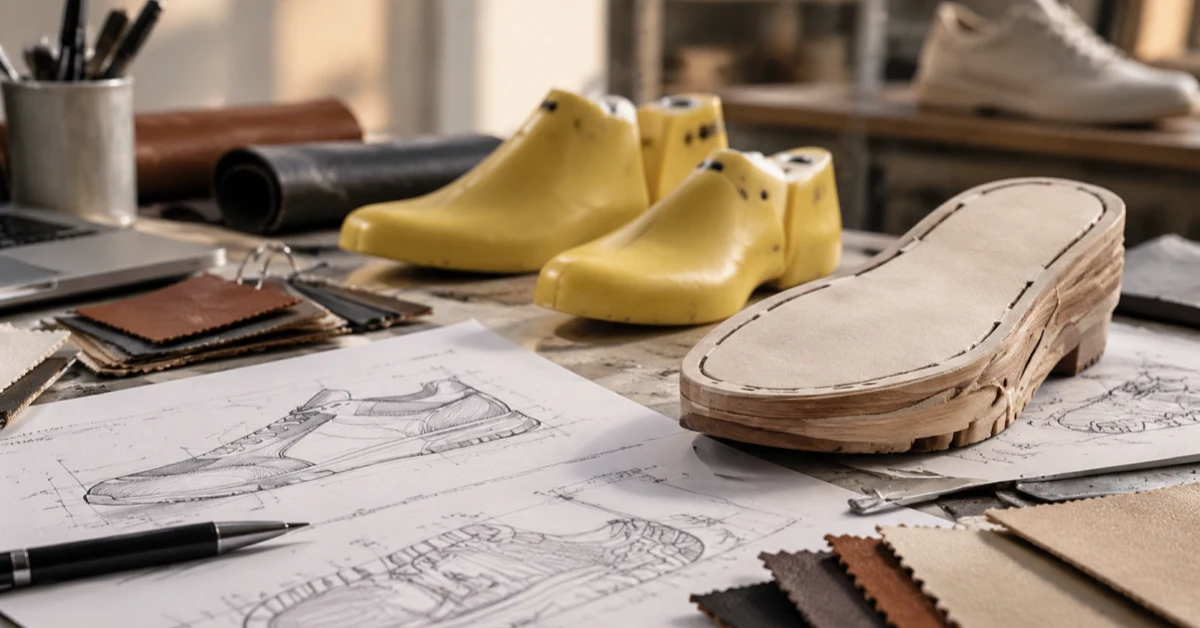
Unlike apparel, which is structurally fluid and draping, footwear is a hard-engineered product that directly supports the human skeleton. A single shoe requires up to 100 distinct assembly steps, utilizing heavy-duty adhesives, customized lasting machinery, and precise mechanical components. This is why partnering with specialized custom footwear manufacturers is non-negotiable. Generalist plants lack the pattern-makers, last graders, and mechanical testing equipment needed to ensure that high heels, platform boots, or leather loafers do not shift, buckle, or collapse under normal wear.
Working with specialized custom footwear manufacturers like Herrains—which is backed by the Xinzirain Group’s 25 years of scale and technical heritage—ensures that your brand gains absolute "Technical Sovereignty" over your designs. From structural last carving to mechanical vertical torque testing, our integrated engineering team bridges the gap between artistic vision and industrial viability.
Internal Resource Link: For a deeper, step-by-step exploration of our professional development capabilities and to consult directly with our technical advisors, read our complete guide to create a shoe line. Let us help you validate your designs, perform material risk audits, and configure your flexible production schedule.
Step-by-Step: How to Start a Shoe Brand in 4 Development Stages
When thinking about how to start a shoe brand, you must structure your development timeline into logical, risk-mitigated milestones. Rushing from a hand-drawn sketch straight into a bulk order of 500 pairs is a recipe for operational disaster. Instead, follow this proven, structured lifecycle:
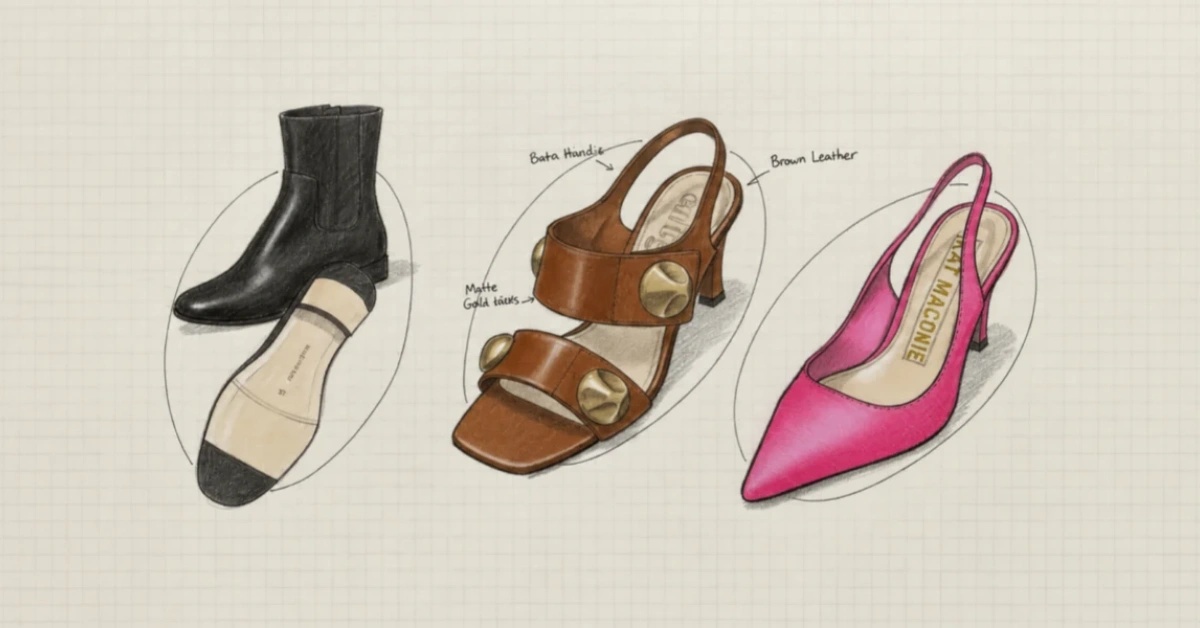
- Convert 2D design sketches or conceptual mood boards into complete digital blueprints.
- Perform structural feasibility analysis on heel heights, pitch angles, and material yields.
- Utilize 72-hour 3D virtual modeling to verify style lines before cutting expensive physical leather.
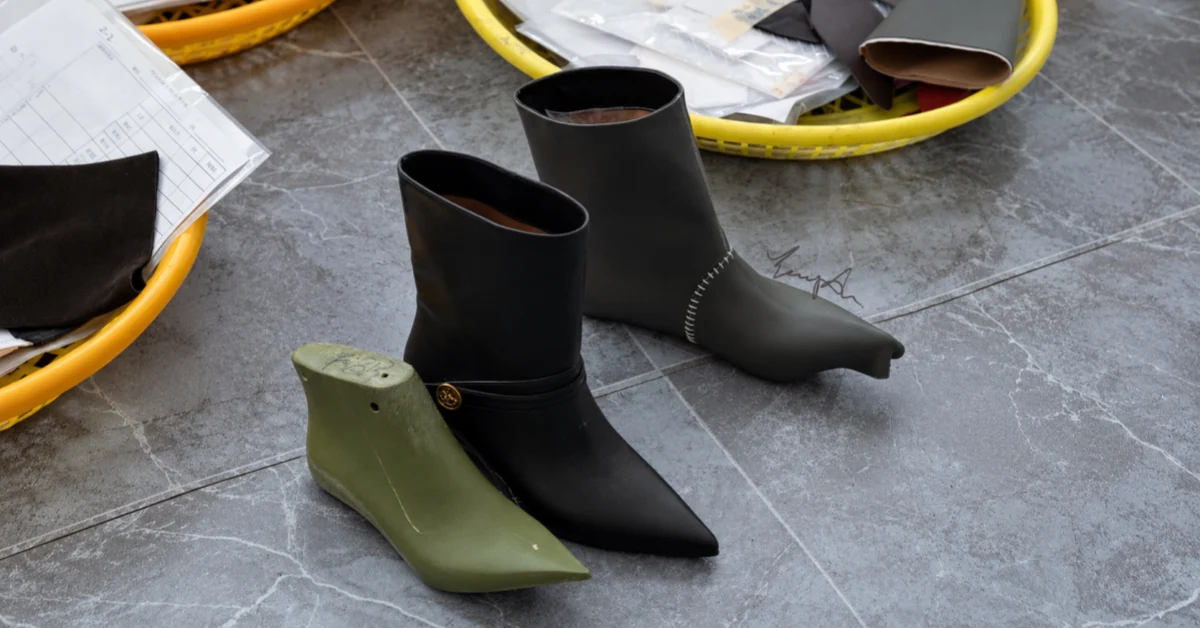
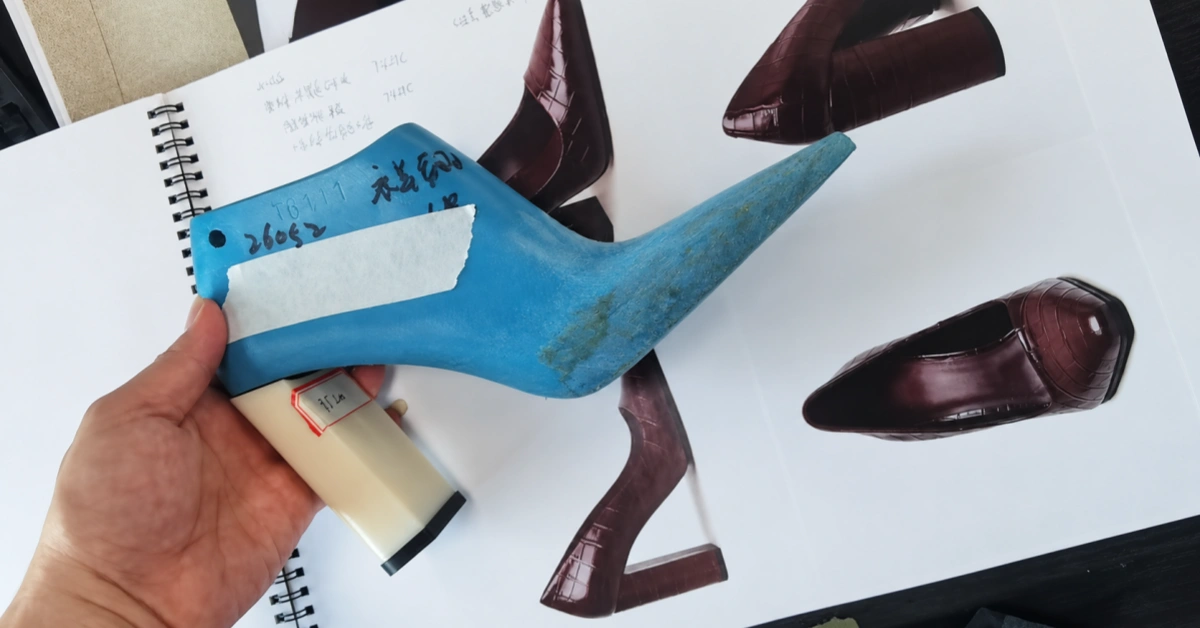
- Carve the initial custom wooden last to establish your brand's unique fitting shape.
- Draft paper patterns, cut initial mock-up materials, and assemble the first physical sample.
- Review sample fitting tolerances, line curvatures, and adjust material thicknesses.
- Perform vertical stress tests on the tempered steel shank to ensure load safety.
- Run abrasion, flex, and pull-strength tests on all heel attachments and hardware buckles.
- Secure chemical certificates to guarantee REACH compliance for international shipping.
- Deploy a flexible 100-pair MOQ strategy per style to minimize capital lockup in inventory.
- Utilize initial retail sales data to identify best-selling sizes, widths, and colorways.
- Trigger quick-turn rolling replenishment cycles (VMI) to scale up quantities seamlessly.
Technical Sovereignty: Three Pillars of Quality Footwear Construction
When negotiating with various custom footwear manufacturers, your ability to speak the technical language of construction is what separates professional brand directors from hobbyists. To ensure your shoe line commands premium retail pricing and maintains flawless wearability, you must enforce three structural pillars:
Pillar 1: Sizing and Last Grading Tolerance
The wooden last is the soul of the shoe, governing the inner volume, heel pitch, and toe-box room. Cheap mass-market plants often buy pre-graded, generic lasts off-the-shelf and scale sizes linearly. This results in poor heel alignment and arch strain in smaller or larger sizes. At Herrains, we custom-grade every last inside our digital CAD center, executing size-scaling (EU35 to EU43) with tight proportional width and length tolerances to ensure a customized fit across your entire size run.
Pillar 2: Shank Placement & Mechanical Integrity
For high heels, pumps, or structured boots, the steel shank is the critical load-bearing backbone. Placed between the insole board and outsole, this tempered metal rib supports the wearer's entire body weight and prevents the heel from bending backward or shifting laterally. When researching how to start a shoe brand, always ensure that your manufacturing partner performs rigorous vertical torque and flexion testing on every batch of shanks. This technical diligence prevents structural failures and protects your brand from liability.
Pillar 3: Material Ecology & REACH Compliance
Launching a contemporary shoe line in European, American, or Middle Eastern markets requires absolute adherence to environmental chemical regulations. Many low-end, high-volume factories use cheap solvent-based glues and unvetted metal hardware plating that contain toxic heavy metals or high volatile organic compounds (VOCs). At Herrains, we utilize water-based eco-adhesives and source strictly from certified tanneries, ensuring that your customized packaging, leather materials, and metal buckle finishes pass strict REACH and GRS guidelines.
Many online directories advertise no-MOQ white-label catalogs. These are often low-quality trading middlemen selling mass-produced, off-the-shelf stock shoes. True luxury and contemporary brands are built on original designs, proprietary lasts, and custom hardware. Working with elite custom footwear manufacturers who offer a 100-pair flexible MOQ for original designs allows you to retain absolute "Technical Sovereignty" over your intellectual property and build real, long-term brand equity.
Strategic Margin Mapping: Balancing Tooling and Production MOQs
Understanding the financial structures of footwear development is vital when planning your initial capital allocation. The total cost of starting a line is split into developmental tooling costs (wooden lasts, custom heel molds, metal hardware stamps) and bulk production costs.
A common pitfall is overproducing on the first run just to reduce the unit cost by a few dollars. Instead, we recommend using a tiered operational margin model:
| Development Phase | Sourcing Strategy | BOM & Tooling Amortization | Strategic Growth Advantage |
|---|---|---|---|
| Validate | Original sketch translation. Freeze pattern design using 72-hour digital 3D virtual prototyping. | Zero bulk inventory cost. Low initial sampling and last-carving fees. | Allows rapid visual adjustments under NDA with zero manufacturing commitment. |
| Launch | Flexible 100-pair MOQ per style. Focus on premium, versatile in-stock leathers. | Amortize heel molds and wooden lasts across 100 units. Protects seed capital. | Mitigates carrying risk of slow-moving extreme sizes, allowing cash-flow to remain fluid. |
| Scale | Replenishment runs of 300+ units on best-selling SKUs. Source custom-milled tannery leathers. | Tooling costs fully amortized. Per-unit manufacturing costs drop by 15% to 25%. | Expands gross margins significantly, freeing up capital for global marketing and expansion. |
Partnering with Herrains: From Hand-Drawn Sketch to Market Launch
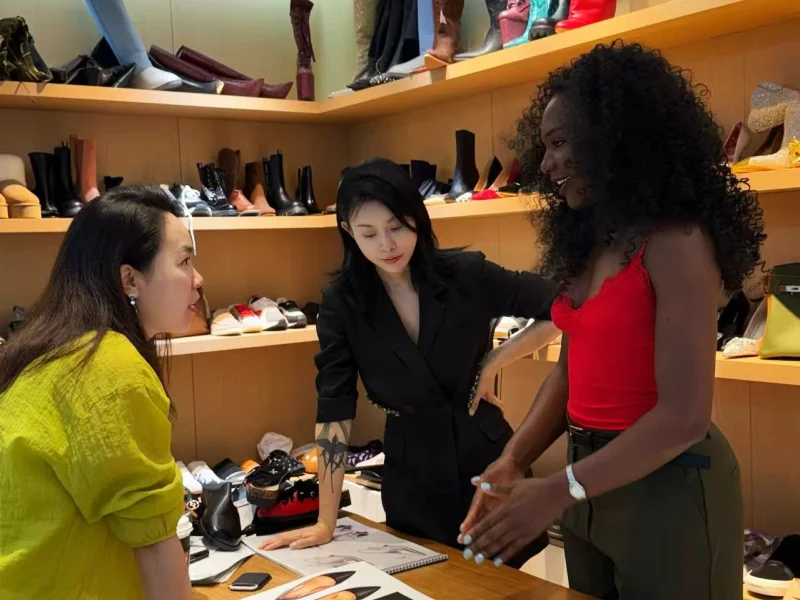
As your dedicated B2B brand launch partner, Herrains removes the technical friction of starting a shoe line. We do not require flawless CAD blueprints or pre-sourced components. Our master pattern-makers, designers, and artisans work directly with you from raw hand-drawn illustrations, mood boards, or reference photos, guiding you step-by-step from structural engineering to custom packaging.
By combining our 25-year technical manufacturing heritage with a modern, agile 100-pair MOQ, we empower independent fashion brands and creative directors to compete directly with established luxury conglomerates, delivering unmatched craftsmanship and absolute intellectual property security.
Connect with our senior technical engineering team under strict NDA. Share your initial sketches, illustrations, or inspiration boards, and let us perform a detailed structural feasibility review and cost-engineering audit for your collection.
Frequently Asked Questions: Starting a Shoe Brand
1. What is the minimum capital required to start my own custom shoe line?
By leveraging our flexible 100-pair MOQ and design-stage 3D prototyping, you can launch a premium capsule line with significantly lower capital than traditional factories demand. Our team works with you during the cost-engineering phase to optimize material selections and heel mold sharing, protecting your seed capital for marketing.
2. Do I need to provide professional CAD files or tech packs?
No. While traditional mass-market plants will reject inquiries without complete technical CAD packs, Herrains operates as a full-service brand launch partner. We can work directly from hand-drawn sketches, digital illustrations, or mood boards. Our master shoe last and pattern engineers will develop the complete tech pack for you.
3. How does Herrains ensure color and hardware consistency across shoes and bags?
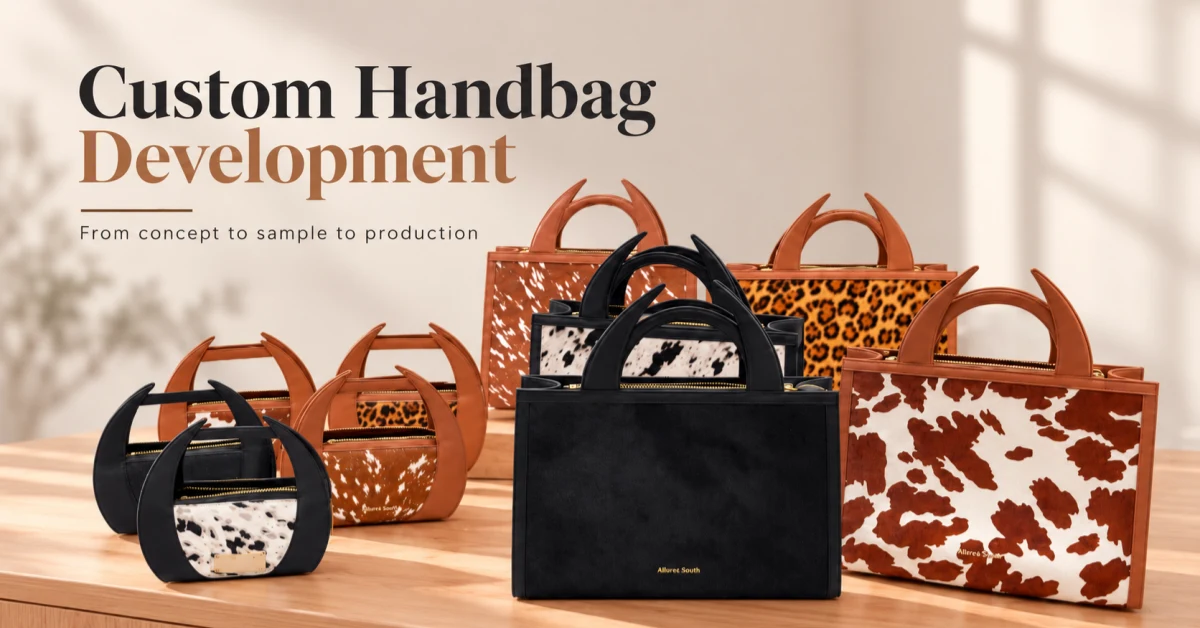
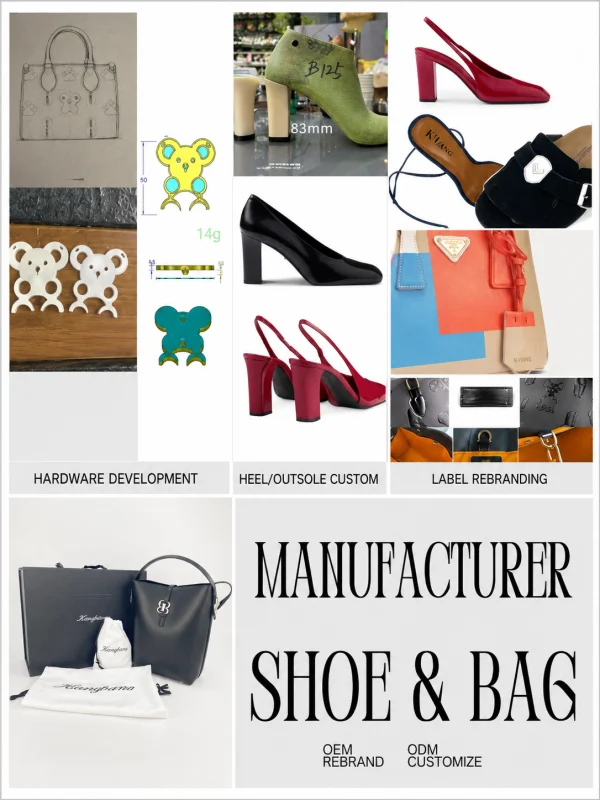
Coordinating shoe and bag sets is our specialized expertise. Since we operate integrated footwear and handbag development lines under one roof, we use matching leather dye batches and coordinate identical metal hardware plating (such as matching custom brushed-gold finishes and edge painting), ensuring complete collection consistency.
4. Are my original footwear designs protected during the prototyping stage?
Absolutely. We sign bilateral Non-Disclosure Agreements (NDAs) before you share any sketches or design ideas. All custom wooden lasts, technical heel molds, and pattern cutouts are kept in secured physical and digital vaults, ensuring your original designs are never leaked or listed on public sourcing platforms.