

Quick Answer
Finding a reliable shoe manufacturer for Kuwait brands goes beyond just comparing factory prices. Brands need a partner who offers strong product development, flexible MOQs, consistent quality control, export experience, and OEM/ODM capabilities. The right manufacturer ensures faster time-to-market, reduces inventory risk, and supports long-term brand growth.
Key Takeaways
- Evaluate manufacturers based on product development, QC, and supply chain capabilities, not just cost.
- Low MOQ support is critical for startups and emerging Kuwait brands.
- Fast and accurate sampling reduces delays in product launches.
- China remains a preferred choice for custom footwear due to a mature OEM/ODM ecosystem.
- Clear communication, export experience, and certification adherence are essential.
- Partnering with a reliable manufacturer minimizes business risk and enhances brand reputation.
Why Choosing the Right Shoe Manufacturer Matters
For Kuwait brands—whether launching new collections, expanding retail offerings, or importing for wholesale—the manufacturing partner is a key factor in brand success. A trustworthy supplier helps:
- Maintain consistent product quality
- Shorten development and production timelines
- Reduce inventory and sourcing risks
- Control production costs efficiently
- Scale production for growth
- Protect brand reputation with reliable delivery
Conversely, selecting an unsuitable supplier can lead to delayed shipments, inconsistent quality, miscommunication, and financial losses.
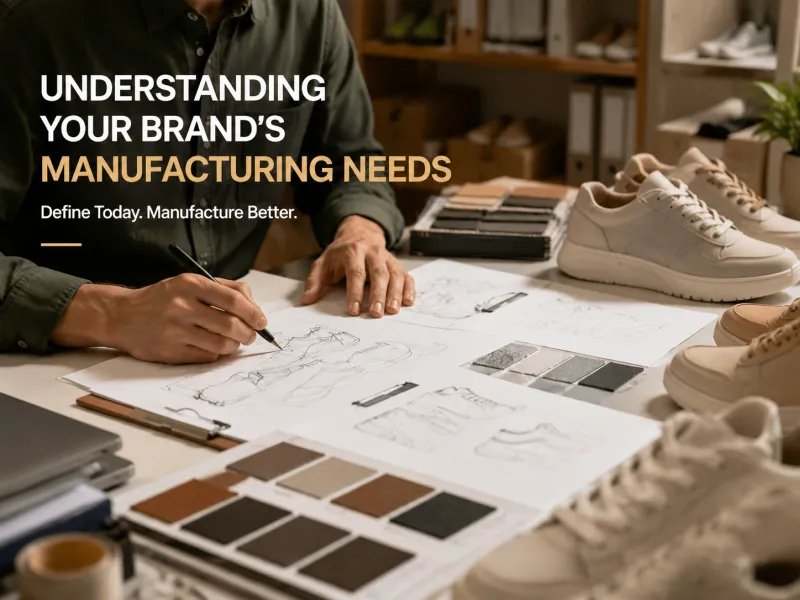
Understanding Your Brand’s Manufacturing Needs
Before reaching out to manufacturers, define your product and business requirements clearly. Consider:
- Product type: sandals, sneakers, heels, boots, casual shoes
- Material preferences: leather, suede, mesh, vegan leather
- Target audience: retail customers, boutique stores, online DTC
- Brand positioning: luxury, mid-market, budget
- Order volumes and expected growth
- Packaging and branding requirements
Clearly defined requirements make supplier selection more efficient.
What Makes a Reliable Manufacturer?
A reliable manufacturer acts as a partner, not just a factory. Critical capabilities include:
Product Development
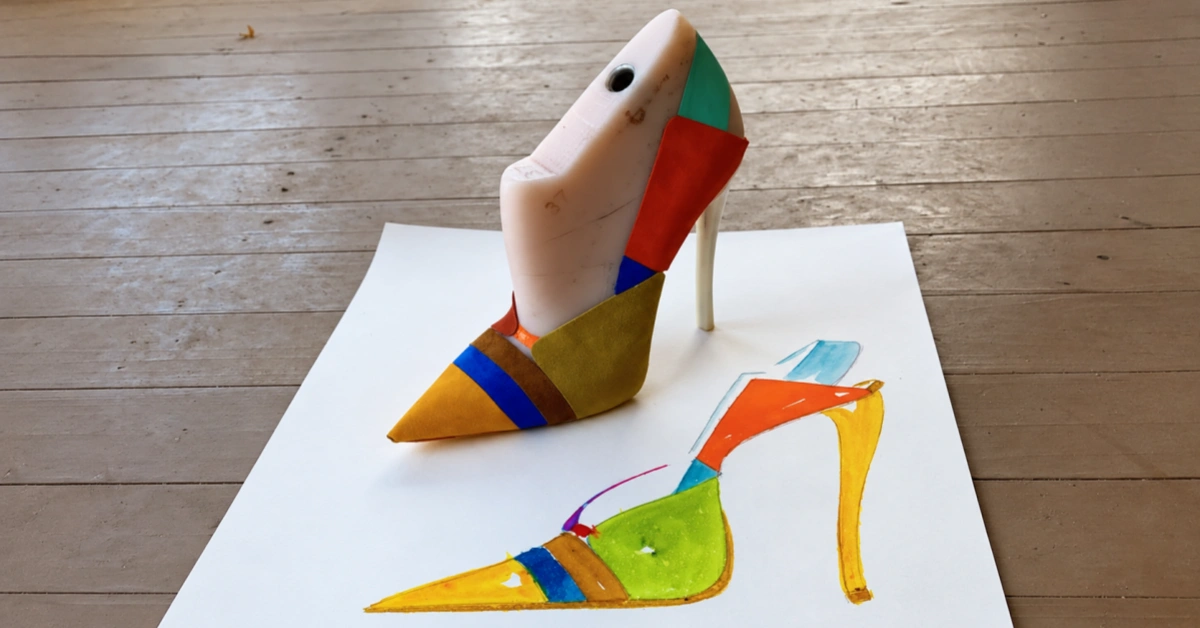
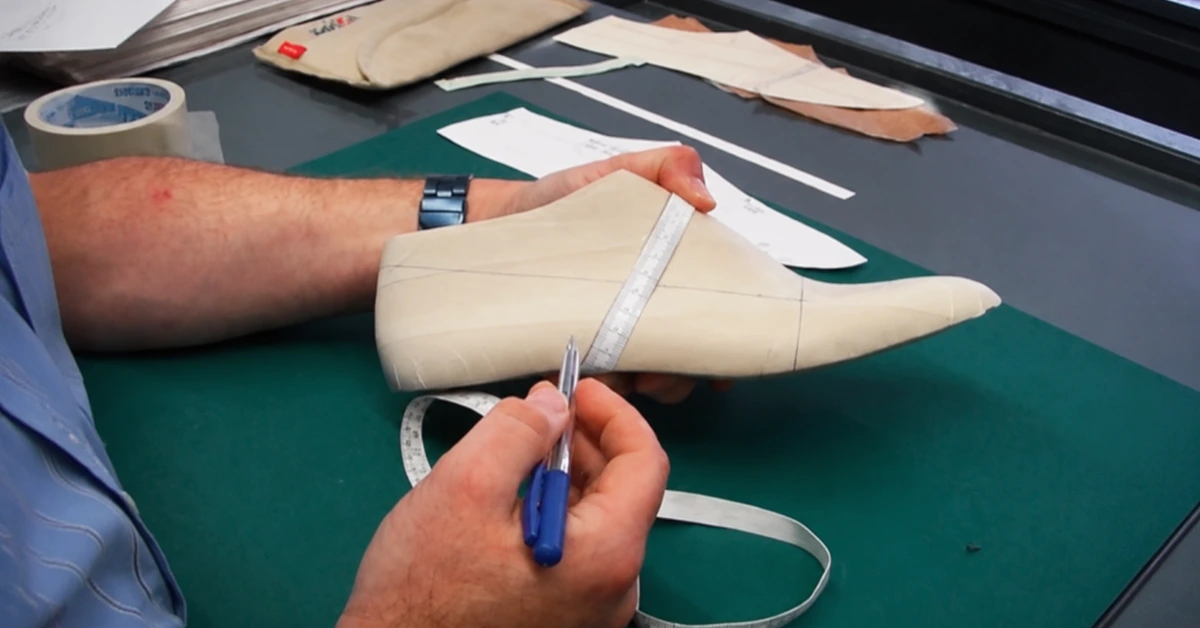
- Transform sketches, concept images, or tech packs into production-ready samples
- Offer material and hardware recommendations
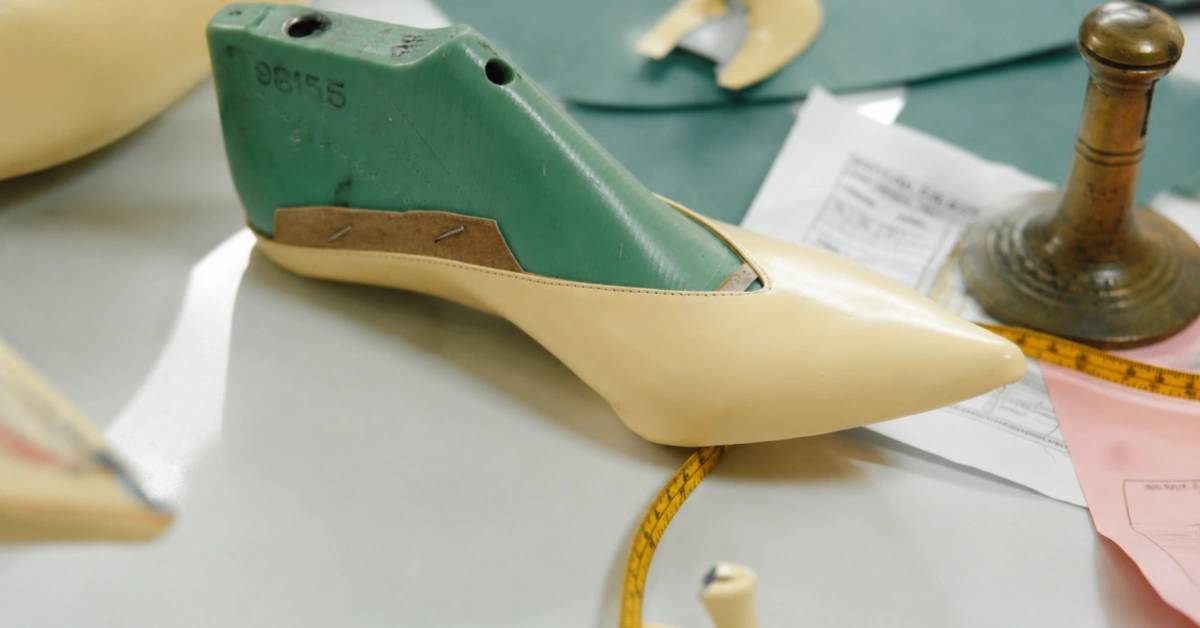
- Pattern development and sizing expertise
- Sample iteration and fit adjustments
- Cost optimization advice
Material Sourcing
- Access to a wide range of footwear materials:
- Leather (full-grain, top-grain, vegetable-tanned)
- Suede and nubuck
- Mesh and knit fabrics
- Vegan or recycled materials
- Rubber, EVA, and TPU outsoles
Quality Control
- Structured QC at all stages:
- Incoming material inspection
- In-process monitoring
- Final product verification
- Compliance with international standards for durability, fit, and appearance
MOQ Flexibility
- Low minimum order quantities are essential for testing new collections or seasonal products
-
Typical MOQ:
Product Type MOQ Custom Sandals 50–100 pairs Fashion Shoes 50–100 pairs High Heels 100–200 pairs Sneakers 300–500 pairs
Export Experience
- Familiarity with shipping regulations to Kuwait
- Understanding of packaging, labeling, and documentation
- Experience with global markets reduces operational risk
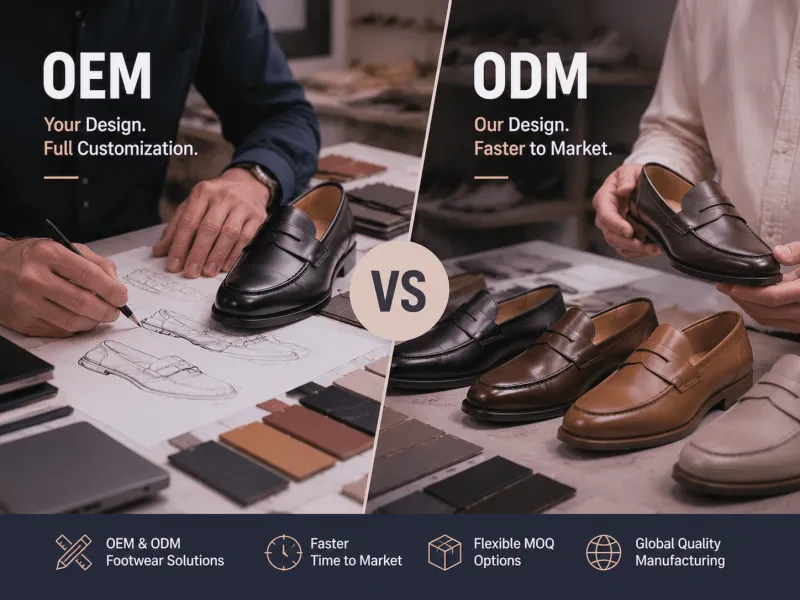
OEM vs ODM: Which Works Best?
OEM (Original Equipment Manufacturer)
- Use if you have a fully designed product
- Full control over materials, design, and branding
- Ideal for private label collections
ODM (Original Design Manufacturer)
- Use if you need faster market entry
- Customize existing designs without full in-house development
- Suitable for startups with limited design resources
Many Kuwait brands use a combination of OEM and ODM to balance speed and customization.
Sampling and Lead Times
Timely sampling and production are critical to meet market demand.
| Stage | Typical Timeline |
|---|---|
| Material Sourcing | 3–7 days |
| Sample Development | 20–25 days |
| Sample Revisions | 7–15 days |
| Bulk Production | 30–45 days |
| Final QC | 2–5 days |
Manufacturers who can manage this efficiently help Kuwait brands reduce time-to-market.
Red Flags to Watch For
Avoid manufacturers that:
- Lack transparency about their processes
- Cannot explain QC procedures
- Have unrealistic pricing
- Show poor communication
- Offer limited customization
- Cannot provide samples or references
- Fail to provide clear lead times
Reliable suppliers are transparent and willing to demonstrate their capabilities.
Why Many Kuwait Brands Source Footwear from China
China is a preferred partner for custom footwear due to:
- Comprehensive supply chain and material sourcing
- Strong OEM and ODM capabilities
- Fast sample and prototype development
- Low MOQ options for startups and boutique brands
- Robust QC systems aligned with international standards
- Ability to scale production as brands grow
Partnering with experienced Chinese manufacturers reduces risk and accelerates market entry.
Expert Insight
Brands that succeed in Kuwait do not just choose the cheapest factory—they choose the manufacturer who can:
- Support product development from concept to bulk production
- Maintain consistent quality
- Provide timely updates and clear communication
- Offer flexible MOQ and custom solutions
- Understand international export and packaging standards
Manufacturing reliability is more valuable than minor cost savings.
FAQ
Q1: What is the best country for sourcing footwear for Kuwait brands?
A: China is generally preferred for custom footwear, while India and Turkey can be suitable for specific leather products.
Q2: How much is the typical MOQ?
A: Many manufacturers accept 50–100 pairs for footwear, depending on style and complexity.
Q3: How long does sample development take?
A: Usually 20–25 days, plus additional time for revisions.
Q4: Do I need a tech pack to start?
A: No. Many manufacturers can work from sketches, reference photos, or concept images.
Q5: Should I choose OEM or ODM?
A: OEM if you have a design; ODM if you want to customize existing models quickly.
Q6: How do I verify quality?
A: Ask about QC processes, material testing, previous client references, and certifications.
Q7: Can manufacturers help with branding and packaging?
A: Yes. Most OEM/ODM partners offer custom packaging and labeling services.
Q8: What materials are commonly used?
A: Leather, suede, mesh, knit fabrics, vegan leather, EVA, TPU, and rubber outsoles.
Q9: Which manufacturers offer low MOQ support?
A: Factories serving international fashion brands, especially in China, typically offer flexible MOQ options.
Q10: How should Kuwait brands select a supplier?
A: Evaluate product development capability, QC, MOQ, export experience, communication, and long-term scalability.
Start Your Footwear Project in Kuwait

Looking for a reliable shoe manufacturer for your Kuwait brand?
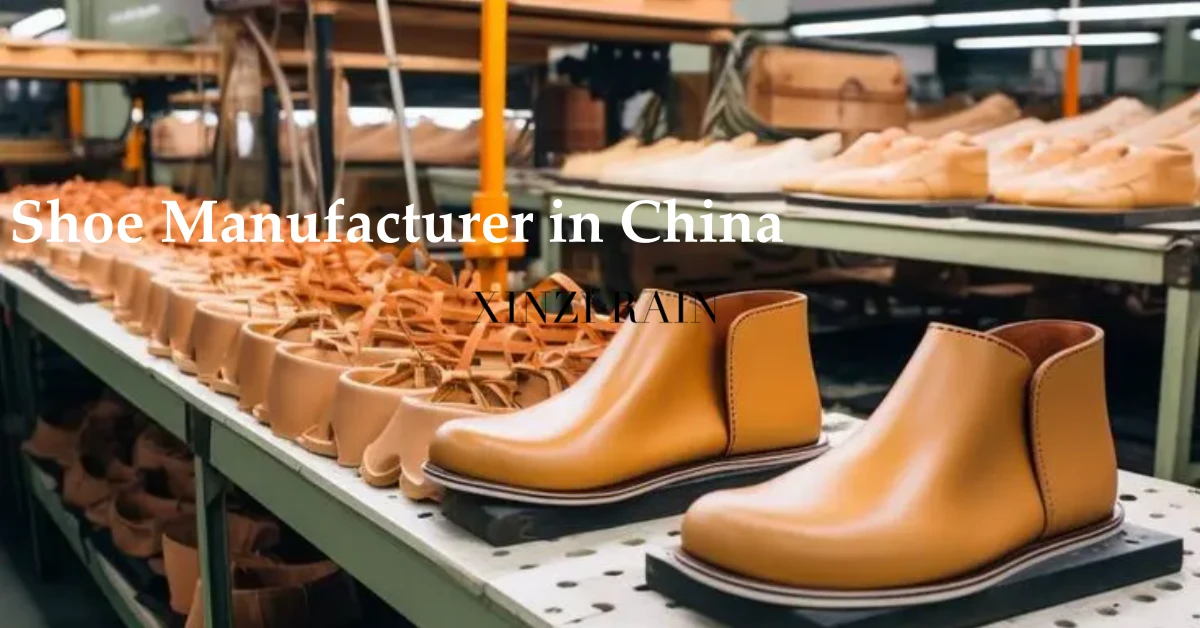
HERRAINS, backed by XINZIRAIN’s 25+ years of experience, helps brands transform concepts into production-ready footwear with:
- Design-to-delivery support
- OEM and ODM manufacturing
- Private label production
- Material sourcing and sampling
- Quality control
- Custom packaging and logistics
Contact our team today to request a quote, start sample development, or discuss your footwear project.