

From Approved Sample to Commercially Prepared First Order
An approved sample is an important milestone, but it is not the same as a commercially prepared first order. This guide explains how brands can connect specifications, MOQ, landed cost, QC, packaging, logistics and launch timing before production begins.
A first production order must connect product specifications, quantity, size allocation, cost, quality standards, packaging, logistics and launch timing. If these elements are planned separately, a brand can approve a beautiful sample and still face margin pressure, delivery delays or inconsistent bulk goods.
Private label footwear manufacturing works best when the first order is treated as a controlled operating system. The objective is not simply to place the largest quantity the factory will accept. It is to buy the right quantity of the right product, with enough evidence and structure to support a real market launch and a possible repeat order.
For established brands adding a new category or collection, the same principle applies. Existing sales history provides valuable guidance, but new lasts, materials, price points or customer segments introduce new risk. A first-order plan converts the approved product into a manageable commercial decision.
Need help turning an approved sample into a first-order plan?
Herrains can review your sample, target market, MOQ, cost structure, packaging and launch requirements before you commit to production.
Request a First-Order ReviewStart With a Clear Approved-Sample Baseline
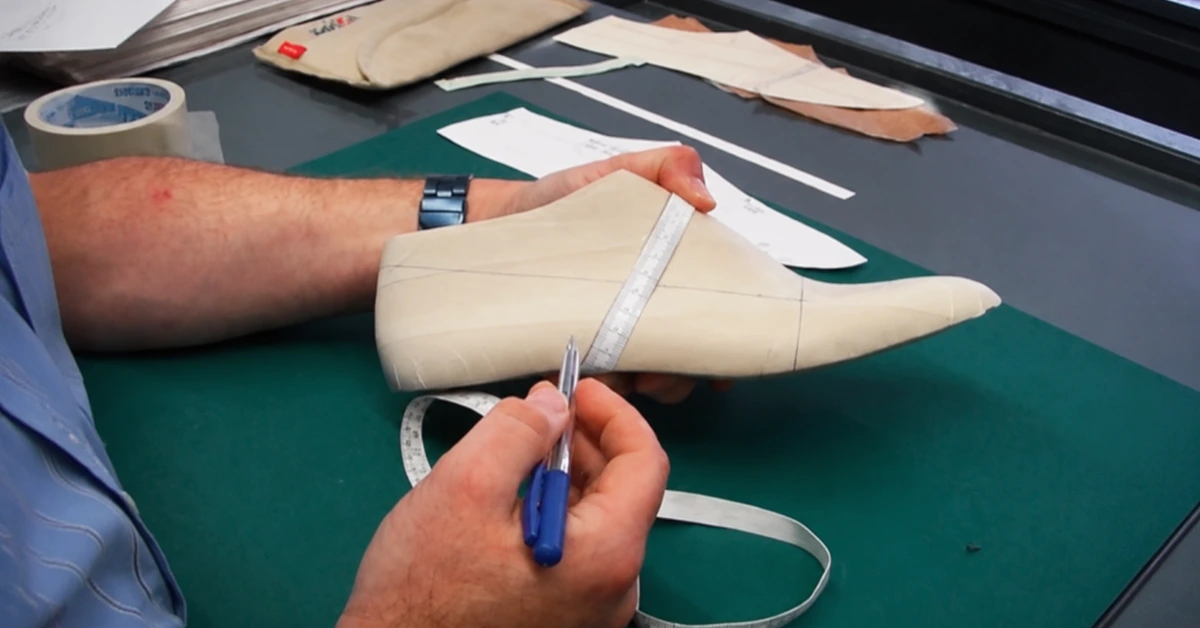
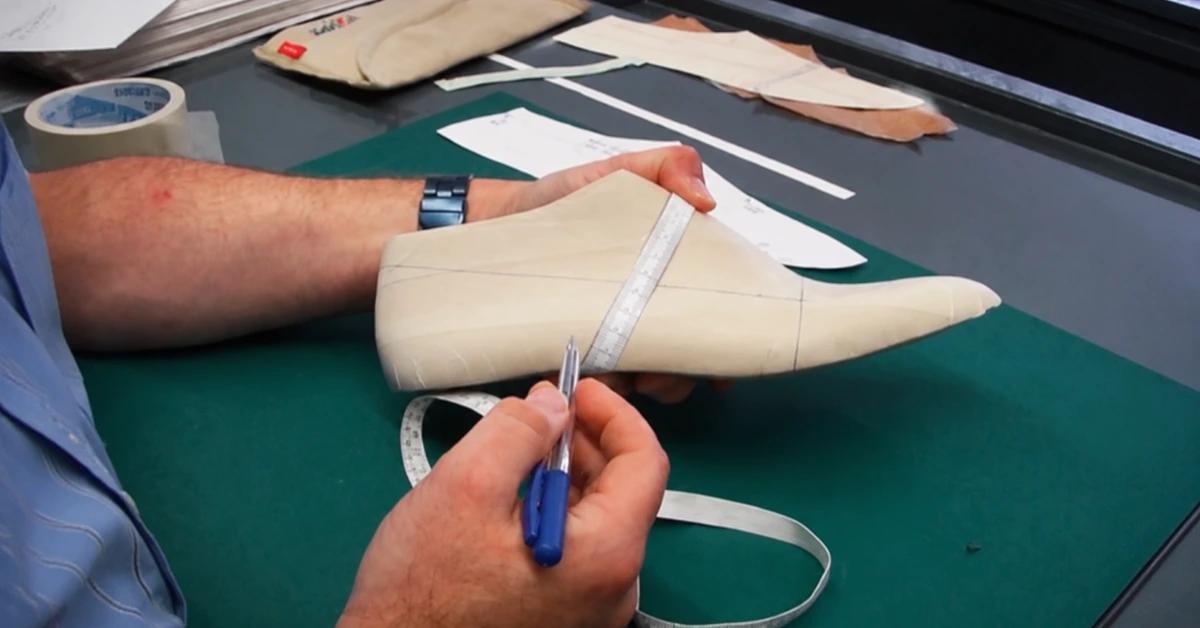
Before discussing final quantity, confirm exactly what the factory is expected to reproduce. The baseline should include the approved physical sample, material references, color standards, measurements, construction details, branding placement, packaging and all accepted revisions.
Verbal approval is not enough. If a strap was shortened, a foam layer changed or a logo moved during development, the final decision should be documented. Otherwise, the bulk team may work from an outdated technical sheet or an earlier sample. The purpose of a sealed reference is to remove ambiguity when hundreds of pairs are being produced at different workstations.
Brands should also identify open items. Size grading, packaging inserts, barcode placement or final carton marks may remain unfinished when the confirmation sample is approved. These items need owners and deadlines. A first-order calendar should not assume that product approval automatically closes every commercial and logistical decision.
Understand What Actually Drives Footwear MOQ
MOQ is often presented as one number, but the true constraint may come from several sources. The factory's assembly line may accept a certain production quantity, while the leather supplier, outsole supplier, heel supplier, hardware maker or packaging printer has a different minimum.
Color and size fragmentation can create hidden minimums. An order of 300 pairs divided across five colors is not equivalent to 300 pairs in one color. Each color may require separate material purchasing, cutting control and line changeovers. Custom molds or outsoles may also create size-specific tooling and minimum requirements.
Instead of asking only, “What is your MOQ?”, ask which component sets the MOQ and how the quantity changes with colors, sizes and customization. This makes negotiation more productive. A manufacturer may be able to reduce the number of colors, use a shared lining, consolidate packaging or phase a custom component without weakening the product's core identity.
The lowest possible MOQ is not always the lowest-risk choice. An extremely small order may carry higher unit cost, limited material options or disproportionate setup cost. The brand should compare inventory risk with the commercial cost of producing too little to test sizes, channels and customer response effectively.

Build a Complete Landed-Cost Model
The factory price is only one part of landed cost. A useful model should include product cost, tooling allocation, packaging, testing, inspection, inland transport, export handling, freight, insurance, duties, customs charges, warehouse receiving and expected defect or return allowance.
The exact model depends on the shipping term and destination. Brands should confirm which party is responsible for each cost and at what point risk transfers. An attractive ex-factory price can become misleading if packaging volume, air freight or destination charges are not understood.
Footwear packaging has a direct effect on freight because individual shoe boxes consume volume. Premium boxes, dust bags, tissue, inserts and protective components may be necessary for the brand experience, but their dimensions and weight should be tested before the production order is finalized. A small reduction in box volume can matter across hundreds or thousands of pairs.
The landed-cost model should also include a scenario range. Compare the expected case with a higher-freight or lower-sell-through case. This does not predict every outcome; it shows whether the order remains commercially manageable when conditions are not ideal.
Plan Size Allocation With Evidence
Size allocation is one of the most consequential first-order decisions. Equal quantities across sizes are easy to calculate but rarely reflect actual demand. Existing brands should use sales history from comparable lasts, categories, price points and markets. If the product enters a new category, the plan should be treated as a test and reviewed after launch.
Fit affects allocation. A style that runs narrow, short or loose may shift demand and increase exchanges. This is why size-set review and clear fit notes are part of commercial planning, not only technical development. If the intended market spans different customer profiles, the brand may need a broader or different curve.
Avoid spreading a limited order across too many sizes and colors without a reason. Excessive fragmentation can leave the brand with shallow availability in core sizes while slow combinations remain in stock. A strong first order concentrates evidence: it creates enough depth to understand demand and gives the supply chain a realistic chance to perform consistently.
Decide the Role of Each Colorway
Not every color needs the same quantity. A core neutral may support repeat orders, while a seasonal color may serve as a visual story or controlled test. Define whether each color is a volume driver, marketing accent, wholesale sample or limited edition.
Material availability should influence the decision. A standard black leather may be easier to replenish than a custom seasonal finish. If a color depends on a special dye lot, coated surface or uncommon hardware finish, the brand should understand repeat-order lead time and acceptable shade variation.
Color approval must use physical standards when appearance is critical. Screen images are affected by lighting and display settings. Swatches, lab dips or approved component samples provide a more reliable reference. The production plan should also define how shade differences within and between lots will be evaluated.

Create a Practical Footwear Quality-Control Plan
Quality control should be connected to product risk. A generic checklist that says “check workmanship” is less useful than defined checkpoints for the style. The plan should identify critical, major and minor issues according to their effect on safety, function, appearance and customer acceptance.
For footwear, checkpoints may include material shade, pair matching, measurements, logo placement, seam quality, adhesive marks, outsole bonding, heel stability, hardware attachment, zipper function, insole placement, packaging and carton assortment. The exact list changes by construction.
Inspection timing also matters. Pre-production confirmation verifies materials and standards before the line begins. In-process checks identify problems while correction is still possible. Final inspection evaluates finished goods and shipment readiness. Relying only on a final inspection can reveal a problem after the entire order has been completed.
Quality assurance is broader than inspection. ISO describes quality management as a process involving customer focus, defined processes, evidence, measurement and continual improvement. For a footwear brand, that means using inspection results and customer feedback to improve the next order instead of treating every production run as an isolated event.
Approve Packaging as Part of the Product
Packaging protects the shoe, communicates the brand and supports warehouse operations. It should be approved with the same discipline as the product. Confirm box material, color, printing, dimensions, tissue, dust bags, stuffing, labels, barcodes, inserts and master-carton requirements.
Test how the product sits in the box. A tall heel, delicate ornament or soft upper may need special support. Excess movement can create scuffing or deformation during transport. Overpacking, however, increases volume and waste. The best solution protects the product without adding unnecessary materials.
Retail and e-commerce operations may require different information. Wholesale partners may need specific carton marks or barcode formats. Direct-to-consumer fulfillment may need the shipping box to protect the branded box. These needs should be known before packaging enters mass production.
Material-label requirements also depend on the market. Footwear sold in the European Union, for example, must communicate the materials used in the upper, lining and sock, and outer sole. Brands should confirm current destination-market requirements with qualified compliance professionals.
Build a Realistic Production Calendar
A production calendar should begin with all prerequisites, not with the desired ship date. Work backward from launch, warehouse receipt, customs clearance and transport. Then account for final approvals, material purchasing, component production, cutting, stitching, assembly, finishing, inspection, packing and export preparation.
Custom components and seasonal materials often sit on the critical path. If a buckle, heel or outsole is late, other materials may wait. The brand should ask which decisions have the longest lead time and when they become difficult to change.
Include approval time on the brand side. Delays are not always caused by production. Slow feedback on color, packaging or size sets can compress the manufacturing window and increase risk. Assign one decision owner and define how quickly approvals will be returned.
A good calendar includes buffer for correction without using vague promises. The purpose of buffer is not to hide inefficiency; it is to recognize that production contains dependent steps and that evidence must be reviewed before shipment.
Coordinate Logistics and Delivery Evidence
The brand and manufacturer should confirm the shipping method, trade terms, destination, consignee information, carton plan and required documents before production finishes. Late logistics decisions can create avoidable storage or rebooking costs.
Ask for shipment evidence that matches the order: final inspection results, packed-carton photos, carton count, weights and dimensions, packing list and any agreed testing or compliance documents. These records help the receiving warehouse prepare and give the brand a clear reference if quantities or packaging are questioned later.
The cheapest freight option is not automatically the best commercial option. Compare transit time, reliability, launch risk and inventory need. Air freight may be justified for a small launch quantity or replacement units, while ocean or rail solutions may be more efficient for planned replenishment. The decision should fit the product calendar and margin model.
Common First-Order Mistakes
One common mistake is changing the product after final costing without requesting a revised cost and schedule. A different material, thicker box or custom hardware finish can affect purchasing, labor and lead time.
Another is using the first order to test too many variables at once. Multiple constructions, colors, materials and packaging formats make it difficult to understand why a result succeeded or failed. Controlled variety produces clearer market evidence.
Brands also underestimate internal readiness. Product photography, listings, wholesale line sheets, fulfillment setup, customer service information and return processes should progress alongside production. Inventory arriving before the commercial system is ready creates pressure without creating sales.
Finally, some brands treat the first shipment as the end of the supplier relationship. In reality, the most valuable information appears after launch: sell-through by size, returns, customer feedback, quality issues and replenishment demand. The first-order plan should define how that information will be captured for the next decision.
How to Compare Private Label Footwear Manufacturers
Compare development and production systems, not only quotations. Ask how the approved sample is controlled, how substitutions are handled, when production evidence is provided, how quality findings are reported and how repeat-order references are maintained.
The right partner should also be transparent about constraints. A realistic MOQ explanation is more valuable than an artificially low promise that later changes. A credible lead time identifies approval and component dependencies. A useful cost discussion explains which features drive value and which create avoidable expense.
For brands with original designs, confirm confidentiality, ownership of molds and custom components, and future access to the same materials or specifications. These details influence the brand's ability to scale.
First-Order Planning Checklist
Private Label Footwear Manufacturing and First-Order FAQs
When should a brand confirm the final order quantity?
Can MOQ be negotiated?
Is a third-party inspection always required?
What is the difference between product cost and landed cost?
How can a first order prepare for repeat production?
Plan a First Order That Can Support the Next One
Herrains helps footwear brands move from approved samples to structured production through quantity planning, cost control, QC, packaging, logistics and repeat-order preparation.
Discuss Your First-Order Requirements