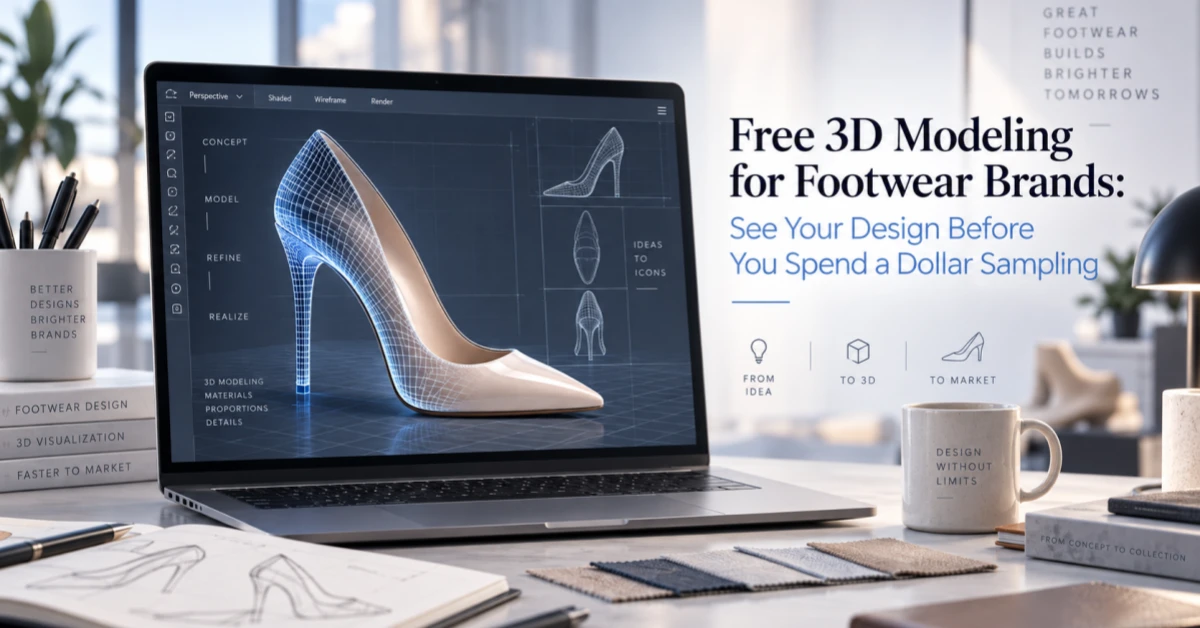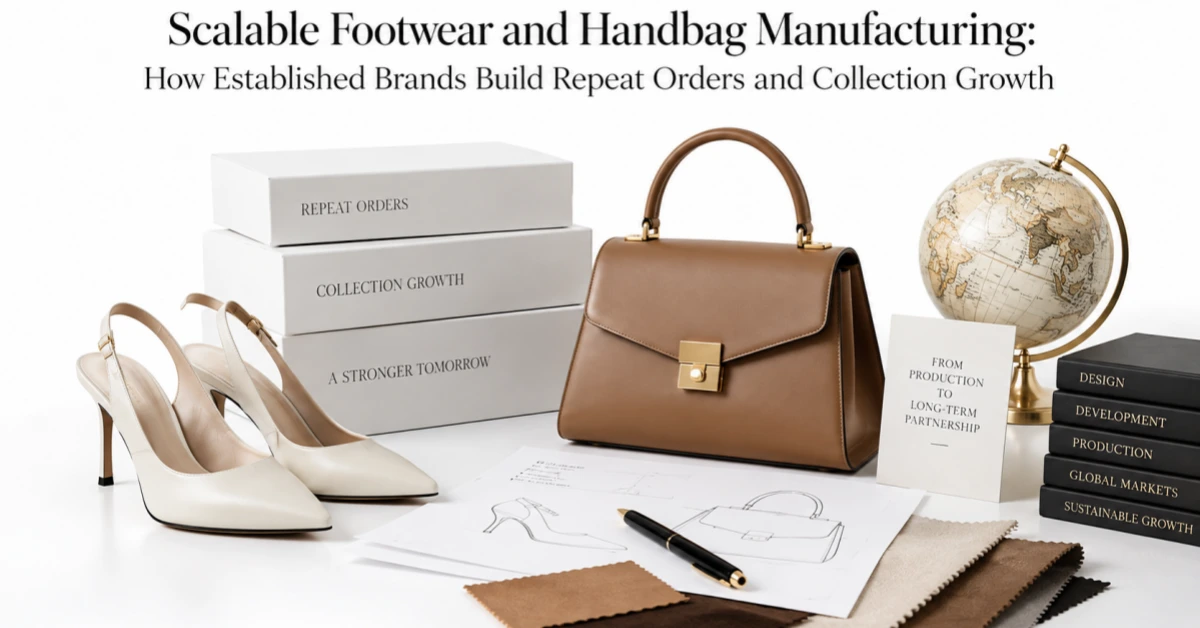

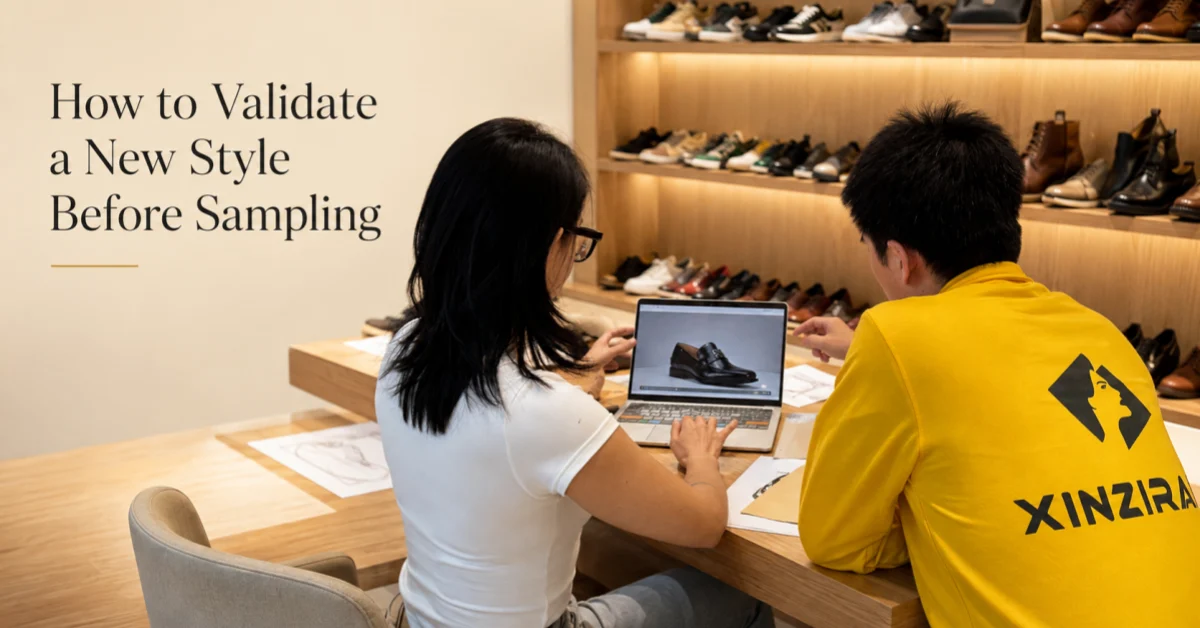

A successful product does not begin when a factory cuts the first piece of leather. It begins when a brand turns a creative direction into a set of decisions that can be tested, costed and repeated. For established brands, this distinction matters even more. A new style must not only look right; it must fit the existing customer, price architecture, launch calendar and quality promise.
The footwear product development process is therefore not a straight line from sketch to sample. It is a sequence of commercial and technical checks. Each check reduces uncertainty before the brand commits to molds, materials, tooling, repeated sample rounds or bulk-production capacity.
Herrains works with footwear and bag brands at different development stages, but the starting question is consistent: what must be true for this product to succeed as a manufacturable, market-ready item? The answer comes from validating product direction before physical sampling begins.
Why Established Brands Should Validate Before Sampling
Brands often arrive with strong visual references, an approved mood board or even a detailed sketch. These assets communicate design intent, but they do not automatically define a viable product. A drawing may not show how the topline behaves when worn, whether the upper pattern can hold the intended shape, whether the heel pitch works with the last, or whether a decorative component can be sourced consistently for repeat orders.
Starting the sample too early transfers unresolved decisions into the sample room. The first prototype then becomes an expensive question-and-answer exercise. One revision changes the last, another changes the material thickness, and a later revision changes the outsole or hardware because the original choice cannot meet cost or delivery requirements. The brand loses time without gaining a stable production reference.
Pre-sampling validation does not remove creativity. It protects creative intent by identifying where engineering, materials and commercial requirements must be aligned. The objective is not to make every decision permanent. It is to define enough of the product that the first sample tests a coherent direction.
Product Direction Is More Than a Visual Concept
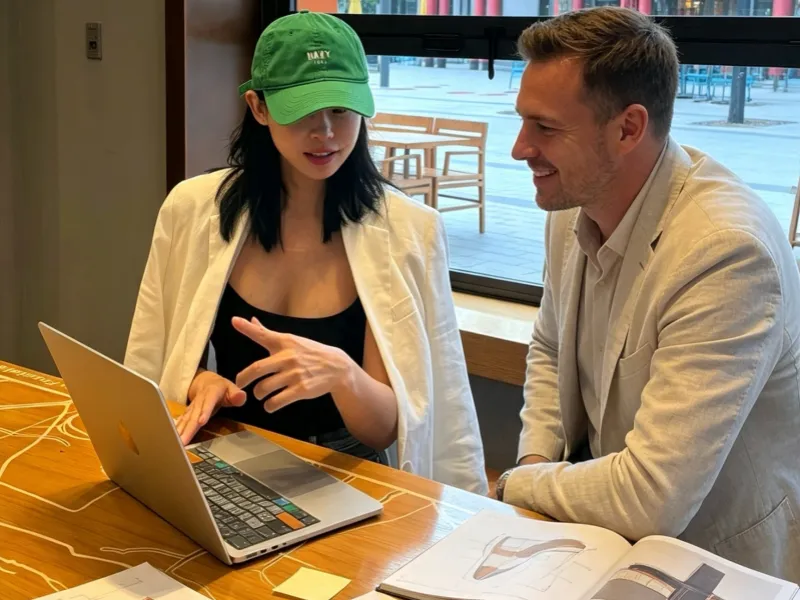
A product direction connects five elements: target customer, use scenario, price position, design identity and production route. If one element is missing, the development team may optimize the wrong feature.
Consider a pointed-toe pump intended for an established premium fashion brand. The same visual silhouette could be developed for occasional evening wear, office use or fashion-led editorial presentation. Each use case changes the acceptable heel height, toe allowance, padding, outsole, upper reinforcement and durability expectations. It may also change the cost ceiling and the number of sizes required for launch.
Before sampling, the brand should define the product's job in the collection. Is it a high-image style designed to attract attention, a core repeat-order style, or a commercial bridge between two price points? The answer helps the manufacturer decide where to protect cost and where additional development is justified.
Validate the Target Customer, Price and Sales Channel
Footwear design validation should begin with the commercial environment in which the product will be sold. A direct-to-consumer brand may accept a different packaging cost and return-risk profile from a wholesale brand supplying multi-brand retailers. An online launch may require stronger visual differentiation, while a showroom line may need coordinated color and material stories across several styles.
The target retail price should be translated into a working product-cost range before material selection is locked. This is not a request for the cheapest quote. It is a way to prevent a design from being developed around components that cannot support the intended margin. The costing conversation should include expected order quantity, size range, color count, packaging level, testing needs and shipping destination.
A useful validation question is: if the final sample is approved exactly as designed, can the brand still buy, ship and sell it at the intended price? If the answer is uncertain, cost direction should be reviewed before the sample becomes emotionally difficult to change.
Review the Last, Fit and Proportion
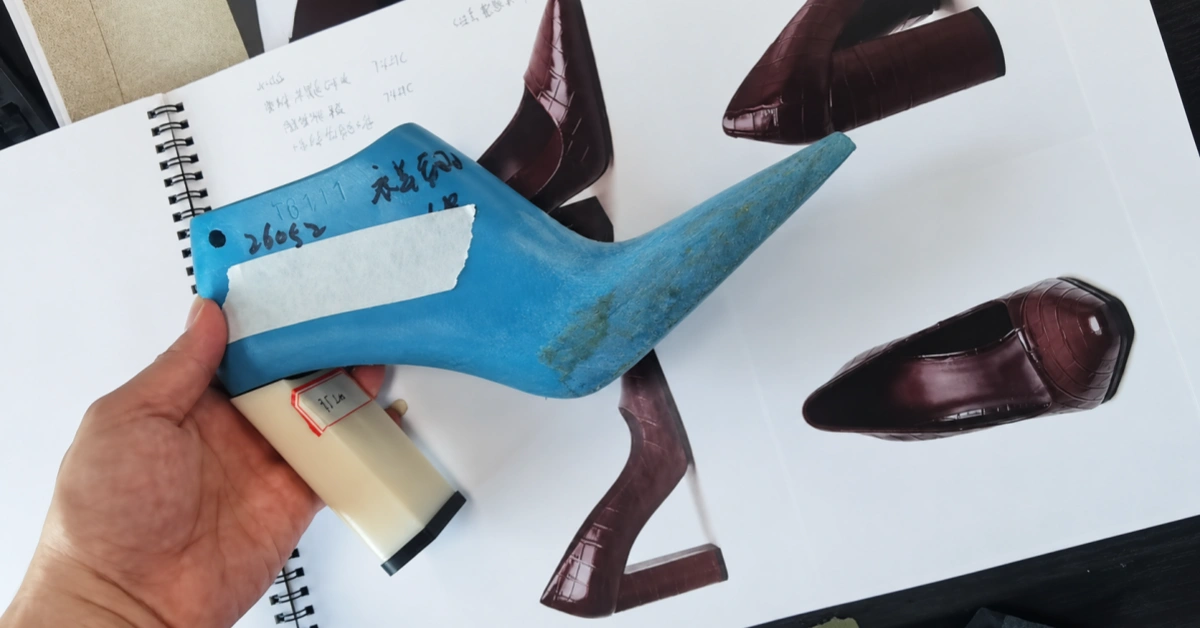
The last is one of the most influential decisions in footwear development. It affects toe shape, internal volume, heel pitch, topline, stance and the overall relationship between the foot and the shoe. A visually attractive upper cannot compensate for a last that conflicts with the intended customer or construction.
Brands should clarify whether an existing last can be adapted or whether a new last or mold is required. The decision depends on design uniqueness, size range, target fit, heel height and long-term product plans. A proprietary last may create stronger product identity, but it also introduces development cost, lead time and grading decisions.
Fit should be discussed as measurable behavior rather than a general request for comfort. Relevant questions include where the shoe grips the foot, how the ball area flexes, whether the heel slips, how the instep accommodates different feet, and whether padding changes internal volume. For boots, shaft height, opening and calf circumference may be equally important. For sandals, strap position and foot containment require careful review.
Confirm Material and Component Feasibility
Material selection is both visual and functional. Two leathers with a similar color can behave very differently in lasting, folding, edge finishing and wear. A soft upper material may drape beautifully but fail to hold a structured shape. A rigid material may preserve the silhouette but create pressure points. Lining, reinforcement, foam and adhesives also influence the final result even when they are invisible in marketing images.
The development team should review material thickness, stretch, surface finish, color consistency, minimum purchase requirements and repeat-order availability. Components such as buckles, zippers, heels, soles and ornaments require the same analysis. A component that is available for one sample may not be practical for a full size run or future replenishment.
Compliance requirements should be defined according to the target market. For example, EU requirements can affect restricted substances in leather articles, and footwear sold in the EU must provide material information for the upper, lining and sock, and outer sole. These points should be checked with qualified testing and compliance partners; they should not be treated as a last-minute label task.
Identify Construction and Durability Risks
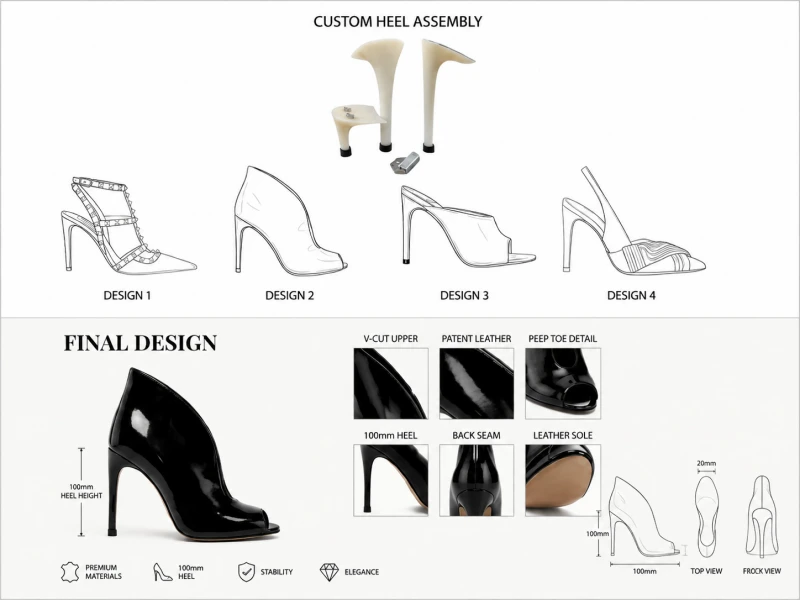
Construction decisions determine whether the shoe can consistently reproduce the approved appearance. The development team should examine seam placement, reinforcement, folding allowances, attachment methods, outsole bonding, heel connection and areas exposed to repeated flexing or tension.
Risk review should match the intended use. A decorative evening shoe and a daily loafer do not need identical testing priorities. The evening shoe may require special attention to ornament security and surface protection. The loafer may require more emphasis on flex, topline retention and outsole wear. A boot may need shaft structure and zipper-cycle review.
This stage is where practical alternatives should be proposed. If a decorative feature creates an unacceptable failure point, the answer is not necessarily to remove it. The team may change its base, attachment method, thickness or position. A strong footwear development partner explains how a design can be protected while construction becomes more reliable.
Validate Cost Direction Before Locking the Sample
Cost is created by a combination of material consumption, labor, components, molds, order quantity, color count, size range, packaging and quality requirements. Looking only at the upper material gives an incomplete picture.
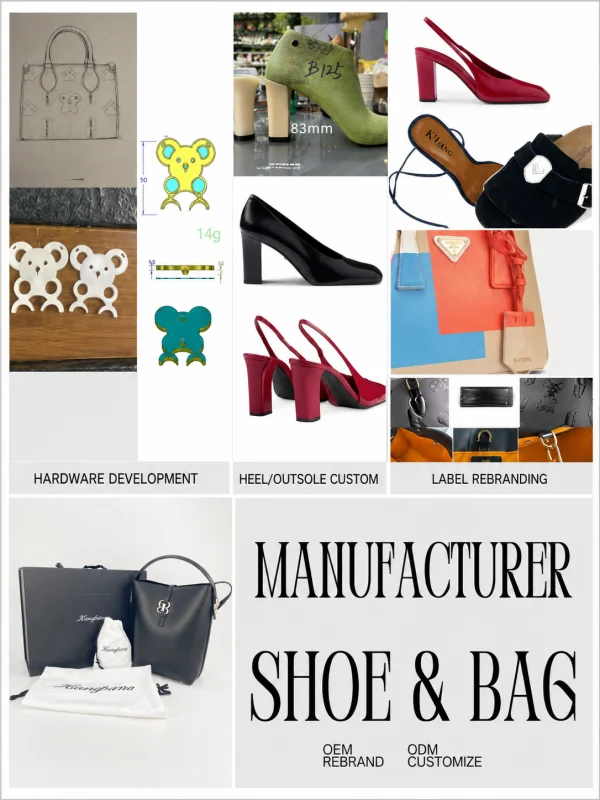
The brand should ask for a cost-direction review rather than a premature final quote. At this stage, the manufacturer can identify high-impact cost drivers and present controlled options. For example, a custom heel may strengthen brand identity but require tooling; a stock heel may shorten the first development cycle. A custom metal ornament may be commercially justified across several future styles, while a one-style application may be too expensive at the current volume.
The goal is to decide which details carry customer value. Protect those details, then simplify areas that do not materially change the product story or performance. This is more strategic than reducing quality across the entire shoe to reach a number.
Build a Production-Ready Development Brief
A useful development brief should allow the brand, product developer and sample room to discuss the same product. It does not have to begin as a perfect technical package, but it should become more specific as decisions are made.
The brief should cover product category, target customer, intended use, reference size, size range, last direction, heel or sole choice, upper materials, lining, reinforcement, color, hardware, branding, packaging and target quantity. It should also identify which details are fixed, which remain open and who approves each decision.
Visual references should be annotated. A brand should not assume that the manufacturer knows which part of a reference is important. One image may communicate toe shape, another may communicate material finish, and a third may communicate strap placement. Clear annotations reduce accidental copying and help the development team create an original, producible result.
Use Evidence During Shoe Sample Development
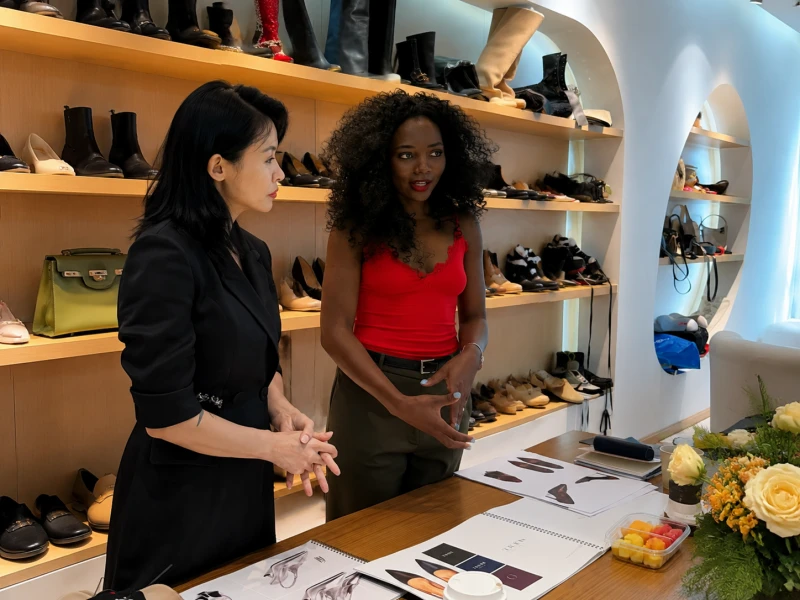
Transparent shoe sample development is not simply sending occasional workshop photos. Evidence should help the brand make decisions. Useful records include confirmed material swatches, component options, pattern or structure checks, measurement photos, fit observations, revision comparisons and a final specification summary.
The brand should define approval points before sampling starts. Some projects require approval of the last, heel, outsole or hardware before the complete prototype is assembled. Others can move directly to a first full sample. The sequence depends on complexity and the cost of changing each component later.
Evidence also protects communication across time zones and teams. When a brand's founder, designer and operations manager review the same dated reference, fewer decisions depend on memory or informal chat. This becomes increasingly valuable when the product moves into bulk production.
An Approved Sample Is Not Automatically Production-Ready
A sample can look correct and still be incomplete as a production reference. Production readiness requires confirmed materials, measurements, construction details, color standards, branding placement, packaging requirements and acceptable tolerances. Size grading and size-set review may also be necessary before the complete order proceeds.
The brand should ask what will be used as the control reference during production. Is there a sealed approval sample? Are material codes and suppliers recorded? Are changes from the previous round documented? Are packaging and labeling included in the approval system? Without these controls, the bulk order may reproduce an earlier interpretation rather than the final decision.
Quality management principles emphasize defined processes, documented information, measurement and continual improvement. These ideas are directly relevant to product development: consistent results are easier when decisions and checkpoints are built into the workflow instead of added only after defects appear.
How to Evaluate a Footwear Development Partner
A useful partner should be able to explain the development path, not only confirm that a shoe can be made. Ask how the team evaluates a sketch, how material risks are communicated, how sample revisions are recorded, how fit feedback is converted into changes, and how the approved sample becomes a bulk-production specification.
Also ask who owns each decision. The sales contact, developer, technician, pattern maker and quality team may have different responsibilities. A clear handoff reduces the risk that important knowledge disappears between sampling and production.
For original products, discuss confidentiality and custom components early. If the collection depends on a proprietary heel, sole, hardware item or construction detail, clarify tooling ownership, storage, reuse and future-order arrangements in writing.
Pre-Sampling Validation Checklist
Before authorizing the first physical sample, confirm the following:
The target customer, use scenario and price position are clear.
The product's role in the collection is defined.
The last, fit direction, heel height and main proportions have been reviewed.
Upper, lining, reinforcement and outsole materials are commercially feasible.
Critical components are available for the sample and realistic for production.
High-risk construction details have been identified.
Target quantity, size range, colors and target market are known.
A preliminary cost direction supports the intended retail and margin structure.
Approval points and revision records are defined.
The expected output of the first sample is clear.
Footwear Product Development and Sample Validation FAQs
What is the difference between a design review and a sample?
A design review evaluates feasibility, materials, proportion, fit direction, construction and cost before physical development. A sample tests those decisions in a real product. The review should make the sample more purposeful, not replace it.
How many sample rounds does a custom shoe need?
There is no universal number. It depends on design complexity, last and mold requirements, the completeness of the technical information and the results of fit and construction testing. Clear validation can reduce avoidable rounds, but revisions are normal when they produce measurable improvement.
Can an existing brand develop only one new style?
Yes, but the style should still be evaluated in the context of its size range, target quantity, price and possible repeat orders. Even a single style benefits from a production-ready reference.
When should custom molds or components be considered?
They are most justified when they create meaningful brand identity, performance value or reuse across a collection. Tooling cost, lead time, size requirements and ownership should be reviewed before approval.
What should a brand send to Herrains for an initial review?
Send the current sketch, reference image, sample or tech pack, along with the product category, target quantity, preferred materials, target market and launch timing. The team can then identify the missing decisions required for the next step.
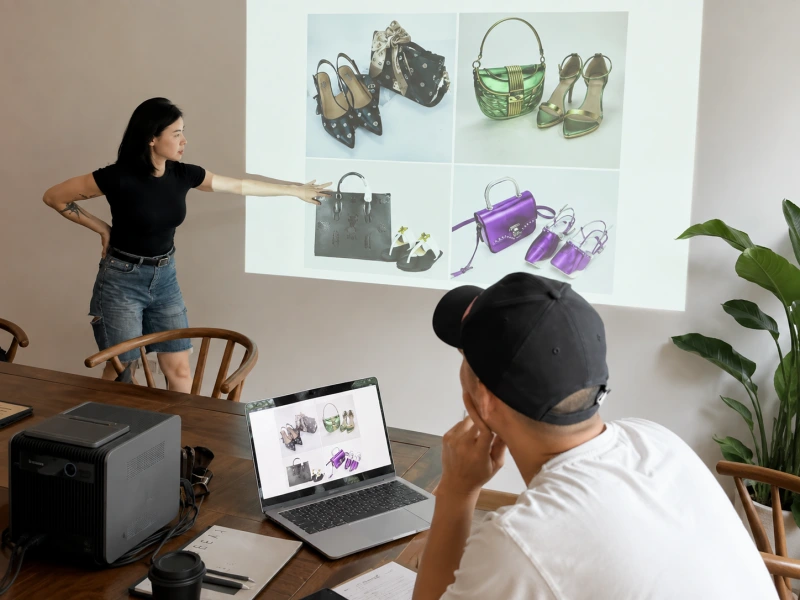
Turn Your Next Style Into a Clear Development Plan
Herrains supports established brands through product validation, production-ready sampling, first-order planning and repeat production. Explore our Brand Launch Support process, review our Custom Shoe Manufacturer Services, or request a technical development review.
Sources and Further Reading
Google Search Central, Creating Helpful, Reliable, People-First Content: https://developers.google.com/search/docs/fundamentals/creating-helpful-content
European Chemicals Agency, Skin-Sensitising Chemicals and REACH Restrictions: https://echa.europa.eu/en/hot-topics/skin-sensitising-chemicals
European Commission Access2Markets, Footwear Labelling Requirements: https://webgate.ec.europa.eu/access-to-markets/en/content/labelling-and-packaging
ISO, Quality Management Principles: https://committee.iso.org/quality-management/principles