

Quick Answer
Choosing the right boots manufacturer for your brand requires evaluating product development capabilities, material sourcing, quality control, MOQ flexibility, and export experience. A reliable partner not only produces high-quality boots but also assists with design, prototyping, and OEM/ODM services. Brands that align with experienced manufacturers like HERRAINS can accelerate time-to-market, reduce development risk, and create scalable private label collections.
Key Takeaways
- Evaluate manufacturers on more than price—focus on quality, experience, and design support.
- Check material sourcing capabilities for leather, suede, vegan alternatives, and technical fabrics.
- Low MOQ options are critical for startups or seasonal collections.
- Fast and accurate sample development reduces time-to-market.
- Clear communication and export experience to your target markets ensure smooth delivery.
- Integrating AI-assisted design or digital prototyping can further optimize product development.
Understanding Your Brand’s Needs
Before selecting a boots manufacturer, define your brand’s goals:
- Target Market – Retail, boutique, online DTC, or specialty markets.
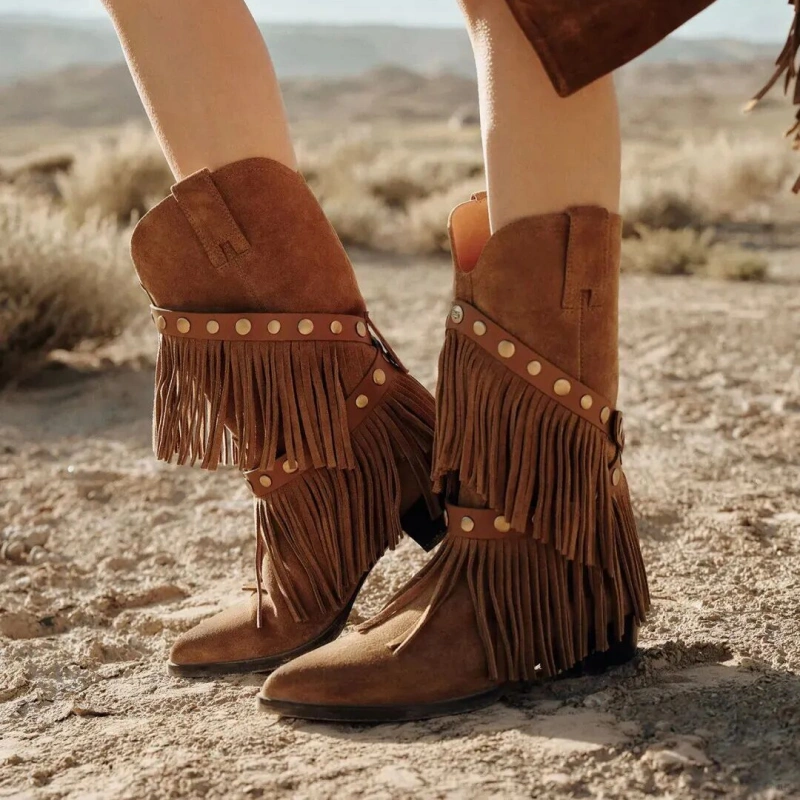
- Product Type – Winter boots, fashion boots, hiking boots, casual loafers, or luxury leather boots.
- Material Preference – Leather, suede, vegan leather, textiles, or rubber outsoles.
- Order Volumes – Low MOQ for startups vs. large-batch production for established brands.
- Design Complexity – Embellishments, hardware, stitching patterns, and custom last shapes.
A clear brief allows manufacturers to provide accurate quotations and development timelines.
Key Criteria When Choosing a Boots Manufacturer
1. Product Development Capability
The manufacturer should be able to:
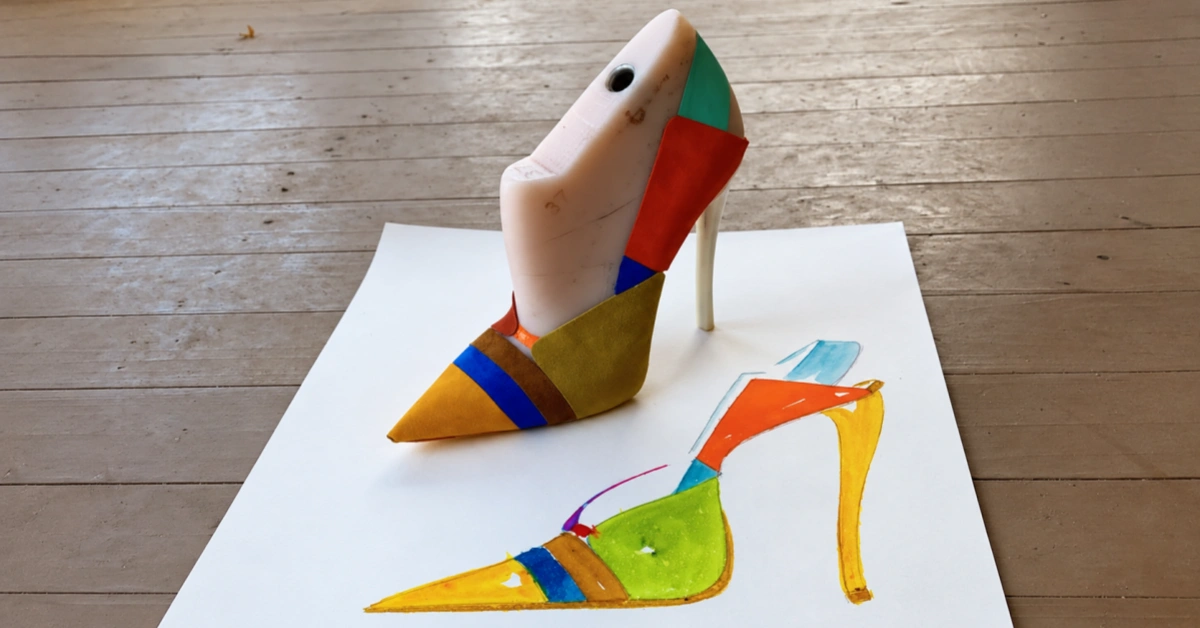
- Transform sketches or AI-generated concepts into production-ready designs.
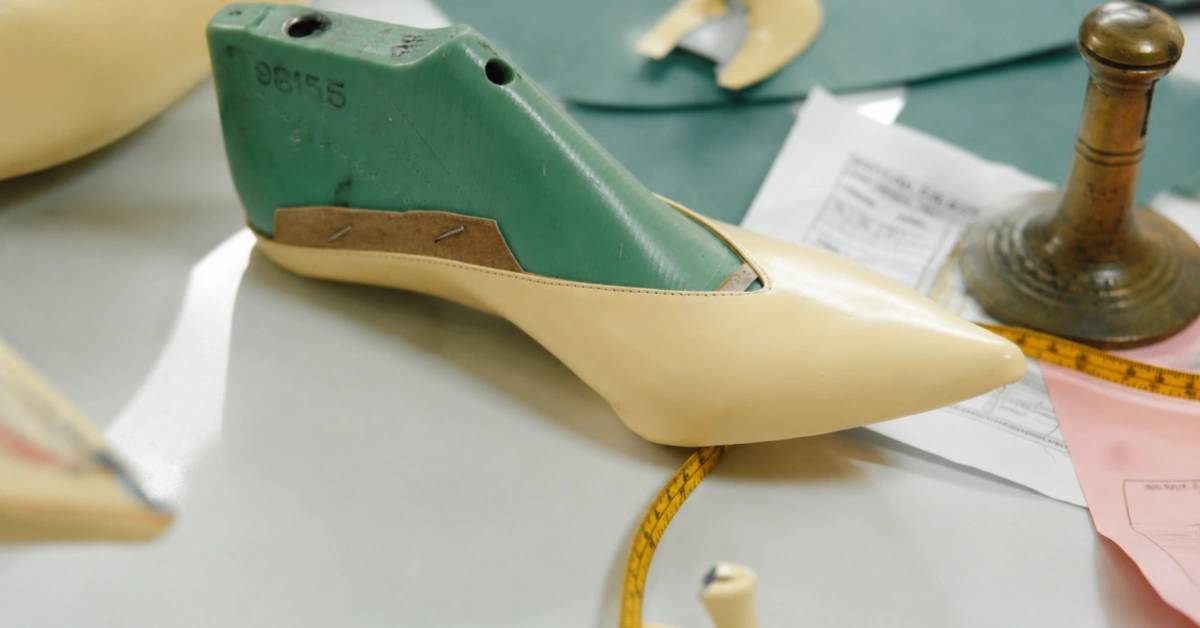
- Provide pattern making and last development.
- Recommend suitable materials and outsole solutions.
- Conduct iterative sample revisions.
Expert Tip: Brands without in-house designers benefit from manufacturers who can co-develop technical drawings and prototypes.
Material Sourcing and Quality
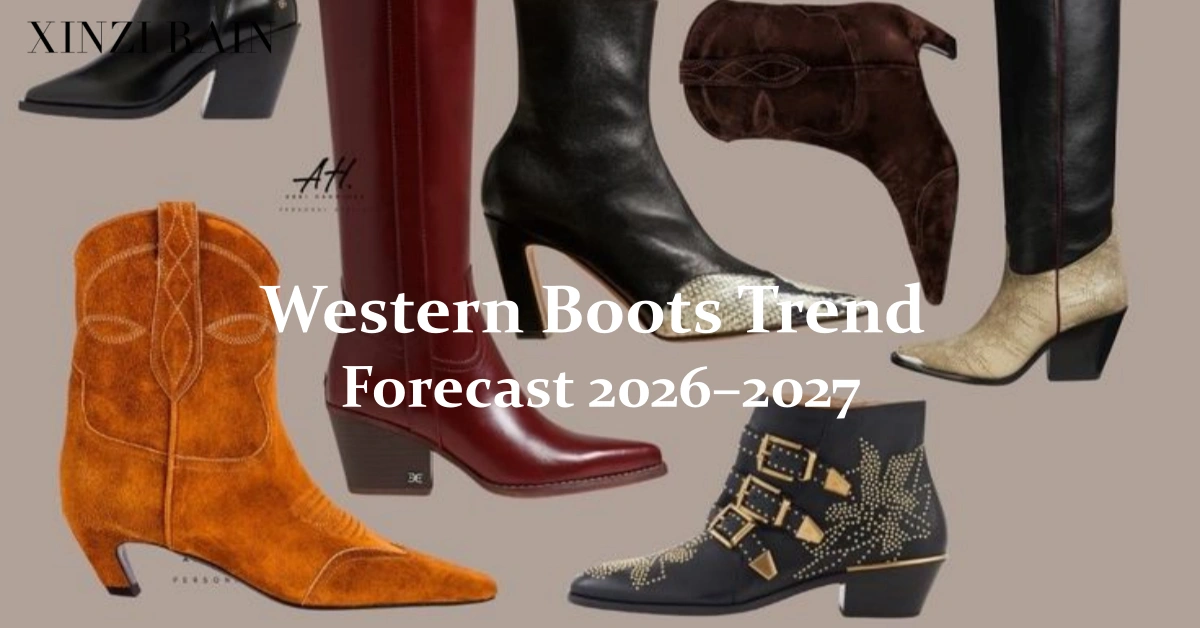
Access to high-quality materials ensures product longevity and brand reputation.
| Material Type | Recommended Usage |
|---|---|
| Full-grain Leather | Premium fashion boots |
| Suede / Nubuck | Casual and dress boots |
| Vegan Leather | Eco-friendly or sustainable collections |
| Mesh / Knit Fabrics | Athletic or lightweight boots |
| Rubber / EVA Soles | Outdoor or comfort-focused boots |
| Metal / Decorative Hardware | Fashion accents and buckles |
Check: Ask manufacturers if they have reliable suppliers and can maintain consistent quality across batches.
Quality Control Standards
A professional manufacturer implements QC at every stage:
- Incoming Material Inspection – Verify leather, textile, and hardware quality.
- In-Process Monitoring – Ensure stitching, sole attachment, and assembly meet standards.
- Final Inspection – Confirm appearance, measurements, durability, and packaging.
Certified factories for EU and US markets usually adhere to ISO, CE, or equivalent standards.
MOQ and Flexibility
Low minimum order quantities reduce inventory risk for new brands.
| Boot Type | Typical MOQ |
|---|---|
| Fashion Boots | 50–100 pairs |
| Hiking / Outdoor Boots | 50–150 pairs |
| Luxury Leather Boots | 100–200 pairs |
| Casual Boots | 50–100 pairs |
Flexible MOQs help brands launch seasonal collections or limited editions without overstock.
Lead Time and Production Speed
Time-to-market is critical:
| Stage | Typical Timeline |
|---|---|
| Material Sourcing | 3–7 Days |
| Sample Development | 20–25 Days |
| Sample Revision | 7–15 Days |
| Bulk Production | 30–45 Days |
| Final QC | 2–5 Days |
Faster sampling and revision cycles allow brands to respond to market trends efficiently.
OEM vs ODM
- OEM – Ideal if you have a design; full control over materials, style, and branding.
- ODM – Ideal for startups or limited resources; customize existing designs quickly.
- Many brands in the Middle East use a combination of both approaches.
Additional Considerations
- Export Experience – Manufacturers experienced in shipping to Kuwait, GCC, EU, or US ensure compliance with packaging, labeling, and documentation.
- Communication – Clear channels reduce misinterpretation and production errors.
- Integration with AI/Design Tools – AI-assisted concept generation can speed up ideation; the manufacturer should be capable of implementing AI-informed designs.
Recommended Workflow for Your Brand
- Prepare design briefs or inspiration boards.
- Select manufacturers with strong material sourcing and QC.
- Request technical consultation for pattern and last design.
- Approve prototypes before bulk production.
- Monitor QC checkpoints during production.
- Plan logistics and shipment to target markets.
FAQ
Q1: How do I choose between multiple boots manufacturers?
A: Compare product development capabilities, QC standards, material sourcing, MOQ, lead times, and previous export experience.
Q2: Do I need a tech pack to start?
A: No, but providing sketches, images, or AI concepts helps manufacturers produce accurate samples.
Q3: What is the typical MOQ for a startup brand?
A: Many manufacturers accept 50–100 pairs per style, depending on the boot type.
Q4: Can a manufacturer help with custom branding and packaging?
A: Yes, OEM and private label manufacturers typically offer embossed logos, dust bags, and custom boxes.
Q5: How long does sample development take?
A: Approximately 20–25 days, with additional time for revisions.
Q6: Should I choose OEM or ODM?
A: OEM for full design control; ODM for quicker market entry with existing styles.
Q7: Which materials are most durable for boots?
A: Full-grain leather and quality synthetic or vegan alternatives, combined with sturdy rubber or EVA soles.
Q8: How can I ensure consistent quality in bulk production?
A: Request documented QC procedures, inspections at material, in-process, and final stages.
Q9: Can manufacturers accommodate AI-assisted designs?
A: Yes, experienced manufacturers can convert AI-generated concepts into production-ready prototypes.
Q10: What’s the best way to reduce production risk?
A: Start with low MOQ samples, verify materials, and use a manufacturer with proven export experience.
Start Your Boots Project Today
Looking for a reliable boots manufacturer for your brand? HERRAINS, backed by XINZIRAIN’s 25+ years of experience, supports:
- OEM and ODM manufacturing
- Private label and seasonal collections
- Material sourcing and quality control
- Sample development and low-MOQ production
- Global logistics and export to Kuwait, GCC, EU, and beyond
Contact our team today to request a quote, start a sample, or discuss your custom boots project.