

Introduction: Why Your Footwear Supply Chain Matters More Than Ever
For fashion brands, choosing the right custom footwear supply chain is no longer just about finding a factory—it’s about building a system that ensures quality, speed, and long-term scalability.
Whether you are launching a new footwear brand or scaling an existing one, your supply chain will directly impact:
- Production costs
- Product quality
- Lead times
- Brand reputation
- Ability to respond to market trends
Two of the most discussed sourcing destinations today are China and Vietnam. Both play critical roles in the global footwear supply chain—but they serve very different needs.
This guide provides a practical, experience-based comparison to help you choose the right strategy for your brand.
Understanding the Custom Footwear Supply Chain
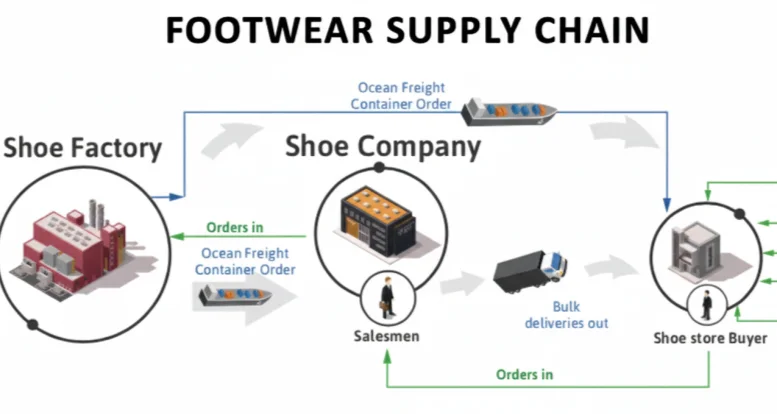
A typical footwear supply chain includes multiple interconnected stages:
- Design & development
- Material sourcing (leather, outsole, hardware)
- Sample production
- Bulk manufacturing
- Quality control
- Packaging & logistics
The efficiency of this entire system—not just manufacturing—determines your success.
This is where the key difference between China and Vietnam becomes clear.
China vs Vietnam: Supply Chain Overview
China Footwear Supply Chain
China has one of the most integrated footwear supply chains in the world.
Key advantages:
- Complete material ecosystem (leather, soles, accessories, hardware)
- Strong development capability (sampling, prototyping)
- Flexible production systems
- Mature manufacturing experience across all categories
China is not just a manufacturing base—it is a full-service footwear supply chain hub.
Vietnam Footwear Supply Chain
Vietnam is known as a manufacturing-focused supply chain, especially for large-scale production.
Key characteristics:
- Strong in assembly-based manufacturing
- Major production base for global sportswear brands
- Relies heavily on imported materials (often from China)
- Limited development and sampling capabilities
Vietnam plays an important role—but mainly in mass production rather than full supply chain control.
Cost Comparison: Is Vietnam Really Cheaper?
Many brands assume Vietnam offers a lower-cost footwear supply chain. The reality is more complex.
Labor Costs
- Vietnam: Lower labor costs
- China: Slightly higher wages
Material Costs
- China: Lower due to local sourcing
- Vietnam: Higher due to imported materials
Hidden Costs
Often overlooked factors include:
- Longer development cycles
- Communication inefficiencies
- Material transportation delays
- Increased sampling iterations
Key Insight:
A lower unit price does not always mean a lower total supply chain cost.
For many brands, China’s integrated footwear supply chain actually results in better cost efficiency overall.
Lead Time & Speed to Market
Speed is one of the most critical factors in today’s fashion industry.
Development Speed
- China: Fast sampling (often 7–15 days depending on complexity)
- Vietnam: Slower due to material dependency
Production Flexibility
- China: Supports small-batch and fast turnaround
- Vietnam: Prioritizes large-volume orders
Market Responsiveness
China enables brands to:
- Launch products faster
- Test new designs quickly
- Adapt to trends efficiently
Key Insight:
In modern footwear supply chains, speed often matters more than cost.
Quality & Product Complexity
China
- Strong craftsmanship across categories
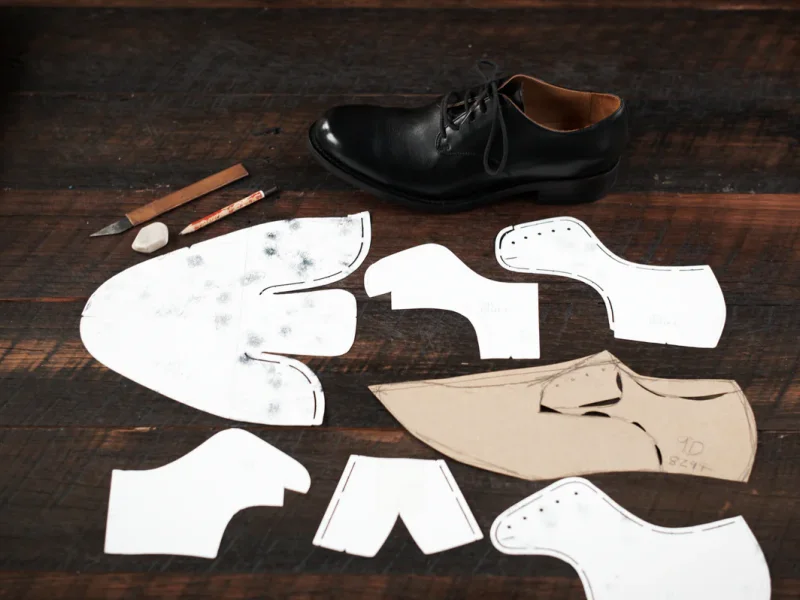
- Ideal for fashion footwear, heels, boots, and custom designs
- Advanced development capabilities
Vietnam
- Strong in standardized production
- Best suited for sports and large-volume footwear
- Limited flexibility in complex designs
If your brand focuses on design-driven or premium products, China offers a more capable footwear supply chain.
MOQ & Flexibility: Critical for Growing Brands
China Custom Footwear Supply Chain
- Flexible MOQ (often 50–200 pairs per style)
- Supports startups and emerging brands
- Easier to test new products
Vietnam Footwear Supply Chain
- High MOQ (typically 500–1000+ pairs)
- Less suitable for small brands
- Focused on large-scale production
Key Insight:
Flexibility is one of the biggest advantages of China’s footwear supply chain.
Supply Chain Integration: The Real Competitive Advantage
One of the most overlooked factors is supply chain integration.
China
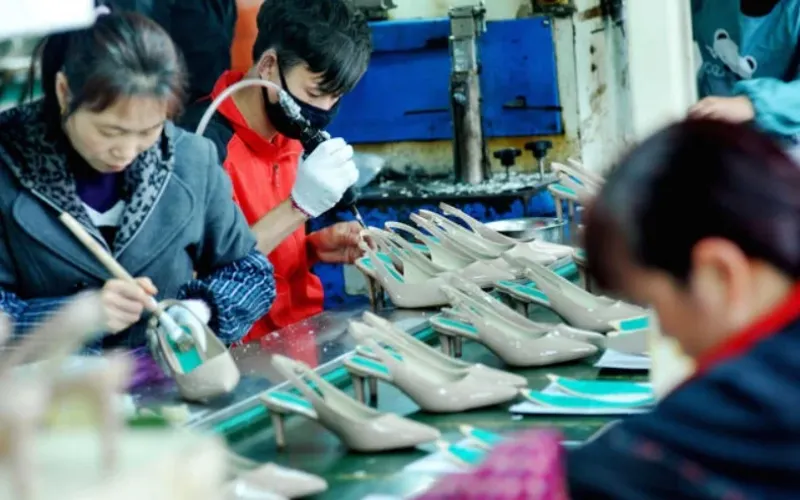
- Materials, development, production, and QC are locally connected
- Faster communication between stages
- Lower risk of delays
Vietnam
- The supply chain is fragmented
- Heavy reliance on imported components
- Increased coordination complexity
Brands working with an integrated custom footwear supply chain gain:
- Faster turnaround
- Better quality control
- Lower operational risk
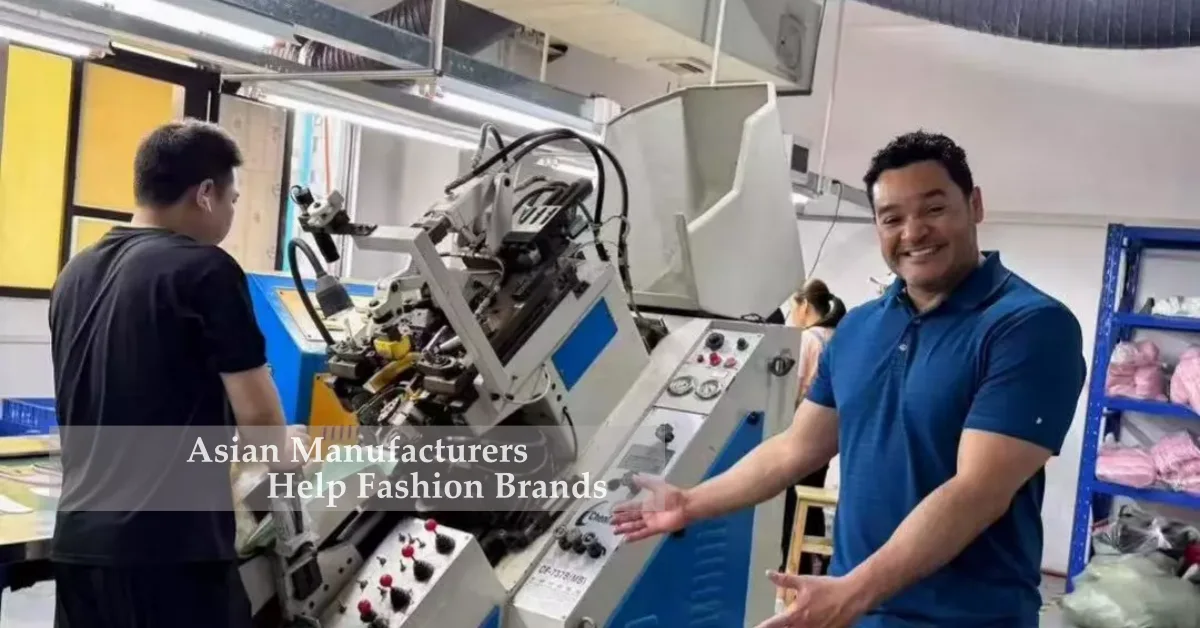
For example, working with a full-service manufacturer like XINZIRAIN allows brands to streamline the entire process. Its sub-brand HERRAINS focuses on providing a one-stop footwear and bag manufacturing solution—from concept development to final delivery—helping brands reduce complexity and scale efficiently.
Risk Factors Brands Often Overlook
When choosing a footwear supply chain, brands should evaluate risks beyond cost:
Vietnam Risks
- Dependence on imported materials
- Limited development support
- Longer lead times for design changes
China Risks
- Quality varies between suppliers
- Requires selecting the right partner
The key is not choosing a country—but choosing the right supply chain partner.
Sustainability & Compliance Considerations
Sustainability is becoming increasingly important in the footwear supply chain.
China
- Stronger regulatory environment
- Growing adoption of eco-friendly materials
- More advanced compliance systems
Vietnam
- Developing sustainability infrastructure
- Compliance varies by factory
Brands targeting EU and US markets should prioritize compliance-ready supply chains.
China vs Vietnam: Side-by-Side Comparison
| Category | China Footwear Supply Chain | Vietnam Footwear Supply Chain |
|---|---|---|
| Cost | Medium (optimized total cost) | Lower labor, higher hidden cost |
| MOQ | Low & flexible | High |
| Speed | Fast | Moderate |
| Development | Strong | Limited |
| Supply Chain | Fully integrated | Fragmented |
| Flexibility | High | Low |
| Best For | Brands & custom projects | Mass production |
Which Footwear Supply Chain Is Right for Your Brand?
Choose China If You:
- Are you a startup or a growing brand
- Need flexible MOQ
- Require design & development support
- Want a faster time to market
- Focus on fashion or premium products
Choose Vietnam If You:
- Produce large volumes
- Have standardized designs
- Prioritize labor cost over flexibility
- Already have established supply chain systems
Final Verdict
There is no one-size-fits-all answer—but for most brands:
China offers a more complete, flexible, and reliable footwear supply chain, while Vietnam is better suited for high-volume, cost-driven production models.
If your goal is to build a scalable and responsive brand, an integrated supply chain will always outperform a fragmented one.
FAQ: Footwear Supply Chain
Is Vietnam cheaper than China for footwear manufacturing?
Not always. While labor is cheaper, total costs can be higher due to material imports and longer lead times.
Why do many brands still choose China?
It has a fully integrated footwear supply chain, faster development, and greater flexibility.
What is the typical MOQ in China vs Vietnam?
China usually offers 50–200 pairs per style, while Vietnam often requires 500+.
Which country is better for startups?
China is more suitable due to lower MOQ and better development support.
Can Vietnam support custom footwear development?
Limited compared to China, especially for complex designs.
How does supply chain integration impact production?
Integrated supply chains reduce delays, improve communication, and lower overall costs.
Start Building a Smarter Custom Footwear Supply Chain
If you're looking to simplify your sourcing process and scale efficiently:
- End-to-end manufacturing support
- Flexible MOQ for growing brands
- Design-to-delivery supply chain solutions
Talk to our team or request a sample today
Build a Future-Ready Footwear Supply Chain
Choosing the right footwear supply chain is not just about cost—it’s about building a system that supports your brand’s long-term growth.
If you want a deeper understanding of how global supply chains are evolving and how brands can stay competitive, you can explore our latest industry insights:
👉Custom Footwear & Bag Supply Chain Outlook by XINZIRAIN
This report breaks down key trends in sourcing, production, and supply chain strategy, helping brands make smarter decisions in an increasingly complex global market.