

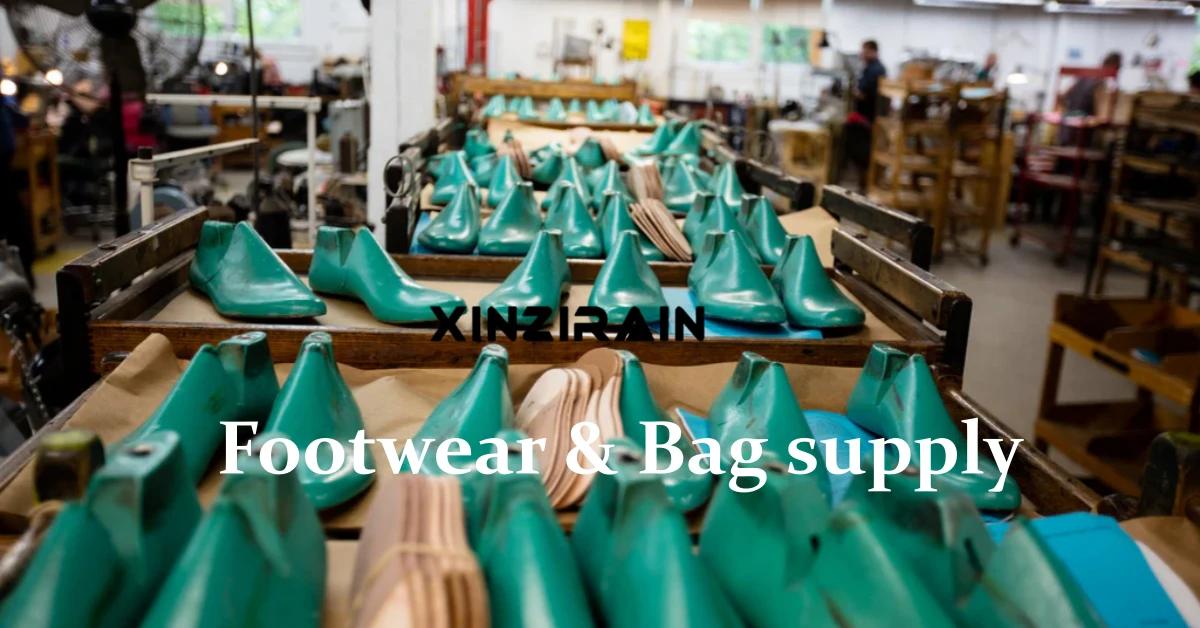
The year 2026 marks a turning point for the global footwear and bag industry.
Behind the steady market growth lies a profound transformation — in supply chain structure, technological adoption, and compliance standards.
For brands, importers, and OEM partners, understanding these shifts is crucial to building a resilient, sustainable, and future-ready manufacturing strategy.
Market Overview: Steady Growth with Smarter Structure
According to The Business Research Company (2025), the global clothing, footwear, and accessories market reached USD 2.13 trillion in 2024 and is projected to grow to USD 2.77 trillion by 2029, at a CAGR of 5.5%.
The footwear sector alone is expanding at 4.2% annually, driven by the demand for comfort, customization, and sustainable materials.
Meanwhile, World Footwear reports that by 2025, global shoe production reached 23.9 billion pairs, with 14.8 billion pairs exported — a solid recovery compared to the post-pandemic years.
In 2026, the emphasis shifts from pure growth to value-driven expansion — prioritizing quality, traceability, and compliance.
The Supply Chain Reset: From Cost & Speed to Resilience & Transparency
Freight & Logistics: A Buyer’s Market
The Drewry WCI index dropped to USD 1,669 per 40-ft container in late 2025 — its lowest in nearly two years — and is expected to remain soft through 2026.
This downward trend allows brands and manufacturers to secure long-term shipping contracts at favorable rates.
However, with new vessel deliveries expected in 2027-2028, freight volatility will likely return, pushing companies to plan multi-year logistics strategies.

Multi-Sourcing and Nearshoring: Risk Diversification
Over 70% of international brands have already restructured their sourcing models to include multi-country production networks — shifting from single-region dependency to “China + Southeast Asia / Eastern Europe” strategies.
XINZIRAIN’s hybrid model—China’s main production base combined with partner factories in Vietnam and Europe—enables brands to maintain cost efficiency while reducing geopolitical and tariff exposure.
Digital Supply Chain & AI Predictability
More than 80% of fashion executives identify AI, big data, and IoT as the keys to future supply-chain visibility.
By integrating ERP, MES, and AI scheduling, manufacturers can reduce lead times by up to 30% and cut order errors by 40%.
XINZIRAIN has fully digitalized its production ecosystem—offering real-time tracking from raw material sourcing to final shipment, ensuring full transparency and predictability for partners.
Compliance & Sustainability: The New Entry Ticket
CBAM and DPP Enter Enforcement Stage
-
The EU Carbon Border Adjustment Mechanism (CBAM) takes effect in January 2026, expanding environmental accountability across supply chains.
While footwear and bags are not first-wave categories, upstream materials (steel hardware, aluminum components) are affected. -
The ESPR (Ecodesign for Sustainable Products Regulation) and Digital Product Passport (DPP) officially roll out in mid-2026, with footwear and textiles scheduled for inclusion by 2027.
What brands and manufacturers must prepare:
-
Build material traceability databases for key components (soles, linings, adhesives, hardware).
-
Record carbon footprint and recycled content data.
-
Pre-configure DPP fields: origin, repairability, recyclability, and material composition.
XINZIRAIN is already aligning its supply chain with DPP data standards to support European compliance requirements.
2026 Fashion Trend Analysis: Design Meets Functionality and Responsibility
Functional Luxury & Lightweight Innovation
Consumers now demand practicality and elegance combined.
Footwear emphasizes lightweight comfort, breathability, and replaceable insoles, while bags highlight expandable capacity, foldability, and light alloy fittings.
Material innovation—EVA, bio-based TPU, and recycled nylon—balances durability with sustainability.
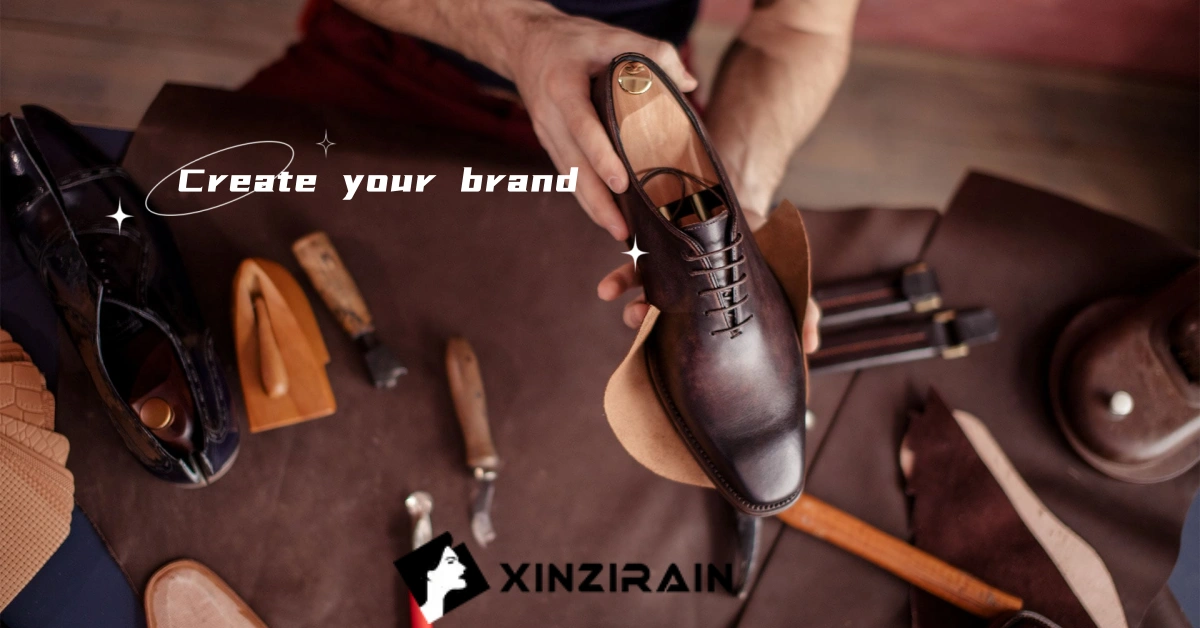
Sustainable Design Becomes the Default
In 2026, sustainability is no longer an option — it’s the new baseline.
Recycled PET, solvent-free PU, and mono-material constructions are becoming mainstream.
Products designed for disassembly and repair align with upcoming EU DPP requirements and circular-economy principles.
Smart Integration & Digital Experience
Technology continues to redefine fashion accessories:
-
Smart shoes equipped with pressure or gait sensors enter wellness and sports markets.
-
Smart bags now feature RFID tracking, anti-theft zippers, and integrated wireless chargers.
-
3D digital sampling and AR virtual fitting reduce sample costs and accelerate time-to-market.
Strategic Recommendations for Brands & OEM Buyers
| Focus Area | Action Plan | Brand Value |
|---|---|---|
| Multi-Regional Manufacturing | Combine China + Southeast Asia + Europe capacities | Risk diversification, tariff advantage |
| Digital Supply Chain | Integrate ERP/MES/AI predictive tools | Real-time visibility, fewer delays |
| Compliance Readiness | Prepare DPP/CBAM documentation | Market access, lower audit risk |
| Sustainable Materials | Shift to recycled & bio-based inputs | ESG alignment, consumer appeal |
| Agile Production | Invest in quick sampling & modular tooling | Shorter launch cycles, reduced inventory |
| Cost Stabilization | Secure long-term freight and raw-material contracts | Predictable pricing, stable margins |
Why Partner with XINZIRAIN
XINZIRAIN integrates design, manufacturing, and supply-chain intelligence to help global brands grow sustainably.
-
Integrated Shoe & Bag Manufacturing: From concept to delivery.
-
Digital Factory Systems: ERP/MES monitoring and production dashboards.
-
Sustainable Production: Certified eco-materials and low-carbon processes.
-
Compliance Support: CBAM & DPP documentation, REACH & Prop-65 testing.
-
Fast & Flexible Development: Sampling in 7-10 days; small batches within 30 days.
With proven expertise serving European and North American brands, XINZIRAIN ensures every project combines style, compliance, and reliability.