
The Gap Between Creative Vision and Manufacturing Reality
Launching a shoe brand is a journey of passion, but the transition from a beautiful sketch to a functional prototype is where most dreams meet a silent end. Industry statistics suggest that nearly 90% of emerging footwear brands fail to move past the prototyping stage successfully. The reason is rarely a lack of creativity; rather, it is a fundamental misunderstanding of the engineering required to turn art into a wearable product. Understanding these technical pitfalls is the first step toward building a sustainable fashion business.
Neglecting the Engineering of the Shoe Last
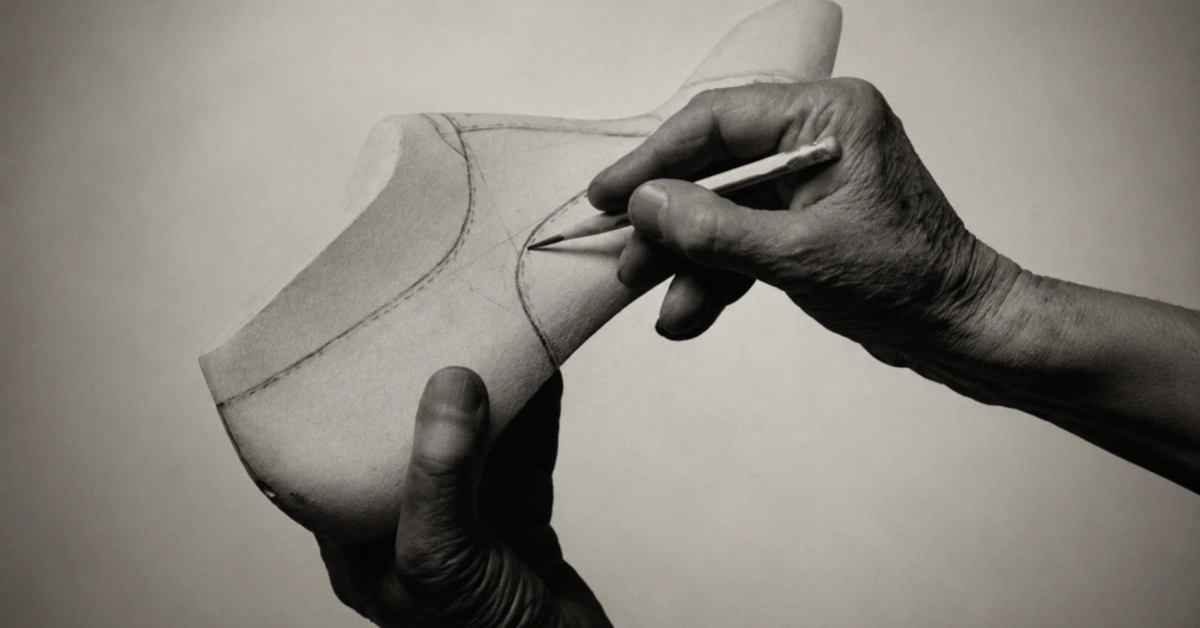
The Soul of the Shoe is the Last
The most common reason for prototype failure is an improperly engineered shoe last. The last is the solid form around which the shoe is molded, determining the fit, comfort, and silhouette. Many designers provide aesthetic sketches but do not understand the biomechanics of the foot. A prototype built on a generic last will often result in a shoe that looks beautiful on a shelf but is impossible to wear. Successful brands treat the last as an engineering project, ensuring the heel pitch, toe box volume, and arch support are synchronized with the design, especially when developing high-performance custom high heels.
Material Selection Without Structural Validation
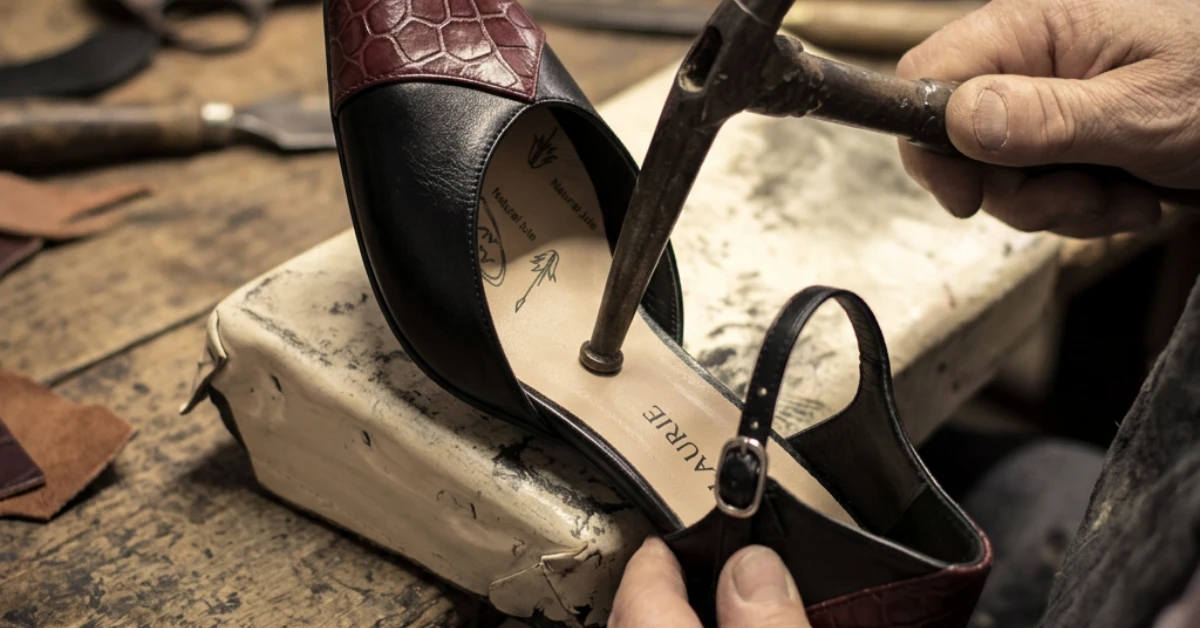
Designers often choose leathers or fabrics based on color and texture, ignoring their physical properties under manufacturing stress. During the lasting process, materials are pulled and heated; if the material lacks the necessary tensile strength or is too thick for specific stitching patterns, the prototype will look clunky or fail to hold its shape. Professional prototyping requires a material validation phase where the technical team audits the compatibility between the design and the chosen textiles.
Why Communication Breakdown Kills Your Samples
The Absence of a Professional Tech Pack
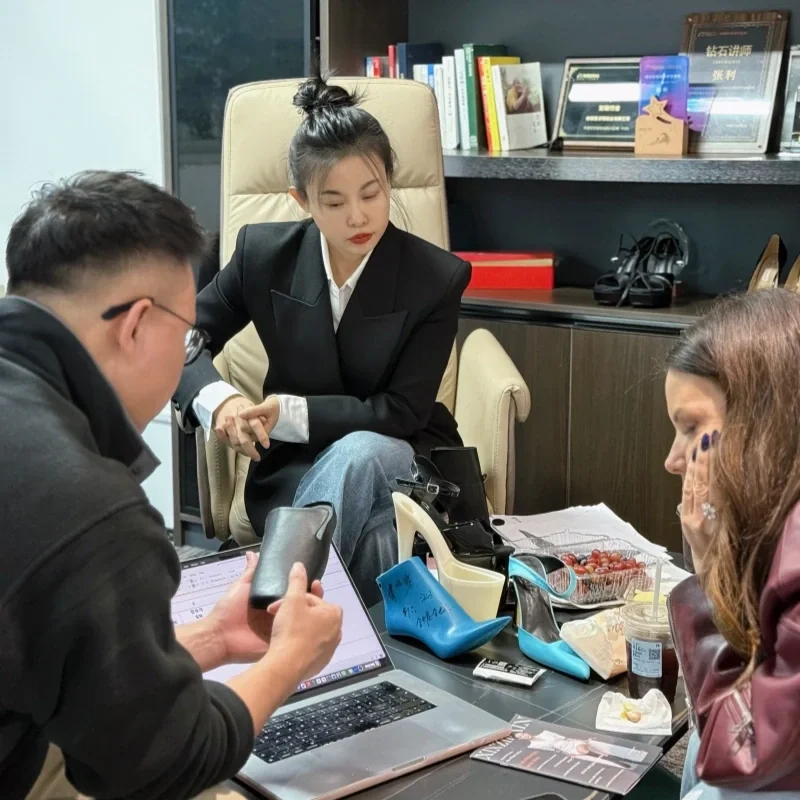
Many designers attempt to communicate their vision through mood boards and verbal instructions. This lack of a technical blueprint, or tech pack, is a fatal mistake. A professional tech pack includes precise measurements, stitching densities, reinforcement layers, and hardware specifications. Without it, the factory is forced to guess, leading to a sample that deviates significantly from the original vision. A tech pack acts as the constitution of your product, ensuring consistency from the first sample to mass production.
Ignoring Grading and Fit Consistency
A successful prototype in size 37 does not guarantee a successful product line. Many brands fail because they do not account for grading—the process of scaling the design across different sizes. If the grading logic is not established during the prototyping stage, the proportions of the shoe will become distorted in larger or smaller sizes. This leads to high return rates and poor brand reputation once the product reaches the consumer.
How to Ensure Your Shoe Prototype Succeeds
Prioritize Technical Auditing and 3D Modeling
To join the 10% of brands that succeed, you must shift your focus from "making a sample" to "engineering a product." Modern brands utilize 3D modeling to visualize the internal structure. You can watch how this process works in our behind-the-scenes brand case documentary, showing the exact journey from a digital concept to a physical retail success. This digital audit allows you to identify potential fit issues and structural weaknesses early. By investing in professional technical auditing, you protect your brand from the costly cycle of endless, failed samples and ensure that your final product is both beautiful and market-ready.
For information on the 3D case study, please refer to this: The 90-Day Sprint: A Strategic Footwear Manufacturing Case Study for Luxury Designers
Partnering with a Technical Expert for Footwear Prototyping
The HERRAINS Difference: Engineering Over Guesswork
To navigate the complexities of footwear development without falling into the common traps that cause a 90% failure rate, you need more than just a manufacturer; you need a technical partner. As a specialized sub-brand of the XINZIRAIN Group, HERRAINS serves as an integrated one-stop incubator for emerging shoe and bag brands. We bridge the gap between high-level design and mass production through a rigorous technical auditing process that ensures your creative vision is grounded in manufacturing reality.
Our Technical Approach to Risk Mitigation
Our manufacturing logic is built on three pillars of precision: digital visualization, technical documentation, and heritage craftsmanship. We utilize advanced 3D modeling to create a digital twin of your product, allowing us to perform a structural audit before a single piece of material is cut. This is followed by the creation of a comprehensive Technical Blueprint that documents every engineering detail of your shoe. By combining this modern technology with over 25 years of traditional craftsmanship, we provide a scalable global manufacturing ecosystem that prioritizes consistency and quality above all else.
Start Your Technical Project Audit Today
The path to a successful shoe brand starts with a single, perfectly engineered prototype. Whether you are launching a private label or scaling an established brand, our team of designers, sourcing specialists, and production managers is ready to support you with professional, flexible, and scalable production resources. Let us help you move faster, reduce your development risk, and bring your fashion vision to the global market with confidence.
Frequently Asked Questions About Shoe Prototyping
How many rounds of prototyping are normally required for a new shoe brand?
For a professional footwear line, it typically takes two to three rounds of prototyping. The first round, often called a prototype or pull-over, focuses on the fit and the shoe last engineering. The second round is the sales-man sample which incorporates final materials and hardware. If the technical tech pack and 3D modeling are done correctly before starting, you can often achieve a production-ready sample by the second round, saving significant time and development resources.
Can I start prototyping if I do not have a professional technical drawing?
While you can start with a creative sketch, it significantly increases the risk of failure. A creative sketch does not communicate the internal structure or the technical engineering required for manufacturing. We recommend converting your sketches into a professional tech pack or a 3D digital model first. This act of technical auditing ensures that the factory understands every detail, from stitching density to reinforcement layers, before the first piece of leather is cut.

What is the difference between a prototype and a salesman sample?
A prototype is a functional test. Its primary goal is to validate the shoe last, the comfort, and the structural integrity of the design. It is often made with substitute materials that have similar properties to the final leather. A salesman sample is the final aesthetic and technical representation of your product. It uses the exact materials, colors, and hardware that will be used in mass production and is used for marketing, photography, and pre-sales.
Why is the shoe last so expensive to develop for new brands?
The cost of developing a shoe last is an investment in your brand's unique fit and "DNA." A last is not just a piece of plastic; it is an engineered tool that balances body weight and ensures ergonomic comfort. Once you have a perfected last, it becomes a proprietary asset for your brand, allowing you to create multiple designs on the same fit foundation, ensuring your customers always have a consistent experience with your shoes.
How does 3D modeling reduce the failure rate of shoe prototyping?
3D modeling allows for a virtual stress test of your design. By creating a digital twin of the shoe, we can identify areas where the material might strain or where the proportions look unbalanced. This digital technical audit allows us to make adjustments in minutes that would take weeks in physical sampling. It bridges the gap between your creative vision and the manufacturing reality, ensuring that the first physical sample is much closer to being production-ready.