
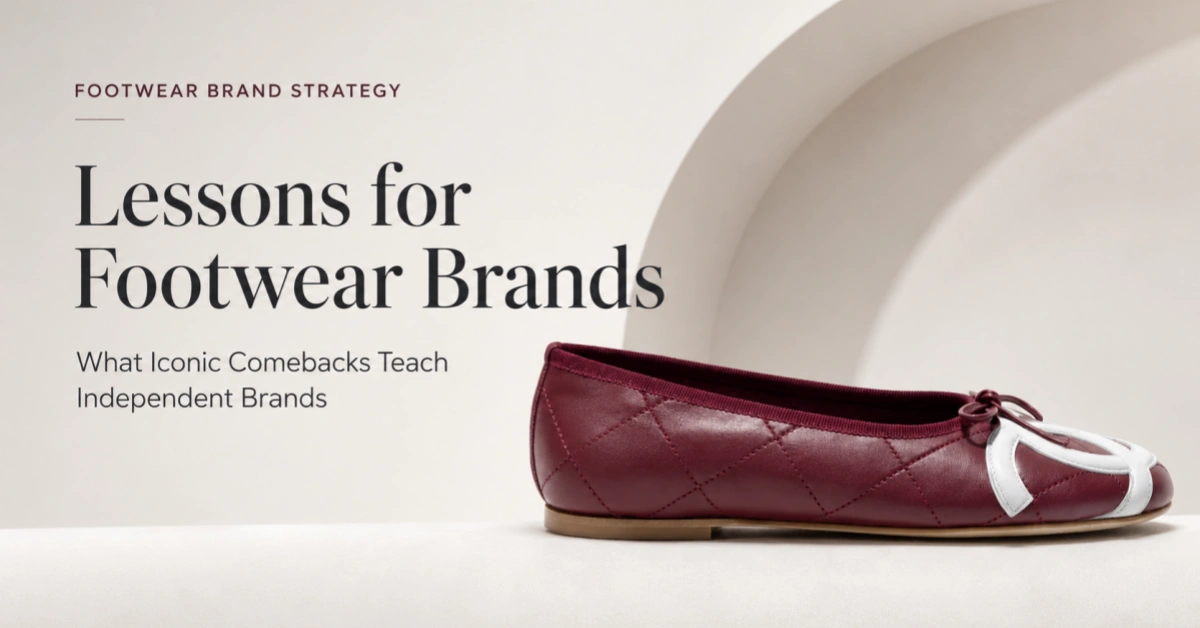


Why Is Chanel's Cambon Footwear Relevant Again?
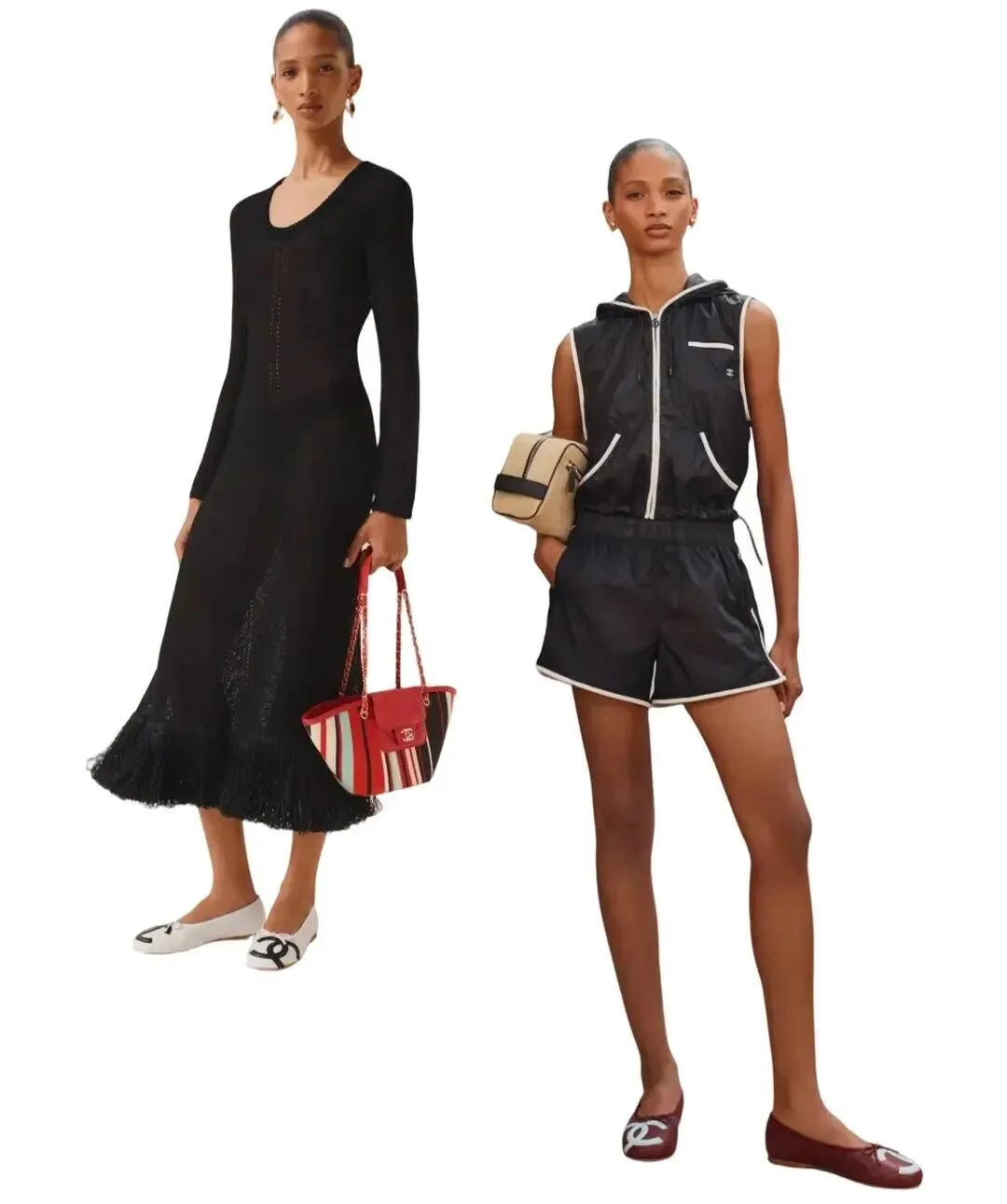
Chanel's Cambon revival reflects a broader shift toward archive-inspired footwear, recognizable brand codes, and updated interpretations of iconic designs. For independent footwear brands, the key lesson is not to copy heritage products, but to develop distinctive shoes that combine recognizable design identity with modern materials, construction, comfort, and manufacturing feasibility.
One of the biggest fashion stories of 2026 is not the arrival of a completely new brand or a radically new silhouette.
It is Chanel returning to the center of fashion conversation.
According to the Lyst Index for Q1 2026, Chanel ranked as the world’s hottest brand. What is particularly interesting for the footwear industry is that shoes played an important role in this renewed momentum, with Chanel Pumps ranking among the quarter’s hottest products.
But behind the headlines is a more useful question for designers and independent footwear brands:
How can a product associated with another era suddenly become relevant again?
The renewed attention around Chanel’s Cambon footwear offers an important lesson. Successful fashion brands do not simply follow trends. They build recognizable product codes, preserve them over time, and know when to reinterpret them for a new generation.
For emerging brands, that lesson may be far more valuable than trying to predict the next viral shoe.
The Cambon Story: When a Product Becomes Brand Memory
To understand the significance of Cambon, we need to go back more than two decades.
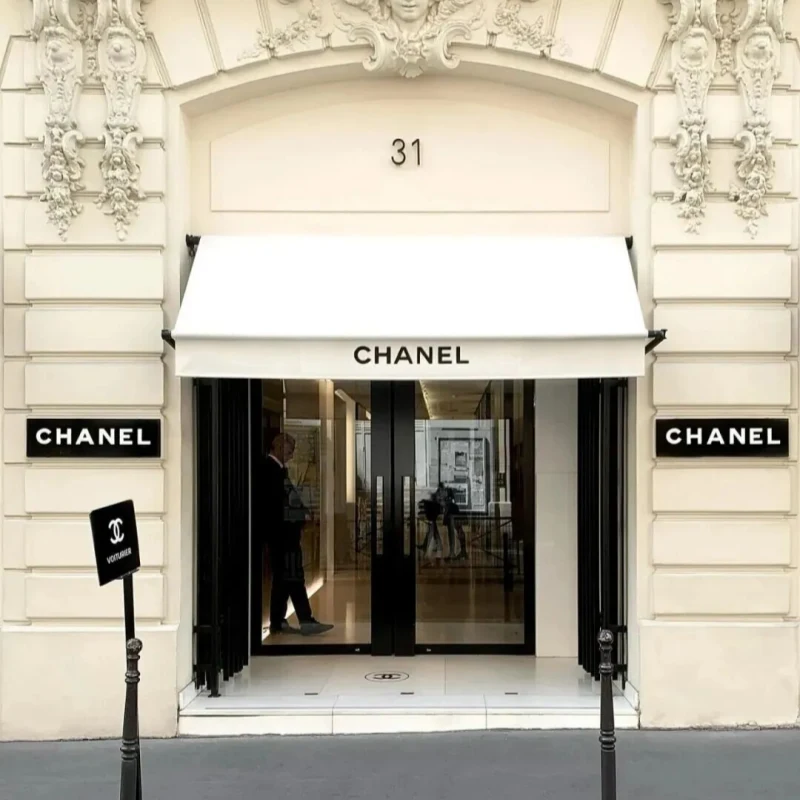
The name comes from Rue Cambon in Paris, one of the most important addresses in Chanel’s history. Gabrielle Chanel opened her boutique there in 1910, and 31 Rue Cambon eventually became closely associated with the identity of the house.
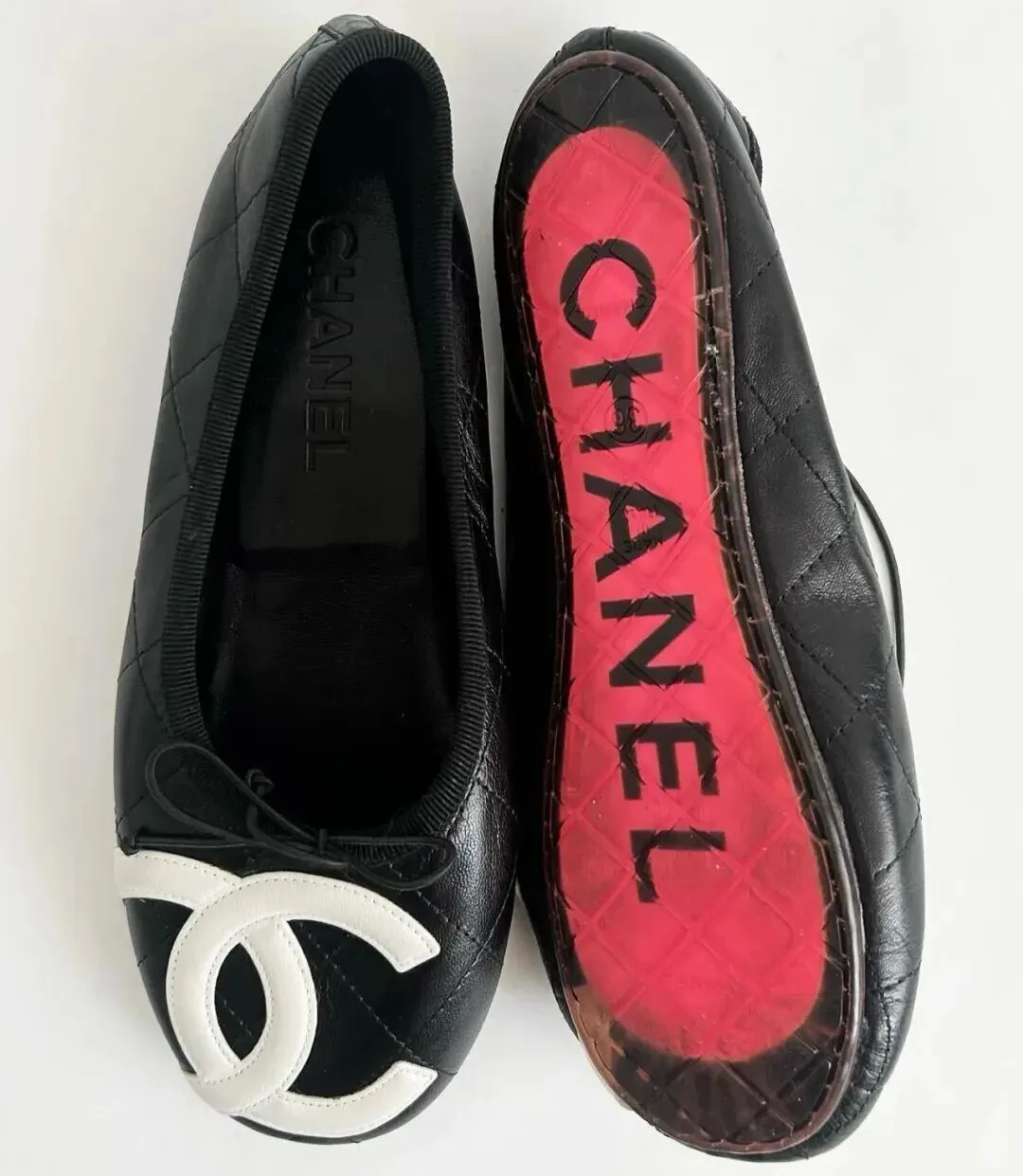
In 2004, under the creative direction of Karl Lagerfeld, Chanel introduced the Cambon collection.
One of its most recognizable characteristics was its unapologetic use of the interlocking CC logo.
Instead of treating branding as a subtle finishing detail, the logo became part of the visual architecture of the product itself.
At the time, that approach felt particularly bold.
The collection gained further visibility through Chanel campaigns featuring Vanessa Paradis and through its association with some of the most recognizable fashion personalities of the early 2000s.
Cambon became part of the visual vocabulary of that period.
Eventually, however, it disappeared from Chanel’s mainstream product offering.
But disappearing from stores does not necessarily mean disappearing from consumers' memories.
For years, Cambon pieces continued to circulate through vintage stores, resale platforms and fashion archives.
That reveals something important about product development:
A strong product can continue creating brand value long after its original selling season has ended.
For an independent brand, that is a very different way to think about a collection.
Instead of asking only, “What can we sell next season?”, the better question may be:
“What are we designing today that could still represent our brand years from now?”
Why Does Cambon Make Sense Again in 2026?
The obvious answer is Y2K.
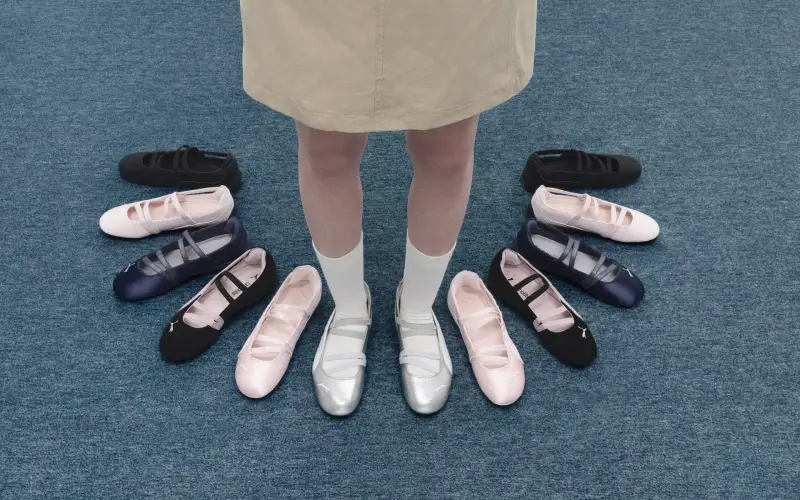
The aesthetics of the late 1990s and early 2000s continue to influence contemporary fashion. Ballet flats, Mary Janes, retro sneakers, expressive logos, low-profile footwear and nostalgic silhouettes have all returned to consumer wardrobes.
Cambon naturally fits into this environment.
But nostalgia alone cannot fully explain why an archive product becomes commercially relevant again.
Consumers rarely want an exact museum reproduction of the past.
They want something more complicated:
A product that feels familiar enough to trigger recognition, but contemporary enough to fit their lives today.
This distinction matters.
Simply reproducing an old design creates nostalgia merchandise.
Reinterpreting an archive product requires a brand to understand which elements should remain recognizable and which elements should evolve.
That can involve changes to proportion, materials, construction, comfort, styling and the way the product is presented.
The strongest archive revivals therefore do not ask:
“What did this shoe look like twenty years ago?”
They ask:
“What made people remember this shoe in the first place?”
That is a fundamentally different product-development question.
Keep the Brand Code. Update the Product.
This principle extends far beyond Chanel.
Many successful footwear revivals follow the same logic:
Preserve recognition while improving relevance.
A consumer should be able to look at the product and understand where it came from.
But when they actually wear it, the shoe must still work within contemporary expectations.
That means archive revival eventually becomes a manufacturing and product-development challenge.
The toe shape may need to be reconsidered.
The last may need adjustment.
Materials may need to provide a different balance of structure and softness.
The outsole may require different flexibility, weight or durability.
Logo placement and hardware proportions may need refinement.
Even seemingly minor changes can alter the character of a shoe significantly.
A 3 mm adjustment to a topline, a slightly wider toe shape, a different leather thickness or a change in heel pitch can affect how a finished shoe looks and feels.
This is why footwear design cannot stop at the sketch.
Design creates the idea. Product development determines whether that idea works in the real world.
Why Shoes Can Become the Gateway to a Brand
There is another reason the Chanel story matters to independent footwear brands.
Shoes can function as powerful entry products into a wider brand universe.
High-end ready-to-wear often requires a specific occasion, styling context or significant purchasing commitment.
Luxury handbags can carry an even higher purchasing threshold.
Footwear occupies an interesting position between identity and utility.
Consumers wear shoes frequently. They appear naturally in street photography, social media content and everyday styling. And when a shoe has a distinctive silhouette, it can communicate brand identity before the consumer even sees the logo.
That makes footwear particularly effective at carrying what the industry often calls a brand code.
A brand code might be expressed through:
- A distinctive toe shape
- A recognizable heel profile
- A proprietary outsole
- A specific material combination
- Signature hardware
- An unusual pattern construction
- Consistent stitching details
- A recognizable color system
- A distinctive relationship between upper and sole
The strongest footwear brands eventually reach a point where consumers can recognize their products without seeing the logo.
That level of recognition does not happen accidentally.
It is built product by product.
What Independent Brands Can Actually Learn from Chanel
For emerging brands, the wrong lesson would be:
“Cambon is popular, so we should make something similar.”
That is trend following, not brand building.
Every season, footwear companies rush toward whatever category appears to be gaining attention.
Ballet flats become popular, so hundreds of brands launch ballet flats.
Retro sneakers rise, and suddenly every collection needs a retro sneaker.
Chunky loafers perform well, and brands begin searching for similar chunky outsoles.
This can create products that look commercially relevant in the short term.
But it rarely creates something consumers remember.
The more valuable lesson from Chanel is this:
Do not only study what is selling. Study why certain products remain recognizable after the trend has passed.
For a new footwear brand, that means answering several difficult questions early.
What Is Your Brand Code?
If someone sees your shoe for three seconds, what should they remember?
The heel?
The toe?
The outsole?
The material?
The hardware?
The proportion?
The way the logo is integrated?
A strong footwear brand gradually develops its own visual grammar.
Not every element needs to be revolutionary.
But the combination needs to feel intentional and repeatable.
Can One Product Represent the Brand?
Many new founders begin by trying to develop too many products.
Ten shoes.
Fifteen colorways.
Several categories.
Multiple materials.
The result is often a collection with breadth but no clear center.
A more disciplined strategy can be to build around a hero product.
That product should communicate the strongest version of the brand's design language.
A distinctive loafer can later influence a mule.
The same outsole language might evolve into a boot.
A signature hardware component can appear across several categories.
Materials and colors can change while the underlying design DNA remains consistent.
Eventually, individual products begin to look like members of the same family.
That is when a collection starts becoming a brand.
Are You Designing for Social Media or Real Life?
Modern footwear brands cannot ignore social media.
A sculptural heel, unusual material, oversized buckle or unexpected sole construction can generate enormous visual attention.
But attention alone does not create a sustainable footwear business.
A shoe must also work when someone wears it.
That requires consideration of:
- Fit
- Comfort
- Weight
- Balance
- Flexibility
- Material performance
- Durability
- Size grading
- Construction stability
- Production consistency
A shoe can receive thousands of likes and still generate poor repeat purchases if it is uncomfortable or poorly constructed.
Virality creates attention. Wearability creates repeat customers.
Successful product development needs both.
The Manufacturing Question Many New Brands Ask Too Late
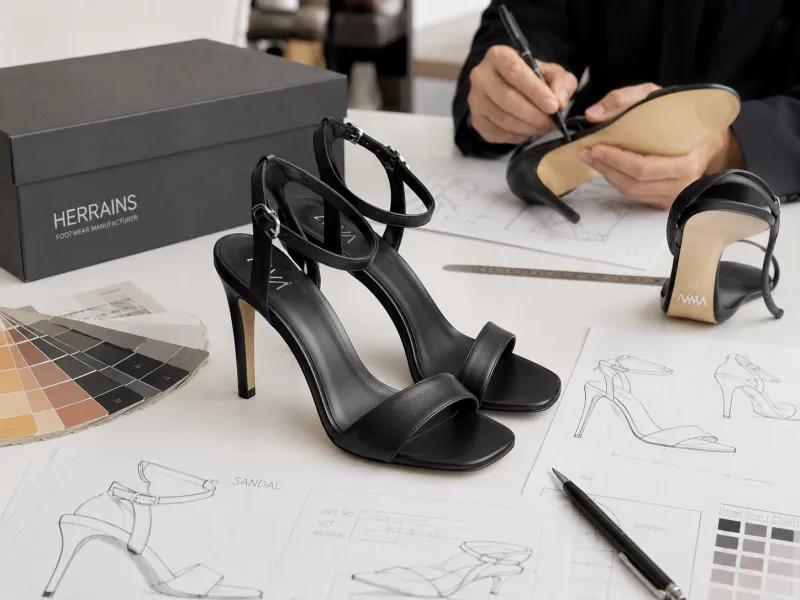
One of the most common mistakes among independent footwear founders is treating manufacturing as the final step.
They develop the logo.
They create the brand identity.
They build the website.
They prepare campaign concepts.
They create packaging.
They produce renderings.
Only then do they start searching for a shoe manufacturer.
By that stage, some of the most important product decisions may already have been made without manufacturing input.
Footwear is not a product that exists entirely inside a design file.
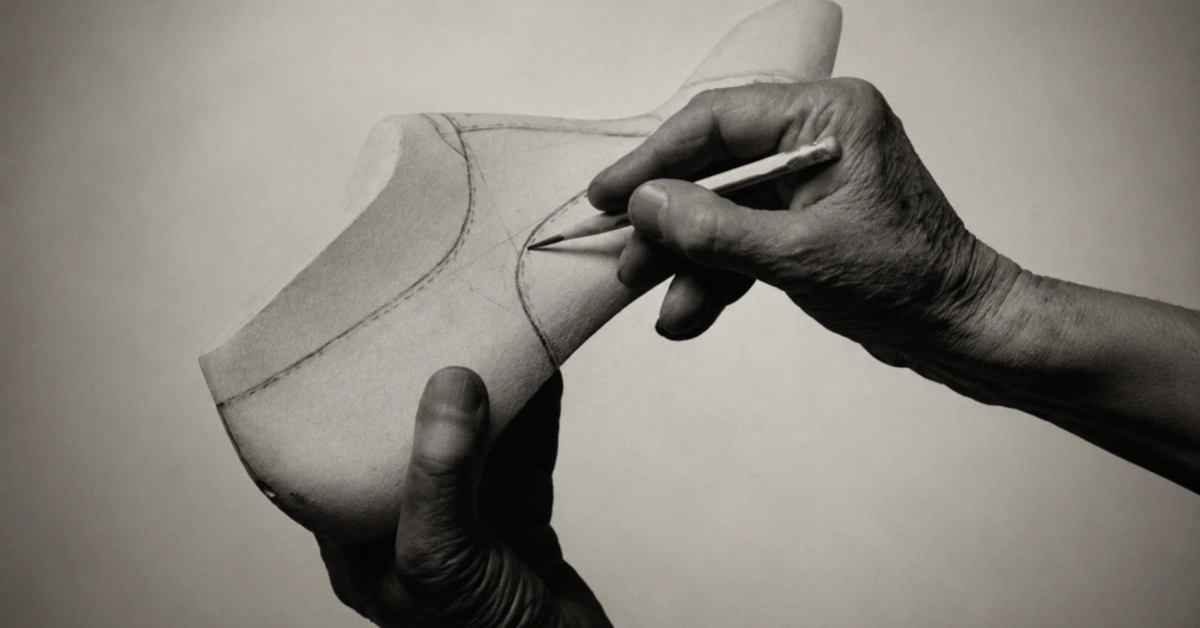
A rendering cannot tell you whether a last will fit the target customer.
A sketch cannot fully determine whether the topline will hold its shape.
A 3D concept cannot automatically guarantee that a sculptural heel will support the required load.
A material swatch cannot tell you exactly how the leather will behave after repeated flexing.
These questions emerge through actual development.
That process may include:
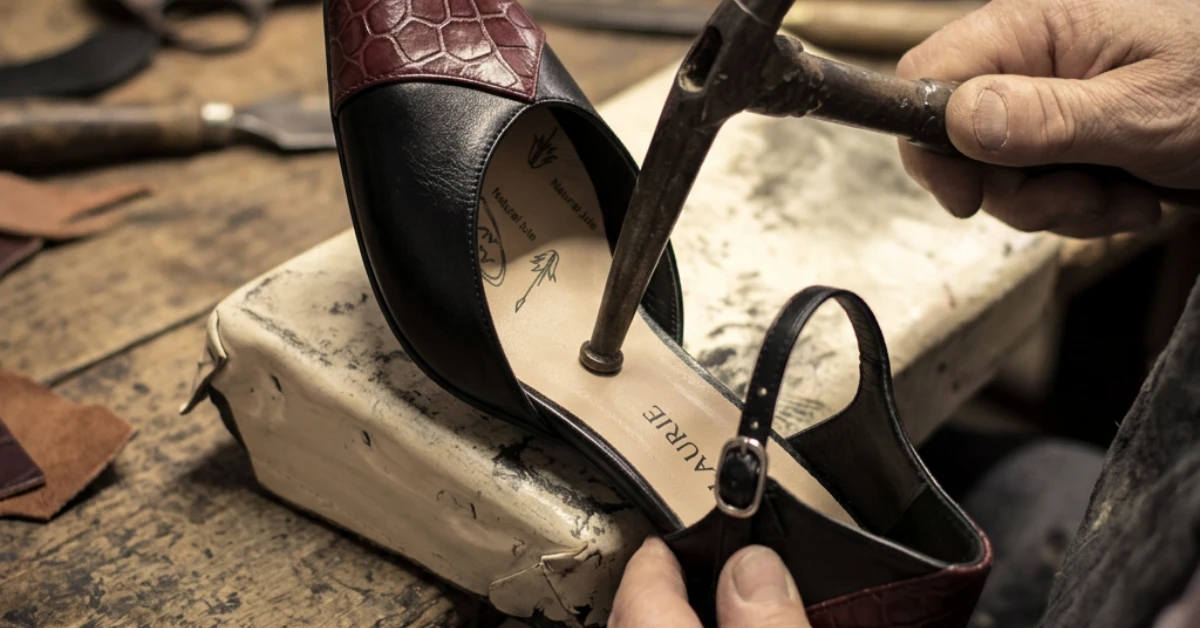
Tech pack development → material sourcing → last development → pattern making → prototype development → fitting → sample revision → testing → pre-production confirmation → bulk manufacturing.
This is where the relationship between a brand and its manufacturer becomes critical.
The question should not simply be:
“Who can manufacture this shoe?”
A more useful question is:
“Who can help turn this concept into a commercially viable footwear product?”
Those are two very different manufacturing relationships.
Your Manufacturer Should Be Part of Product Development
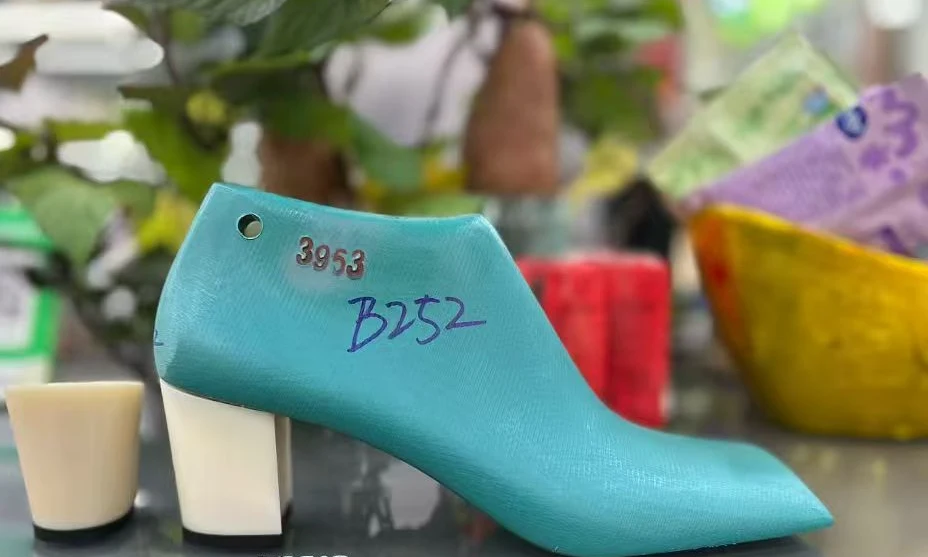
The right footwear manufacturing partner should contribute before mass production begins.
Consider a designer developing a sculptural high heel.
Visually, the concept may already look complete.
Technically, however, the development team still needs to determine:
How will the heel connect to the shoe structure?
Does the design require a custom heel mold?
Where are the primary load-bearing points?
Does the last bottom profile match the heel construction?
Can the selected material wrap around the geometry consistently?
Does the heel height require adjustments to the forepart?
How should the structure change across different sizes?
Will the design remain visually proportional after grading?
These decisions are not visible in a campaign image.
But they determine whether the product can eventually become a reliable commercial shoe.
The same principle applies to sneakers, loafers, sandals, boots and other footwear categories.
A manufacturer should therefore be more than a production endpoint.
For serious brands, manufacturing becomes part of product engineering.
Build a Product System, Not Just a Collection
There is another lesson hidden inside successful heritage brands.
They rarely rely on isolated products.
Instead, they create systems.
A recognizable toe shape appears repeatedly.
A hardware element evolves across collections.
A signature outsole is adapted to several upper constructions.
A color combination becomes associated with the brand.
A heel architecture becomes recognizable.
Over time, these elements accumulate.
Consumers begin connecting them with the brand automatically.
For independent labels, this approach is particularly valuable because it can make product development more coherent.
Instead of starting from zero every season, the brand builds an internal design library.
Successful lasts can be refined.
Existing constructions can evolve.
Hardware families can expand.
Signature details can move between categories.
The brand's manufacturing knowledge grows together with its visual identity.
That is how product development begins creating intellectual and commercial value beyond a single season.
You Do Not Need to Become the Next Chanel
The goal of studying Chanel should never be to create another Chanel.
The market does not need one.
What independent founders can learn from heritage brands is how to think beyond individual products.
Chanel can revisit a design language from decades ago because the house has spent decades creating recognizable product assets.
A young brand obviously does not have that archive yet.
But every archive has a beginning.
Every established footwear company once developed its first shoe.
So instead of asking:
“How can we create something like Chanel?”
Ask:
“What can we create today that customers might still recognize ten years from now?”
That question changes the development process.
You begin paying more attention to proportion.
You think differently about materials.
You become more selective about hardware.
You reconsider whether every trend deserves to enter the collection.
You start thinking about how one product can evolve into another.
And perhaps most importantly, you stop treating manufacturing as a simple purchasing decision.
You start treating it as part of building the brand.
From an Idea to Your Own Signature Footwear
For an independent designer, startup or established fashion company entering footwear, creating a recognizable product requires both creative direction and technical execution.
This is where the choice of manufacturing partner becomes important.
HERRAINS, a sub-brand of XINZIRAIN, is positioned as a one-stop footwear and bag manufacturing solution provider for global brands, designers and private-label businesses.
Rather than approaching footwear manufacturing as production alone, HERRAINS supports the broader development process from concept to commercial product.
Depending on the project, that process can include:
- Design refinement
- Tech pack development
- Material sourcing
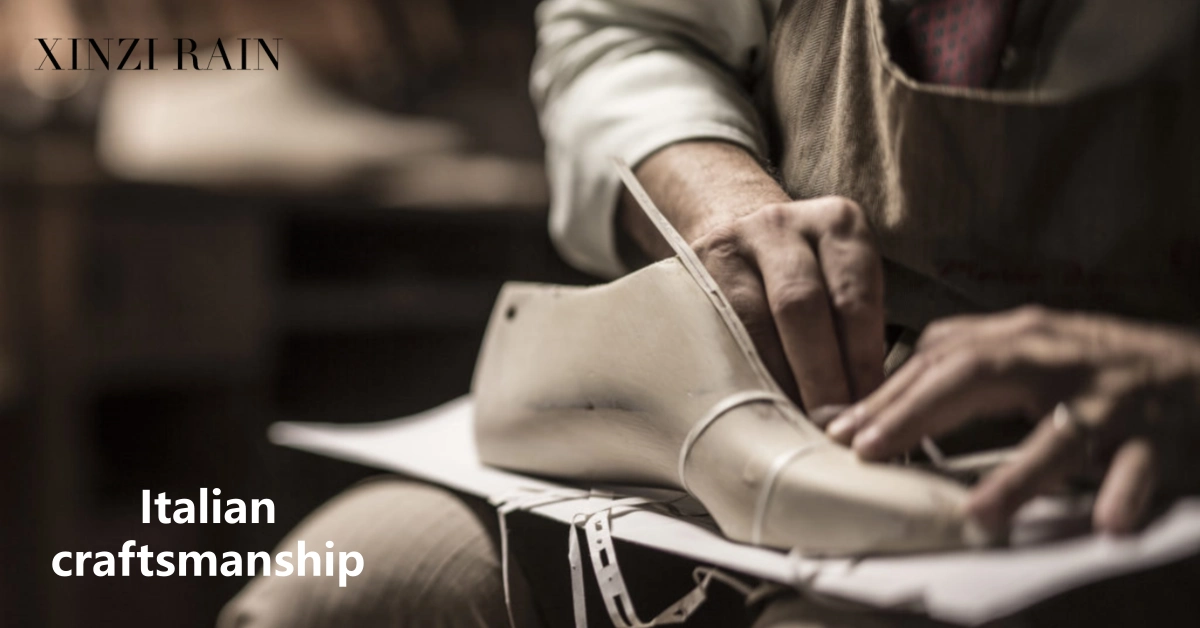
- Last development
- Pattern engineering
- Prototype and sample development
- Custom heel and outsole development
- Mold development
- Custom hardware
- Logo application
- Fitting and sample revisions
- OEM / ODM manufacturing
- Quality control
- Custom packaging
- Export and global logistics
For a brand founder, the value of the right manufacturer is not simply the ability to produce a shoe according to a drawing.
It is the ability to identify what needs to happen between the drawing and the finished product.
Sometimes that means adjusting a pattern.
Sometimes it means testing another leather.
Sometimes the heel structure needs engineering.
Sometimes the outsole needs modification.
Sometimes the original design needs to be simplified for production without losing its visual identity.
These decisions determine whether creative direction survives the transition from concept to manufacturing.
Your "Chanel" Story Starts with the First Product
Chanel's current momentum demonstrates something much bigger than the return of a particular shoe.
It demonstrates the long-term value of recognizable products.
A shoe created today can be seasonal inventory.
Or it can become the beginning of a brand language.
The difference lies in how deliberately it is designed, developed and manufactured.
For emerging footwear brands, the opportunity is not to reproduce the Cambon story.
It is to create your own.
Your future signature shoe may begin with nothing more than a sketch, a reference image, a material idea, an unusual heel, a new outsole concept or a silhouette that does not yet exist on the market.
What matters is what happens next.
Can that idea become a technically sound product?
Can it be manufactured consistently?
Can it develop into a wider collection?
Can consumers recognize it?
Can the design evolve without losing its identity?
And one day, could your brand return to that original product and discover that customers still remember it?
That is the difference between manufacturing another shoe and beginning to build a footwear brand.
You do not need to build the next Chanel.
You need to build the first product that people will one day recognize as yours.
If you already have a footwear concept, sketch, reference image or tech pack, HERRAINS can work with you to evaluate the materials, construction, last, outsole, heel, hardware and manufacturing feasibility before moving through prototype development and production.
Start your footwear development with HERRAINS — and build a product worth remembering.
Frequently Asked Questions
Why are archive footwear designs becoming popular again?
Archive footwear combines familiarity with novelty. Consumers recognize design elements from previous fashion eras, while brands can update the original products through new proportions, materials, construction methods and styling. This allows heritage-inspired shoes to feel recognizable without appearing outdated.
What can independent footwear brands learn from Chanel?
Independent brands can learn the importance of developing recognizable product codes rather than simply following seasonal trends. Signature toe shapes, heels, outsoles, hardware, materials and construction details can gradually create a visual identity that consumers associate with the brand.
What makes a shoe a signature product?
A signature shoe has distinctive and repeatable design elements that remain recognizable across seasons. These may include a proprietary silhouette, heel shape, outsole construction, hardware system, material combination or other consistent product details.
When should a footwear brand contact a manufacturer?
Ideally, a footwear manufacturer should become involved during the product-development stage rather than only after the design is finalized. Early technical input can help evaluate materials, lasts, patterns, heel or outsole construction, hardware, fitting and production feasibility.
What is the footwear development process for a new brand?
A typical custom footwear development process may include concept evaluation, tech pack development, material sourcing, last selection or development, pattern making, prototype sampling, fitting, sample revisions, pre-production confirmation, manufacturing, quality control, packaging and shipping.
Can HERRAINS develop footwear from a sketch or reference image?
Yes. HERRAINS supports footwear development from sketches, reference images, design concepts and professional tech packs. Depending on the project, development can include material sourcing, last and pattern development, custom heels or outsoles, hardware, sampling, revisions and OEM/ODM production.
What should I look for when choosing a footwear manufacturer?
Brands should evaluate more than production price. Important factors include product-development capability, material sourcing, pattern and last expertise, sampling quality, communication, quality-control systems, customization capabilities and the manufacturer's ability to support the product from concept through commercial production.