

For premium fashion labels, late Q4 is not a time to rest on holiday sales. It is the critical operational pivot where next-season survival is won or lost. Because physical factories shut down for several weeks during the winter holidays, any delay in November sampling cascades into months of missed spring retail opportunities. This deep operational guide breaks down the 6-phase pre-holiday blueprint to protect your cash-flow and secure priority production capacity.
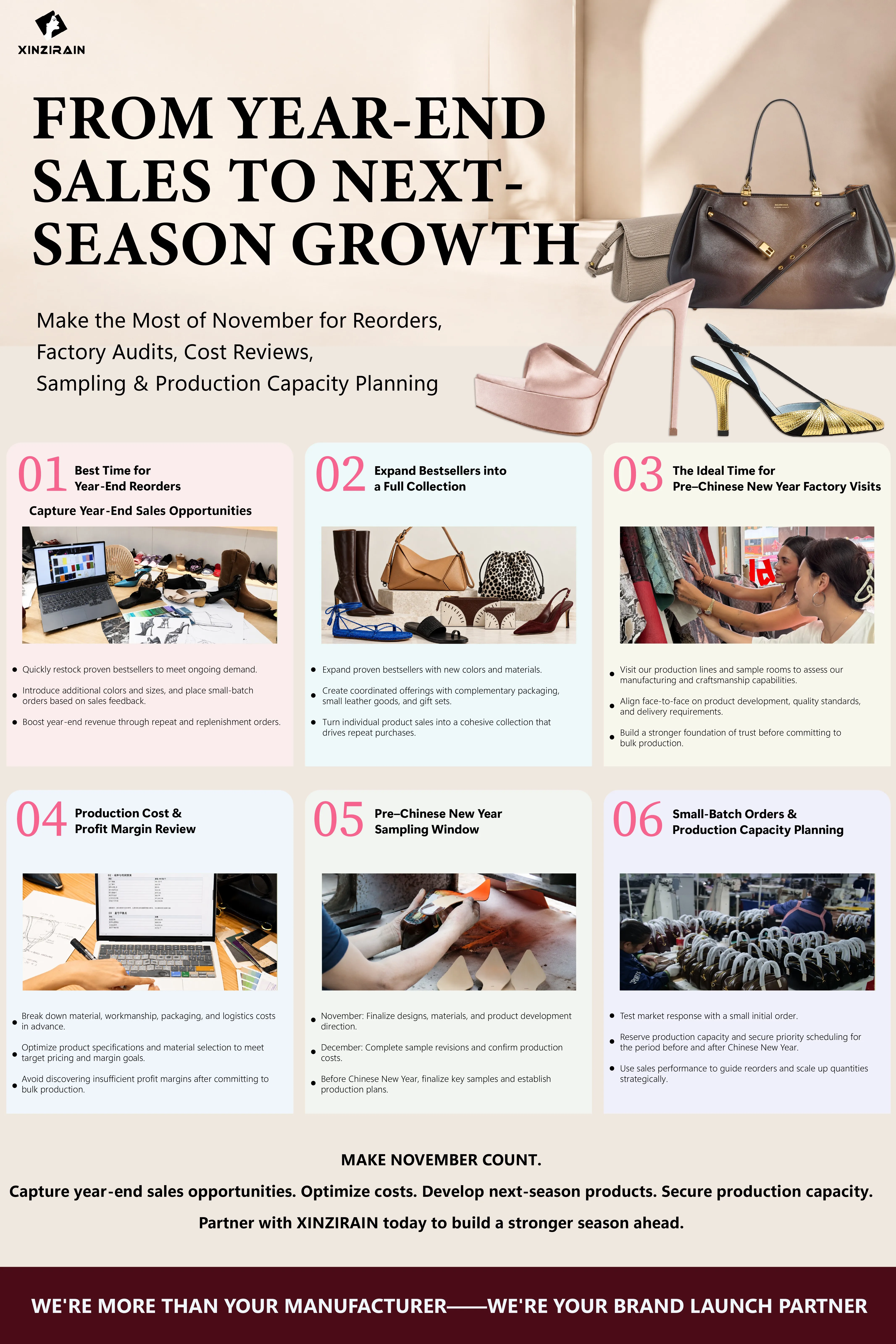
As a contemporary fashion label, navigating the transition from year-end sales to next-season product lines is one of the most complex balancing acts in business. Q4 is undoubtedly the high-traffic harvest season where customer demand peaks; however, focusing entirely on short-term retail fulfillment while neglecting your backend supply chain is a terminal operational mistake.
In global fashion manufacturing—particularly across specialized hubs in East Asia—the winter shutdown represents a rigid structural bottleneck. Factories, raw material tanneries, and custom hardware workshops close entirely for up to three weeks for the Chinese New Year (CNY) holidays. If your design validations, pattern-making, and tooling adjustments are not finalized before this period, your Spring/Summer collections will not hit retail floors until June—effectively killing your high-margin seasonal sales.
To navigate this high-stakes window, smart independent designers and growing fashion brands do not treat sourcing as a transactional, post-design step. They align with an agile, full-service custom footwear and handbag manufacturer that operates with a "brand launch partner" mentality. Rather than forcing you into rigid mass-production scales, the right partner provides the engineering frameworks to help you iterate rapidly and secure priority production slots during the Q4 rush.
Many founders fall into the trap of delaying next-season sampling because they are chasing lower per-unit cost quotes from massive high-volume OEM factories. These factories have rigid MOQs (500 to 1,000 pairs per style) and long lead times. Committing capital to massive inventories before validating your fit and design is a severe risk. Cash-flow velocity—not paper discounts—is what fuels brand longevity. Working with an agile custom footwear and handbag manufacturer that supports flexible 100-unit MOQs allows you to allocate capital to marketing and rapid, on-demand replenishment rather than deadstock.
Why Your Q4 Sourcing Strategy Dictates Next-Season Spring/Summer Cash Flow
The math behind footwear and handbag production timelines is unforgiving. Unlike simple apparel, shoes and bags are highly structured engineering products requiring custom tooling, lasts , and specialized load-bearing components like steel shanks and reinforced stiffeners.
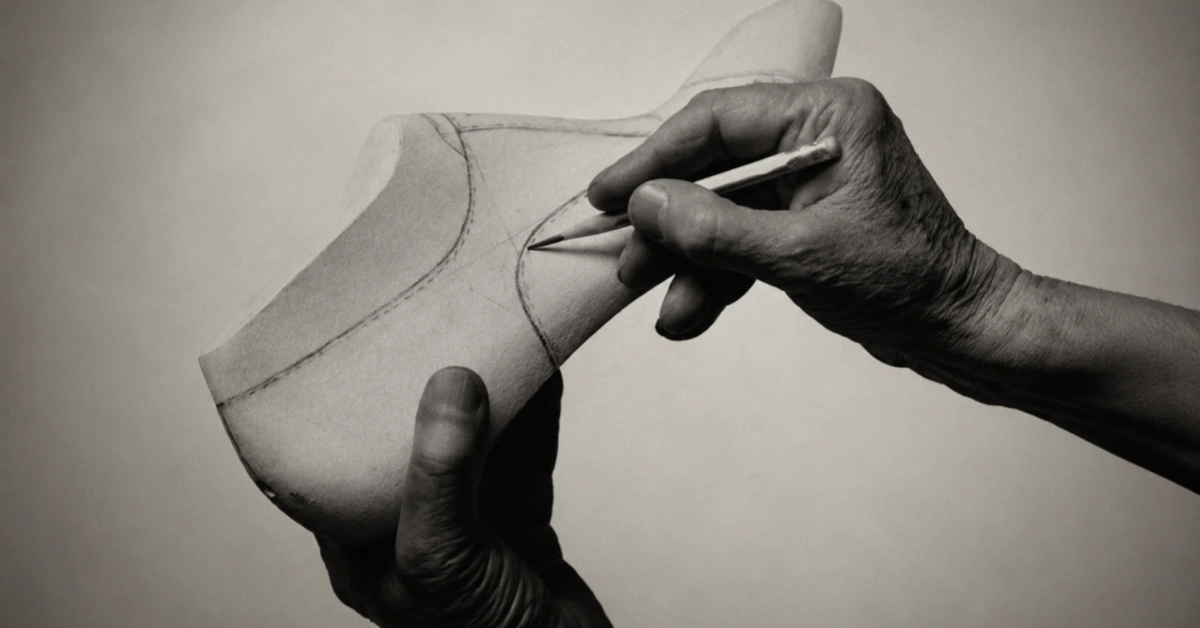
When you develop a new style, the physical development cycle requires at least 4 to 6 weeks. This includes carving the initial wooden last, grading the sizing, sourcing matched-batch premium leathers, and crafting metal tooling molds for custom heels or custom buckle hardwares. If your master "golden samples" are not verified and locked by mid-December, you will lose your spot in the pre-holiday production queue.
By establishing a clear, phased operational roadmap in November, you achieve two massive strategic advantages:
- First-Mover Market Entry: Your Spring/Summer collections are finalized and shipped before the holiday freight congestion, allowing you to launch in early spring when customer buying intent is highest.
- Frictionless Iteration: You have enough padding in your calendar to execute physical revision rounds without incurring emergency air-freight fees or rushing vital fit testing.
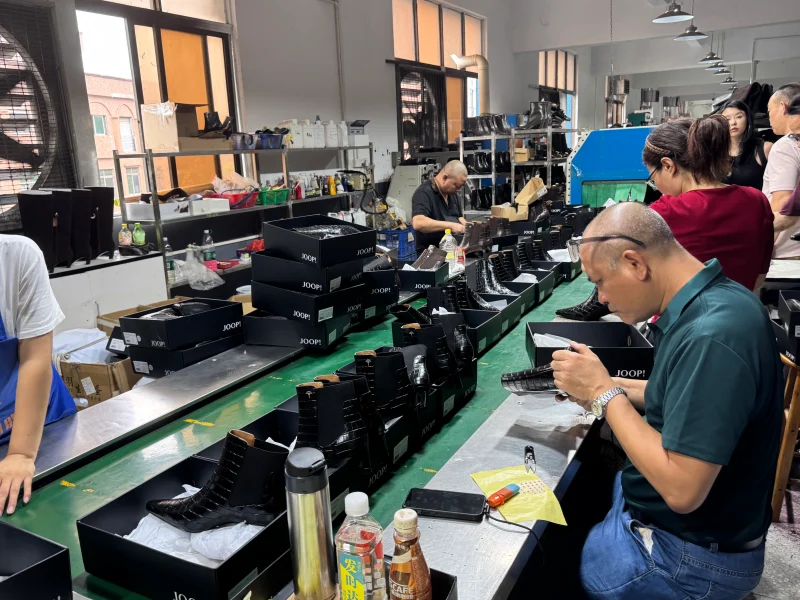
The 6-Phase Pre-Holiday Operational Blueprint
Based on 25 years of luxury group manufacturing heritage and B2B brand incubation, our engineering team has structured the ultimate pre-holiday roadmap. By breaking down your supply chain tasks into these 6 critical phases, you can seamlessly convert holiday traffic into long-term collection growth.
- Quickly restock proven bestsellers to meet ongoing high-season holiday demand.
- Introduce additional small-batch colors and sizes based on real-time sales data.
- Maximize immediate Q4 revenue through agile replenishment cycles.
- Leverage your hot sellers by expanding them into cohesive, high-margin capsules.
- Coordinate offerings with custom-matched small leather goods (SLGs) and gift sets.
- Increase Average Order Value (AOV) through complementary accessory pairing.
- Execute physical or detailed virtual factory audits to verify technical tooling limits.
- Align on material specifications, chemical REACH compliance, and craftsmanship.
- Build structural trust before releasing deposits for next-season mass runs.
- Deconstruct Bill of Materials (BOM), hand-stitching labor, and custom packaging.
- Engineer out unnecessary construction complexity while preserving design DNA.
- Lock down precise target pricing to protect your wholesale and retail margins.
- November: Freeze initial sketches, lasts, and material boards.
- December: Finalize physical samples and execute fit corrections.
- January: Sign off on Golden Samples and secure post-holiday factory restarts.
- Test early spring market response with a low-risk, small initial test batch.
- Reserve physical factory capacity and material runs for the immediate post-CNY slot.
- Scale up bulk production strategically using real-world launch data.
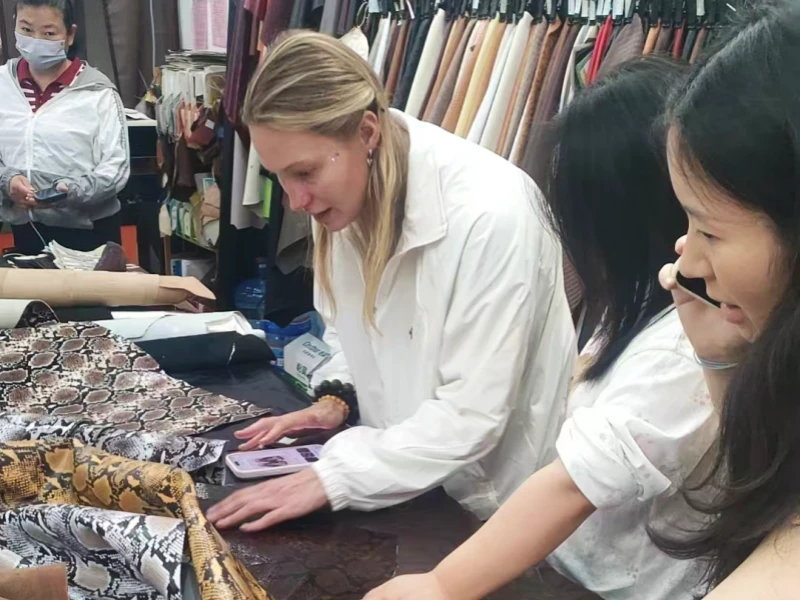
How to Auditing Cost and Margin: The Strategic Balance
When you collaborate with a high-end custom footwear and handbag manufacturer, the dialogue must transition from simple transaction pricing to strategic cost-engineering. A major flaw in traditional B2B manufacturing is the lack of transparency in costing, which forces independent brands to inflate their retail prices or sacrifice their margins.
An audit of production costs should not be about squeezing the factory’s margin; rather, it is about optimizing the design to match your target retail pricing. This is where our "Validate, Launch, Scale" framework creates massive value.
| Sourcing Phase | BOM / Construction Strategy | Margin Impact | Herrains Empowerment Action |
|---|---|---|---|
| Validate | Focus on 72-hour 3D virtual prototyping and rapid physical last grading. Eliminate expensive steel-molded custom heels in the first pass. | Reduces initial tooling costs by up to 60%, protecting seed capital. | Review designs under strict NDA to identify high-risk construction bottlenecks before cutting leather. |
| Launch | Deploy a flexible 100-pair MOQ. Use high-grade in-stock tanneries and focus on high-margin, core matching shoe-and-bag sets. | Mitigates inventory carrying risk and prevents capital lockup in slow sizes. | Execute detailed margin mapping and structure complete, custom packaging and dustbags in one run. |
| Scale | Transition to custom-tanned, REACH-compliant leathers. Amortize hardware tooling across larger 300+ unit replenishment batches. | Reduces per-unit production cost by 15% to 25%, widening your retail margins. | Leverage our 25-year manufacturing infrastructure to set up rolling material reserve programs (VMI). |
Technical Sovereignty: What Every High-End Shoe & Bag Founder Must Inspect
For luxury and contemporary designers, your brand's reputation rests entirely on "Technical Sovereignty"—having complete control and absolute clarity over the physical construction, material safety, and engineering tolerances of your products. When evaluating a potential custom footwear and handbag manufacturer, never settle for vague promises. You must inspect three non-negotiable technical details:
Last-Grading and Sizing Tolerances
The wooden last dictates the posture, pitch, and comfort of a heel or boot. Low-cost manufacturers often use generic, standard lasts bought off-the-shelf, leading to poor heel-arch support and toe pinches. A premium custom footwear and handbag manufacturer like Herrains utilizes internal CAD/CAM last-grading systems, ensuring that sizing scaling (from EU35 to EU42) maintains flawless weight distribution and perfect visual proportions.
Structural Integrity and Torque Tests
In high-end stilettos, high heels, and structured shoulder bags, structural failure is a major liability. The steel shank placed inside a shoe's insole must withstand vertical load-bearing limits. Similarly, the load-bearing stress points of a handbag strap must be reinforced with internal nylon webbing and heavy-duty double-stitching. At our physical production facility, we subject every hardware component and structural shank to vertical stress-testing to guarantee that your brand delivers absolute durability.
Chemical Compliance & Materials Sourcing
Exporting leather goods and custom footwear to markets like Germany, France, the US, and the Middle East requires absolute adherence to chemical safety guidelines, such as Europe's REACH regulations. Cheap adhesives, solvent-heavy varnishes, or low-grade metal hardware finishes can emit high levels of volatile organic compounds (VOCs) or lead to color-fading. Our supply chain relies strictly on eco-certified tanneries and non-toxic, water-based adhesives, protecting your brand from custom holds and costly returns.
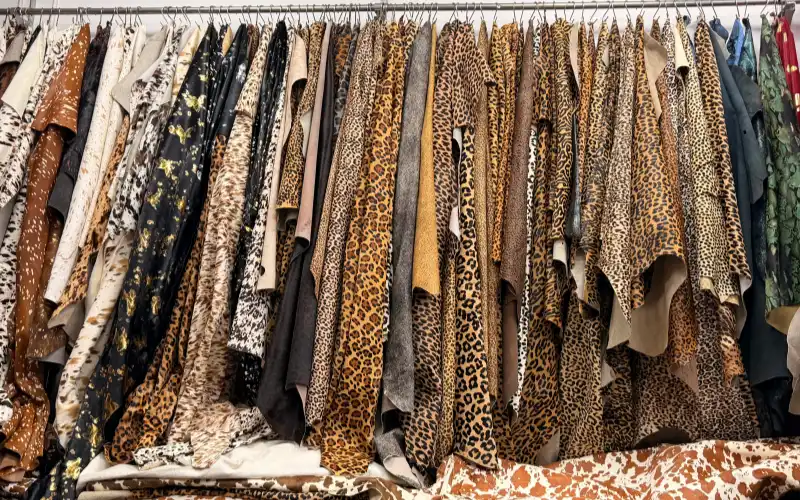
"We help fashion brands turn footwear and bag ideas into market-ready products." By acting as your dedicated brand launch partner, we bridge the gap between creative design and technical factory execution, giving you the elite tools and manufacturing precision usually reserved for legacy luxury conglomerates.
How to Launch: Steps to Secure Your Pre-Holiday Production Slot
As November approaches, our physical development calendars fill up rapidly. To ensure your Spring/Summer collections do not suffer from the holiday bottleneck, we recommend initiating the "Validate" phase immediately. To secure a high-priority sampling slot, ensure your initial technical brief includes:
- Clear Design Direction: A sketch, illustration, digital mock-up, or physical reference image. Our technical pattern-makers can translate simple sketches into complete, production-ready tech packs.
- Target Retail Pricing: By sharing your planned retail or wholesale pricing, our design and engineering team can proactively suggest the exact leather grades, outsole materials, and hardware finishes to safeguard your desired profit margins.
- Moat-Building Strategy: We sign bilateral NDAs before any design exchange, isolating your proprietary patterns, custom heel molds, and hardware designs in secured physical and digital silos.
At Herrains, we serve as the footwear and handbag brand-launch partner for independent designers and growing contemporary labels. Let our engineering team review your sketches, reference images, or tech packs under strict NDA and provide a technical feasibility audit.
Frequently Asked Questions: Navigating Q4 Manufacturing
How long does the Chinese New Year factory holiday shutdown typically last?
While the official holiday is one week, practical shutdowns in custom manufacturing hubs run between 15 to 21 days. This is because skilled artisans, material suppliers, and custom hardware workshops require time to travel, and factories undergo annual equipment calibrations. November is the critical buffer month to finalize designs so production can run before this break.
Can we develop shoes and matching bags simultaneously with Herrains?
Yes! This is one of Herrains' core competitive moats. Unlike specialized factories that only manufacture shoes or only make bags, we co-develop matching footwear and handbag collections. This ensures complete color-batch consistency, matched metal hardware plating (such as identical brushed-gold finishes), and unified structural style across your entire capsule.
What are the benefits of a flexible 100-pair MOQ over traditional manufacturing scales?
A traditional 500-pair MOQ traps thousands of dollars of your capital in slower-selling sizes (like extreme small or large sizes) and unvalidated styles. Our flexible 100-pair MOQ splits production into high-velocity test batches. This allows you to launch with minimal inventory risk, analyze real-world sales data, and trigger quick-turn replenishment runs on the best-selling SKUs.
How does Herrains protect our proprietary designs and intellectual property?
We hold a zero-tolerance policy for design leaks. We execute bilateral NDAs before receiving any sketches or tech packs. All custom lasts, heel molds, leather patterns, and brand-marked hardware molds are stored in isolated physical vaults and secure servers, ensuring your proprietary designs are never displayed in public showrooms or listed on wholesale platforms.