

Finding the right shoe manufacturer is one of the most important decisions for any footwear brand. Whether you are launching a startup sneaker label, expanding a private label collection, or scaling an established fashion business, your manufacturing partner directly affects product quality, delivery timelines, customer satisfaction, and long-term profitability.
However, many brands make critical sourcing mistakes during the early stages of footwear development. These mistakes often lead to delayed production, unstable quality, communication issues, and unexpected costs.
At HERRAINS, a sub-brand of XINZIRAIN focused on one-stop footwear and bag manufacturing solutions, we have worked with global brands across Europe and North America for years. Based on real production experience, this guide explains the most common mistakes brands make when choosing a shoe manufacturer — and how to avoid them.
Why Choosing the Right Shoe Manufacturer Matters
A professional shoe manufacturer is not simply a factory that assembles shoes. A true manufacturing partner helps brands manage:
- Design development
- Material sourcing
- Last and outsole development
- Sampling
- Quality control
- Packaging
- Bulk production
- International shipping
For modern footwear brands, choosing the wrong shoe manufacturer can result in:
- Poor product consistency
- Failed product launches
- High return rates
- Delayed delivery schedules
- Supply chain instability
- Increased long-term costs
This is why more brands today prioritize experienced custom shoe manufacturers with integrated supply chain capabilities.
Mistake 1: Choosing a Shoe Manufacturer Based Only on Price
One of the biggest sourcing mistakes is selecting a shoe manufacturer solely because they offer the lowest quotation.
Low pricing often means compromises in:
- Material quality
- Construction standards
- Quality control
- Skilled labor
- Production consistency
In footwear manufacturing, extremely low pricing usually creates hidden costs later through defects, delays, or remakes.
A reliable custom shoe manufacturer should provide transparent pricing based on:
- Materials
- Construction complexity
- MOQ
- Packaging requirements
- Custom molds or logos
- Production processes
Instead of asking, “Who is the cheapest shoe manufacturer?” brands should ask:
“Which shoe manufacturer can consistently deliver quality and support long-term growth?”
Mistake 2: Ignoring Development Capabilities
Many factories can produce existing shoes, but not every shoe manufacturer can support product development.
This becomes a major problem for brands that need:
- Custom outsole development
- Unique heel structures
- New silhouettes
- Material recommendations
- Comfort optimization
- Tech pack improvements
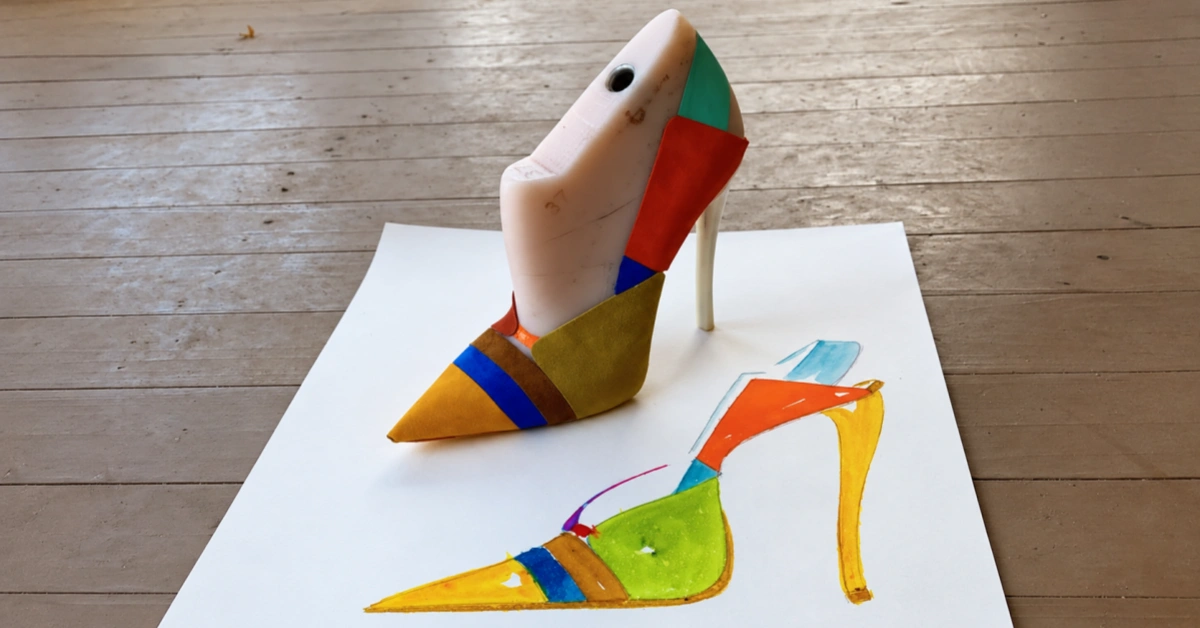
A professional custom shoe manufacturer should have an experienced development team capable of transforming concepts into production-ready products.
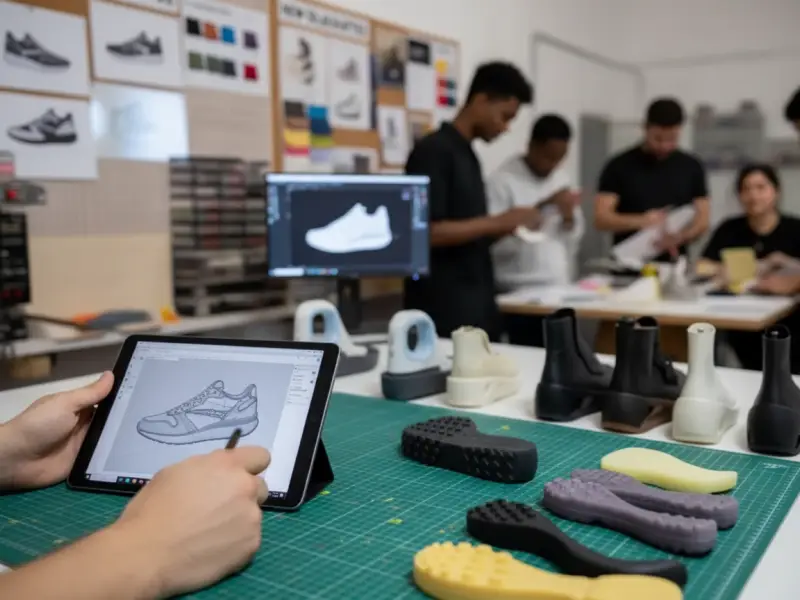
At HERRAINS, our footwear development process includes:
- Design review
- Material matching
- Prototype optimization
- Last adjustment
- Wear testing recommendations
- Production engineering
For growing brands, development support is often more important than factory size.
Mistake 3: Not Verifying Quality Control Systems
Many brands assume all shoe manufacturers follow the same quality standards. This is not true.
Without proper quality control, common problems include:
- Uneven stitching
- Glue overflow
- Sole separation
- Incorrect sizing
- Color inconsistency
- Packaging damage
Before selecting a shoe manufacturer, brands should verify:
- QC inspection stages
- Material inspection systems
- Production checkpoints
- Final packaging inspection
- Export compliance standards
Reliable footwear manufacturers usually implement multiple inspection processes throughout production instead of checking products only at the end.
For European and North American markets, consistent quality control is essential for protecting brand reputation.
Mistake 4: Choosing a Factory Without Supply Chain Integration
A shoe manufacturer with weak supply chain management often struggles with:
- Material delays
- Inconsistent leather quality
- Unstable accessory sourcing
- Longer lead times
- Production interruptions
Modern footwear production depends heavily on supply chain coordination.
An integrated shoe manufacturer should manage:
- Leather sourcing
- Outsole suppliers
- Hardware suppliers
- Packaging suppliers
- Sampling coordination
- Production scheduling
This is one reason why many brands now prefer one-stop shoe manufacturers instead of working with multiple disconnected vendors.
At HERRAINS, our integrated manufacturing system helps reduce communication gaps and improve production efficiency from concept to delivery.
Mistake 5: Overlooking Communication Efficiency
Poor communication is one of the most underestimated risks in footwear manufacturing.
Many production problems happen because:
- Tech packs are misunderstood
- Sampling revisions are unclear
- Material changes are not confirmed
- Production timelines are not updated
A professional shoe manufacturer should provide:
- Clear project communication
- Fast response times
- Dedicated project management
- Transparent production updates
For international brands, especially those working across different time zones, communication efficiency directly affects development speed and launch timing.
Strong communication is often what separates reliable long-term manufacturing partners from unstable suppliers.
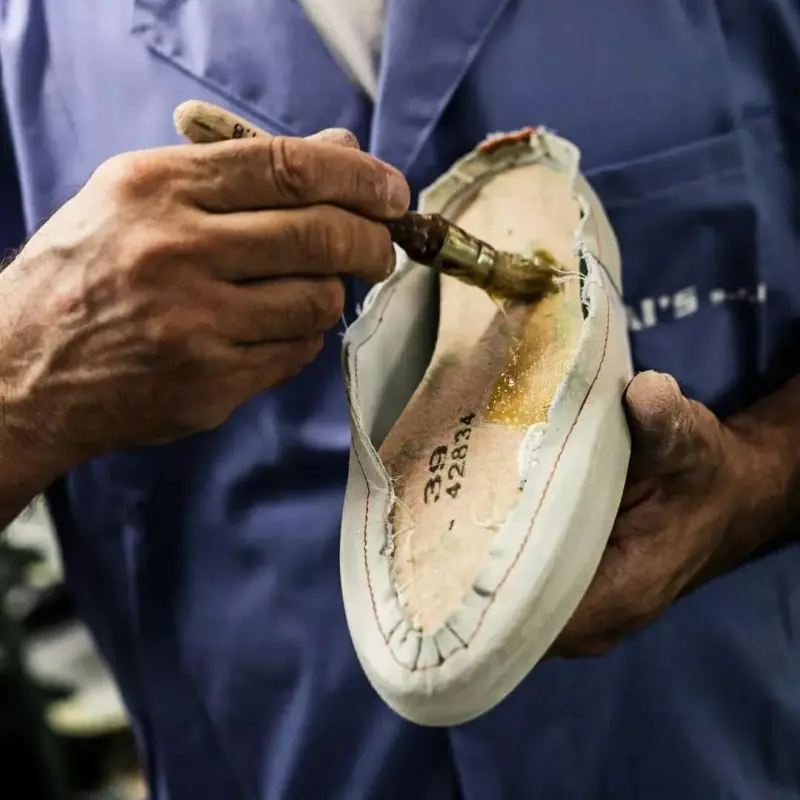
Mistake 6: Ignoring MOQ Flexibility
Many emerging brands choose shoe manufacturers without understanding MOQ structures.
Some factories only support very large production volumes, which creates financial pressure for smaller brands.
A flexible custom shoe manufacturer should offer scalable solutions depending on:
- Product complexity
- Material availability
- Production methods
- Customization level
Low MOQ support allows brands to:
- Test new collections
- Reduce inventory risk
- Validate market demand
- Launch products faster
Today, more fashion startups are specifically searching for shoe manufacturers with flexible MOQ policies because the market increasingly rewards agility and rapid testing.
Mistake 7: Not Evaluating Long-Term Partnership Potential
Some brands treat footwear manufacturing as a short-term transaction rather than a strategic partnership.
However, long-term cooperation with the right shoe manufacturer creates major advantages:
- Faster development cycles
- Better material consistency
- Stable production scheduling
- Improved cost control
- Stronger product quality
- Better understanding of brand identity
A good shoe manufacturer grows with the brand over time.
When evaluating a factory, brands should consider:
- Industry experience
- Export experience
- Scalability
- Product specialization
- Development capabilities
- Supply chain stability
- Communication quality
The best manufacturing partnerships are built on trust, transparency, and long-term collaboration.
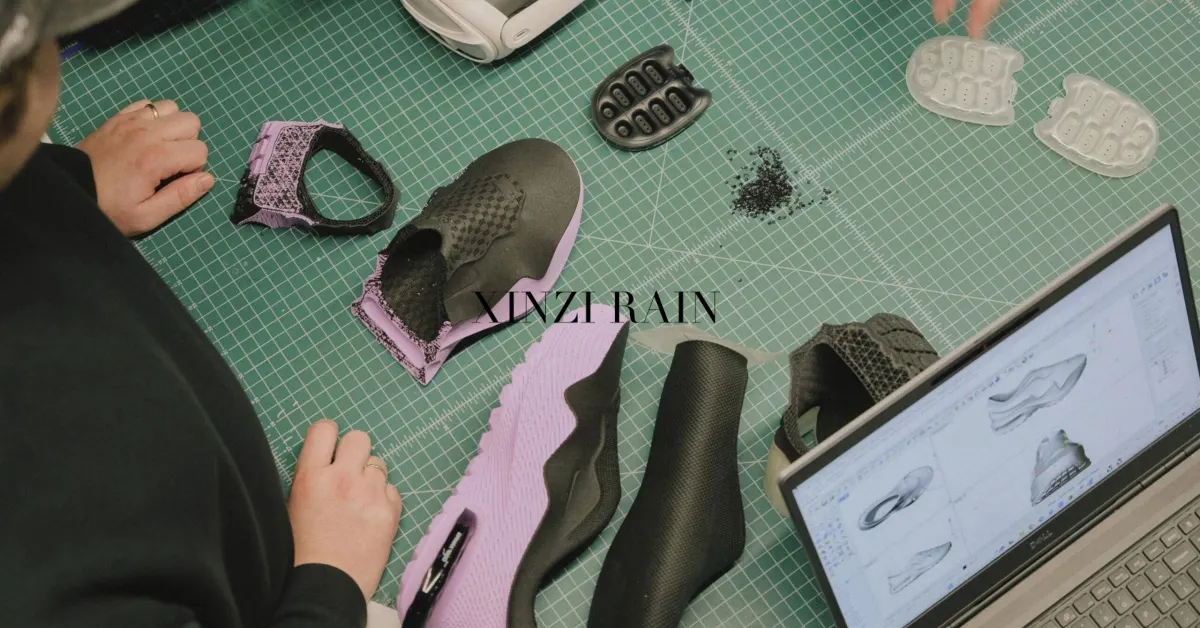
How to Choose the Right Shoe Manufacturer
When selecting a shoe manufacturer, brands should evaluate more than just pricing.
A reliable footwear manufacturing partner should offer:
Strong Development Support
From sketches to samples, development capability is essential for successful footwear production.
Integrated Supply Chain Management
Efficient sourcing and production coordination reduce delays and improve consistency.
Reliable Quality Control
Consistent QC standards help brands maintain customer satisfaction and reduce returns.
Flexible MOQ Solutions
Scalable production supports both startup brands and growing collections.
Clear Communication
Fast and professional communication reduces costly misunderstandings.
Experience in International Markets
Export experience helps manufacturers understand EU and US quality expectations.
Why Global Brands Work With HERRAINS
As part of the XINZIRAIN manufacturing group, HERRAINS provides one-stop footwear and bag manufacturing services for global brands.
We help brands with:
- OEM footwear manufacturing
- ODM shoe development
- Private label production
- Material sourcing
- Sample development
- Quality control
- Packaging customization
- Global shipping support
Our team focuses on helping brands turn ideas into scalable, market-ready footwear products through integrated manufacturing solutions.
Final Thoughts
Choosing the right shoe manufacturer is one of the most important decisions for any footwear brand. The wrong factory can create delays, quality issues, and long-term operational problems. The right manufacturing partner can improve product quality, accelerate growth, and strengthen your brand positioning.
Instead of focusing only on low prices, brands should prioritize development capability, quality control, communication, and supply chain stability.
In today’s competitive footwear market, successful brands are built not only through good design — but through strong manufacturing partnerships.