

Bridle leather has earned a strong reputation among luxury brands, leather craftsmen, and OEM/ODM bag manufacturers for its unmatched balance of durability, elegance, and long-term performance. Originally developed for equestrian gear, this exceptional leather has moved far beyond saddles — now becoming a premium choice for custom leather bags, high-end belts, and private label accessories.
Today, brands prefer bridle leather not only for its refined appearance but also for its structural firmness, weather resistance, and ability to age beautifully. If your business is expanding a new handbag or belt collection, understanding the qualities of bridle leather will help you elevate product quality and customer satisfaction.
In this article, you’ll learn what bridle leather is, how it’s made, its key characteristics, and why it’s a top pick for fashion labels worldwide.
Ready to upgrade your material selection? Let’s dive in.
What Is Bridle Leather?
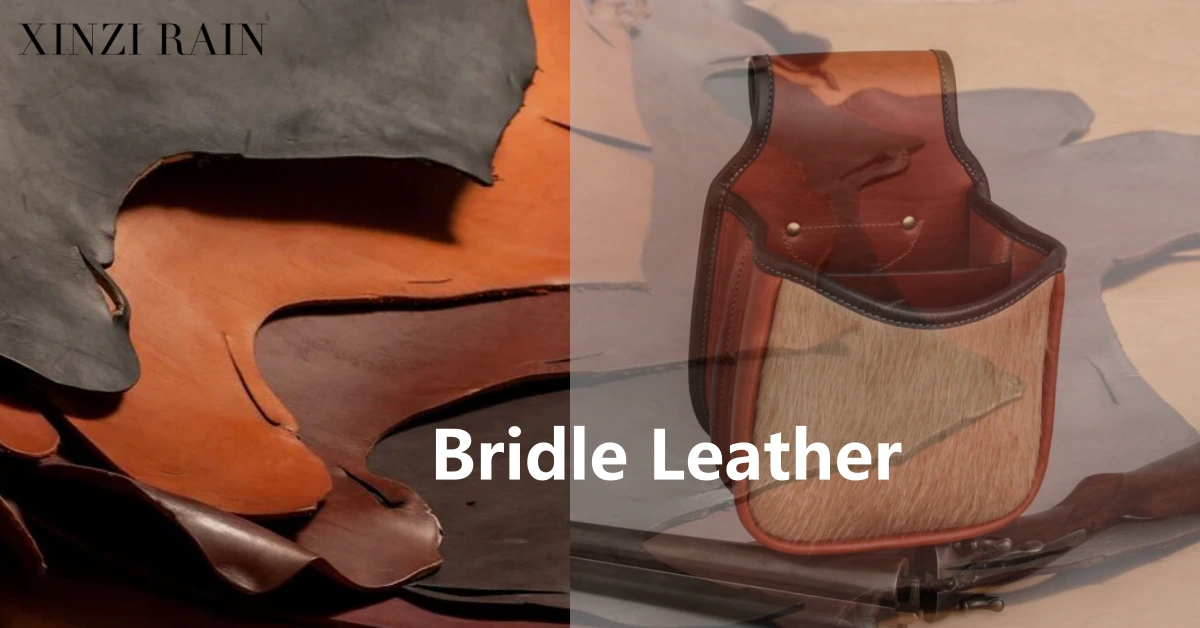
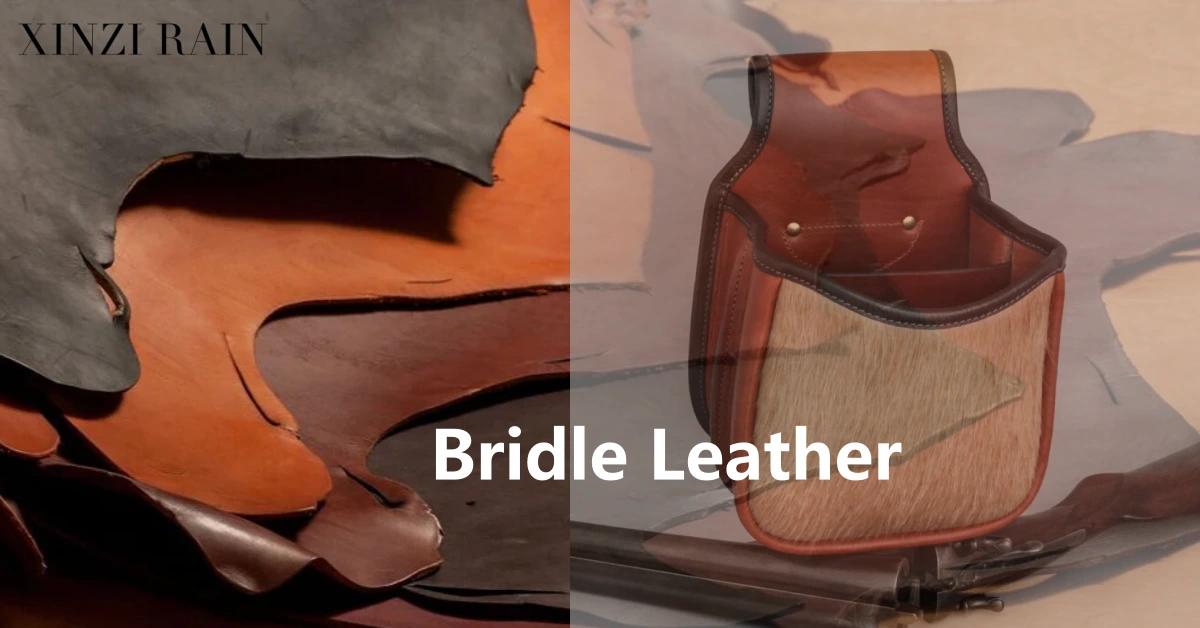
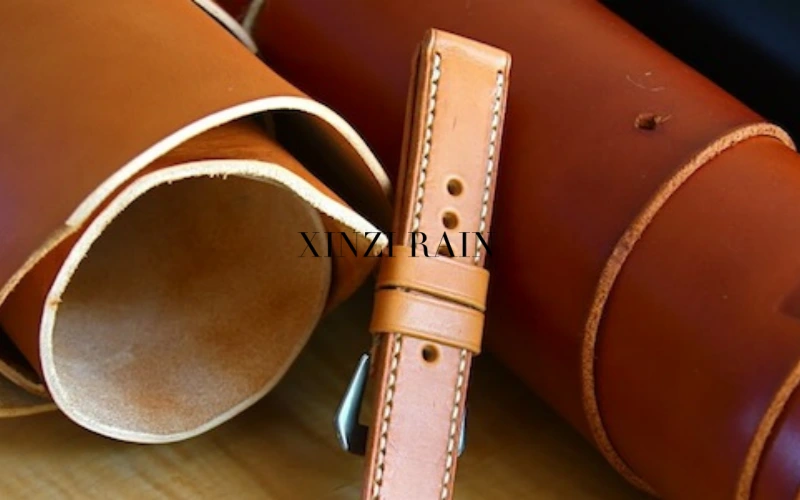
Bridle leather is a premium vegetable-tanned leather, crafted from the strongest portions of cowhide. It undergoes unique dual-side conditioning — both the grain and flesh sides are infused with waxes and oils, giving it its signature smooth, polished finish.
Unlike standard vegetable-tanned leather, bridle leather is known for:
its firm yet flexible structure
a subtle waxy sheen
long-lasting durability
rich, naturally developed patina
This high-performance leather is widely used in structured handbags, premium belts, straps, handles, and luxury leather goods — making it a popular choice for brands seeking both aesthetics and strength.
How Is Bridle Leather Made?
Bridle leather production requires meticulous craftsmanship and slow, traditional techniques. Below is a simplified breakdown of the process.
Raw Hide Selection & Preparation
Manufacturers choose dense, high-quality hides from the back or shoulder — areas known for consistent fibers. The hides are soaked, cleaned, and dehaired to prepare them for tanning.
This ensures a clean, uniform base for premium bag and belt production.
Vegetable Tanning & Wax Infusion
The hides are slowly tanned using natural tannins derived from tree bark. This eco-friendly process strengthens the leather, deepens its color, and preserves its natural texture.
After tanning, the leather undergoes the signature hot-stuffing step, where heated blends of waxes, oils, and tallows penetrate deep into the hide.
This gives the leather:
a protective finish
moisture resistance
its recognizable satin surface
Finishing & Quality Control
The leather is shaved to specific thickness requirements depending on usage.
Bags typically use 2.0–2.5 mm, while belts require 3.5–4.0 mm.
After drying, it is hand-polished for a uniform, smooth finish.
Every piece is inspected to ensure color consistency, fiber density, and surface cleanliness.
The result?
A luxury material prized by custom handbag manufacturers, belt makers, and private label fashion brands.
Characteristic 1: Exceptional Strength & Durability
Bridle leather’s robust fiber structure makes it ideal for products that endure daily stress.
This is why high-end belt makers and OEM leather bag factories often choose it for components like:
bag handles,shoulder straps,trims and reinforcements,structured flap closures,heavy-duty belts
Its vegetable tanning and wax treatment prevent cracking, tearing, and stretching — even after years of use.
Genuine bridle leather belts can last 10–20 years with proper care.
Characteristic 2: Superior Shape Retention
Unlike softer leathers that lose their form over time, bridle leather maintains its structure exceptionally well.
This matters especially for:structured handbags,business totes,satchels,top-handle bags
The firm fiber composition helps the product stay crisp and maintain silhouette integrity.
Bag straps remain stable, belt holes don’t stretch, and edges retain their clean, defined lines even under heavy load.
For brands focusing on premium custom leather bags, this structural stability is a major advantage.
Characteristic 3: Natural Weather Protection
The wax-infused fiber network acts as a built-in barrier, making bridle leather naturally resistant to:
rain,humidity,sweat,mild abrasion
This makes it especially suitable for everyday accessories, travel bags, and belts exposed to constant movement and varying weather.
Minor scuffs can be buffed out easily, helping the product stay polished and refined.
Why It’s Popular for Belts and Bags
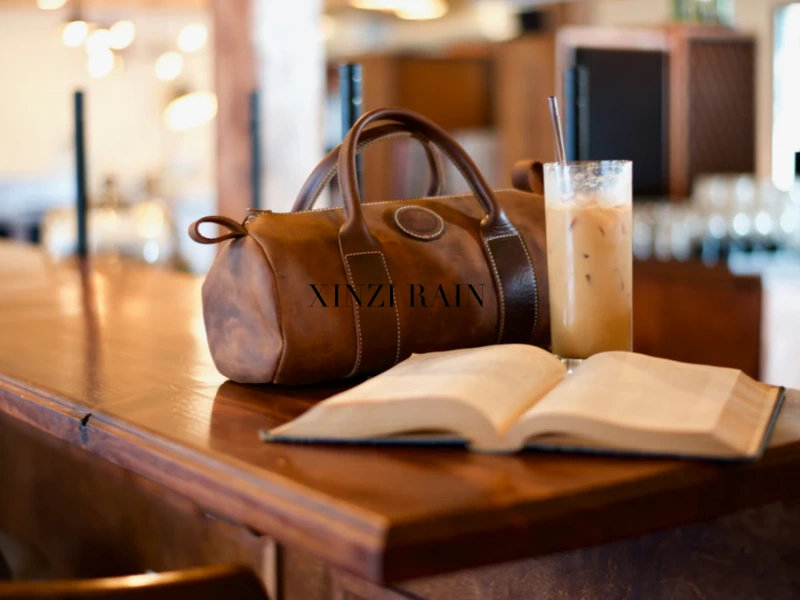
Bridle leather has gained popularity in modern leather goods manufacturing due to its ideal combination of:
✔ Strength for long-lasting use
Perfect for belt straps, bag handles, and daily-use accessories.
✔ Visual richness and elegance
Provides a premium look that ages beautifully with patina.
✔ Structural support for bag shaping
Helps handbags maintain their crisp silhouette over time.
✔ Reliable performance in real-world conditions
Resists stretching and water absorption better than most leathers.
For brands working with OEM/ODM bag manufacturers or expanding their private label collections, bridle leather offers a dependable and high-value material choice.
Conclusion
Bridle leather stands out as a material that blends durability, beauty, and performance — making it ideal for premium belts and luxury handbags.
Whether you’re designing structured bags, long-lasting belts, or high-end accessories, this material ensures your products maintain quality and elegance over years of use.
For brands looking to develop custom leather bags with bridle leather or other premium materials, partnering with a professional manufacturer can make all the difference.
XINZIRAIN offers full OEM/ODM handbag development, including:
material sourcing (leather & vegan options)
·CAD design support
·prototype sampling
·private label branding
·bulk production with strict QC
Ready to build your next best-selling bag line?
Contact XINZIRAIN today and bring your ideas to life with expert craftsmanship.
FAQs
Q1. Is bridle leather suitable for luxury handbags?
Yes — its firmness, elegance, and durability make it ideal for structured bags, handles, and trims.
Q2. Does bridle leather require special maintenance?
Occasional buffing and conditioning help maintain shine and flexibility.
Q3. Is bridle leather eco-friendly?
It’s vegetable-tanned, making it more environmentally friendly than chrome-tanned alternatives.
Q4. Can bridle leather be combined with softer materials?
Absolutely — many brands pair it with canvas, PU, or soft leather for hybrid designs.
Q5. Does XINZIRAIN manufacture custom bags using bridle leather?
Yes. We provide OEM/ODM handbag production and can source high-quality bridle leather for private label projects.