

Quick Answer
Launching a private label sandal collection requires selecting a manufacturer with robust OEM/ODM capabilities, flexible MOQs, high-quality materials, and rigorous quality control. Partnering with HERRAINS/XINZIRAIN ensures brands can take a design from concept to mass production efficiently, while maintaining comfort, style, and durability. Real-world projects demonstrate that brands leveraging structured prototyping and iterative testing achieve faster time-to-market and reduce development risks.
Key Takeaways
- Low MOQs allow startups to test products with minimal inventory.
- OEM/ODM manufacturers provide full design, material, and branding support.
- Iterative prototyping ensures comfort, durability, and consistent quality.
- Expert production guidance accelerates seasonal or limited edition launches.
- Case example: A European startup brand launched three mid-size sandal styles in just six weeks by leveraging HERRAINS prototyping workflow.
Market Research & Brand Positioning
Understanding your target market is essential. Brands must analyze:
- Consumer preferences: Popular colors, materials, and silhouette trends for summer and transitional collections.
- Pricing strategy: High-end vs. mid-market positioning influences material and design choices.
- Competitive landscape: Researching other private label collections in your region or online.
Case Example: A Middle Eastern boutique brand conducted a social media survey of 200 potential buyers, identifying a preference for lightweight vegan leather sandals with minimalist design. HERRAINS incorporated this insight into the initial tech pack.
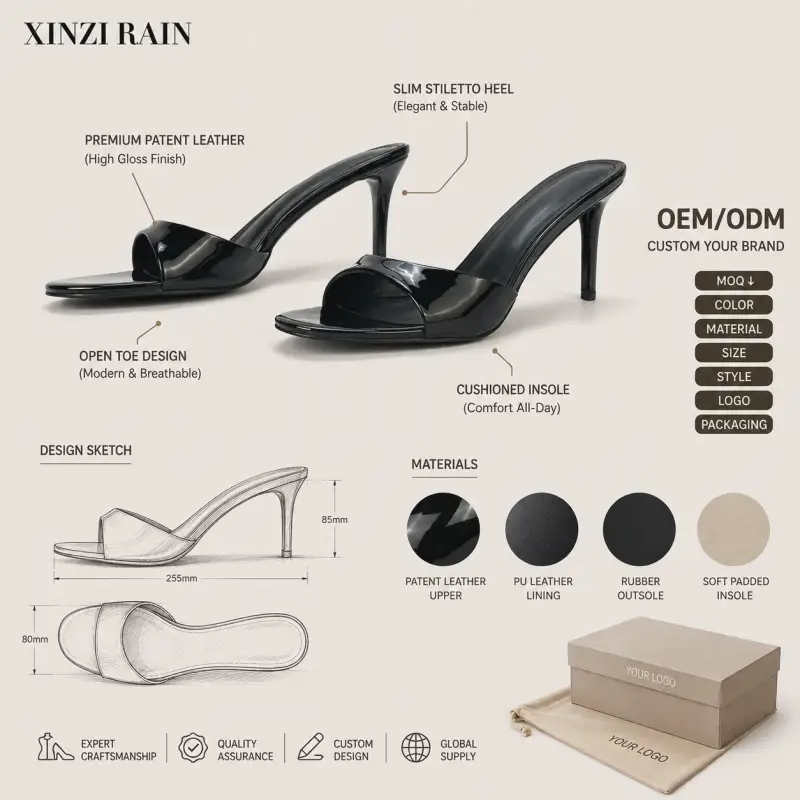
Material & Design Selection
High-quality materials are critical for durability, comfort, and brand perception. Typical options include:
| Component | Material | Benefits |
|---|---|---|
| Upper | Top-grain leather / Microfiber vegan leather | Durability, premium finish, sustainable options |
| Lining | Soft textile or leather | Breathability, comfort |
| Sole | EVA midsole / Rubber outsole | Cushioning, lightweight, flexibility |
| Hardware | Metal buckles / adjustable straps | Longevity, aesthetic appeal |
Design Considerations:
- Adjustable straps or hook-and-loop closures enhance usability.
- Lightweight construction reduces fatigue for wearers.
- Neutral or seasonal colors can appeal to broad demographics.
Case Example: HERRAINS collaborated with a European startup to trial five different material blends for a midsize summer sandal. Feedback led to a combination of microfiber leather and EVA soles that optimized comfort and durability while staying within the budget.
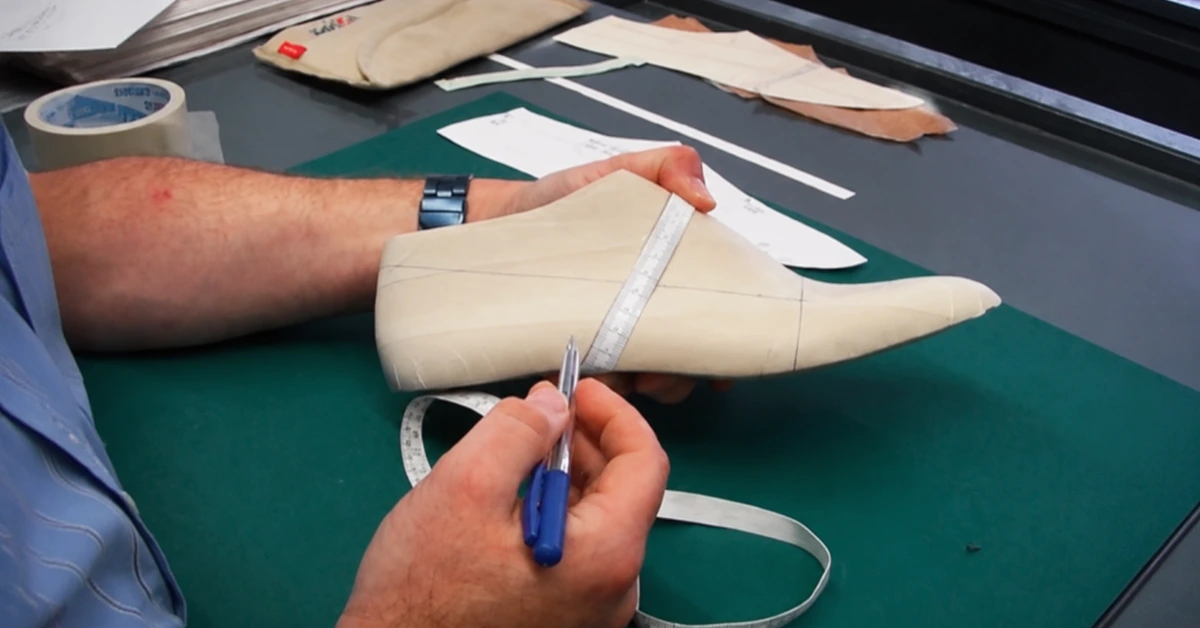
Prototype Development
Efficient prototyping is crucial to reduce development cycles:
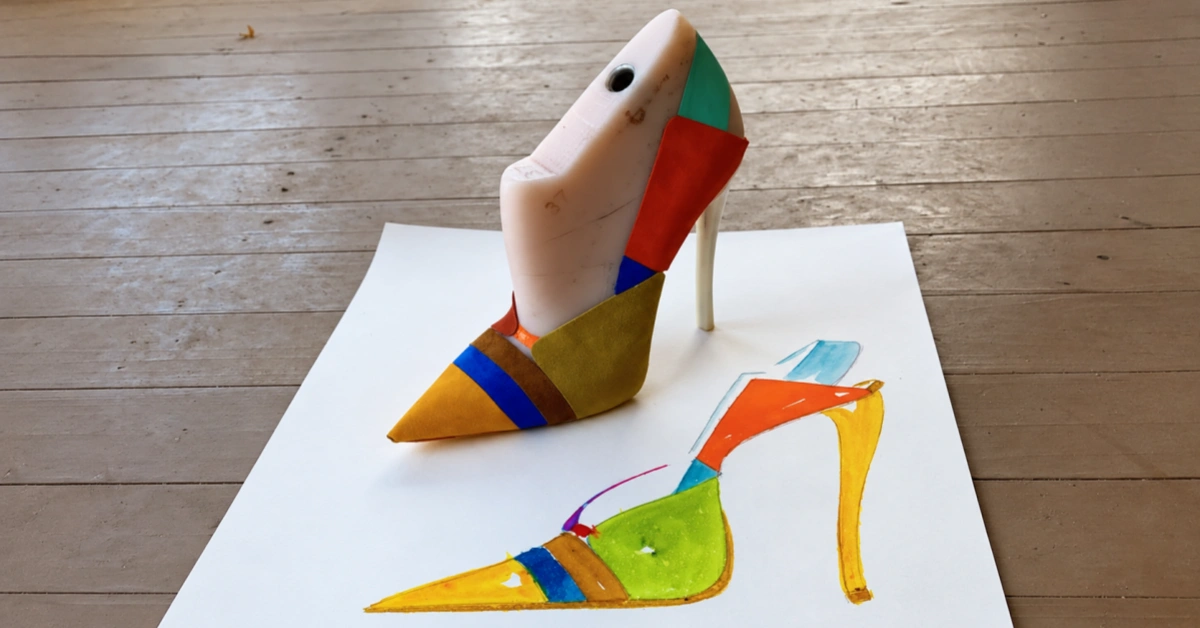
- Initial Concept: Designers provide sketches or AI-assisted images.
- Tech Pack Creation: Detailed specifications, materials, and dimensions.
- Sample Production: HERRAINS produces first prototypes.
- Testing & Feedback: Fit, comfort, and aesthetic checks are conducted.
- Iteration: Design adjustments based on test results.
Case Example: The Middle Eastern startup tested 50 pairs of prototypes with local children to validate fit and comfort. Minor adjustments to strap length and insole padding were made before final production.
Low MOQ & Production Planning
MOQs are critical for startups:
- Typical MOQs for private label sandals: 100–200 pairs per style.
- Allows seasonal launches without excessive inventory.
- Supports A/B testing of different colorways or styles.
Case Example: A boutique brand in Europe ordered 70 pairs of two different colorways. After successful market testing, a second batch of 200 pairs was quickly produced for full-season distribution.
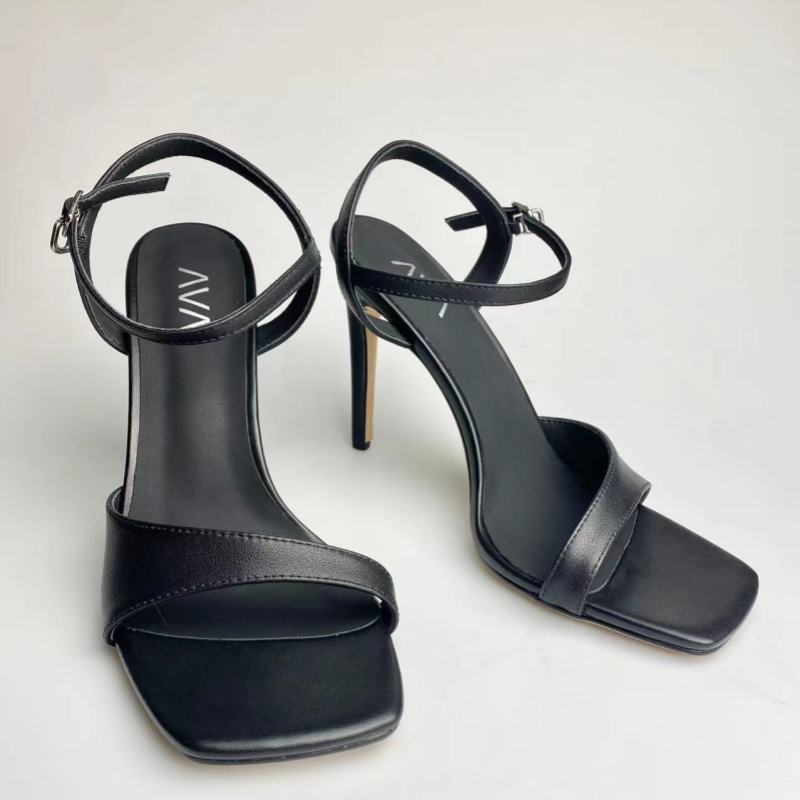
Quality Control & Certification
Consistent quality ensures brand credibility:
- Incoming Material QC: Leather, microfiber, and hardware inspections.
- In-Process QC: Stitching, assembly, and outsole attachment monitoring.
- Final QC: Dimensional verification, wear testing, and packaging checks.
- Certification: ISO 9001, CE, or equivalent for export markets.
Case Example: Explorer Junior prototypes underwent 20+ wear cycles and abrasion tests to guarantee longevity. No quality deviations were found in bulk production.
Packaging & Branding
Presentation enhances perceived value:
- Custom boxes, dust bags, and hang tags
- Logo embossing or printing on straps or insoles
- Branded shipping materials
Case Example: HERRAINS coordinated branded packaging for a UAE private label launch, producing 500 units with personalized boxes and reusable dust bags, which increased perceived luxury and customer satisfaction.
Logistics & Shipping
Global brands need efficient delivery solutions:
- Consolidated shipments reduce cost.
- Compliance with customs, labeling, and documentation requirements.
- Tracking systems for real-time monitoring.
Case Example: The European startup shipped their first collection to multiple stores in two countries within 10 days, reducing inventory holding costs and ensuring on-time seasonal launch.
FAQ
Q1: Can startups order small batches of sandals?
A: Yes. HERRAINS supports low MOQ production, allowing startups and boutique brands to test new designs without large inventory commitments.
Q2: Are samples included before bulk production?
A: Absolutely. Multiple sample rounds are provided to ensure your design, fit, and materials meet expectations before full-scale production.
Q3: Can I customize colors, materials, and logos?
A: Yes. Full customization is available through OEM/ODM services, including colorways, materials, hardware, and branding elements.
Q4: How long is the typical production lead time?
A: Sample development usually takes 20–25 days. Bulk production generally ranges from 30–45 days, depending on volume and complexity.
Q5: Are vegan or plant-based materials available?
A: Yes. We offer sustainable options such as microfiber leather, plant-based leather, and other eco-friendly materials.
Q6: How does HERRAINS ensure consistent quality?
A: Our multi-stage quality control process includes incoming material inspection, in-process monitoring, and final inspection, with detailed QC reports provided for every order.
Q7: Can HERRAINS handle international shipping?
A: Yes. We ship globally, including the EU, GCC, North America, and Asia, ensuring compliance with export regulations and timely delivery.
Q8: How do I get started with my private label sandal collection?
A: Contact our team to discuss your project. We’ll provide a quote, sample development, and step-by-step guidance for launching your collection efficiently.
Contact HERRAINS for quote, samples, and guidance.