
For any emerging luxury label, the moment you share your design sketches with a high-heels-manufacturer, you are effectively handing over the keys to your kingdom. In an industry where a single "viral" silhouette can generate millions in revenue, original designs are hunted by copycats. Industry insiders know a painful truth: a significant percentage of "leaks" don't happen via hackers; they happen within the factory walls. As a specialized custom-high-heels-manufacturer, Herrains believes that manufacturing is only 50% of our job; the other 50% is the protection of your intellectual property (IP). This guide is designed to move you beyond a simple "trust me" relationship and into a state of Technical Sovereignty.
Section 01: Forensic Analysis — How Design Theft Happens in the Supply Chain
To protect your brand, you must first understand the "Dirty Secrets" of the traditional OEM system. Design theft in the footwear industry usually follows three specific paths:
The "Middleman Brokering" Trap
Many designers think they are talking to a factory, but they are actually talking to a trading company or a "middleman" who lacks their own production line. To find the cheapest price, this middleman will blast your original CAD files and sketches to ten different workshops. Once your files are "in the wild," you lose control. Those workshops may keep your files in their public folders, where other buyers can browse them freely. This is why many private label luxury shoes appear on discount platforms like AliExpress months before the official release.
The "Open Door" Sample Room
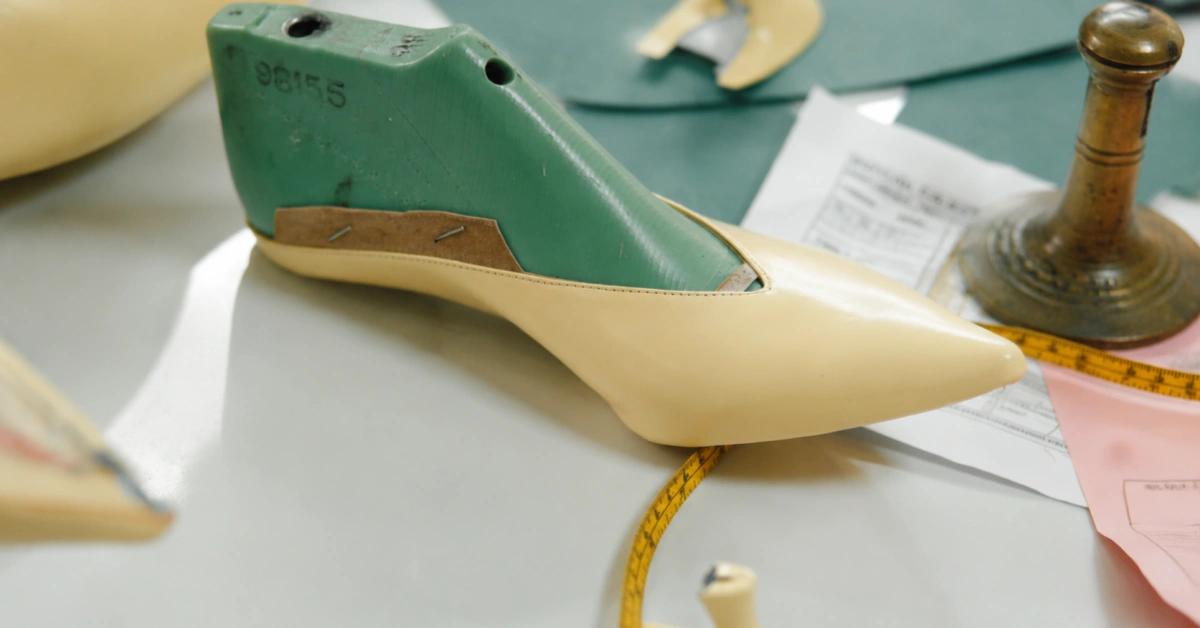
Walk into a typical shoe factory, and you will see shelves lined with hundreds of samples from other brands. While this is often used to show off "capability," it is a massive security breach. If you can see another designer’s prototype, it means every other visitor can see yours. Unscrupulous manufacturers often use one client’s custom last—a tool you paid thousands to develop—to produce "white label" versions for another client. This "tooling sharing" is a silent killer of exclusivity.
The Component Supplier Leak
A shoe is an assembly of components: heels, outsoles, buckles, and ornaments. To produce your custom stiletto, a factory must share your designs with third-party component makers. Without a strict secure footwear manufacturing protocol, these sub-suppliers often sell "overruns" or extra copies of your proprietary hardware to the highest bidder.
Section 02: Legal Sovereignty — The Power of the Mandatory Mutual NDA
Most designers are offered a one-sided NDA by the factory. These are often worthless because they are designed to protect the factory's "manufacturing secrets," not your "design creativity." At Herrains, we pioneered the Mandatory Mutual Non-Disclosure Agreement (MNDA) protocol. Here is what a professional NDA must include to be enforceable:
Non-Use and Non-Circumvention Clauses
A standard NDA says the factory won't "tell anyone" about your design. A professional MNDA says they won't "use" it for any purpose other than your specific order. More importantly, it must include a Non-Circumvention clause. This prevents the factory from going behind your back and selling your design directly to your retailers or distributors. If you are working with a bespoke shoe manufacturer , this clause is your primary legal defense.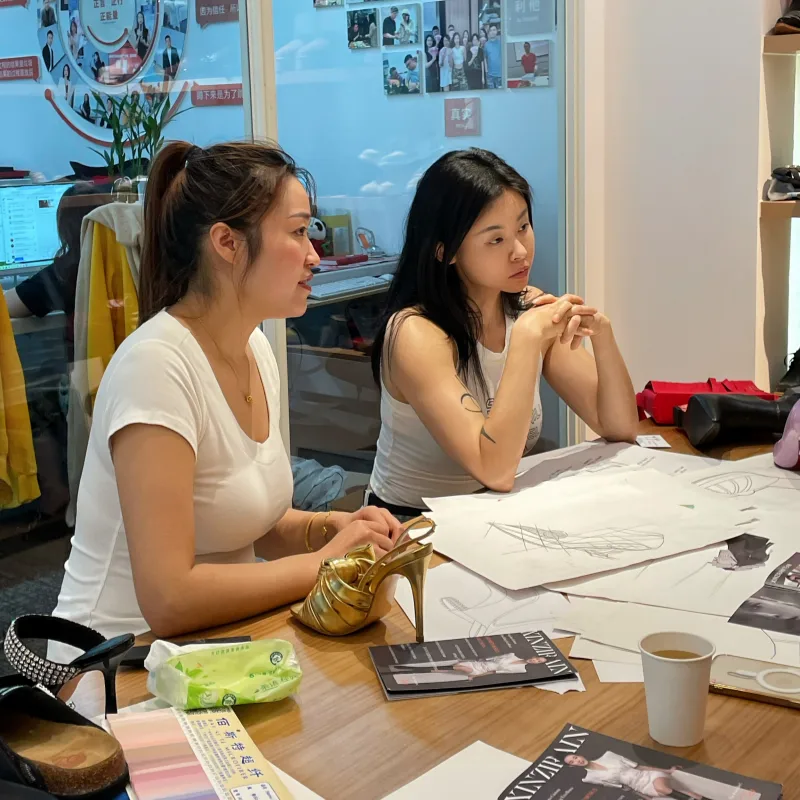
Proprietary Tooling Ownership
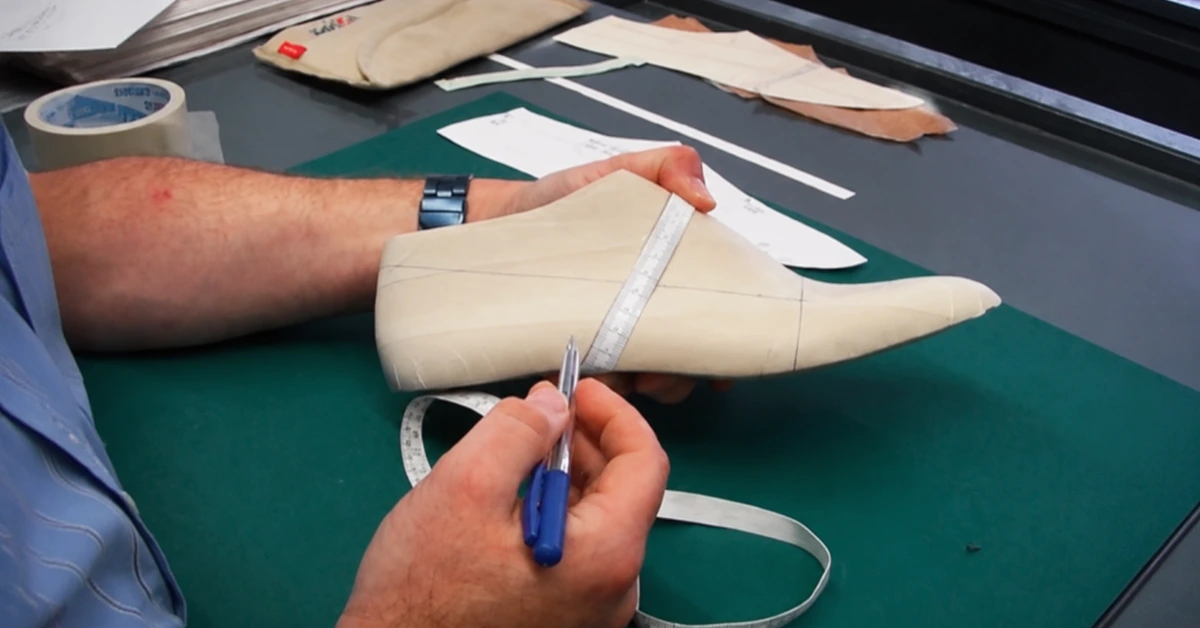
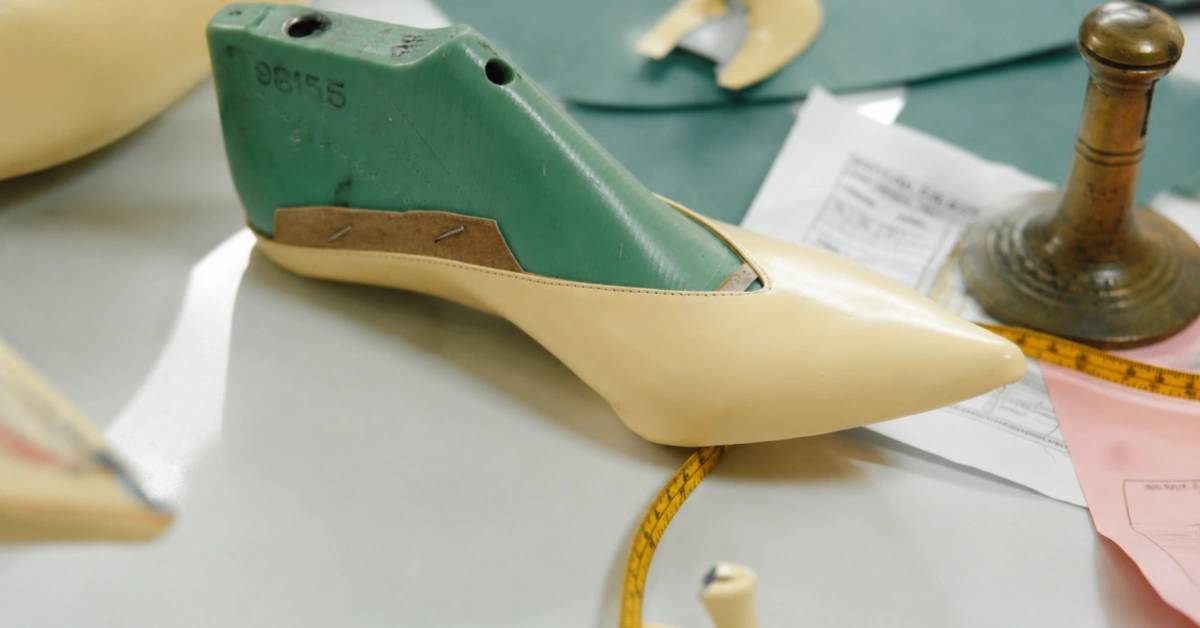
Who owns the shoe last (the mold)? In many low-end contracts, the factory claims ownership of the physical molds even if the designer paid for the development. Your contract must explicitly state that all Technical Blueprints , lasts, and molds are your exclusive property. At Herrains, we provide a "Physical Asset Return" option where custom molds are returned to the client or verified as destroyed after the production run is complete.
Section 03: Operational Sovereignty — Building a "Zero-Leak" Isolation System
Legal documents are only as strong as the factory's operational discipline. To truly protect your private label luxury shoes , you need a partner that treats your project like a classified engineering project. Our Brand Incubation Isolation System is built on three pillars:
Digital Silos and Encrypted Workflows
In most factories, CAD files are moved via unsecured chat apps like WeChat or WhatsApp. We utilize a segregated digital environment. Your design files are only accessible to the Lead Technical Consultant (e.g., our Chief Consultant Alex) and the specific engineers assigned to your project. By creating "digital silos," we ensure that your 1.5mm precision stiletto engineering data never enters the factory’s general database.
The "Locked Closet" Sample Policy
At Herrains, our sample room is not a showroom. We operate a "Locked Closet" policy for every brand in our incubator. Your prototypes are kept in secure, non-transparent containers when not being worked on. We strictly prohibit unauthorized photography during factory tours, ensuring that your high-end collection remains invisible to the public until you are ready to reveal it.
In-House CNC Hardware Development
One of the biggest leak points is the third-party hardware maker. We solve this by bringing development in-house. Through our proprietary CNC Hardware Lab, we develop your custom buckles and insignias within our own facility. This vertical integration removes the need to share your brand’s "visual DNA" with external suppliers, significantly reducing the surface area for IP theft.
Section 04: The Technical Link Between Quality and IP
There is a hidden benefit to working with a high-end custom-high-heels-manufacturer like Herrains. When a design is "stolen" and mass-produced by a low-end factory, the copycats almost always fail the engineering. They might steal the "look" of your 120mm stiletto, but they cannot replicate our Integrated Manganese Steel Shank or our ±0.5mm Last Calibration.
This means that while the market might see a visual copy, the copy will be unstable and uncomfortable. By securing your Technical Sovereignty, you ensure that your brand provides a level of performance that a thief simply cannot manufacture. Your "Fit DNA" is as much a part of your IP as your sketch.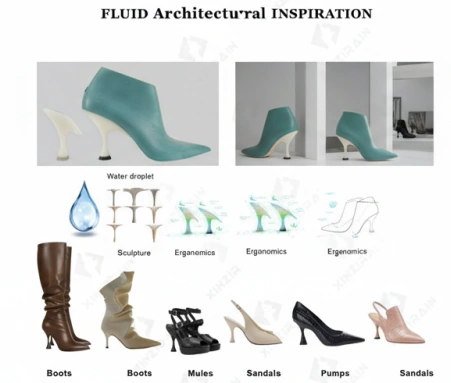
FAQ: Common Questions on Design Protection
Should I patent my shoe design before talking to a manufacturer?
While a Design Patent is the strongest form of protection, the process can take 12-18 months—too long for most fashion cycles. A more agile approach is to use a Mandatory Mutual NDA combined with a factory that has a documented reputation for IP security. This provides immediate legal and operational protection during the development phase.
How can I tell if a manufacturer is secretly selling my designs?
Look for red flags during your initial consultation. If they show you other clients' original sketches or physical samples without hesitation, they will do the same with yours. A professional custom-high-heels-manufacturer will respect the confidentiality of every partner.
Is design theft common in China?
Theft happens where there is a lack of professional infrastructure. The risk is high with middlemen and generic OEM factories. However, specialized Premium Footwear Incubators like Herrains operate under international business ethics and strict legal frameworks, providing a safe haven for global designers.
Conclusion: Creative Genius Requires Industrial Security
Your designs are not just shoes; they are the foundation of your future brand. Don't let a lack of supply chain discipline destroy years of hard work. Choosing a high-heels-manufacturer based purely on price is often the first step toward design theft. Instead, look for a partner that offers Technical Sovereignty, mandatory legal protection, and a physical infrastructure designed for isolation and security.
Protect your vision. Secure your legacy. Partner with the technical incubator that treats your IP as its most valuable asset.
Senior IP Compliance Strategist at Herrains
Our author is a veteran of the global footwear supply chain with over 22 years of experience in luxury brand incubation. Specializing in the intersection of fashion law and industrial engineering, they have successfully managed the market launch and IP protection for over 500 independent labels across Europe, North America, and the Middle East. At Herrains, they lead the "Zero-Leak" protocol, ensuring that every project—from 120mm stilettos to bespoke leather goods—is manufactured within a secure, technically sovereign environment.