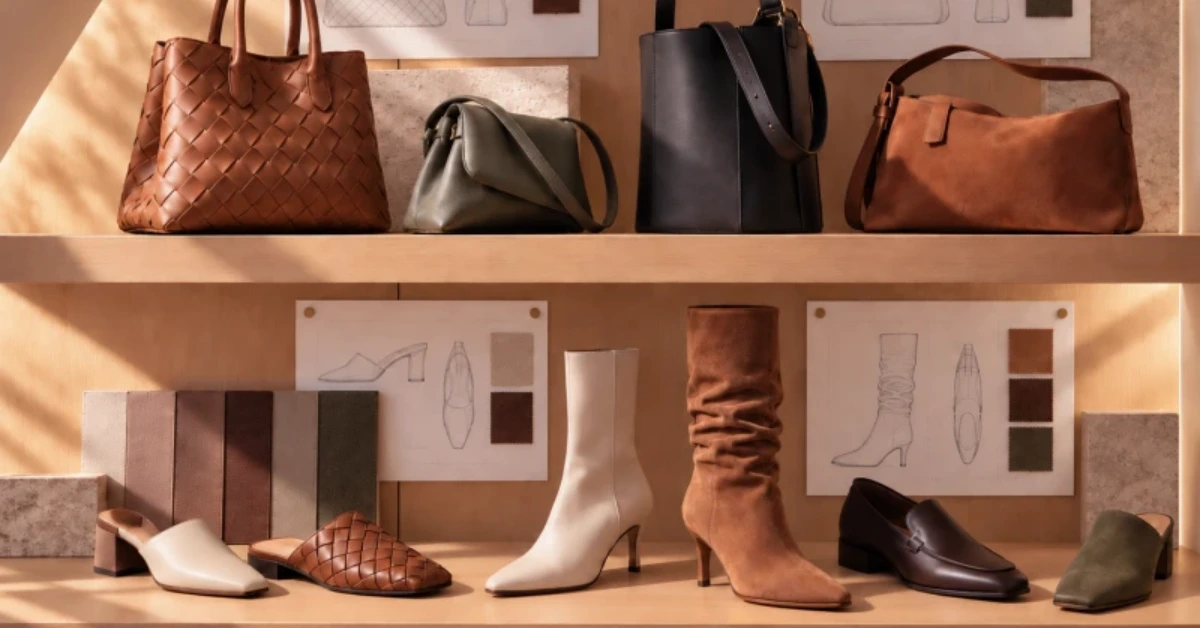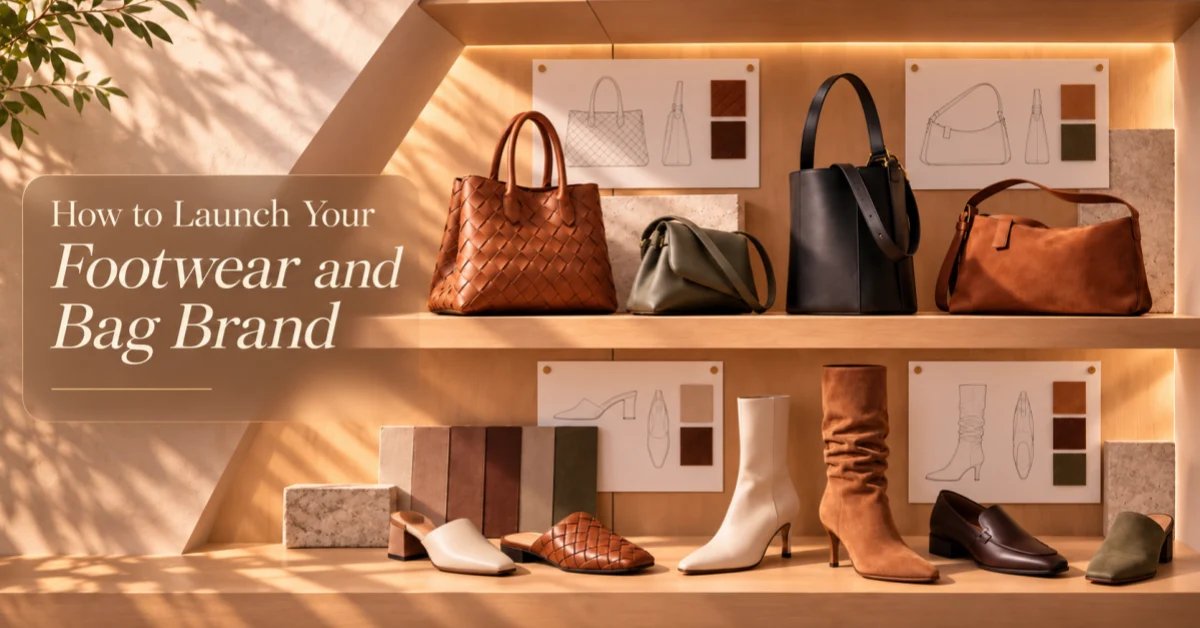

Launching a premium fashion label is a highly rewarding milestone, yet bringing custom shoe and bag collections to market presents immense technical friction. Many independent designers ask, "how to start a shoe brand" or coordinate bags with footwear, only to discover that translating a creative sketch into a physically stable, commercial product requires rigid engineering, material compatibility checks, and compliance coordination. This definitive playbook deconstructs the operational roadmap for independent fashion brands, providing a clear blueprint across our proven four-stage growth framework: Validate, Launch, Scale, and Moat.
Coordinating Shoes and Bags: The Ultimate Aesthetic & Technical Challenge
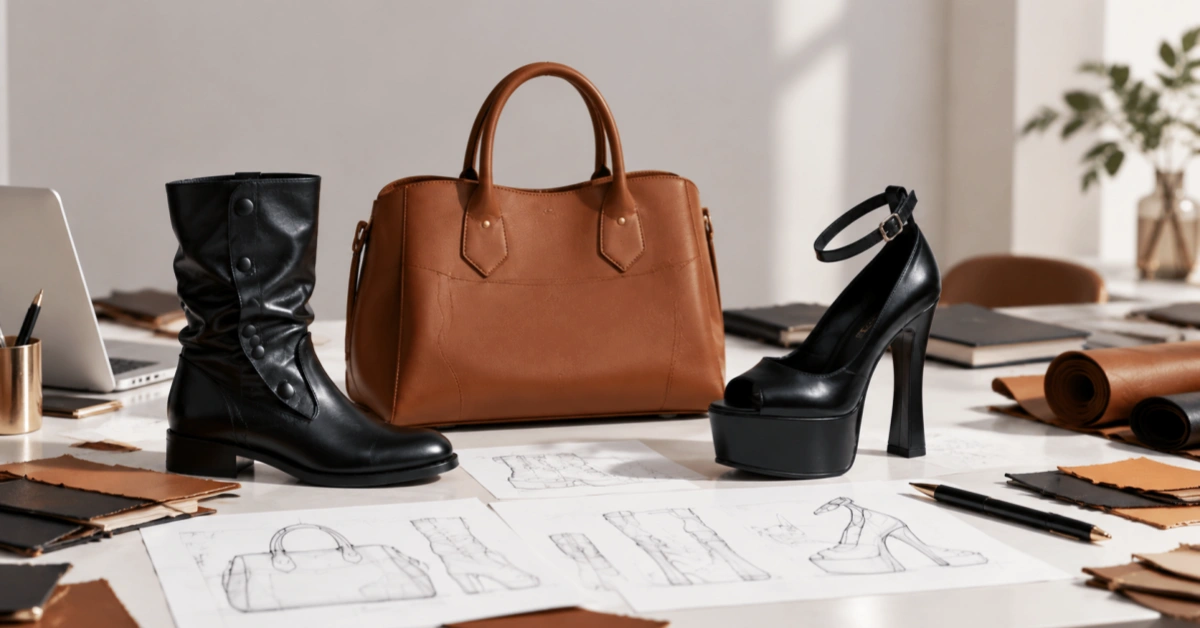
Emerging brands often design footwear and handbags separately, assuming that generic leather goods factories can automatically align them. This is a common operational pitfall. Handbags and shoes rely on fundamentally different structural engineering. Footwear is a load-bearing product supporting body weight, requiring rigid structural shanks and precisely molded lasts. Handbags are hollow vessels focused on drape, structural reinforcement, and internal pockets.
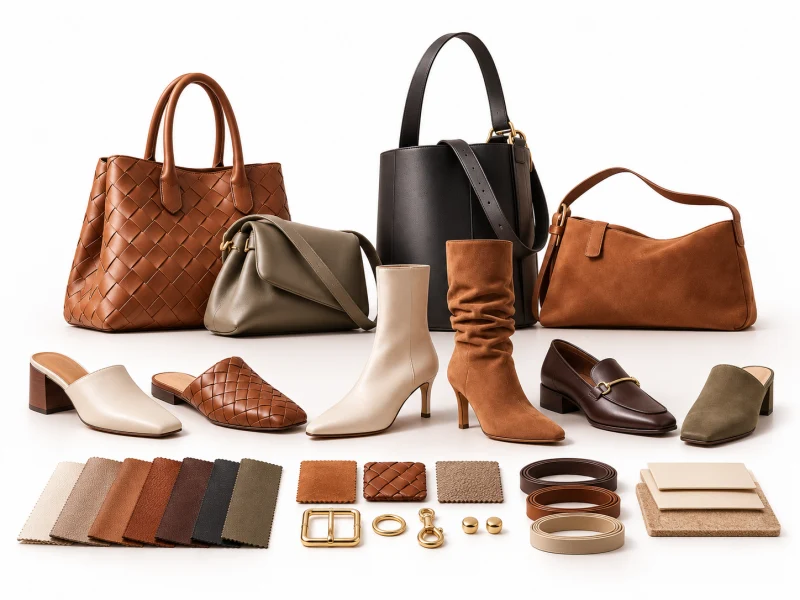
When aiming to deliver cohesive shoe and bag matching sets, sourcing from separate manufacturers frequently leads to mismatched leather dye lots, inconsistent edge painting, and mismatched metal hardware finishes. Partnering with a dedicated footwear and bag brand launch partner resolves this friction. By developing both product categories under a unified design verification team, you ensure that your custom gold-plated buckles, grain-matching calfskin leathers, and hand-finished edge colors align flawlessly across your entire collection.
"A luxury footwear and accessory line is not merely a collection of standalone products; it is a cohesive visual language. Inconsistencies in hardware plating or leather finishes between a brand's heels and handbags instantly erode premium brand positioning in the eyes of retail buyers."
The 4-Stage Strategic Growth Framework for Shoe & Bag Brands
To scale your independent label without excessive upfront inventory capital, you must bypass the traditional, high-risk manufacturing loop. Instead of placing massive bulk orders on unverified designs, execute our structured, risk-mitigated development framework:
- Analyze raw sketches, illustrations, or physical references for structural feasibility.
- Review heel heights, pitch stability, material yields, and weight distribution.
- Deploy 72-hour 3D virtual digital prototyping to visualize and adjust designs prior to cutting raw leather.
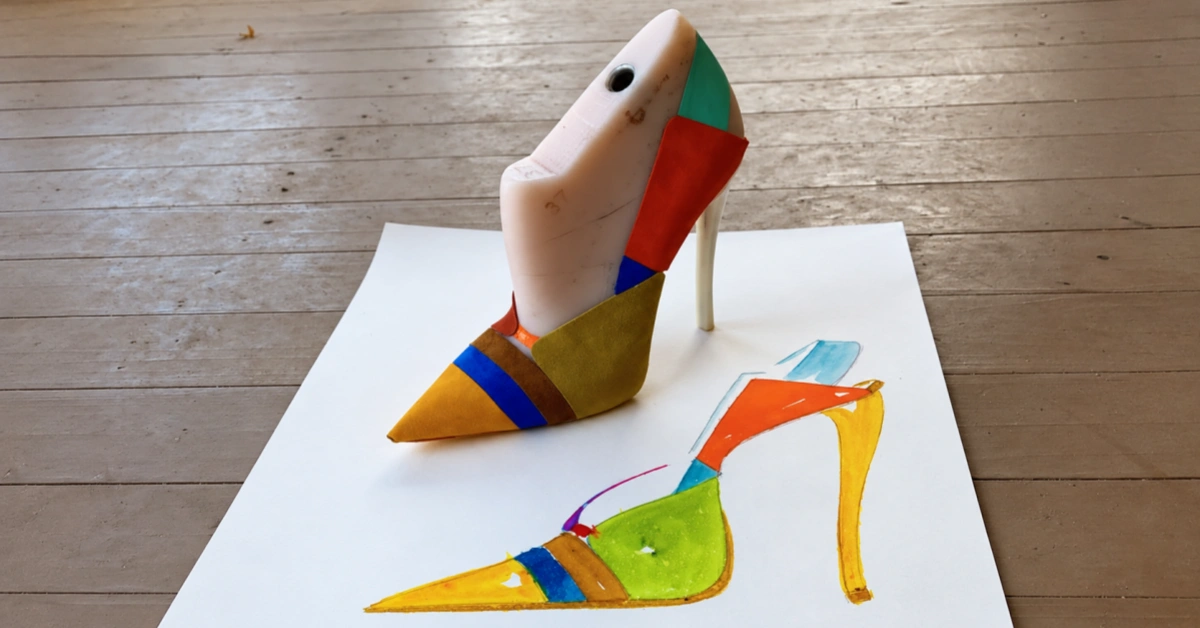
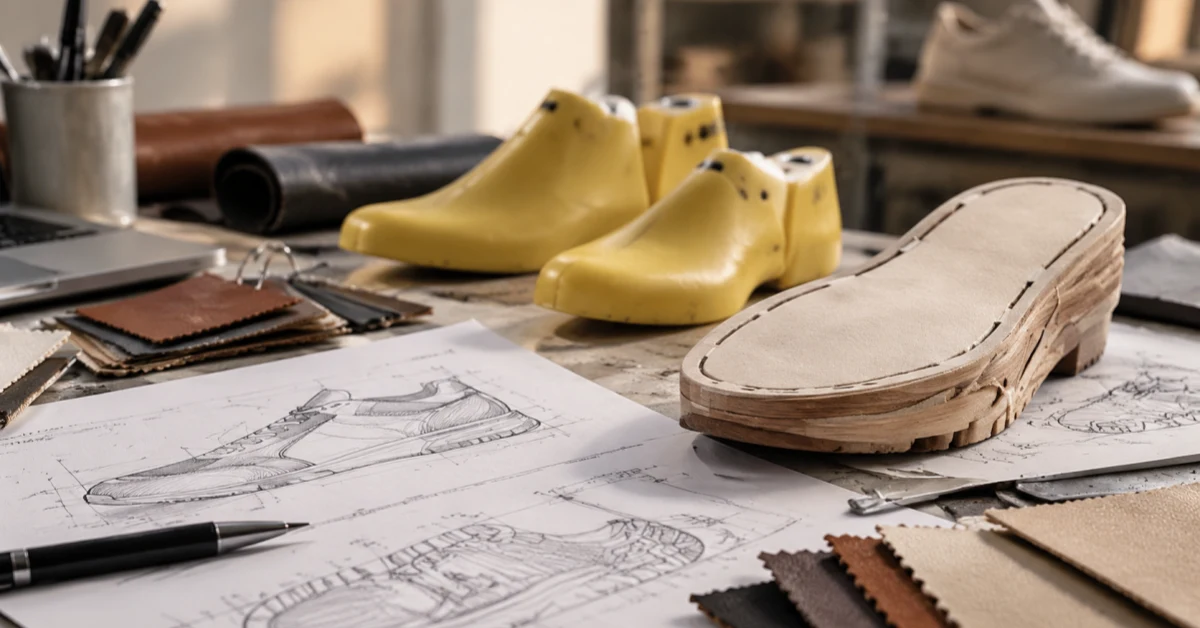
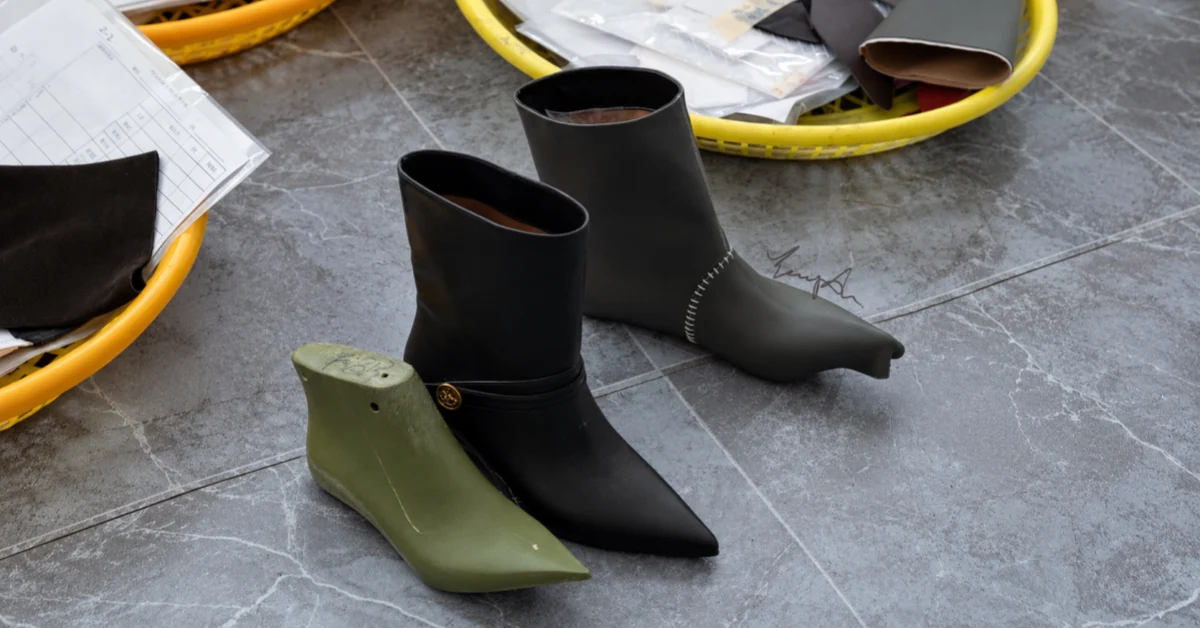
- Carve initial custom wooden lasts and draft precise paper patterns for proportional grading.
- Assemble initial physical samples to verify hand-feel, silhouette, and hardware fitment.
- Execute a flexible, low-risk first-order batch of 100 to 200 pairs per style to test real market traction.
- Transition successful, high-traction SKUs into larger production runs of 300+ units.
- Procure custom-tanned leathers and hardware directly from GRS and REACH-compliant sources.
- Optimize the Bill of Materials (BOM) to lower per-unit costs by 15% to 25% through tooling amortization.
- Secure your original creative designs under strict bilateral Non-Disclosure Agreements (NDAs).
- Retain exclusive ownership over custom wooden lasts, hardware molds, and pattern archives.
- Establish an agile, demand-led manufacturing (DLM) replenishment workflow to prevent excess stock.
Direct Insights from Herrains’ Prototyping Workshop
True shoemaking expertise cannot be learned from manuals or simulated by AI; it is lived daily on the production floor. Inside the Herrains sample development studio, our master last-carvers manually sculpt wooden lasts, adjusting the crown, heel width, and forefoot ball girth with a precision of 0.5mm. We witness daily how a tiny alteration in heel curvature can reduce ball pressure on custom high heels by up to 40%.
When launching a luxury shoe line, you must demand this hands-on engineering from your manufacturer. Our master patternmakers perform "leather skiving" (reducing the thickness of leather edges before stitching) to prevent raw, bulky seams that cause blisters. On the handbag line, our artisans hand-paint each edge seam up to five times, sanding between coats, to achieve the flawless, sealed edges expected by luxury buyers. This direct workshop experience is what transforms standard materials into retail-ready masterpieces.
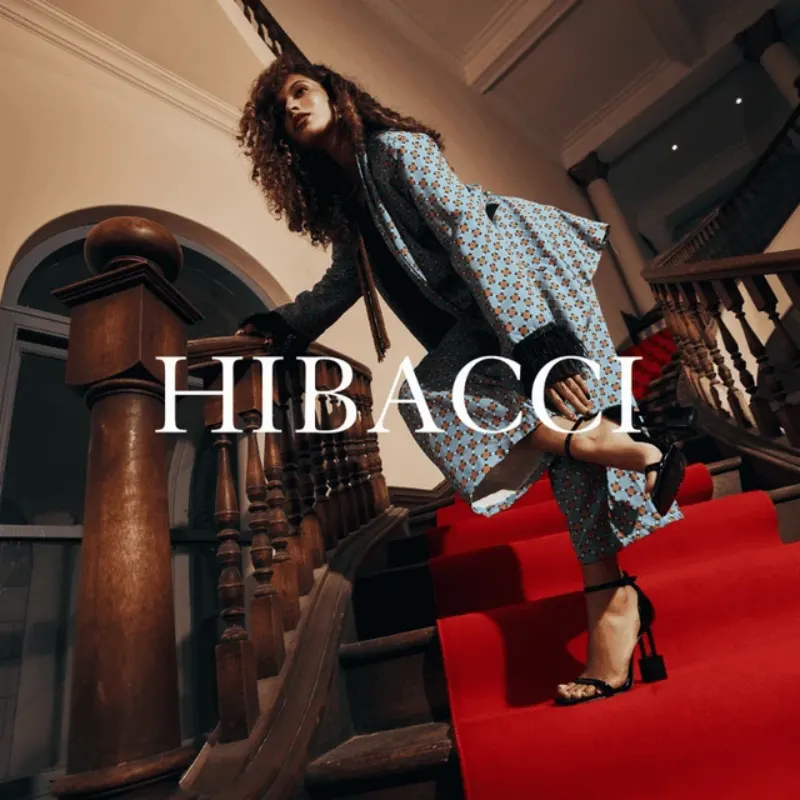
Technical Sovereignty: Bridging the Gap Between Sketch and Finished Product
Emerging designers often face major friction because they lack the technical technical specifications (tech packs) required by mass-production factories. Traditional plants expect complete pattern grading sheets and component source codes, instantly rejecting emerging labels.
An elite brand launch partner solves this by acting as your technical translator. If you only have hand-drawn sketches, inspiration images, or reference shoes, we can build the complete technical blueprint for you. Our in-house engineers conduct design validation audits, checking that the heel pitch on high heels coordinates perfectly with the biomechanics of the footbed. This engineering expertise ensures that even 10cm stilettos provide stable heel alignment and long-wear comfort, eliminating structural failures before mass production begins.
Demand-Led Manufacturing (DLM): Minimizing Capital Risk
A major reason independent fashion startups fail is inventory over-allocation. Traditional factories demand massive Minimum Order Quantities (MOQs) of 500 to 1,000 units per style, forcing founders to lock up their seed capital in slow-moving inventory. By adopting a demand-led manufacturing approach, you can launch collections with highly flexible MOQs of 100 to 200 pairs/units per style. This allows you to allocate your capital toward marketing, test actual consumer preference on various styles, and trigger rapid production replenishment only on high-performing SKUs.
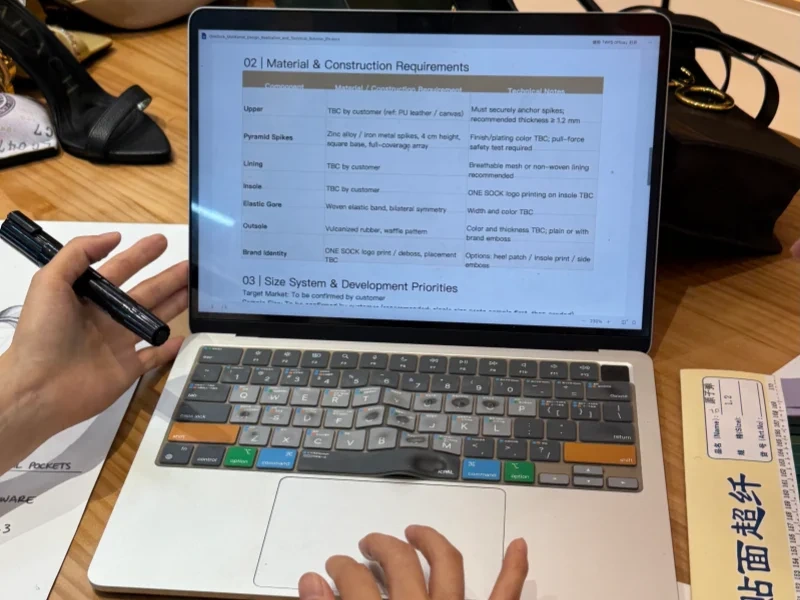
| Development Phase | Sourcing & Production Approach | Capital & Inventory Impact | Strategic Brand Advantage |
|---|---|---|---|
| Validate | Convert illustrations into 3D digital renderings and custom wood lasts under strict bilateral NDA. | Zero bulk inventory risk. Low development cost. | Validates design, structural balance, and material selections before physical cutting. |
| Launch | Deploy a flexible 100-pair MOQ per style. Focus on core versatile materials and components. | Protects cash reserves, avoids dead stock, and minimizes capital lockup. | Identifies high-performing sizes and colorways using real-world consumer feedback. |
| Scale | Execute rolling production replenishment on best-sellers. Source custom hardware and materials. | Amortizes initial molds, dropping unit costs by 15% to 25%. | Maximizes gross margins and frees capital for multi-channel scaling. |
Supply Chain Transparency and Compliance: REACH & California Prop 65
Launching footwear and bag collections in modern North American, European, or Middle Eastern retail markets requires complete compliance with international chemical and safety regulations. Premium retailers will reject brands that cannot supply documented compliance verification.
Low-cost, unvetted manufacturers frequently utilize toxic solvent-based adhesives and heavy-metal-laden hardware plating to cut costs. To protect your brand, ensure your manufacturing partner strictly sources REACH-compliant leather finishes, nickel-free and lead-free custom-plated metal hardware, and water-based adhesives. This compliance-first approach secures your brand's entry into major luxury department stores and global boutique networks, forming a reliable legal shield for your business.
Build Your Shoes and Handbags Collection with Herrains
Partner with Herrains to bring your creative sketches into market-ready collections. Leverage our 25-year technical manufacturing heritage, flexible 100-pair MOQs, and complete design confidentiality under a bilateral NDA.
Frequently Asked Questions: Starting a Shoe and Bag Line
How can I start my own shoe line if I do not have a technical fashion background?
You do not need a background in shoe engineering. Herrains acts as your full-service brand launch partner. Our experienced in-house designers, wood last sculptors, and pattern-makers can translate simple hand-sketched drawings, reference images, or digital illustrations into complete physical products.
Why is coordinating footwear and handbags under one manufacturer better?
Producing shoe and bag matching sets under a single manufacturer eliminates color, texture, and hardware discrepancies. We use matching leather dye batches, identical edge-paint brands, and uniform custom metal hardware molding to ensure cohesive brand aesthetics across your entire collection.
What is the typical Minimum Order Quantity (MOQ) for an original custom shoe design?
Unlike mass-production factories requiring 500 to 1,000 pairs, Herrains provides a flexible MOQ of 100 to 200 pairs per style/color for custom designs. This low-risk barrier helps independent fashion brands test their designs without draining their capital.
How long does the design validation and physical sampling phase take?
The design validation and technical review phase takes only a few days using our 3D digital virtual prototyping tools. Once approved, the handcrafting of custom wooden lasts, pattern drafting, and first physical sample construction typically takes 25 to 35 days.
Are my design files and original sketches legally protected?
Yes, absolutely. We sign a strict bilateral Non-Disclosure Agreement (NDA) before you share any sketches or design ideas. Your customlasts, heel molds, and pattern files are stored in locked digital and physical vaults to ensure complete intellectual property protection.
What international compliance standards does Herrains support?
We ensure all sourced materials and custom-finished hardware comply with strict European Union REACH standards, California Proposition 65 non-toxic requirements, and Global Recycled Standard (GRS) eco-friendly guidelines.
Can I customize shoes and handbags with my own brand's private label?
Yes. We offer complete private-label OEM/ODM manufacturing, including custom-embossed leather insoles, branded metal hardware, logo-stamped handbag linings, and customized luxury boxes and dust bags.
Why does a professional sample cost more than stock wholesale footwear?
A professional custom sample involves carving dedicated physical lasts, grading individual paper patterns, and casting custom component molds. Stock wholesale factories do not offer custom shapes, comfort footbed engineering, or structural stress testing, which leads to poor sizing and fitment failures. Read our Complete Footwear & Handbag Manufacturing Cost Guide for more details.
What is demand-led manufacturing (DLM) and how does it help emerging fashion labels?
Demand-led manufacturing aligns factory production directly with your actual sales demand. Instead of guessing sizes and stock levels, you launch with flexible first-order MOQs and quickly order replenishment runs on high-velocity items, preventing capital from being tied up in unsold stock.
How can I contact the Herrains engineering team to review my shoe and bag drawings?
You can email our senior product developers at xzyvito@herrains.com or connect with us directly via WhatsApp at +86 15530191496 to schedule a technical feasibility review under a strict NDA.
Related Reading:
Ultimate Sourcing Guide: Handbag Manufacturers in China | 10 Most Trusted Custom Shoe Manufacturers for Global Brands