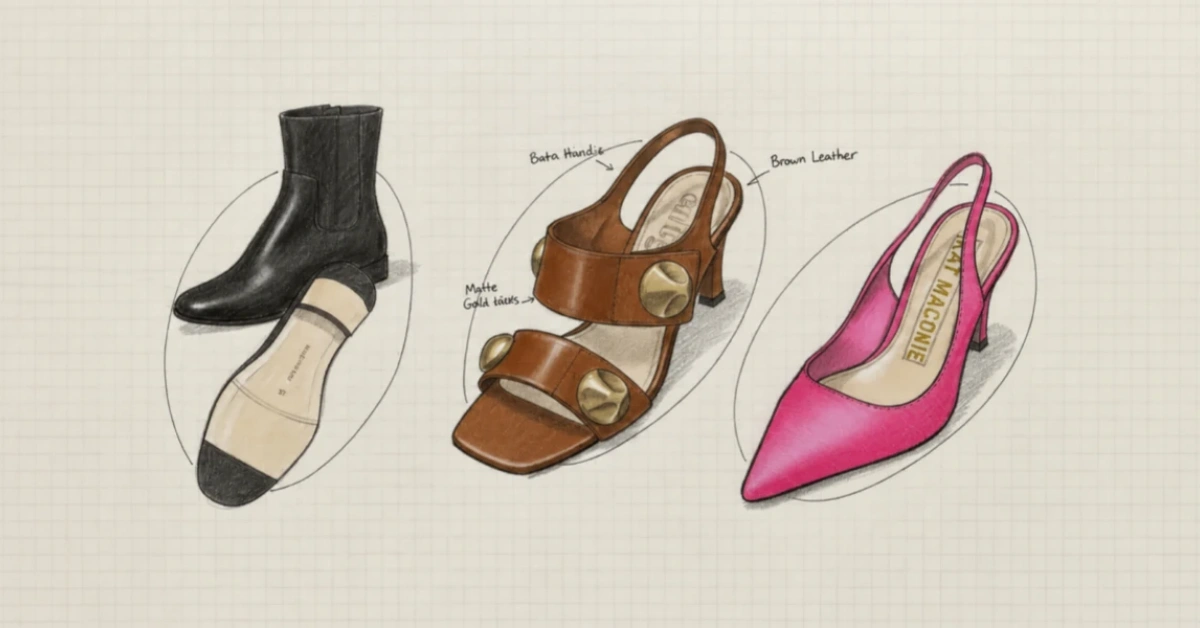

For any visionary footwear designer, the journey from a creative spark to a retail icon is paved with technical challenges that the human eye rarely sees. In the world of high-fashion, a stiletto is more than a shoe; it is a precarious architectural feat. It must support the entire weight of the human body on a point no wider than a pencil, all while maintaining a silhouette that whispers elegance. However, industry statistics are sobering: nearly 90% of emerging footwear brands fail at the prototyping stage. The reason is rarely a lack of aesthetic genius, but a fundamental gap between creative vision and manufacturing reality. As a specialized custom high-heels manufacturer, Herrains bridges this gap through a discipline we call "The Engineering of Elegance."
Section 01: The Physics of the Pitch — Solving the 1.5mm Crisis
The most critical element of a high heel is its Center of Gravity (COG). In a 100mm or 120mm stiletto, the margin for error is non-existent. A misalignment of just 1.5mm in the heel's placement can shift the wearer’s weight entirely onto the metatarsal bones or, conversely, cause the heel to buckle backward. This is the primary cause of the "wobble" that plagues low-quality custom high heels.
When you partner with a high-performance bespoke shoe manufacturer, the development process begins with a structural audit. We analyze the "heel pitch"—the angle at which the heel meets the sole. Traditional factories often use "generic lasts" that were designed for lower heights, attempting to "stretch" them for stilettos. This results in a shoe that looks beautiful on a shelf but is impossible to walk in. At Herrains, our engineering lab utilizes weight-distribution simulations to ensure that the gravitational line falls precisely through the center of the heel core, providing the "rock-solid" stability that luxury clients demand.
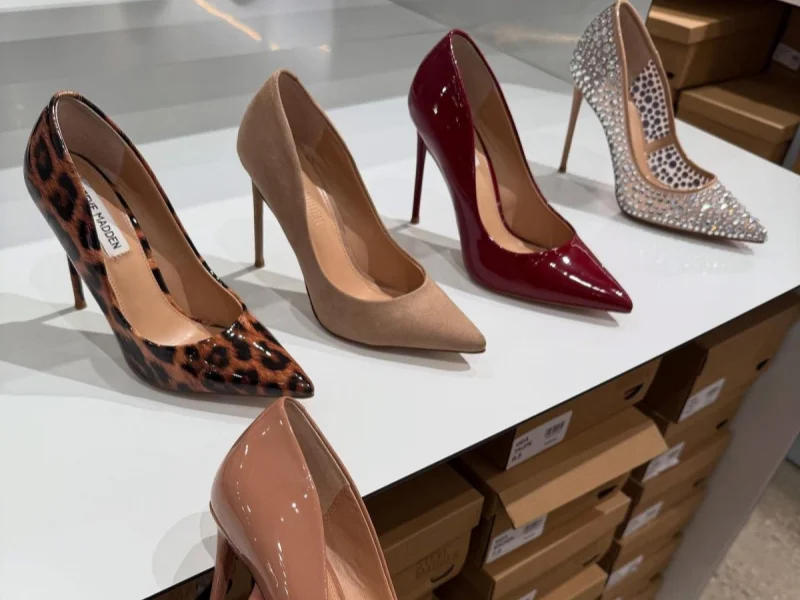
Section 02: The Skeleton of Luxury — Manganese Steel and Internal Reinforcements
What happens inside the sole determines the longevity of the brand. Many mass-market high-heels-manufacturers utilize standard carbon steel shanks. While cost-effective, carbon steel is prone to "material fatigue"—after a few months of wear, the shank loses its tension, leading to a "sinking" arch and a permanent loss of the shoe's silhouette. For a private label luxury shoes brand, this is a catastrophic failure that leads to high return rates and a damaged reputation.
Herrains sets a higher standard by integrating high-tensile Manganese Steel Shanks into our builds. Manganese steel offers a unique balance of extreme hardness and high elasticity, ensuring the arch of the shoe never collapses under pressure. Furthermore, we utilize Reinforced Alloy Pins within the heel itself. These pins are not just hammered in; they are engineered to lock into the shank architecture, creating a unified internal skeleton. This zero-flex foundation is what allows our stilettos to maintain their sharp, aggressive profile even after years of use.
Section 03: The Art of the Last — Digital Precision vs. Manual Guesswork
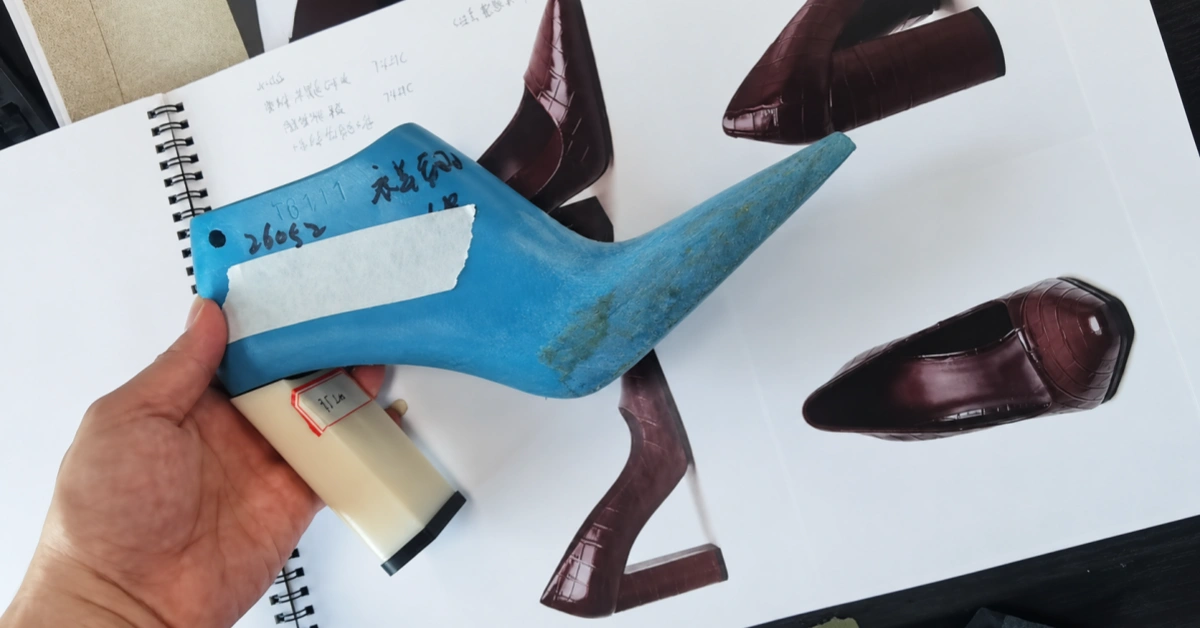
The "Last" (the foot-shaped mold) is the soul of the shoe. In traditional shoe last development, a craftsman carves a mold based on a visual approximation of the designer's sketch. While artisanal, this manual process often lacks the precision required for high-tension engineering. If the girth of the last is off by 2mm, the shoe will either pinch the toes or fail to "grip" the heel, leading to a poor fit that no amount of premium leather can fix.
As a tech-led custom high-heels manufacturer, we have replaced manual guesswork with ±0.5mm Digital Last Calibration. We utilize 3D scanning and CAD software to audit the biomechanics of the foot within your specific design. We adjust the "toe spring" (the upward curve of the toe) to prevent the wearer from tripping and calibrate the "heel seat" to ensure a snug, ergonomic fit. This digital-first approach ensures that the "Italian fit" your clients expect is baked into the DNA of the product from day one.
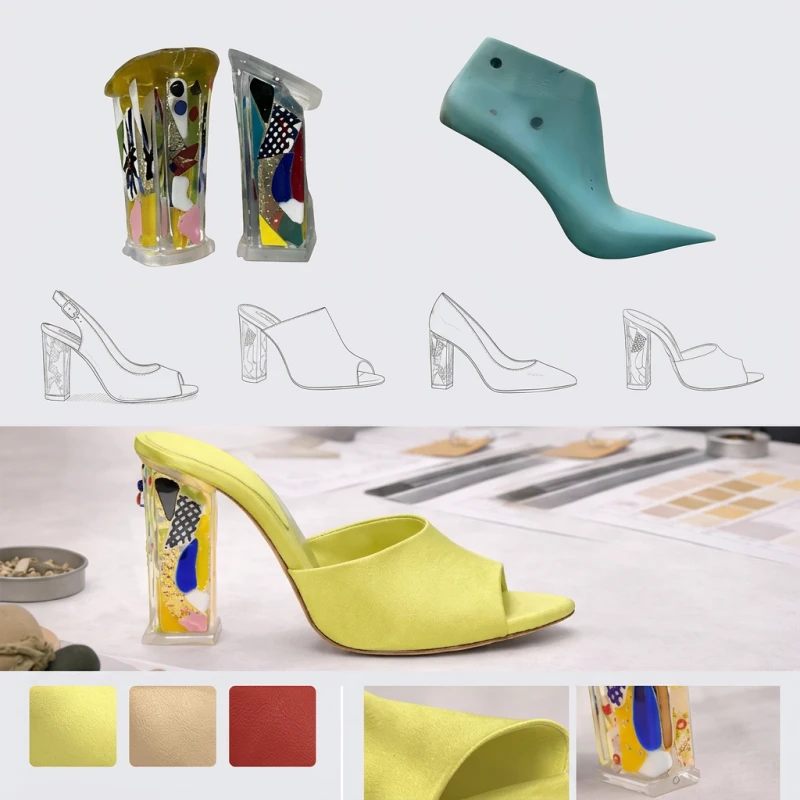
Section 04: The Technical Sovereignty of the Tech-Pack
Communication breakdown is the silent killer of fashion samples. Designers often send mood boards and verbal instructions, expecting the factory to "understand the vibe." This is a recipe for the "Sampling Spiral"—a cycle of endless, expensive prototypes that never quite match the original vision. To secure your Technical Sovereignty, you need a technical blueprint that leaves nothing to chance.
At Herrains, every project is translated into a comprehensive Technical Tech-Pack. This document is the "constitution" of your shoe. It specifies the exact stitching density (measured in stitches per inch), the thickness of the reinforcement tapes, the specific alloy of the hardware, and the tensile strength of the leather. By documenting these parameters, we ensure that the quality of your 500th pair is identical to the quality of your first approved sample. This is the level of consistency required to compete with global luxury houses.
Section 05: Material Curation — Beyond Aesthetics
Luxury is tactile, but it must also be functional. Designers often select leathers based purely on color or texture, ignoring how the material will behave during the "lasting" process (where the leather is pulled over the mold). Certain delicate suedes may stretch too much, causing the shoe to lose its shape, while some high-gloss patent leathers may crack under the heat of the production line.
As your bespoke shoe manufacturer, we act as your technical consultant during the sourcing phase. We audit every material for "tensile integrity." We ensure that the lining leather has the correct moisture-wicking properties and that the outsole leather (often sourced from premier tanneries in Italy or Brazil) has the necessary abrasion resistance. For brands targeting the US and EU markets, we ensure all materials—including the glues and dyes—are REACH and Prop 65 compliant, removing the legal barriers to international retail placement.
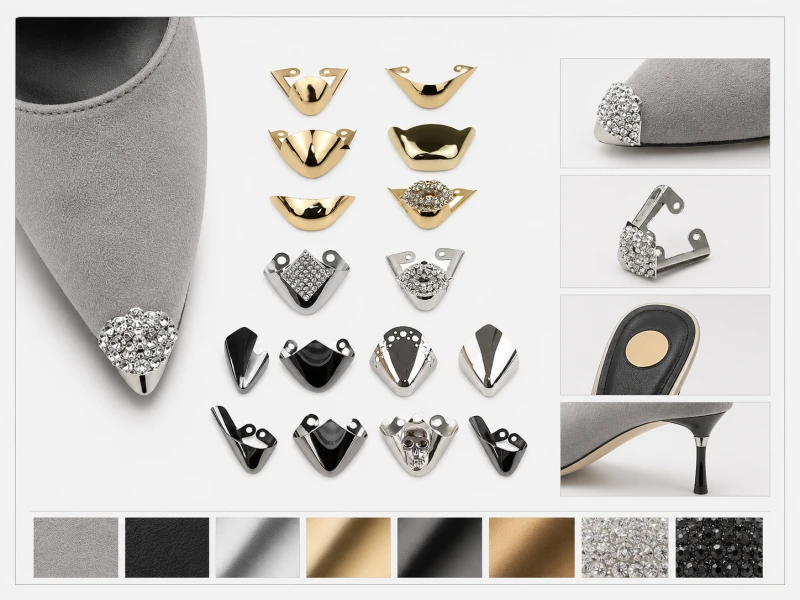
Section 06: Selling Before the First Stitch — CGI and 3D Validation
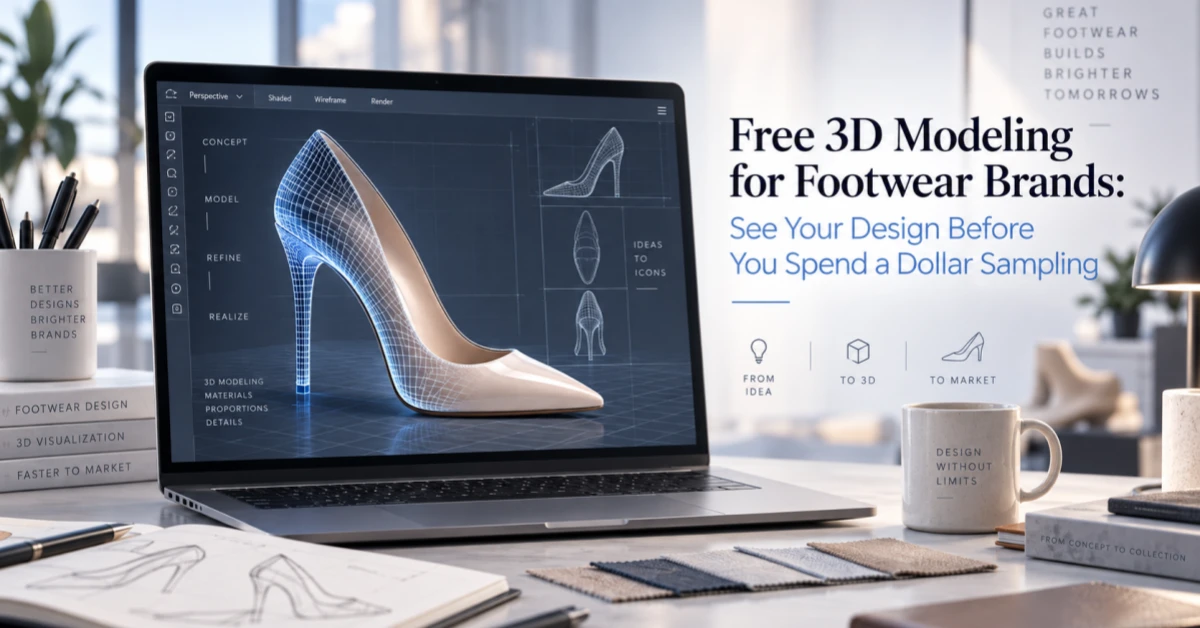
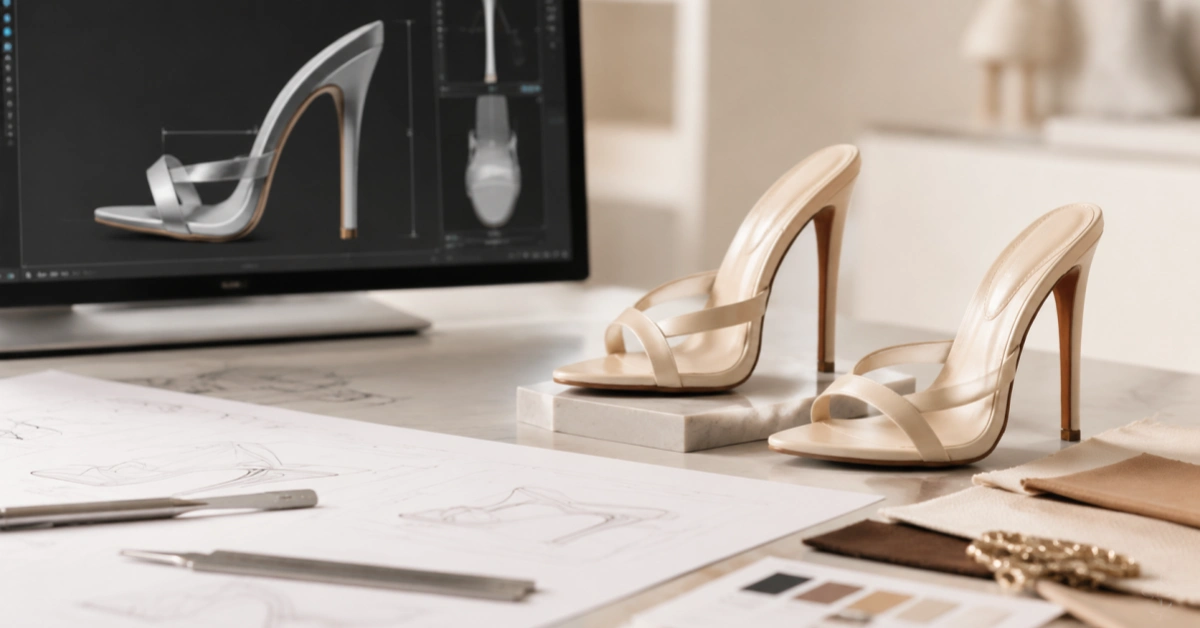
In the modern fashion economy, speed to market is a competitive advantage. The traditional model requires waiting 12 weeks for a physical sample before you can even begin your marketing campaign. Our 72-Hour 3D Digital Validation process disrupts this timeline. Once we have engineered your design in virtual space, we can generate 4K CGI Visual Marketing Assets. These renders are so realistic that they can be used for pre-sales, lookbooks, and social media campaigns while the physical prototypes are still in production. This allows our partners to validate market reception and secure wholesale orders 30 to 60 days earlier than their competitors.
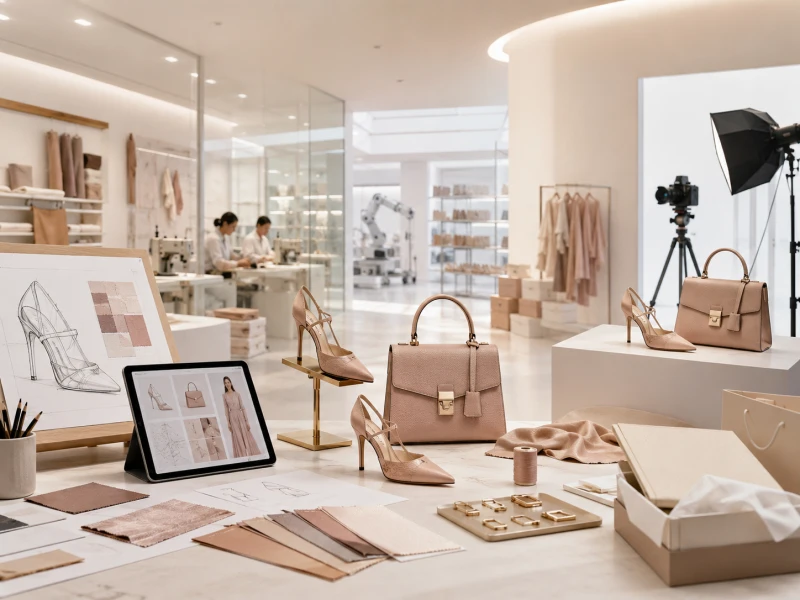
FAQ: Mastering the Technical Side of High Heels
Why does my 120mm heel feel "bouncy" or unstable?
Bounciness is usually a sign of an inferior shank or a heel core that lacks internal alloy reinforcement. When the internal structure flexes under weight, the COG shifts, causing that unstable sensation. Upgrading to a manganese steel shank integration solves this issue instantly.
Can you manufacture stilettos using vegan or bio-based leathers?
Yes. However, bio-based materials have different stretch coefficients than animal hides. As a custom high-heels manufacturer, we re-engineer the internal reinforcements to compensate for these material differences, ensuring your eco-friendly collection is as durable as it is ethical.
What is the benefit of small-batch production for a luxury brand?
Small-batch production (Boutique Batches) protects your brand's exclusivity and your cash flow. It allows you to test experimental designs without the risk of heavy inventory overhead. We specialize in Small Batch Luxury Footwear Production, providing the same high-level engineering for 100 pairs as we do for 1,000.
Conclusion: Engineering Your Creative Legacy
The fashion world is full of beautiful sketches, but the market only rewards those that can walk the talk. Designing a luxury stiletto is an act of art; manufacturing one is an act of engineering. By choosing a partner that prioritizes Technical Auditing, Precision Last Engineering, and Structural Integrity, you aren't just making a shoe—you are building a legacy. At Herrains, we provide the technical infrastructure and artisanal expertise you need to scale your brand from a single sketch to a global icon.
Stop gambling with your brand’s reputation. Partner with the custom-high-heels-manufacturer that understands the architecture of elegance.
About the Author: Senior Technical Consultant at Herrains
As the lead technical strategist for the XINZIRAIN Group, the author brings over 22 years of footwear engineering expertise to the Herrains incubator. Specializing in high-tension silhouettes and architectural shoe construction, they have personally overseen the technical alignment and successful market launch of over 500 independent luxury labels worldwide.
Their philosophy, "Technical Sovereignty," focuses on empowering designers by bridging the gap between artistic vision and industrial reality. By integrating heritage Italian craftsmanship with advanced 3D digital twins, they ensure that every pair of stilettos manufactured under their guidance meets the highest global standards of safety, stability, and elegance.