

Quick Answer
AI is transforming footwear design by enabling brands to generate creative concepts, optimize material selection, and accelerate prototyping. In 2026/2027, footwear brands can use AI to produce design iterations, simulate comfort and fit, and streamline collaboration between designers and manufacturers. By integrating AI with traditional OEM/ODM manufacturing workflows, brands reduce time-to-market, lower development costs, and scale personalized footwear collections efficiently.
Key Takeaways
- AI allows rapid generation of footwear concepts from sketches, images, or textual prompts.
- Material simulation and 3D modeling improve design feasibility before production.
- AI-assisted prototyping accelerates sample development and reduces errors.
- Brands can test consumer preferences and trends virtually before physical production.
- Integration with manufacturers like HERRAINS ensures smooth transition from AI design to OEM/ODM production.
- AI in footwear is shaping 2026/2027 collections for startups, private labels, and established brands alike.
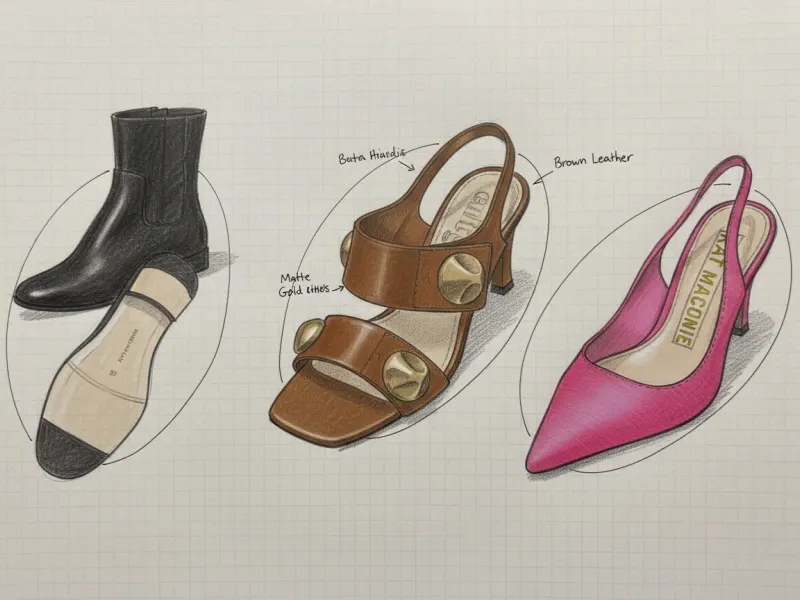
The Growing Role of AI in Footwear Design
In recent years, AI has shifted from a supplementary design tool to a central element in product development. Brands now leverage AI-powered platforms to:
- Generate hundreds of design variants in minutes
- Explore new materials and textures virtually
- Predict ergonomics, fit, and comfort
- Visualize seasonal collections for internal review
For both custom footwear startups and established brands, AI reduces dependency on manual sketching and speeds up decision-making.
AI Tools for Footwear Design
AI in 2026/2027 spans multiple capabilities:
- Generative Design
- Produces new footwear silhouettes and patterns.
- Supports both casual sneakers and high-fashion heels.
- Incorporates structural constraints for durability and manufacturability.
- Material Simulation
- Evaluates the performance of leather, vegan alternatives, mesh, and knits.
- Predicts stretch, breathability, and wear patterns.
- Reduces wasted material in prototypes.
- Fit and Ergonomics Analysis
- Simulates foot anatomy and gait.
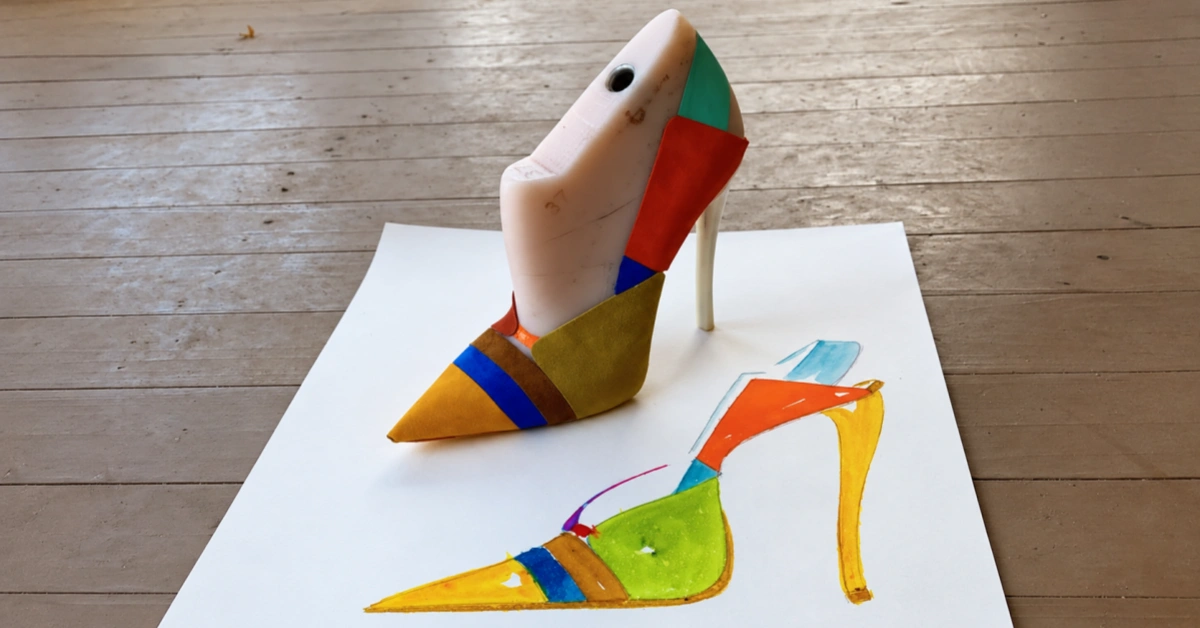
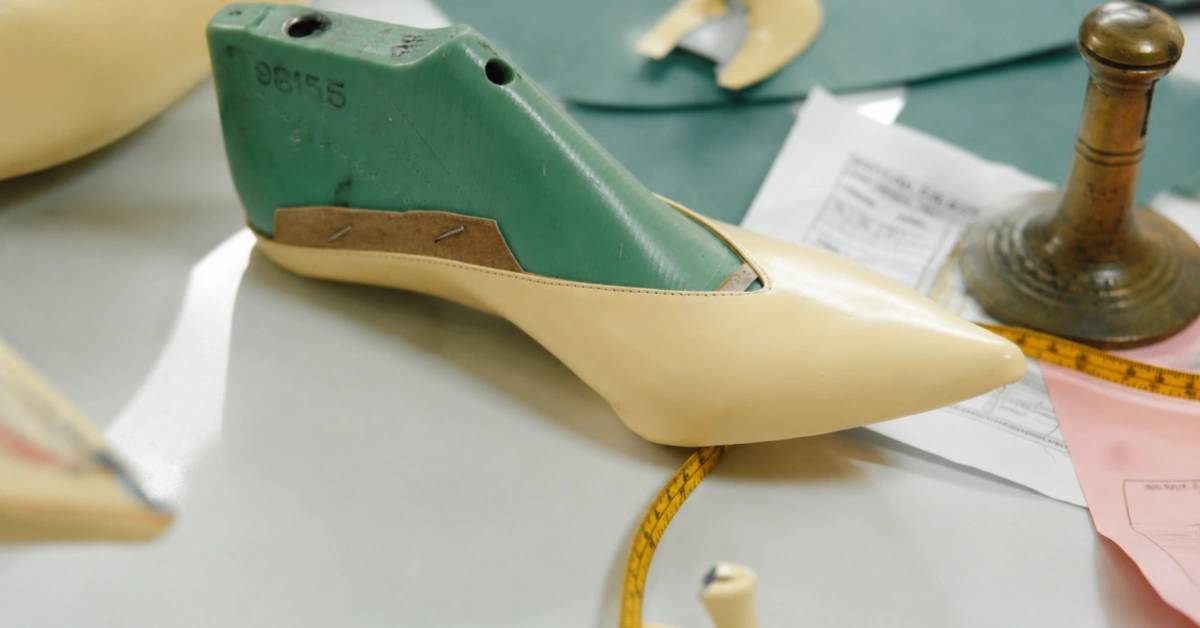
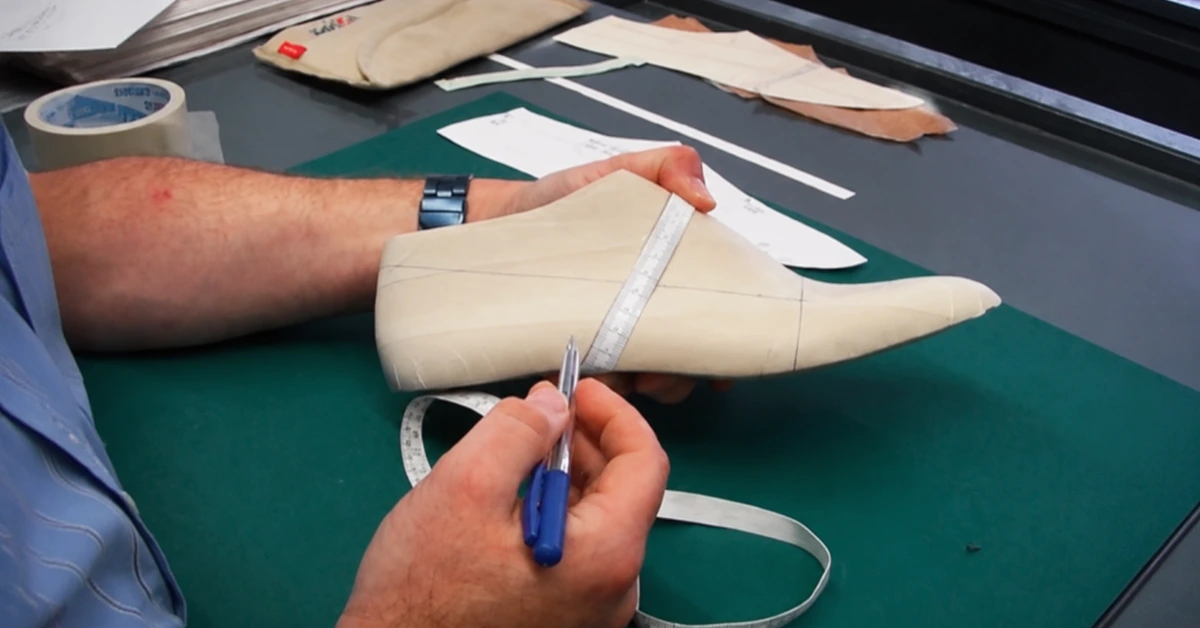
- Optimizes last and insole shapes before physical prototyping.
- Improves comfort and reduces returns.
- Trend Analysis
- AI algorithms scan social media, fashion shows, and e-commerce data.
- Predicts colorways, textures, and design motifs likely to succeed in upcoming seasons.
From Concept to Production: AI-Integrated Workflow
AI doesn't replace manufacturing; it enhances the design-to-production pipeline.
Step 1: Concept Generation
- Designers upload sketches, inspiration boards, or textual prompts.
- AI generates multiple design options with suggested colorways, textures, and structural features.
Step 2: Feasibility & Material Analysis
- AI evaluates designs for manufacturability.
- Recommends appropriate leather types, vegan alternatives, or knit materials.
- Suggests outsole and midsole configurations compatible with OEM or ODM processes.
Step 3: Rapid Prototyping
- AI-generated designs are transformed into technical tech packs.
- Sample rooms at factories like HERRAINS can produce prototypes more quickly.
- Iterative feedback loops shorten the time from concept to physical sample.
Step 4: Final Production
- Designs are handed to production teams with accurate specifications.
- QC teams use AI-assisted inspection tools to verify consistency and quality.
- Brands launch collections faster and with lower development risk.
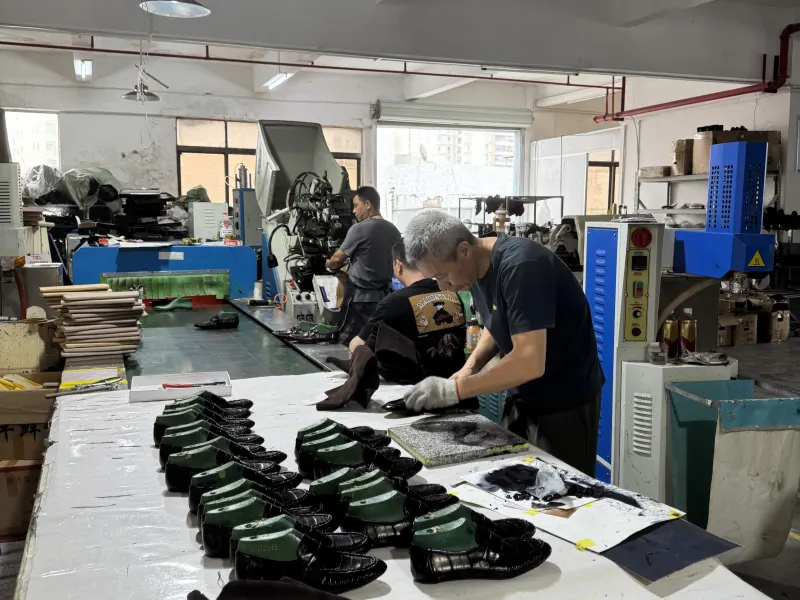
Case Study: AI-Driven Sneaker Collection
A startup brand in the Middle East wanted to launch a limited sneaker collection for 2026. Using AI:
- 150 initial design concepts were generated from mood boards.
- Material simulation suggested a lightweight knit upper and EVA midsole for comfort.
- 3D prototyping produced the first physical sample within 3 weeks.
- The collection achieved market readiness 40% faster than traditional workflows.
Benefits for Brands in 2026/2027
| Benefit | Description |
|---|---|
| Speed | Generate design iterations and prototypes faster |
| Cost Efficiency | Reduce wasted material and labor hours |
| Customization | Easily create private label and limited edition designs |
| Data-Driven | Predict consumer preferences using AI trend analysis |
| Collaboration | Enhance communication between designers and manufacturers |
| Sustainability | Optimize materials to reduce waste |
Challenges and Considerations
While AI offers significant advantages, brands must be mindful of:
- Over-reliance on AI: Human creativity is still critical for brand identity.
- Material Feasibility: Not every AI-generated design can be produced efficiently.
- Intellectual Property: Ensuring designs are protected during AI-assisted ideation.
- Integration with Manufacturers: Factories must be capable of executing AI-informed designs accurately.
Expert Insight
According to footwear manufacturing specialists:
"Brands using AI for design see a 30–50% reduction in development time. The key is integrating AI-generated concepts with experienced manufacturers who understand pattern-making, last development, and production logistics."
For B2B buyers, this means partnering with suppliers who can interpret AI concepts and translate them into market-ready products—precisely the expertise offered by HERRAINS and XINZIRAIN.
OEM and Private Label Opportunities
AI makes it feasible for brands to:
- Launch small-batch or low-MOQ collections
- Explore seasonal or trend-driven lines
- Offer personalized or custom footwear options
- Reduce prototyping costs without compromising quality
For example, a private label sandal collection can go from AI design to production-ready prototype in under 30 days, enabling agile launches for fashion-forward markets.
How to Implement AI in Your Brand Workflow
- Start with concept images, sketches, or textual prompts.
- Use AI platforms for design iteration and material simulation.
- Collaborate with an experienced OEM/ODM manufacturer.
- Validate AI designs through physical samples.
- Integrate QC and material sourcing in alignment with AI recommendations.
- Launch market-ready collections with optimized lead times.

FAQ
Q1: Can AI replace designers in footwear?
A: No, AI complements designers by accelerating ideation and material optimization. Human creativity remains essential.
Q2: Does AI work for luxury and fashion brands?
A: Yes, AI can generate high-end concepts while maintaining brand aesthetics.
Q3: How fast can AI designs be prototyped?
A: Combined with experienced manufacturers, physical samples can often be produced in 2–4 weeks.
Q4: Can AI suggest materials for vegan footwear?
A: Absolutely. AI can simulate performance of leather, PU, microfiber, or plant-based alternatives.
Q5: How does AI improve sustainability?
A: By reducing material waste and optimizing production processes, AI enhances eco-friendly design practices.
Q6: Is AI integration expensive for brands?
A: Costs vary, but AI reduces overall product development and prototyping costs, offering ROI over multiple collections.
Q7: Which manufacturers support AI-driven design?
A: Factories like HERRAINS provide tech pack consultation, rapid sampling, and translation of AI concepts into production.
Q8: Does AI help with consumer trend prediction?
A: Yes, AI analyzes social media, fashion shows, and sales data to inform design choices.
Q9: Are AI-generated designs protected legally?
A: Brands should file IP protection for finalized concepts to safeguard ownership.
Q10: Can startups benefit from AI footwear design?
A: Definitely. AI lowers barriers to entry and enables startups to launch high-quality collections quickly.
Start Your AI-Driven Footwear Project
Leverage AI to design, prototype, and produce your next footwear collection. HERRAINS, backed by XINZIRAIN’s 25+ years of OEM/ODM manufacturing expertise, helps brands translate AI-generated concepts into high-quality, market-ready products.
Contact our team today to start your AI-driven footwear design journey, request a sample, or discuss private label manufacturing.
Related blog reading: