

Introduction
Over the past few years, clogs have quietly returned to the spotlight of European fashion. Once associated primarily with traditional wooden footwear or workwear, clogs have evolved into a versatile and stylish category embraced by both luxury designers and emerging fashion brands.
From Scandinavian minimalism to modern lifestyle footwear collections, clogs are now appearing across European retail platforms, fashion shows, and independent brand catalogs. Their renewed popularity reflects broader shifts in consumer preferences toward comfort, simplicity, and sustainability.
In 2026, the European footwear market continues to see growing demand for cork footbed shoes, minimalist silhouettes, and versatile everyday footwear. These factors have made clogs a natural fit for modern collections.
For fashion brands and retailers, clogs represent an opportunity to introduce products that combine comfort-driven design with strong lifestyle appeal. Many companies are also exploring private-label clog production as a way to expand their product lines while maintaining brand identity.
This article explores why clogs are trending again in Europe, what styles are gaining traction, and how modern clog manufacturers support fashion brands entering this growing category.
The Return of Clogs: From Traditional Footwear to Fashion Staple
Clogs have a long history in European culture. Historically, they were worn by workers and farmers across countries such as the Netherlands, Sweden, and France. Traditional clogs were often made from wood and designed for durability rather than fashion.
Over time, the design evolved. Modern clogs replaced wooden soles with cork footbeds, rubber outsoles, and leather uppers. These materials offered better comfort and flexibility while maintaining the recognizable clog silhouette.
By the early 2000s, several European brands began modernizing the clog concept by incorporating contemporary materials and fashion-forward styling. The result was a hybrid between traditional craftsmanship and modern footwear design.
Today’s clogs are no longer limited to rustic styles. They are available in a wide range of designs, including:
-
minimalist leather clogs
-
platform fashion clogs
-
cork footbed sandals
-
casual slip-on clogs
-
luxury designer clogs
This evolution has allowed clogs to appeal to a much broader audience, from fashion-conscious consumers to people seeking comfortable everyday footwear.
Key Reasons Clogs Are Trending Again in Europe
Several key trends explain why clogs are experiencing a resurgence in the European market.
Comfort-Driven Fashion
Comfort has become one of the most important purchasing factors in modern footwear. Consumers increasingly prioritize ergonomic designs that support long periods of walking or standing.
Clogs naturally meet this demand thanks to features such as:
-
contoured footbeds
-
supportive cork midsoles
-
wide toe boxes
-
slip-on convenience
These attributes make clogs especially popular among consumers seeking practical yet stylish footwear.
Comfort-focused design is no longer limited to sportswear. Many fashion brands are now integrating ergonomic features into lifestyle collections, which has significantly contributed to the rise of modern clogs.
The Rise of Minimalist Footwear
Minimalism has become a defining theme in European fashion over the past decade. Clean silhouettes, neutral colors, and timeless designs dominate many contemporary footwear collections.
Clogs align perfectly with this aesthetic. Their simple structure and understated profile make them easy to incorporate into minimalist wardrobes.
Popular minimalist clog designs include:
-
smooth leather uppers
-
monochrome color palettes
-
open-back slip-on styles
-
low-profile cork soles
These designs are particularly popular among Scandinavian and Northern European consumers who value functional elegance and simplicity.
Sustainability and Natural Materials
Another major factor behind the clog trend is sustainability. European consumers increasingly prefer products made with environmentally responsible materials.
Clogs often incorporate natural components such as:
-
cork footbeds
-
vegetable-tanned leather
-
recycled rubber outsoles
-
biodegradable materials
Cork, in particular, is widely used in modern clogs because it is renewable, lightweight, and highly supportive.
Footwear brands looking to highlight sustainable practices often introduce cork footbed clogs as part of eco-friendly collections.
Influence of Scandinavian and German Brands
Northern Europe has played a significant role in the revival of clogs. Scandinavian and German footwear brands have long emphasized comfort, craftsmanship, and practical design.
These brands helped reposition clogs as modern lifestyle footwear rather than purely traditional shoes.
Their influence has spread across Europe, inspiring other fashion companies to incorporate clog-inspired designs into seasonal collections.
As a result, clogs are now seen as a balance between heritage craftsmanship and contemporary fashion.
Popular Clog Styles in the European Market
Several clog styles are particularly popular among European consumers and fashion brands.
Cork Footbed Clogs
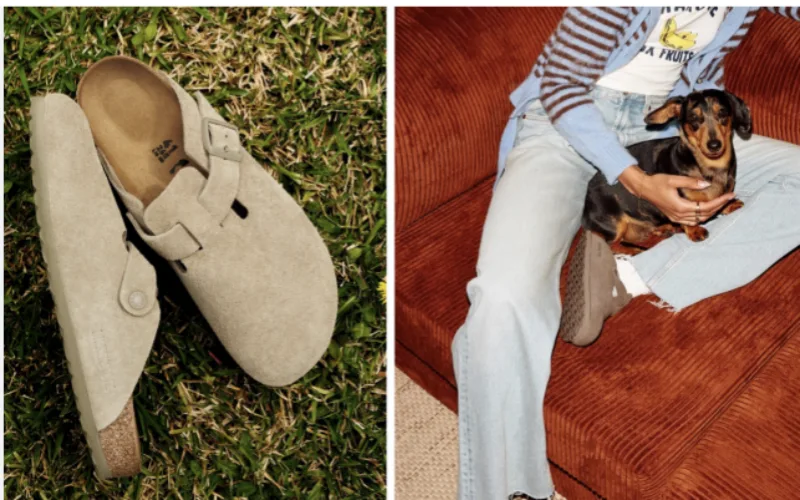
Cork footbed clogs are among the most recognizable modern designs. The cork midsole molds to the shape of the foot over time, providing personalized comfort.
Key features include:
-
anatomical footbeds
-
suede or leather uppers
-
adjustable straps
-
natural cork midsoles
These styles are widely used in casual lifestyle collections.
Platform Fashion Clogs
Platform clogs have become popular in fashion-forward collections. They combine the classic clog structure with elevated soles, creating a bold and contemporary look.
Platform clogs are often seen in:
-
streetwear collections
-
designer collaborations
-
trend-driven seasonal lines
This category appeals to younger consumers who want statement footwear with comfort benefits.
Minimalist Leather Clogs
Minimalist leather clogs focus on clean lines and premium materials. They often feature:
-
smooth leather uppers
-
neutral color palettes
-
subtle design details
These styles are commonly found in boutique fashion brands and premium lifestyle collections.
Open-Back Casual Clogs
Slip-on clogs remain one of the most practical designs. Their easy-to-wear construction makes them ideal for everyday use.
They are commonly used as:
-
casual lifestyle shoes
-
indoor/outdoor footwear
-
travel-friendly shoes
Their versatility has contributed to the category’s growing popularity.
Luxury Designer Clogs
Luxury brands have also embraced clogs in recent years. High-end versions often feature:
-
premium leather materials
-
handcrafted details
-
unique silhouettes
These designer interpretations help elevate clogs from functional footwear to fashion statements.
Why European Fashion Brands Are Adding Clogs to Their Collections
For fashion brands, clogs offer several strategic advantages.
First, they align with the growing demand for comfort-oriented footwear. Consumers increasingly expect stylish shoes that can be worn for extended periods without discomfort.
Second, clogs are relatively versatile from a design perspective. Brands can create multiple variations using different materials, colors, and sole constructions.
Third, clogs fit well into both summer and transitional collections. Open-back designs work well for warmer months, while closed-toe styles can extend into autumn.
Because of these factors, many fashion brands are adding clog collections to complement their existing footwear lines.
How Modern Clogs Are Manufactured
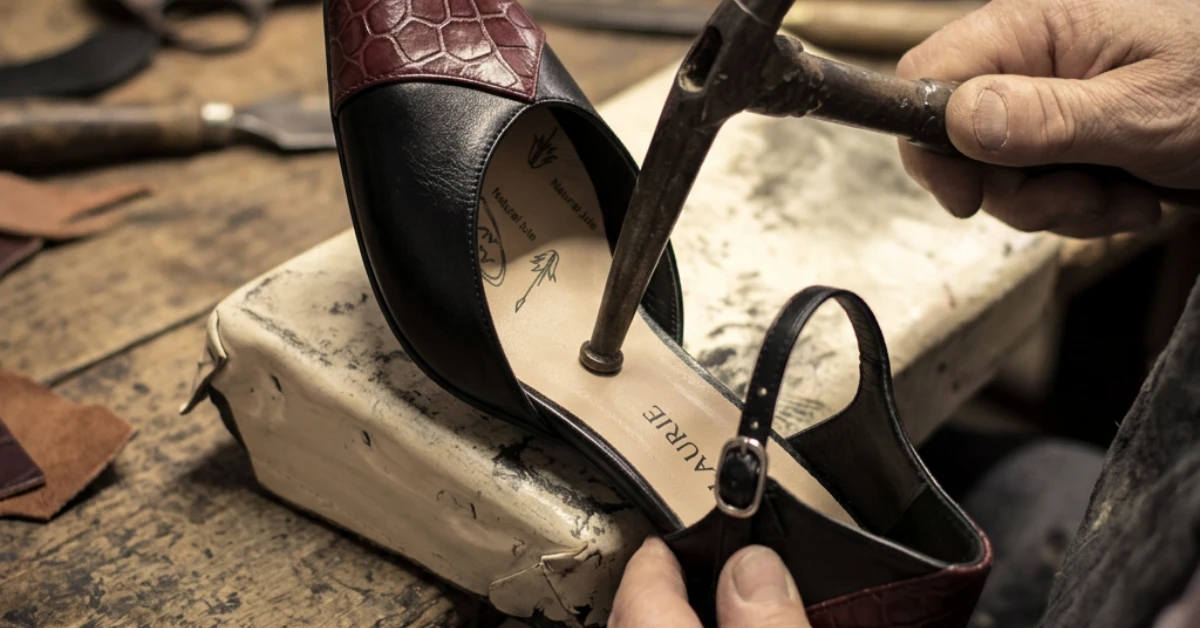
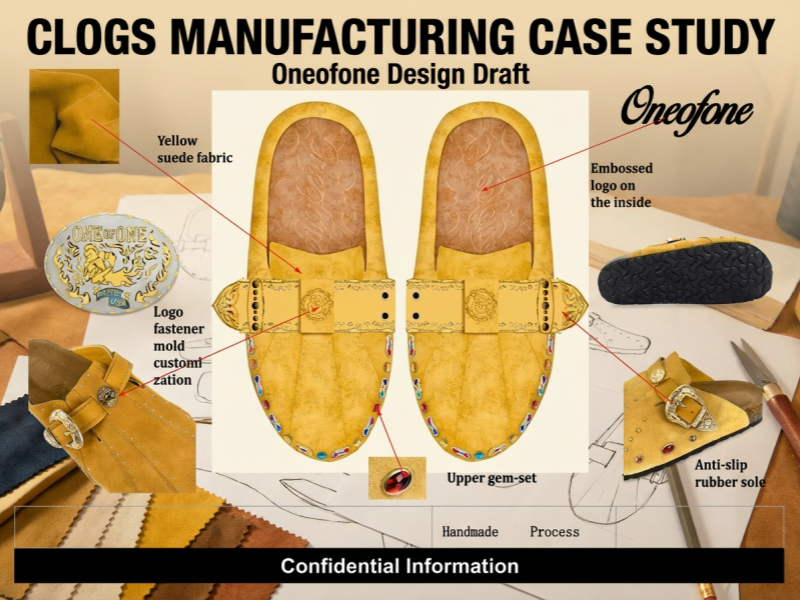
Modern clog manufacturing combines traditional craftsmanship with advanced production techniques.
Typical clog construction includes several key components:
Upper Materials
Common materials include:
-
full-grain leather
-
suede
-
synthetic leather
-
textile fabrics
These materials provide durability while allowing brands to experiment with textures and colors.
Footbed Construction
The cork footbed is one of the most important elements of clog design. It is typically layered with:
-
cork and latex blends
-
foam cushioning
-
suede or microfiber lining
This layered structure creates both support and comfort.
Outsole Design
Modern clogs often use rubber or EVA outsoles to improve traction and durability.
Many manufacturers also incorporate lightweight materials to reduce overall shoe weight.
How Fashion Brands Develop Private Label Clogs
Private label manufacturing has become a popular approach for brands entering the clog category.
Working with a custom clog manufacturer allows companies to develop products that reflect their brand identity while leveraging established production expertise.
The typical process includes:
-
concept development
-
material selection
-
prototype sampling
-
fit testing
-
bulk production
Many manufacturers offer customization options such as:
-
logo embossing
-
hardware selection
-
color customization
-
packaging design
This flexibility allows brands to launch unique products without building their own manufacturing infrastructure.
Why Many Brands Choose Chinese Clog Manufacturers
In recent years, many European and international brands have partnered with Chinese clog manufacturers.
Several factors contribute to this trend.
First, China offers a mature footwear supply chain with access to a wide range of materials and components.
Second, experienced manufacturers provide integrated services that include design support, sampling, quality control, and production.
Third, flexible minimum order quantities make it easier for emerging brands to launch new collections.
For example, manufacturers such as XINZIRAIN specialize in custom footwear production and support fashion brands through the entire development process—from design consultation to bulk manufacturing.
This collaborative approach allows brands to focus on marketing and distribution while relying on experienced production partners.
Future Outlook: Will Clogs Continue to Grow in Europe?
Industry analysts believe the clog trend will continue to grow in the coming years.
Several macro trends support this outlook:
-
increasing demand for comfortable footwear
-
consumer interest in sustainable materials
-
growth of lifestyle-oriented fashion brands
-
expansion of private label collections
Clogs sit at the intersection of these trends, making them a strong candidate for continued popularity.
For fashion brands looking to expand their product lines, the clog category offers both creative flexibility and strong market potential.
Conclusion
The resurgence of clogs in Europe reflects broader shifts in the footwear industry toward comfort, sustainability, and timeless design.
Modern clogs combine traditional craftsmanship with contemporary materials and fashion-forward styling. As a result, they have become a key product category for many fashion brands.
With growing consumer demand and flexible manufacturing options, clogs present significant opportunities for both established brands and emerging designers.
Companies exploring this category often collaborate with experienced manufacturers to develop private-label clog collections tailored to their target markets.
As the European footwear market continues to evolve, clogs are likely to remain an important part of modern fashion.
FAQ-Clogs Are Trending Again in Europe
Why are clogs trending again in Europe?
Clogs are trending again in Europe because consumers increasingly prefer comfortable, practical, and minimalist footwear. Modern clogs often feature ergonomic cork footbeds, natural materials, and simple designs that align with current fashion and sustainability trends. As comfort-driven fashion becomes more popular, clogs have re-emerged as a versatile everyday shoe in many European markets.
What types of clogs are most popular in Europe?
Several clog styles are currently popular in the European footwear market, including cork footbed clogs, minimalist leather clogs, platform fashion clogs, and open-back casual clogs. These designs combine comfort with contemporary aesthetics, making them suitable for both lifestyle and fashion collections.
Are clogs considered fashionable today?
Yes. Modern clogs have evolved beyond their traditional workwear origins and are now widely used in fashion collections. Many designers and lifestyle brands incorporate clogs into seasonal footwear lines because they combine comfort, minimal design, and versatile styling.
How are modern clogs manufactured?
Modern clogs are typically manufactured using leather or synthetic uppers, cork or EVA footbeds, and rubber outsoles. The construction focuses on ergonomic support, durability, and lightweight comfort. Many clog manufacturers also offer design customization and material options to match brand requirements.
Can fashion brands develop private label clogs?
Yes. Many footwear manufacturers provide private-label clog production services. Brands can customize materials, colors, logo details, packaging, and structural features to create unique clog collections that match their brand identity.
Why do brands work with clog manufacturers in China?
Many brands choose Chinese clog manufacturers because of their mature footwear supply chains, experienced production teams, and flexible manufacturing capabilities. These manufacturers often provide integrated services, including design support, sampling, quality control, and scalable production.