

In the global fashion ecosystem, the term "manufacturer" is often misunderstood as simply a tool—a factory operating on a set schedule. However, for independent designers or founders of emerging luxury brands, choosing a bespoke footwear manufacturer is a crucial strategic decision. It determines whether a product ends up in a warehouse or becomes a retail benchmark defining the brand's heritage. At Herranins , we hold a unique philosophy: manufacturing is not labor, but engineering. This guide explores the "invisible architecture" needed to build a scalable footwear brand in today's highly competitive luxury market.
Part 1: "The High-End Gap"—Why Traditional Factories Cannot Meet the Needs of Visionary Designers
Most emerging brands fail at the prototyping stage. Industry data shows that nearly 90% of designs never make it to mass production. This isn't due to a lack of creativity, but rather a "high-end market gap." Traditional factories cater to large-volume, low-complexity orders, relying on "visual approximations"—producing shoes that look like sketches while ignoring the underlying physics.
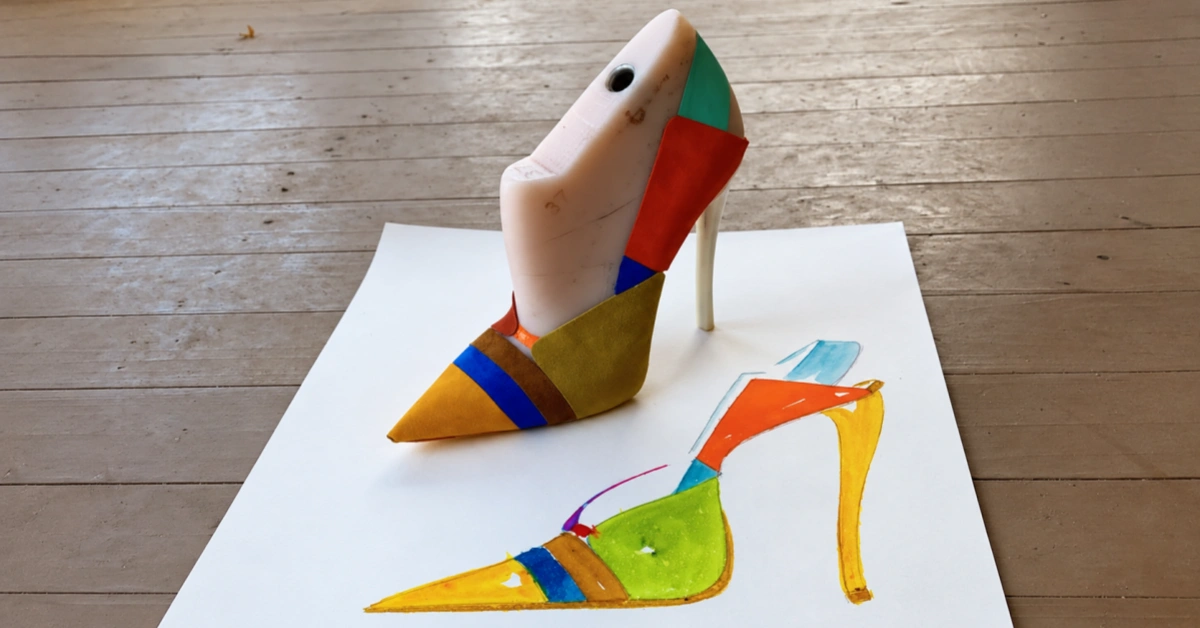
Specialized custom shoe manufacturers bridge this gap by acting as a technical laboratory. We go beyond the traditional “blind OEM” model. We don’t just receive your sketches; we conduct technical design reviews . Before cutting any piece of leather, we analyze the feasibility of the shoe shape and identify structural risks such as heel instability or material deformation. This proactive engineering is the essence of modern custom shoe manufacturing .
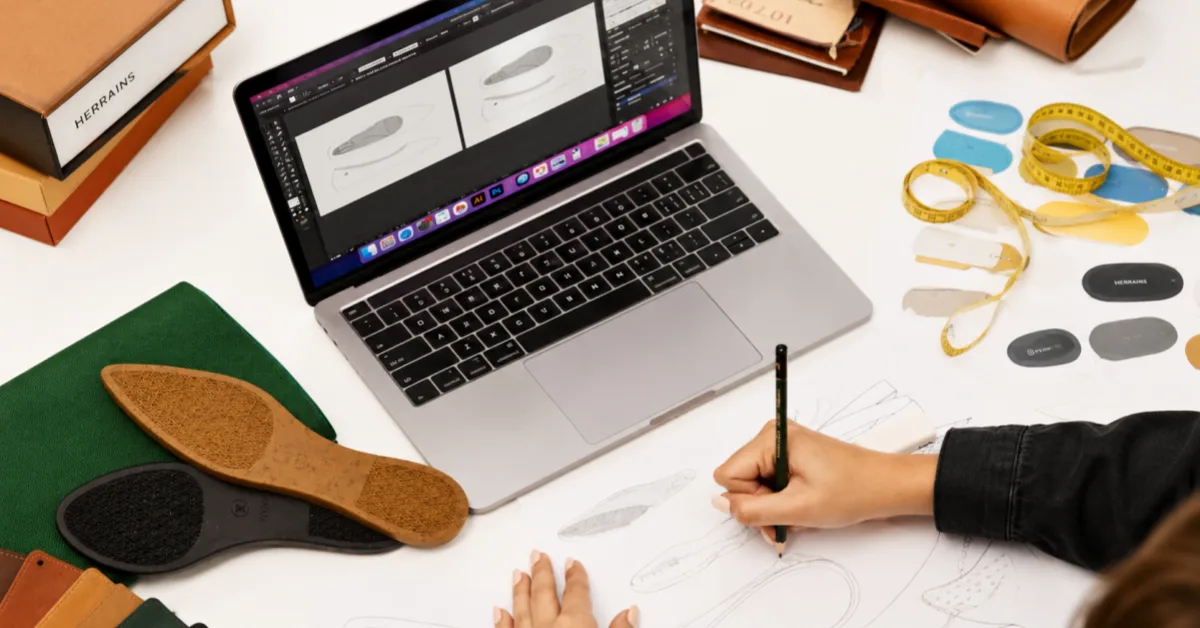
Part Two: The Soul of Footwear – Precision Shoe Last Engineering (±0.5 mm)
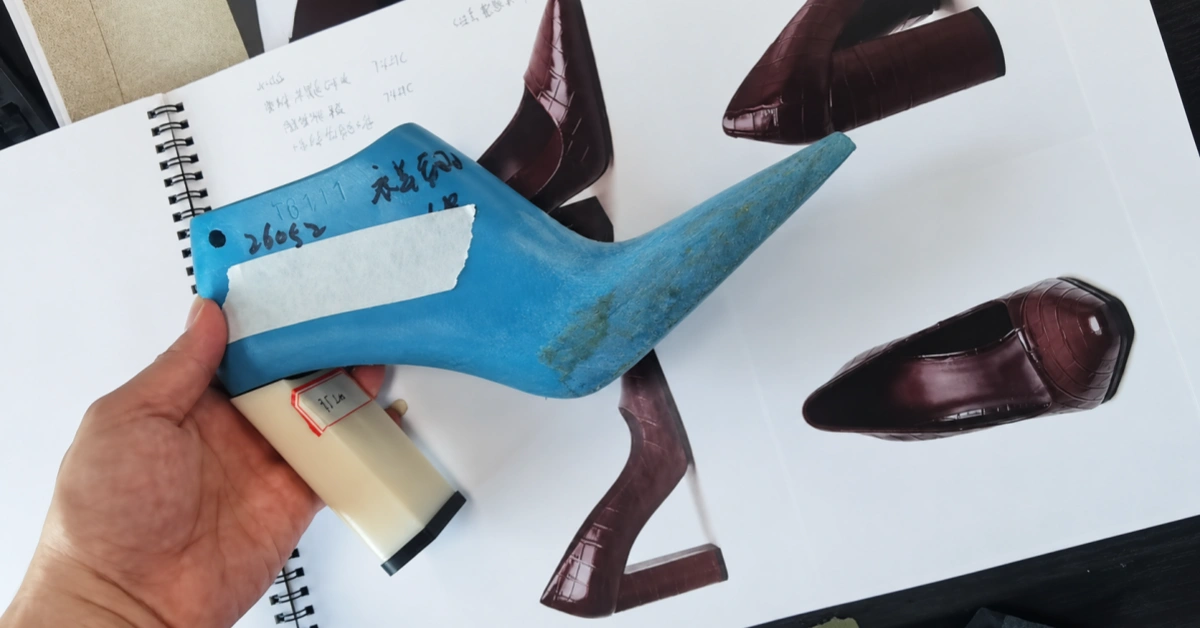
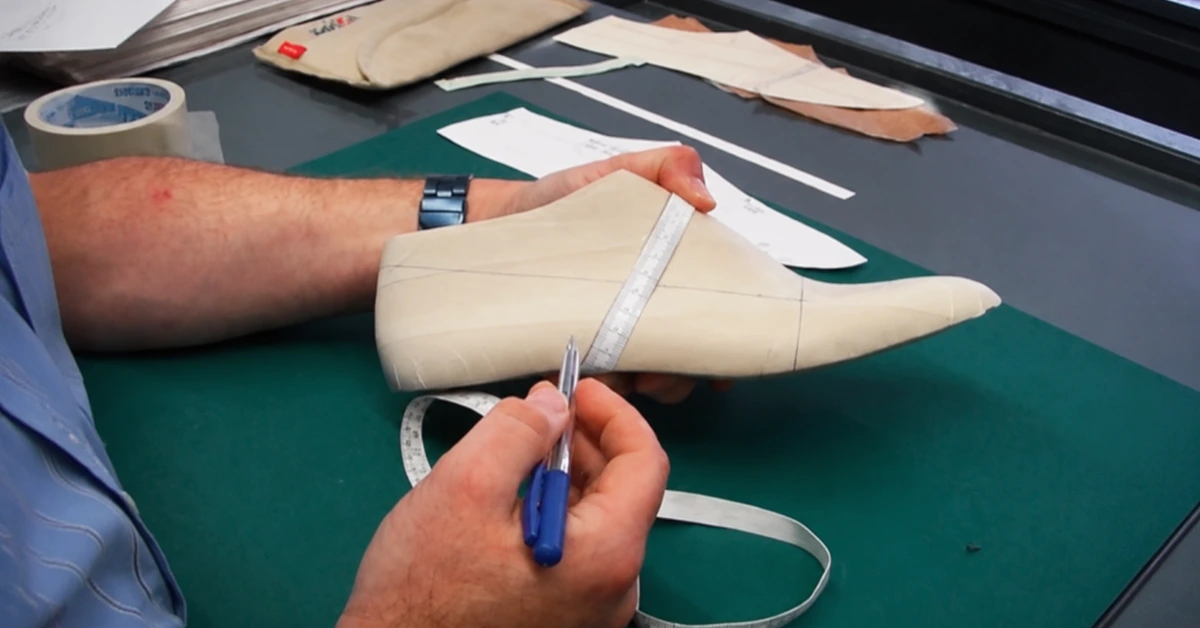
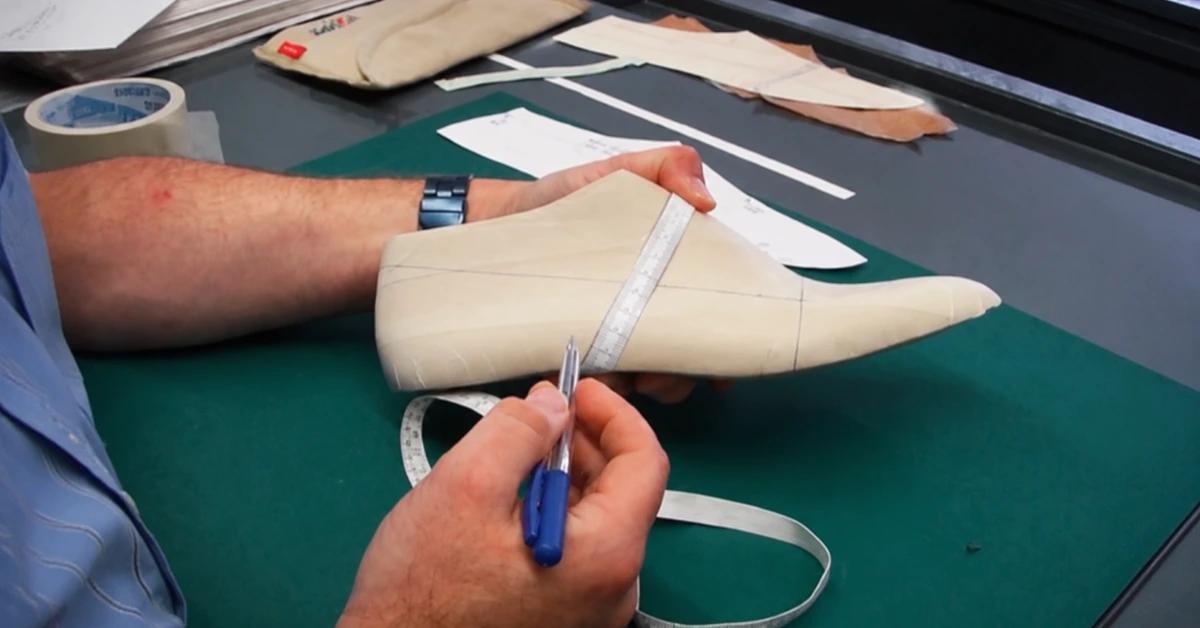
For any custom shoe manufacturer , the most important tool is undoubtedly the "shoe last" (the physical mold used to shape the shoe). In the luxury goods sector, the shoe last is the DNA of a brand, determining the fit, comfort, and durability of the shoe. Using shoe lasts produced in generic factories is a major cause of poor fit, high return rates, and damage to brand reputation.
Our approach includes digital last calibration to ±0.5 mm . Using CAD software, we review the biomechanics of your foot based on your specific design. We adjust the heel tilt to ensure the center of gravity is precisely centered in the heel. This is especially important for stilettos over 100 mm , as even a 1.5 mm error in the center of gravity (COG) can render the shoe unwearable. By ensuring this technical precision early on, you achieve the "Italian standard" fit that your customers perceive as worthy of high-end luxury.
Section 3: Internal Skeleton – Manganese Steel and Structural Integrity
In the high-end footwear sector, the unseen components are often more important than the visible ones. To meet the expectations of high-end customers for a rock-solid walking experience, custom footwear manufacturers must have a thorough understanding of their internal structures. Mass-market manufacturers typically use ordinary carbon steel cores that are prone to fatigue, while Herranins employs high-strength manganese steel cores .
Manganese steel provides a zero-flex support structure, preventing arch collapse and heel wobble. Furthermore, we've incorporated reinforced alloy studs in the core heel area. This integrated internal skeleton structure ensures your footwear maintains its sharp, stylish look even after months of frequent wear. This high-quality private-label footwear production protects your brand image and reduces the risk of product recalls.
Section 4: Safeguarding Technological Sovereignty Through Technology Packages
A common pain point for designers is the "prototype spiral"—endlessly creating physical prototypes yet never quite achieving the initial vision. This is often due to a lack of technical documentation. A top custom footwear manufacturer ensures technological autonomy by creating specialized technology packages .
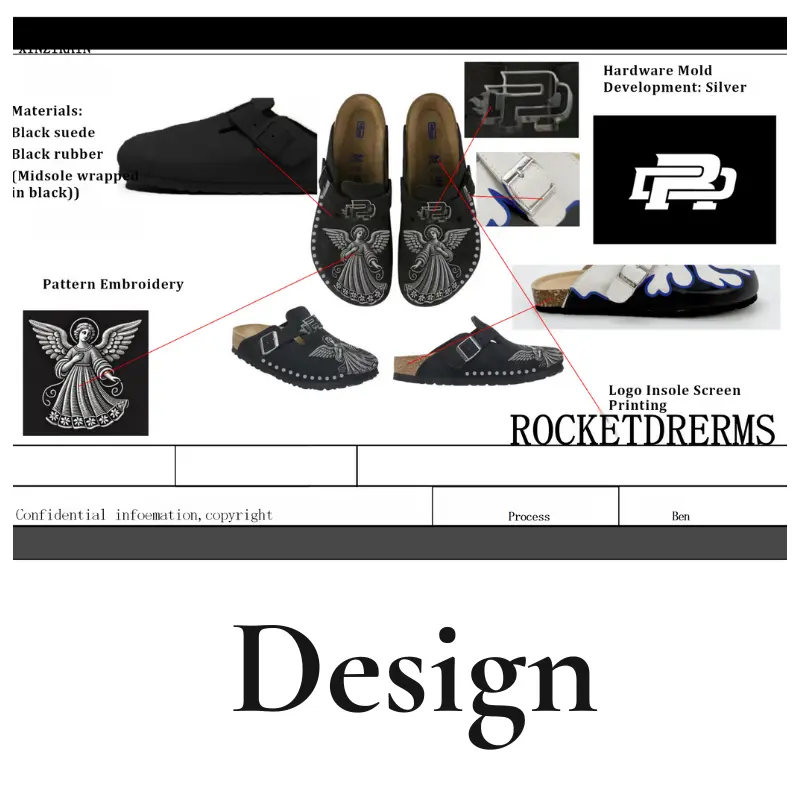
This technical package is a fundamental component of your product . It details the stitch density (measured in stitches per inch), the chemical composition of the binding paint, the tensile strength of the reinforcing tape, and the precise alloy composition of the hardware. By documenting these parameters, we ensure the scalability and repeatability of your brand's quality, whether you produce 100 pairs or 10,000 pairs.
Section 5: Material Selection and Global Retail Compliance
Building a global brand requires navigating complex international regulations. As your bespoke footwear manufacturer , one of our responsibilities is ensuring compliance. Luxury brands targeting the US and European markets must guarantee that all materials comply with REACH and Prop 65 regulations .
We source premium Grade A leather from certified tanneries in Italy and Brazil, as well as next-generation bio-based materials such as mycelial leather and pineapple leather. We conduct a "material memory" audit on each material to ensure it won't stretch or crack during durability testing. This technical material sourcing process ensures your product line is not only aesthetically pleasing but also compliant with international retail market laws and regulations.
Section 6: Strategic Small-Batch Production – Protecting Your Cash Flow
Traditional production models rely on huge minimum order quantities (MOQs), which severely hinder the cash flow of emerging brands. As a modern, technology-driven footwear incubator , we advocate for a strategic, small-batch production model.
Market validation is conducted in "small-batch, high-quality" formats. We offer flexible production scalability, enabling partners to test experimental shoe models and launch exclusive colorways without the risk of unsold inventory. This scalability ensures your own-brand footwear production grows organically with revenue, maximizing brand exclusivity while minimizing financial risk.
Frequently Asked Questions: Common Technical Bottlenecks
Q: How can 3D verification reduce my R&D costs?
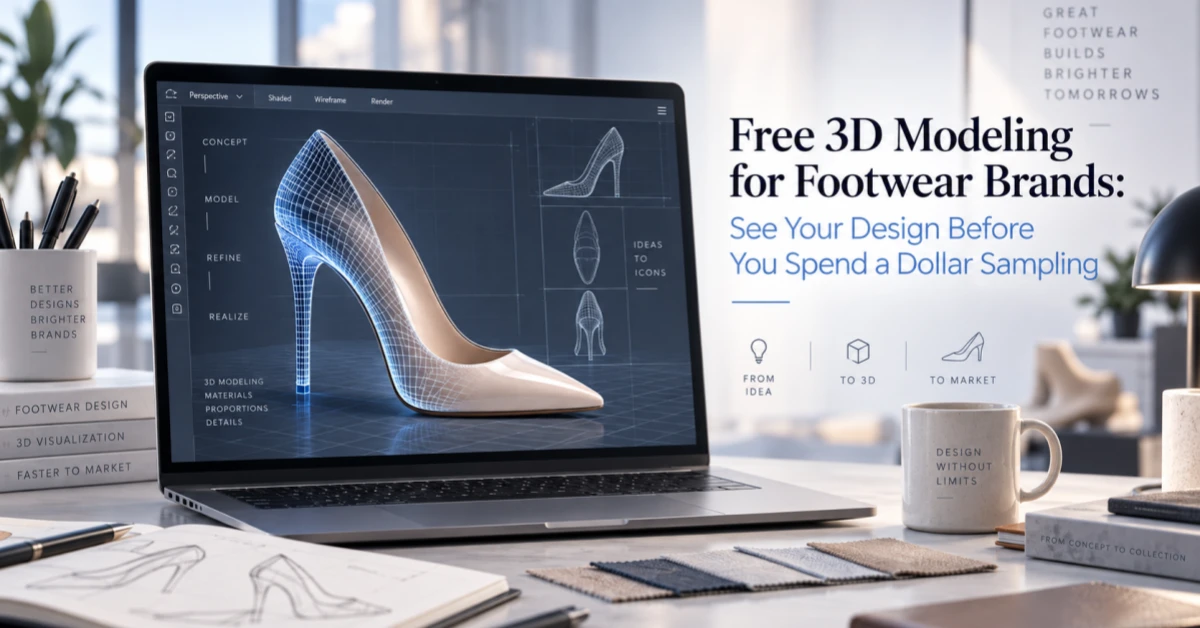
As a technology-driven custom shoe manufacturer , we employ 72-hour 3D digital twin verification technology . By simulating walking dynamics in virtual space, we can identify and resolve structural defects before they become actual scrap. This reduces the number of physical sample tests by up to 80%, saving you thousands of dollars in R&D costs.
Q: Can you develop custom hardware for our brand?
That's right. Luxury is in the details. Our in-house hardware lab uses CNC molding technology to create bespoke shoe buckles, heel caps, and logos. This ensures your brand has a unique technological identity that counterfeiters cannot replicate.
Q: Is my design intellectual property protected during the production process?
Of course. Before submitting any sketches, we sign a Mandatory Mutual Confidentiality Agreement (MNDA) . We have a "locked-down sample room" policy to ensure that your prototypes are never seen by other customers or competitors.
Conclusion: Building Your Creative Legacy
Designing a pair of luxury shoes is an art; manufacturing a pair is a rigorous industrial technology. To become a successful footwear brand founder, you need more than just suppliers; you need a technological infrastructure to support your vision. Choosing a custom footwear manufacturer like Herranins means you will have technological autonomy and can combine your creative talent with actual production.
Stop looking for simple "factories." Partner with technology incubators that truly understand your design philosophy and the future development of your brand.