

Choosing a bag manufacturer is not just about finding a factory that can make products. It is about finding a partner that understands your brand, your market, and the level of quality your customers expect.
Many fashion brands — especially startups — run into the same problems during production:
- Samples look good, but bulk orders feel different
- Delivery dates keep changing
- Communication becomes slow after payment
- Materials are inconsistent
- Hardware quality does not match expectations
- Packaging feels cheap compared to the product
These issues are more common than most people think.
Whether you are launching a new handbag collection or scaling an existing business, asking the right questions before starting production can save a huge amount of time, money, and stress later.
This guide covers the most important questions brands should ask before working with custom bag manufacturers and explains what reliable bag manufacturers should actually be able to provide.
Why the Right Bag Manufacturer Makes a Huge Difference
A bag factory is not simply a supplier.
A good manufacturer becomes part of your product development process. They help improve construction, solve production issues, source materials, and keep your timelines realistic.
A poor manufacturer usually creates the opposite:
- repeated sample revisions
- unclear communication
- unstable quality
- production delays
- higher long-term costs
This is especially important in fashion, where product quality directly affects brand reputation.
For many startup brands, the factory they choose during the first collection often determines whether they can grow smoothly or spend months fixing avoidable problems.
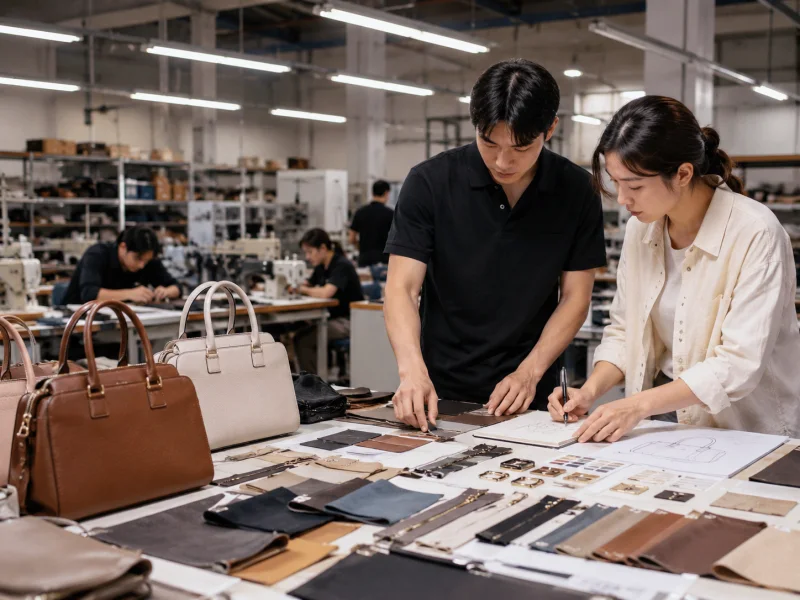
Do They Actually Have Experience Making Your Type of Bags?
This sounds obvious, but it is one of the biggest mistakes brands make.
Some factories say yes to every inquiry, even when they have very limited experience in that product category.
Making a structured leather handbag is very different from producing canvas tote bags or soft crossbody bags.
Different categories involve different skills, including:
- reinforcement structure
- leather edge finishing
- stitching density
- hardware installation
- lining construction
- handle strength
- shape control
For example, luxury handbags usually require much more detailed finishing work:
- cleaner edge painting
- tighter stitching consistency
- stronger internal structure
- more accurate logo placement
- higher-quality hardware polishing
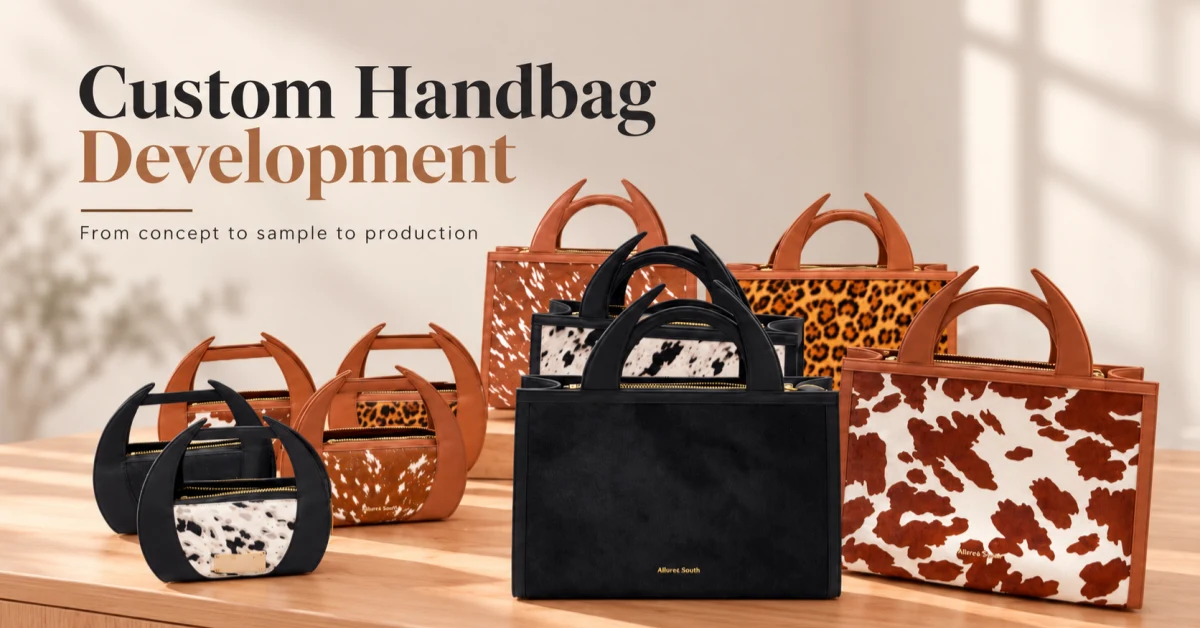
If you are working with custom leather bag manufacturers, ask to see products similar to your own project instead of only reviewing general factory catalogs.
Questions Worth Asking
- What bag categories do you produce most often?
- Can you show similar projects?
- Have you worked with premium brands before?
- Do you have experience with structured handbags?
- Can you handle custom hardware development?
A reliable bag manufacturer should be comfortable discussing production details, not only pricing.
What Is the MOQ — and Is It Flexible?
MOQ is one of the first things most startup brands ask about.
But instead of only asking for the lowest possible MOQ, it is better to understand how the MOQ is structured.
Many low MOQ bag manufacturers can offer flexibility depending on:
- materials
- hardware customization
- number of colors
- production complexity
- packaging requirements
For newer brands, smaller production runs reduce inventory pressure and allow more room to test the market.
A professional manufacturer usually understands this.
Questions to Ask About MOQ
- Is MOQ based on style or total order quantity?
- Does each color require a separate MOQ?
- Can materials be shared across styles?
- Is mixed-size production possible?
- Can you start with a trial order first?
A good factory should help you find a realistic production solution instead of immediately pushing large quantities.
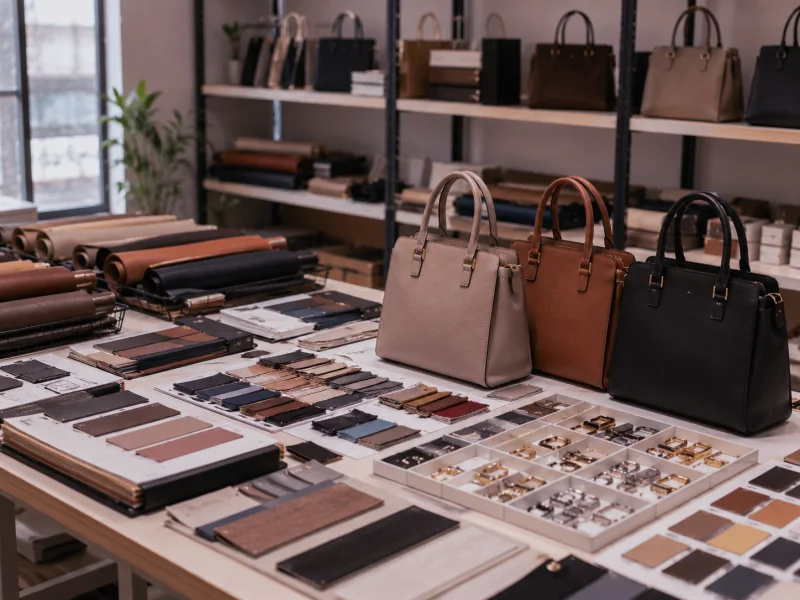
Do They Support OEM, ODM, or Private Label Production?
A lot of brands use these terms interchangeably, but they are actually very different.
Understanding this early helps avoid confusion later.
| Type | Meaning | Best For |
|---|---|---|
| OEM | Factory produces your original design | Brands with their own concepts |
| ODM | Factory adjusts existing designs | Faster development |
| Private Label | Existing products customized with your branding | Startup brands |
Some OEM bag manufacturers focus heavily on custom development, while others mainly produce ready-made styles for private label businesses.
If you are still developing your collection, make sure the factory can support:
- material recommendations
- construction suggestions
- hardware sourcing
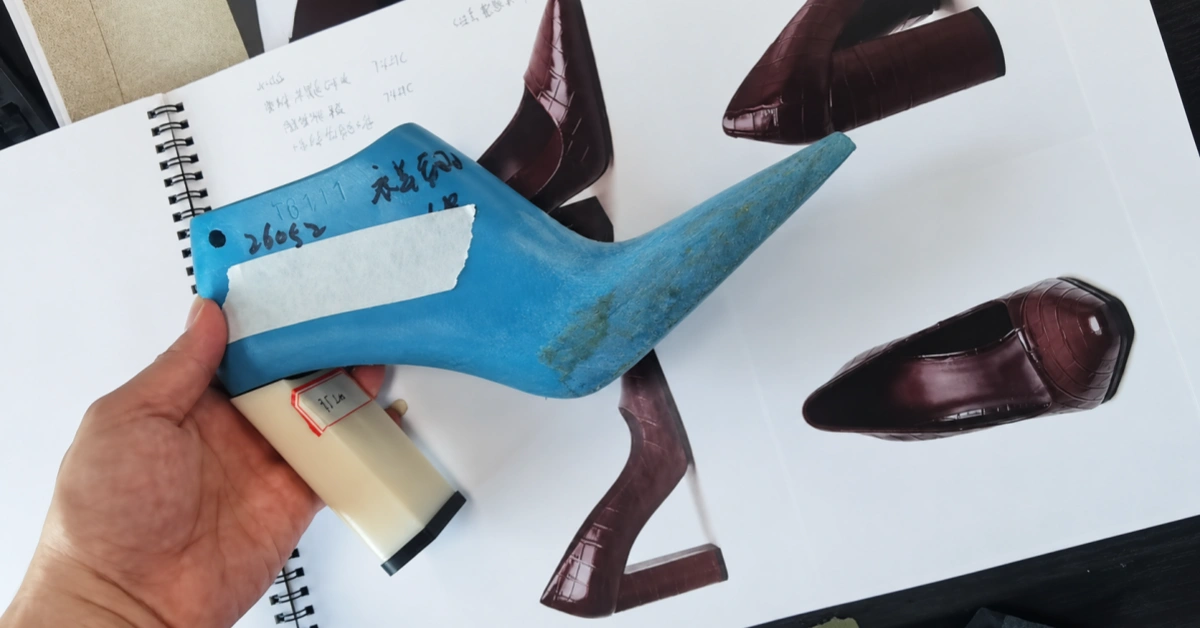
- sample adjustments
- branding customization
Important Questions
- Can you develop bags from sketches or reference images?
- Do you offer private label services?
- Can logos be customized?
- Do you support custom packaging?
- Can you source custom metal hardware?
The clearer the development process is, the smoother production usually becomes.
How Does Their Sampling Process Work?
This is where many production problems begin.
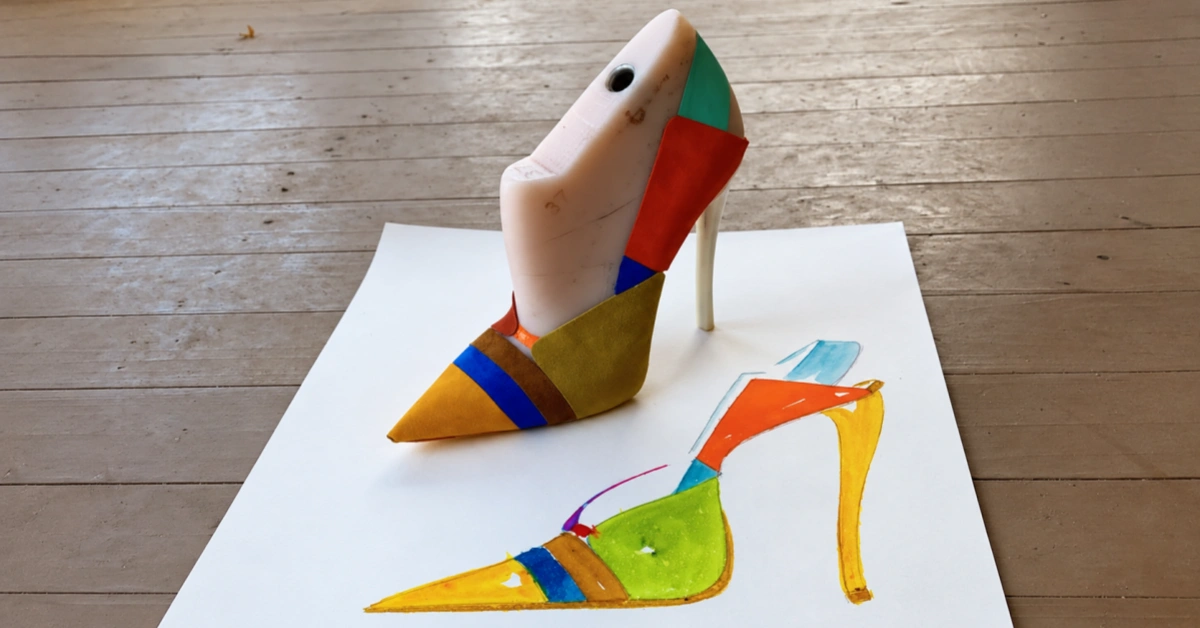
A sample is not only for appearance. It is where the factory proves whether they truly understand the design, materials, and construction details.
Professional handbag manufacturers usually treat sampling very seriously because they know the approved sample becomes the production standard later.
A rushed or careless sample often leads to bigger issues during bulk production.
A Few Important Things to Clarify
- How long does sample development take?
- How many revisions are included?
- Can materials be adjusted during sampling?
- Will the final production match the approved sample?
- How do they handle construction corrections?
Some factories focus only on speed.
But experienced custom bag manufacturers focus more on accuracy during development because fixing mistakes later is much more expensive.
What Materials Can They Actually Source?
Material sourcing affects almost everything:
- product quality
- durability
- customer perception
- price positioning
- sustainability
Reliable handbag manufacturers in China usually have stronger supplier networks and can recommend materials based on your market positioning.
Common materials include:
- full-grain leather
- top-grain leather
- vegan leather
- microfiber leather
- PU leather
- canvas
- nylon
If you are targeting premium markets, material consistency matters a lot.
For example, two leather suppliers may both claim to offer “genuine leather,” but the surface finish, durability, smell, and aging performance can be completely different.
Questions You Should Ask
- Where are your materials sourced from?
- Can you source sustainable materials?
- Do you offer leather recommendations?
- Can custom textures or colors be developed?
- What material options work best for my target market?
A factory with real sourcing experience will usually give practical suggestions instead of generic answers.
How Do They Handle Quality Control?
This is one of the most important parts of bag manufacturing.
Even strong designs can fail if production quality is inconsistent.
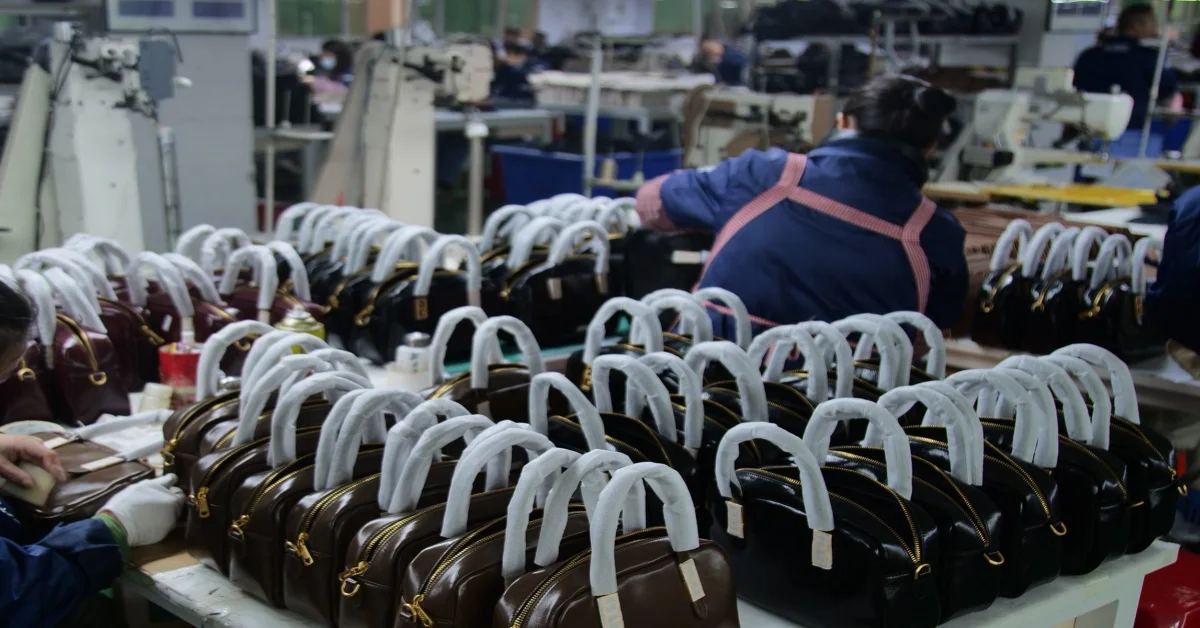
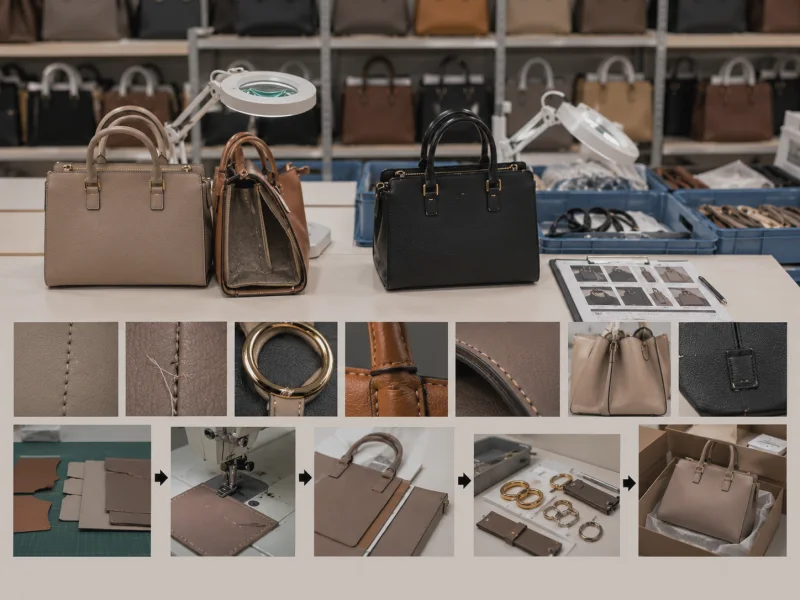
The best bag manufacturers have inspection systems during multiple production stages — not only at the end.
Common Quality Problems in Bag Production
- uneven stitching
- loose threads
- scratched hardware
- weak handles
- poor edge painting
- shape inconsistency
- crooked logo placement
Professional factories usually inspect products during:
- material cutting
- stitching
- assembly
- hardware installation
- final packaging
Important QC Questions
- Do you perform inline inspections?
- How are defective products handled?
- Can inspection reports be shared?
- Is hardware durability tested?
- Are products checked before packaging?
Reliable bag manufacturers are usually very open about their quality control process because it is part of their long-term reputation.
Can They Support Packaging and Shipping?
Many brands spend months developing products but overlook packaging until the last minute.
In reality, packaging affects how customers experience the product.
For premium handbags especially, packaging is part of the brand image.
Questions About Packaging
- Can custom boxes be produced?
- Do you provide dust bags?
- Can barcode stickers be added?
- Is branded tissue paper available?
Questions About Shipping
- Which shipping methods do you support?
- Can worldwide shipping be arranged?
- Do you support DDP shipping?
- Can products ship directly to fulfillment centers?
Experienced export bag manufacturers usually help simplify both packaging and logistics coordination.
How Good Is Their Communication During Production?
One of the easiest ways to judge a factory is by how they communicate before production even begins.
Factories that communicate clearly during development usually continue doing so during production.
Poor communication early on often becomes worse later.
Warning Signs
- delayed replies
- vague answers
- inconsistent timelines
- no factory updates
- refusing video calls or production photos
Signs of a Reliable Manufacturer
- clear production updates
- dedicated project managers
- quick technical feedback
- transparent timelines
- organized communication process
Strong communication reduces production risks and avoids unnecessary misunderstandings.
Can They Grow With Your Brand?
A good manufacturing partner should not only support your first order.
They should also be capable of supporting your growth later.
As brands scale, production becomes more demanding:
- larger order quantities
- more SKUs
- faster lead times
- stricter quality standards
- more advanced packaging needs
Changing factories too frequently often creates instability.
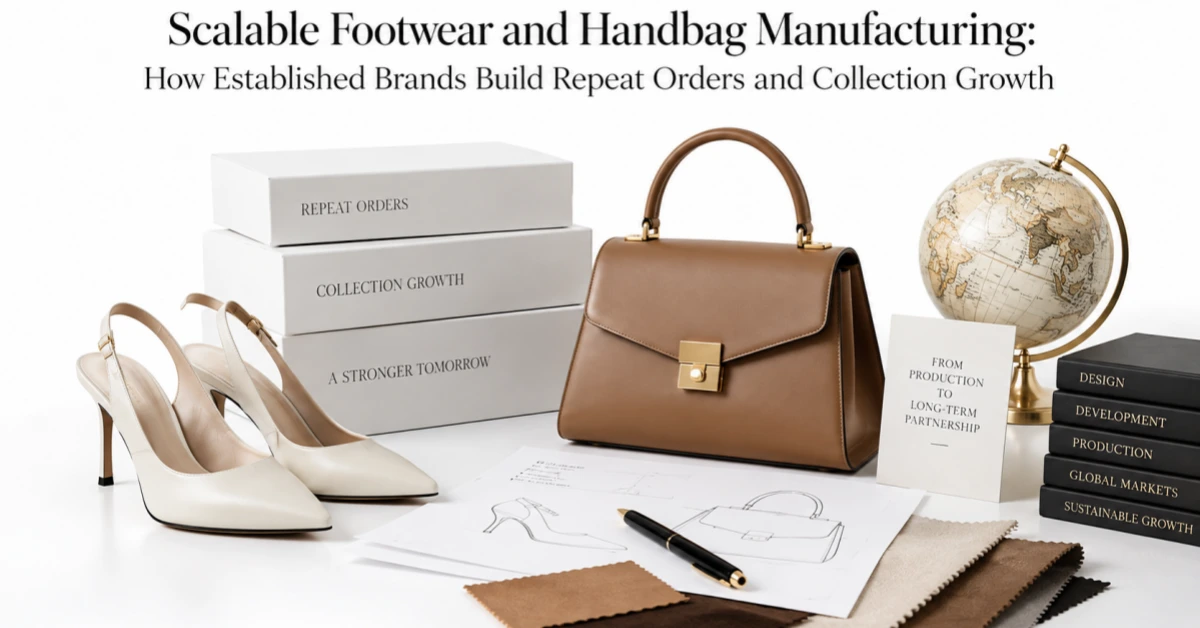
That is why many growing brands prefer long-term partnerships with scalable bag manufacturers.
Final Checklist Before Choosing a Bag Manufacturer
Before moving forward with any factory, make sure you feel confident about these areas:
Product category experience
Flexible MOQ options
OEM / ODM capability
Professional sample development
Material sourcing ability
Quality control systems
Packaging support
Export experience
Clear communication
Scalable production capability
The right bag manufacturer should help simplify the development process — not make it more complicated.
Why Many Brands Choose HERRAINS
At HERRAINS, we work with brands looking for long-term manufacturing support rather than simple transactional production.
As part of the XINZIRAIN group, we provide one-stop support for:
- custom bag manufacturing
- OEM & ODM production
- private label development
- material sourcing
- sample development
- hardware customization
- packaging
- global shipping support
Our team works with:
- startup brands
- fashion designers
- retailers
- e-commerce businesses
- distributors
From leather handbags to crossbody bags, tote bags, and premium fashion accessories, we help brands move from concept to scalable production with more stable quality control and clearer communication throughout the process.