


As the boundaries between formal businesswear and everyday casual dressing continue to dissolve, men’s footwear is entering a new phase of evolution. For Fall/Winter 2026–2027, business casual men’s shoes are no longer defined by rigid formality or purely functional design. Instead, they reflect a broader cultural shift toward flexibility, emotional resonance, and scenario-based dressing.
Under the theme of Neo-Business, color becomes a strategic design language—balancing professionalism with individuality, structure with comfort, and heritage with contemporary expression. This report explores four key color narratives shaping the next generation of business casual men’s footwear, offering practical insights for brands, designers, and sourcing teams preparing future collections.
Inspiration Behind the Neo-Business Direction
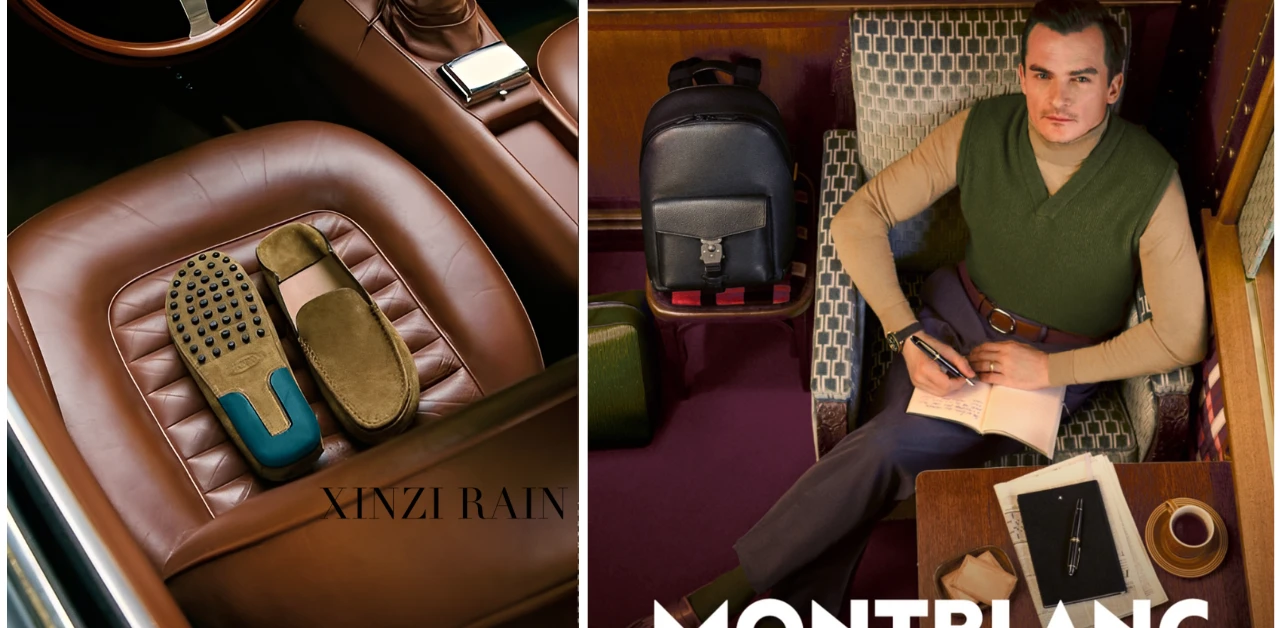
Recent cross-industry collaborations and runway narratives signal a clear direction for men’s accessories and footwear. Montblanc’s renewed creative partnership with filmmaker Wes Anderson highlights a refined storytelling approach—where craftsmanship, emotion, and personal journey take center stage. Meanwhile, Louis Vuitton’s 2026 Resort Menswear Collection draws inspiration from Indian rural landscapes blended with urban business contexts, demonstrating how pastoral tones and utility aesthetics can coexist within a refined commercial framework.
These cultural references reinforce a core idea: modern business style is no longer about authority alone, but about exploration, adaptability, and quiet confidence.
Artistic Encounter — Refined Vintage for Creative Professionals
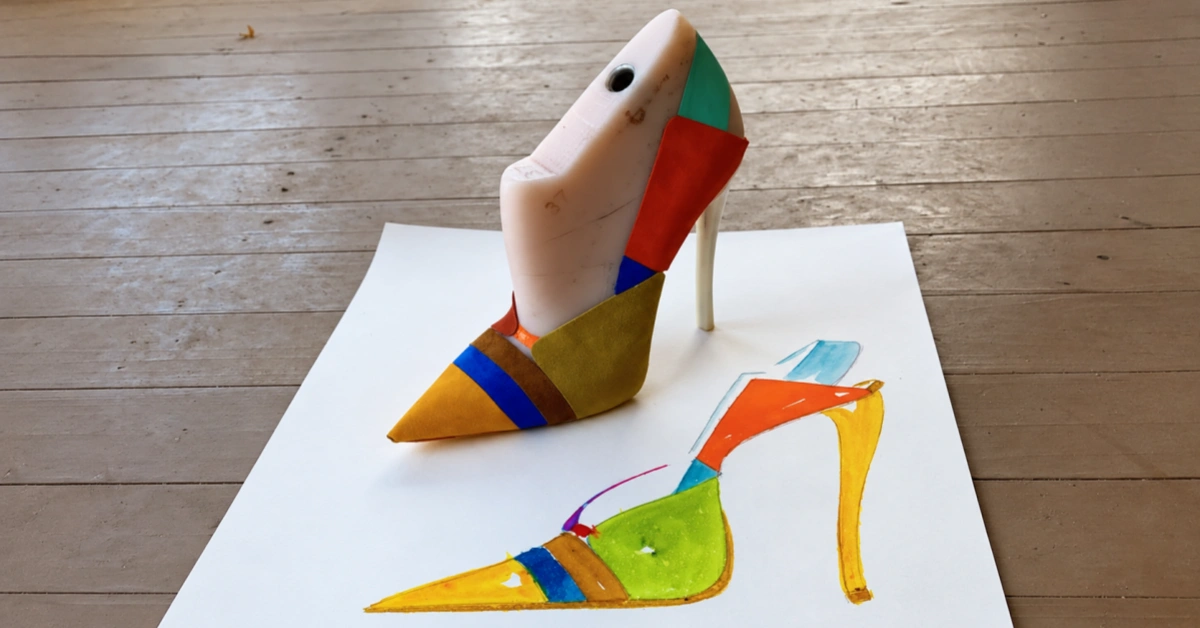
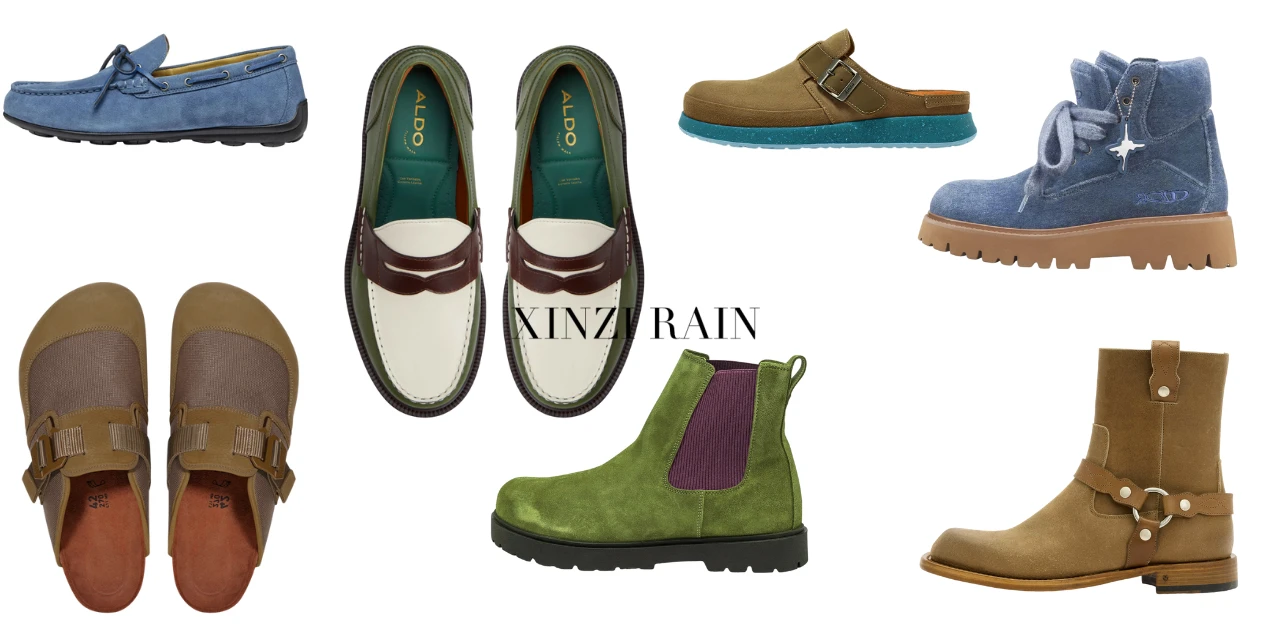
The Artistic Encounter color story introduces a subtle, emotionally rich palette centered on Bronze Brown. This tone evokes the warmth of aged oil painting frames and time-worn leather surfaces, delivering a sense of intellectual depth and understated sophistication. Accents of Deep Ocean Blue and Burnt Orange appear selectively, adding contrast without overpowering the base.
This theme is especially suited to business casual footwear designed for creative and cultural professionals. Styles such as Birkenstock-inspired sandals, casual leather loafers, and relaxed office shoes benefit from simplified silhouettes enhanced by thoughtful construction details. Techniques like two-piece cutting, mixed-material paneling, and surface texture variation bring quiet visual interest.
Material choices lean toward classic smooth leather, suede, and canvas, reinforcing a tactile, artistic sensibility while maintaining commercial wearability.
Dual-Sided Courier — Where Business Meets Outdoor Utility
The Dual-Sided Courier theme reflects the growing overlap between professional life and light outdoor exploration. Olive Brown establishes the foundation, referencing traditional courier bags and vintage workwear while subtly introducing a rugged, nature-inspired undertone. Supporting shades such as Azalea Purple and Honey Yellow add warmth and individuality, creating a palette that transitions seamlessly across environments.
Footwear under this theme prioritizes comfort-driven business casual silhouettes. Strap elements become key design features, echoing messenger and courier aesthetics. Materials such as wool blends, suede panels, and gradient-finish leathers add depth and reinforce a sense of movement and discovery.
This direction speaks to modern professionals who value practicality but seek visual character beyond standard office footwear.
Precision Mechanic — Functional Minimalism with Industrial Calm
Rooted in industrial design principles, the Precision Mechanic theme introduces a cool, composed palette led by Grey Blue. This color delivers a technical, rational impression aligned with modern business environments. Complementary tones like Oak Brown and Grey Green soften the palette while preserving its disciplined character.
This theme is particularly relevant for business casual boots, Martin boots, and hybrid office footwear. Functional details such as multi-pocket constructions, modular components, and adaptable wearing methods are emphasized. Material blocking and subtle color contrasts enhance both performance and visual clarity.
The result is footwear that communicates reliability, precision, and thoughtful engineering—qualities increasingly valued in contemporary business culture.
Red Sole Statement — Subtle Power and Hidden Expression
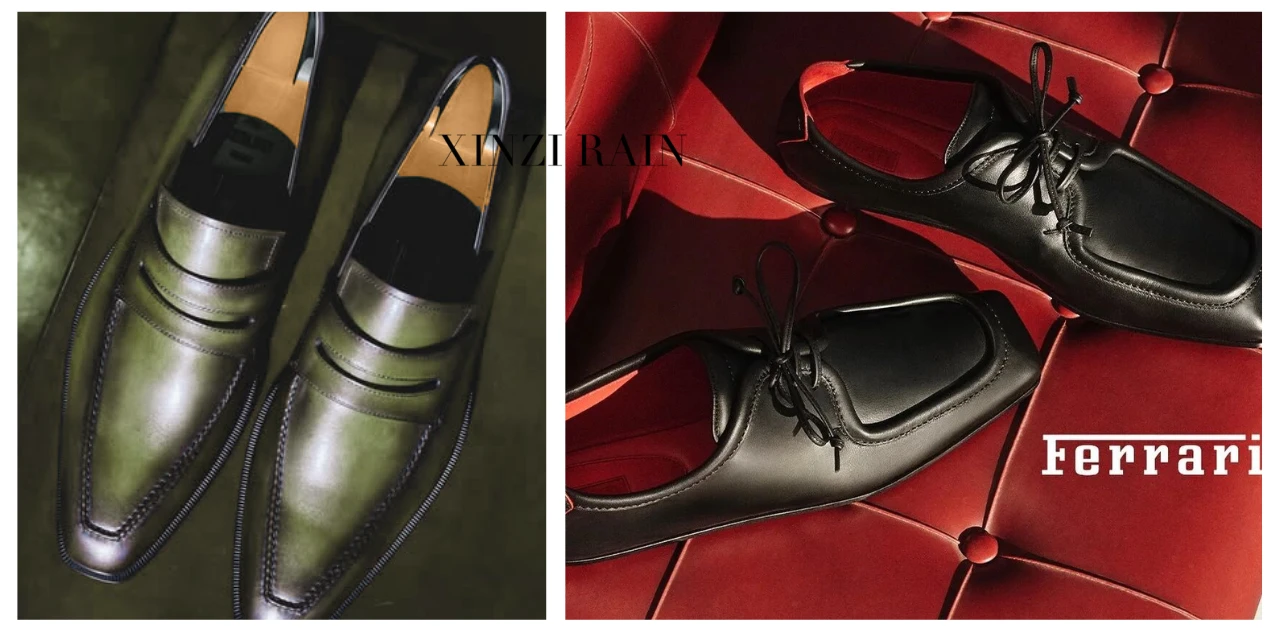
The Red Sole Statement theme explores the idea of restrained boldness. Dark Brown-Grey serves as the primary color, offering a graphite-like texture that feels refined and grounded. Strategic use of Intelligent Red functions as a hidden accent—reminiscent of ink from a vintage fountain pen—quiet yet impactful. Nordic Blue balances the palette, introducing calm and breathability.
This theme applies well to classic business silhouettes such as Derby shoes and Chelsea boots. Geometric color blocking and controlled contrast placement allow brands to express individuality without compromising formality. The design philosophy mirrors a broader business mindset: strength expressed through subtlety rather than overt display.
What These Trends Mean for Footwear Brands and Developers
Across all four themes, a clear message emerges: future business casual men’s footwear must operate across multiple scenarios. Color choices are no longer decorative afterthoughts but integral tools for storytelling, positioning, and emotional connection.
- For brands and product developers, this means focusing on:
- Color systems that support versatility rather than single-use occasions
- Materials that balance comfort, durability, and tactile appeal
- Design details that enhance function while adding narrative depth
At Xinzirain, these trend directions are translated into practical OEM and ODM development through material sourcing, color matching, and construction engineering tailored to business casual footwear. By aligning trend insights with manufacturability, brands can confidently bring future-ready collections to market.
Looking Ahead
The 2026–2027 Fall/Winter season signals a redefinition of business footwear—one where color, comfort, and character coexist within a refined commercial framework. As professional lifestyles continue to evolve, business casual men’s shoes will increasingly serve as personal statements rather than uniform solutions.
Brands that understand this shift—and translate it thoughtfully into color, material, and design—will be best positioned to resonate with the next generation of global consumers.
Interested in developing business casual men’s footwear for 2026–2027?
Xinzirain supports global brands with trend-driven design development, material sourcing, and OEM/ODM manufacturing for business casual and lifestyle footwear collections.
Explore men’s footwear manufacturing with Xinzirain
Request trend-based material recommendations
Start your FW26/27 development planning today
Other Related Hot Topics:
The Fine-Crafted Aesthetic-2027 SS Trend Forecast forFashion casual Women'sFootwear
2027 Spring/Summer SneakerTrend Report
Winter-Spring 2026 HandbagTrendslWhen Texture MeetsTimelessness
Frequently Asked Questions: 2026–2027 Business Casual Men’s Footwear Trends
1. What defines “business casual” men’s shoes for 2026–2027?
Business casual men’s shoes for FW26/27 emphasize versatility. They are designed to transition seamlessly between office, travel, and everyday scenarios, combining refined silhouettes with relaxed structures, comfort-focused materials, and subtle color expression rather than strict formality.
2. Why are color trends so important in business casual footwear?
Color is no longer just decorative. In modern business footwear, color communicates lifestyle positioning, emotional tone, and brand identity. FW26/27 palettes focus on balance—professional enough for business settings, yet expressive enough to reflect individuality and contemporary culture.
3. Which colors will dominate FW26/27 business casual men’s shoes?
Key colors include bronze brown, olive brown, grey blue, dark brown-grey, and controlled accent tones such as intelligent red, honey yellow, and deep blue. These shades support long-term wearability while allowing brands to differentiate through subtle contrast and material pairing.
4. What shoe styles best reflect the Neo-Business trend?
Popular silhouettes include business casual loafers, relaxed Derby shoes, Chelsea boots, Martin boots, and hybrid comfort-driven styles. These designs combine classic foundations with modern construction, flexible soles, and multifunctional details.
5. How can brands apply trend colors without losing commercial appeal?
Successful brands apply trend colors selectively—using them on linings, soles, panels, stitching, or layered materials rather than full-surface saturation. This approach preserves wearability while keeping the design relevant across multiple seasons.
6. When should brands start developing FW26/27 footwear collections?
Ideally, development should begin 12–18 months in advance. Early planning allows time for material testing, color matching, sampling, and cost optimization—especially for business casual footwear that requires both aesthetic refinement and performance reliability.
7. Can Xinzirain support trend-based footwear development for small or emerging brands?
Yes. Xinzirain offers flexible OEM and ODM solutions, including low-MOQ development, trend-based material guidance, and technical support. We work with both established brands and emerging labels to ensure designs align with future trends and production realities.
8. How does Xinzirain help brands turn trend concepts into production-ready shoes?
Our process integrates trend interpretation, material sourcing, color calibration, pattern engineering, and sample development. By aligning design intent with manufacturing feasibility, we help brands reduce risk and bring FW26/27 collections to market efficiently.