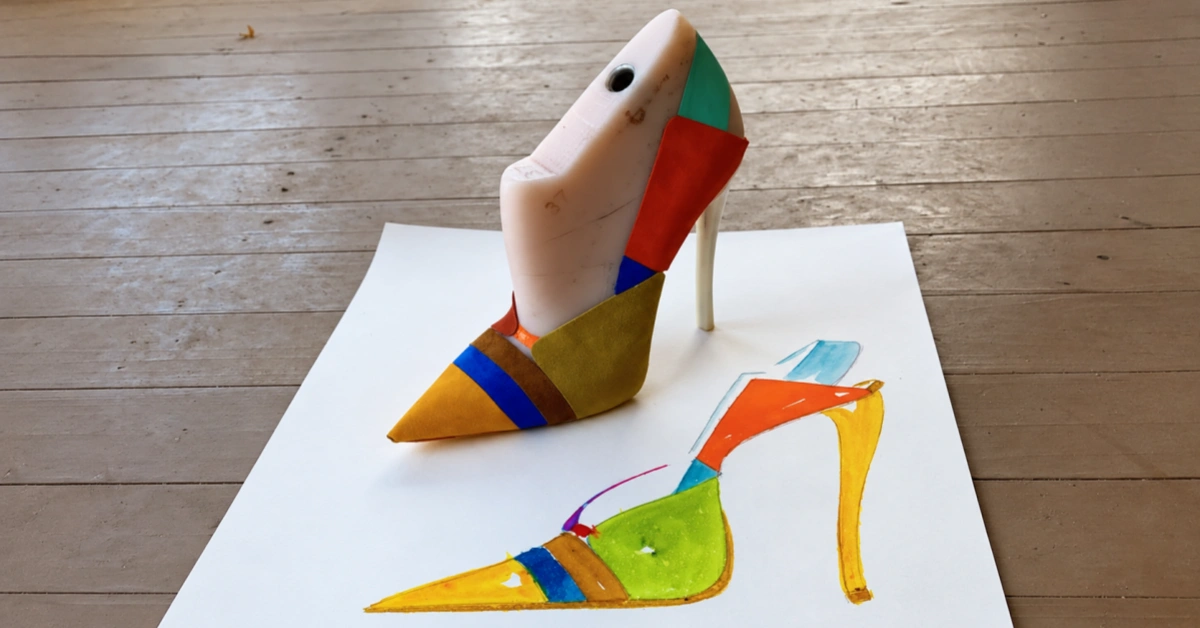

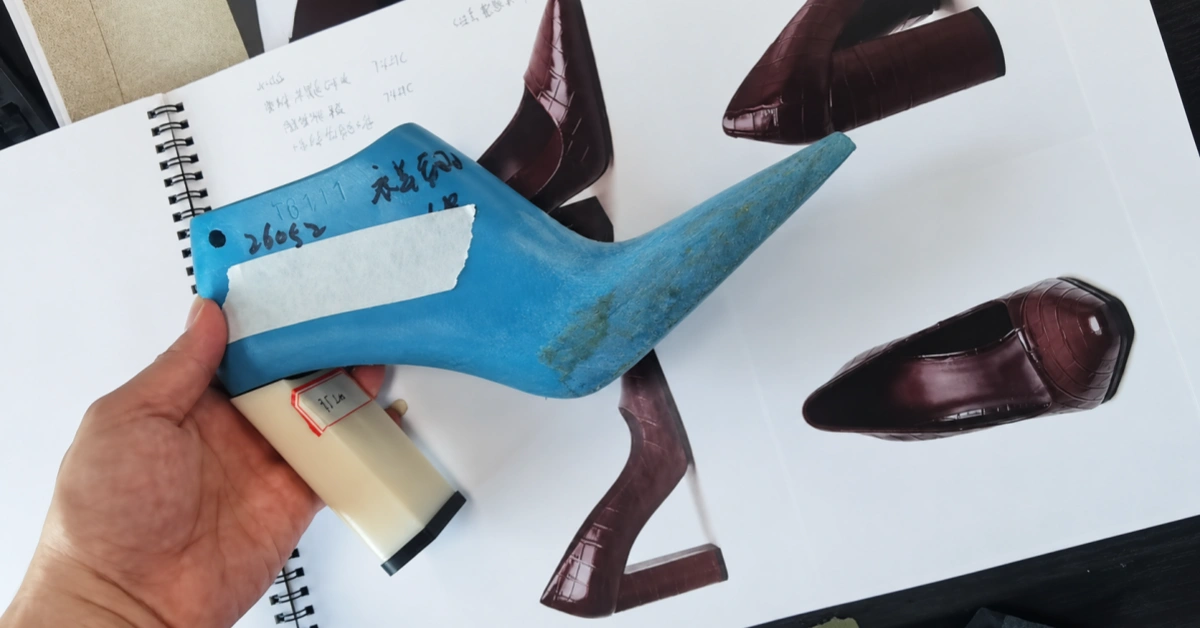

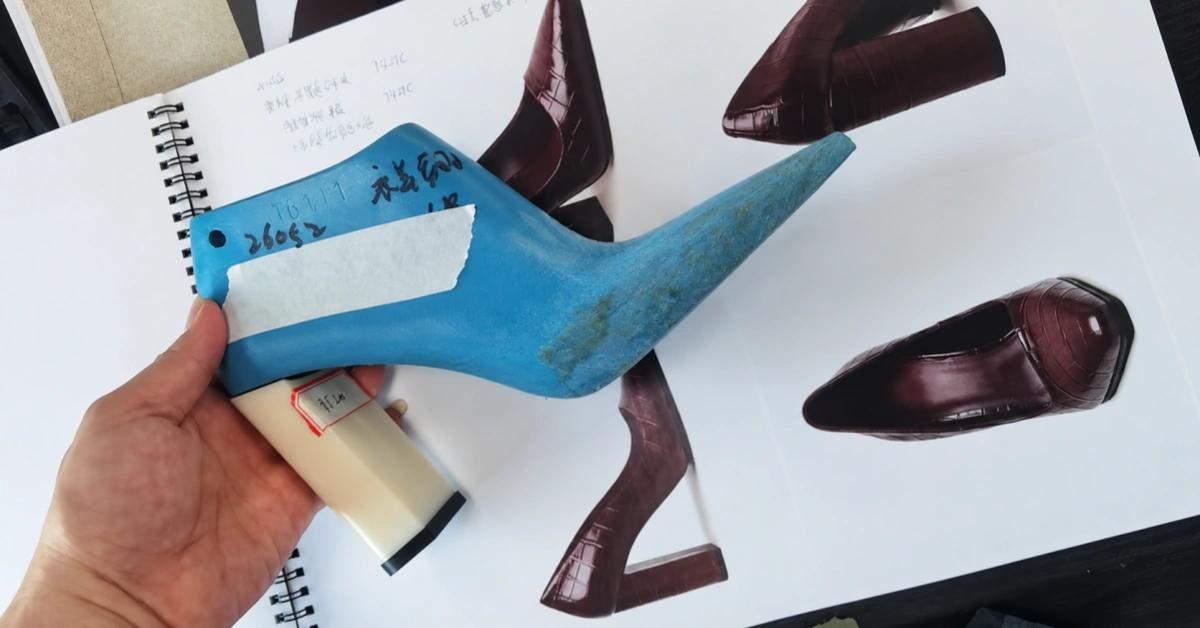
A footwear sample can look close to finished and still be commercially far from ready. The upper may have the right silhouette, yet the last could need adjustment. The outsole may look convincing in photographs, yet its tooling, wear behavior or adhesion route remains unsettled. Each unresolved decision becomes more expensive when a brand asks the development team to move forward without recording what has actually been approved.
For a label preparing a private-label or fully custom shoe collection, the issue is not whether sampling costs money. It should. Sampling is where uncertainty is converted into evidence. The issue is whether each revision removes a specific risk—or simply introduces another round of subjective changes. Below is a practical system for managing footwear sample development, protecting the design and keeping production economics visible.
Why Sample Revision Costs Are Usually Misunderstood
Brands often treat the sample invoice as the complete cost of prototyping. The invoice records visible work, but the wider cost of a revision may include sourcing a new component, ordering another piece of material, adjusting the pattern, preparing revised lasts, shipping a second fitting pair, reviewing the result and moving the production date. These activities do not always appear as a neat line item in the original quotation.
A revision also creates a decision cost. If the founder changes the toe shape after confirming the sole unit, the factory has to determine whether the previous sole still works with the revised last. A small visual amendment can become a structural change. Conversely, changing only a lining color may be relatively simple if the selected material meets the same performance and availability requirements. Both are called revisions, but they are not commercially equivalent.
The broader relationship between early design decisions and profitability is explored in our external editorial contribution, The Hidden Costs of Fashion Product Development: How Brands Can Protect Margin from Concept to Bulk Production. This guide narrows that discussion to the decisions that occur between the first footwear prototype and a reliable production specification.
Start With a Development Brief That Is More Than a Mood Board
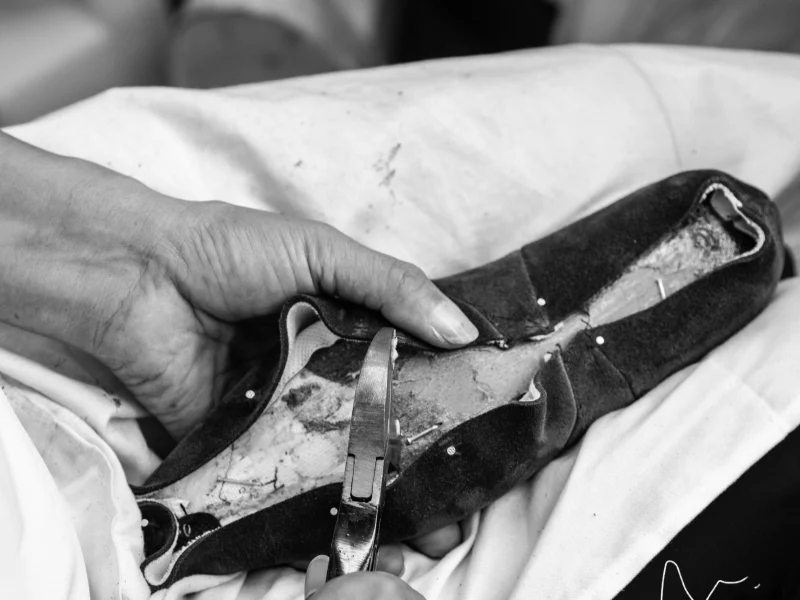
Footwear sample development works best when the shoe sampling process starts with measurements, fit priorities, intended materials, and a list of details that are still open for discussion. That brief gives the sample room a testable specification rather than a collection of visual references.
A mood board explains the aesthetic. It rarely explains the manufacturing route. Before commissioning the first sample, a useful brief identifies the wearer, intended use, target retail positioning, target market, approximate order quantity, intended size range and non-negotiable design details. It should also specify which elements are open to engineering recommendations.
For example, “a soft leather loafer with a low profile” leaves unanswered questions about lining, insole support, toe spring, outsole hardness, flexibility and acceptable weight. “A low-profile loafer for daily urban wear, offered in EU sizes 36–41, with a defined forefoot fit target and a durable flexible sole” gives the product developer a better starting point. A brand still needs visual references, but the functional intent now has equal status.
The commercial brief matters as much as the technical one. If the intended retail price cannot support custom outsole tooling at the planned opening quantity, identify the conflict before the brand invests in refining a sample built around that sole. This is precisely why product validation before footwear sampling deserves its own stage rather than being folded into the first prototype request.
Separate Visual Changes, Fit Changes and Structural Changes
Not every change should follow the same approval path. A visual revision modifies what the customer sees: the panel line, decorative stitch, edge finish, color or logo placement. A fit revision changes how the shoe interacts with the foot: last volume, instep allowance, heel grip, toe shape or size grading. A structural revision changes how the product is made or how it performs: reinforcement, lasting margin, sole attachment, heel construction or material thickness.
Keeping these categories separate has two benefits. First, the team can assign the correct reviewer. A designer can approve a logo location, but fit approval should involve a wearer or technical fit assessor using a consistent method. Second, the team can judge whether a change invalidates earlier approvals. A new last may require another upper and outsole compatibility review; a packaging color adjustment usually does not.
Consider a boot with a narrow ankle opening. The upper looks elegant on the sample stand, but the wearer struggles to put it on. There are several plausible solutions: change the opening dimension, revise the closure, modify lining friction or revisit last and pattern relationships. Selecting the cheapest-looking fix without testing the cause can lead to another sample that still fails in use. Technical diagnosis should precede pattern alteration.
Build a Revision Log Around Decisions, Not Messages
A shoe sample revision should record the affected component, the reason for change, who approved it, and whether it changes tooling, material consumption, or the production timeline. The team can then distinguish a minor appearance update from a structural redesign.
Scattered email threads are a poor substitute for a controlled sample record. Each prototype should carry a version number, date, model identifier, size, last reference, main material specification and a list of modifications since the previous version. Photographs should capture the same angles under similar conditions so reviewers can compare actual construction rather than lighting or camera perspective.
For each issue, record the observed problem, requested outcome, proposed technical action, person responsible and approval status. “Make the heel better” is not an actionable instruction. “Reduce heel slippage during walking while preserving the current collar line; review heel counter stiffness and last fit before recutting” gives the team something to test. If a modification changes price or lead time, the record should show that consequence before the change is authorized.
Brands should also make one person accountable for consolidating feedback. When a merchandiser requests a softer insole, a designer requests a slimmer profile and a founder sends a separate color change, the factory can receive contradictory instructions. A single approved revision sheet is a small administrative step with meaningful production value.
Use the Right Sample for the Right Question
During footwear prototype development, each prototype should answer a specific question: silhouette, last geometry, upper construction, wear comfort, or material performance. Trying to approve every detail in the first round makes feedback less useful and revisions more expensive.
The phrase “send a sample” hides several different objectives. An early concept prototype checks silhouette and construction direction. A fit sample tests dimensions and wear behavior. A material or component sample helps assess color, texture, bending, adhesion or finish. A final approval sample establishes the reference for production, subject to the agreed inspection standards and documented components.
Trying to answer all these questions with one rushed sample may appear economical but often delays approval. A first prototype made from substitute material can still answer a proportion question, provided the team labels it correctly. It should not be used to approve final leather hand feel or edge finishing. Likewise, a beautiful photo sample cannot establish size consistency across the production run without a separate grading and size-set review.
Establish a Fit Protocol Before You Judge the Shoe
Fit feedback is only useful when the test conditions are known. Record the sample size, wearer measurements where appropriate, sock type, intended use and length of wear test. Note pressure points, heel movement, forefoot room, balance and any changes after a short period of movement. A comment such as “runs small” needs more context: too short at the toe, too narrow across the ball or too low at the instep are different issues.
For heels, pitch and balance deserve deliberate assessment; for sneakers, flex behavior and internal support may be more relevant; for boots, entry, shaft dimensions and closure operation matter. No single checklist fits every category. The brand should select tests based on the intended consumer, not simply copy a checklist from another shoe style.
Once the fit direction is agreed, any last or grading adjustments should be evaluated for downstream effects. A pattern graded from an unsuitable base sample can replicate the same defect across the range. That is why size-set approval is a production decision, not a cosmetic final touch.
Cost the Approved Construction, Not an Outdated Prototype
A shoe quotation is meaningful only when it refers to a defined bill of materials and manufacturing route. If the approved sample changes from synthetic lining to leather lining, or from a stock sole to a custom unit, the original cost estimate may no longer apply. Ask the manufacturing partner to link quotations to sample version numbers and record assumptions about material minimums, packaging, tooling and order distribution.
For a simple illustration, suppose a brand expects 400 pairs across four colors and five sizes. That creates 20 color-size combinations before considering different leather lots or component constraints. The total order may look comfortable, but certain colors or components may fall below practical supplier minimums. The brand may then face material excess, higher per-pair costs or a narrower color launch. Reducing the initial color range can preserve choice for customers while simplifying procurement.
The right question is not “Can the factory make this cheaper?” It is “Which construction or assortment decision changes cost without removing what customers are actually buying?” A premium leather upper may be central to the brand promise; a hidden trim that requires separate tooling may not be. Good cost engineering protects the differentiators and simplifies the parts shoppers will never value.
Create a Sample-to-Bulk Handoff Package
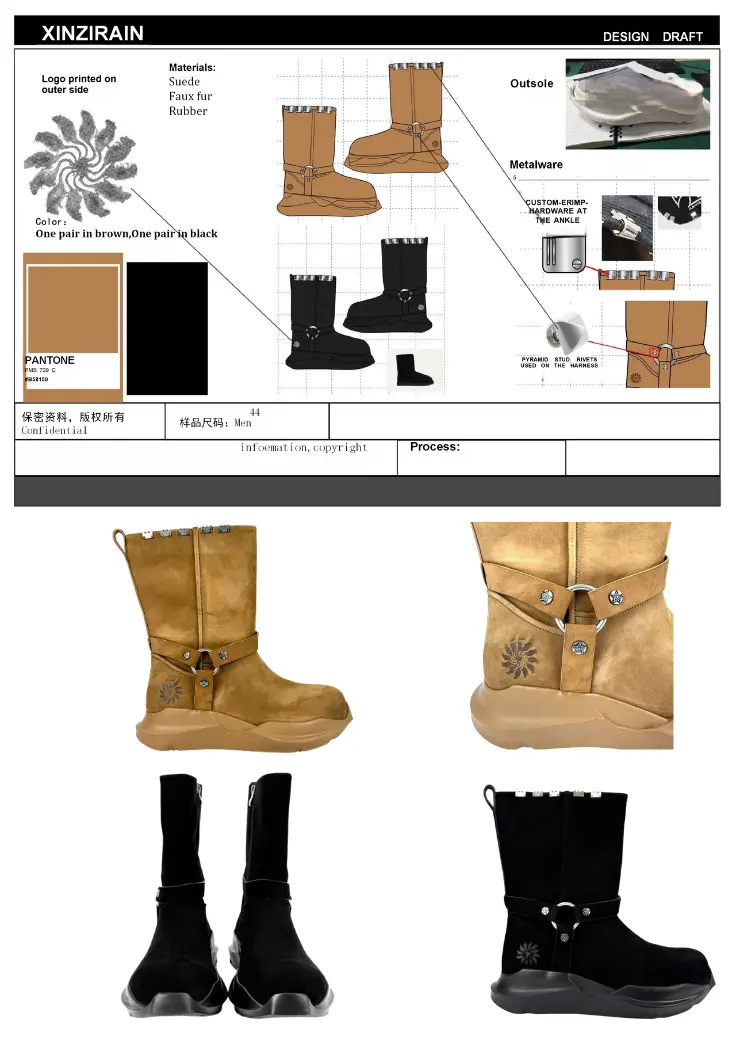
The custom shoe manufacturing process becomes more predictable when the approved last, grading instructions, upper patterns, material codes, tolerances, and quality checkpoints travel together into the production specification. A signed sample alone does not capture every critical decision.
Approving a pair of shoes verbally does not produce a repeatable manufacturing instruction. Before bulk production, the factory and brand should agree on the final reference sample, last and size grading, patterns, construction details, materials and substitute-material rules, trims, branding position, color standards, packaging and quality acceptance criteria.
Some details are best expressed visually. Include photographs of acceptable stitch placement, edge painting, logo embossing and alignment. Others require measurable tolerances or agreed test methods. The exact tests depend on materials, category, market and product claims; the purpose is to remove ambiguity, not to generate paperwork for its own sake.
It is also important to distinguish a sample sign-off from a purchase order sign-off. The first confirms a product reference. The second confirms quantities, size ratio, commercial terms, dates and production conditions. Changes made between these decisions should be visible to both sides. For brands preparing an initial order, the footwear manufacturing roadmap from 300 to 3,000 pairs explains how order structure changes as a brand grows.
Questions to Ask a Custom Footwear Manufacturing Partner
Before choosing a custom shoe manufacturing partner, ask what happens when the first sample is rejected. Who identifies the likely technical cause? How are changes documented? Which revisions affect cost or tooling? Can the team distinguish a visual request from a fit or structural issue? What constitutes final approval, and which records travel into bulk production?
A capable partner should be able to explain the trade-off between a desired design and its production consequences without turning every problem into a simple yes-or-no answer. They should also be willing to say when an idea needs validation rather than offering premature certainty. That kind of conversation is particularly valuable for emerging brands, where a failed first order carries a larger commercial burden.
When Should a Brand Stop Revising?
Effective footwear sample development does not mean endless refinement. It means closing the highest-risk fit and construction decisions before an order is committed, and holding subsequent changes to a documented commercial threshold.
A sample does not need to satisfy every imaginable preference. It needs to satisfy the agreed product requirements. The stop point is reached when critical fit and performance issues are resolved, the appearance matches approved references, components are sourceable at the intended quantity and the manufacturing route supports the price and launch window. Further modifications should have a clear customer or risk-reduction benefit.
If a founder is still undecided about a nonessential design feature, the safest decision may be to preserve it as a future collection experiment rather than reopening an approved development cycle. Version control is not a restriction on creativity. It is the method that lets creativity survive manufacturing.
Frequently Asked Questions
How many rounds of shoe sampling should a brand budget for?
There is no dependable universal number. A style developed on an established last with available components may need fewer iterations than an original construction requiring fit, tooling and material tests. Budget around the risks to be validated, and agree on revision terms before starting.
Does an approved footwear sample guarantee bulk quality?
No. It establishes a reference. Consistent bulk output still requires approved materials, documented methods, in-process checks and final inspection against agreed criteria.
What is the most expensive late-stage footwear change?
The answer depends on the project. Changes affecting lasts, molds, outsole geometry or core construction can be particularly disruptive because they may invalidate earlier patterns, components and approvals.
What should I send a factory to request an accurate development assessment?
Share reference images or technical drawings, product category, intended wearer and market, size range, estimated quantity, material preferences, target positioning and the elements that must remain unchanged. Clarify whether the design is still exploratory or ready for sampling.
The commercial advantage of disciplined sampling is not fewer conversations with your manufacturer. It is better decisions in every conversation. When each prototype answers a defined question, a brand can protect its design intent while moving toward a product that is possible to cost, inspect and reorder.
Review Your Footwear Development Brief
Have a design, reference sample or early-stage collection in progress? Share your product category, design stage, target quantity and intended market. Herrains can review the manufacturing questions that should be resolved before the next sample.
Discuss Your Custom Footwear Project →