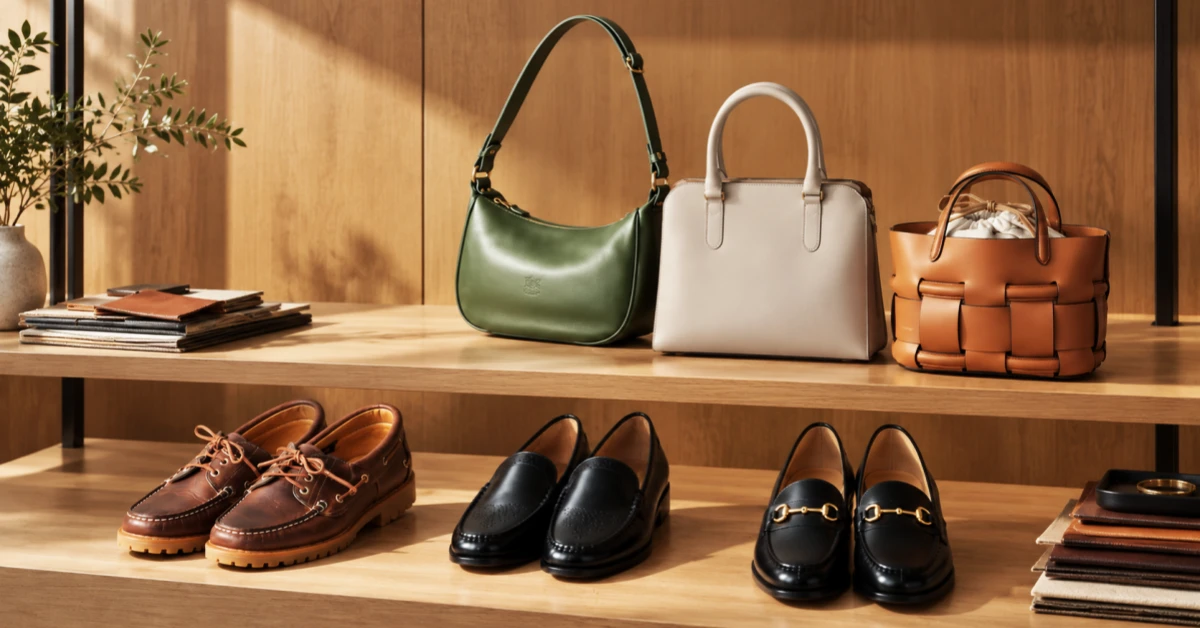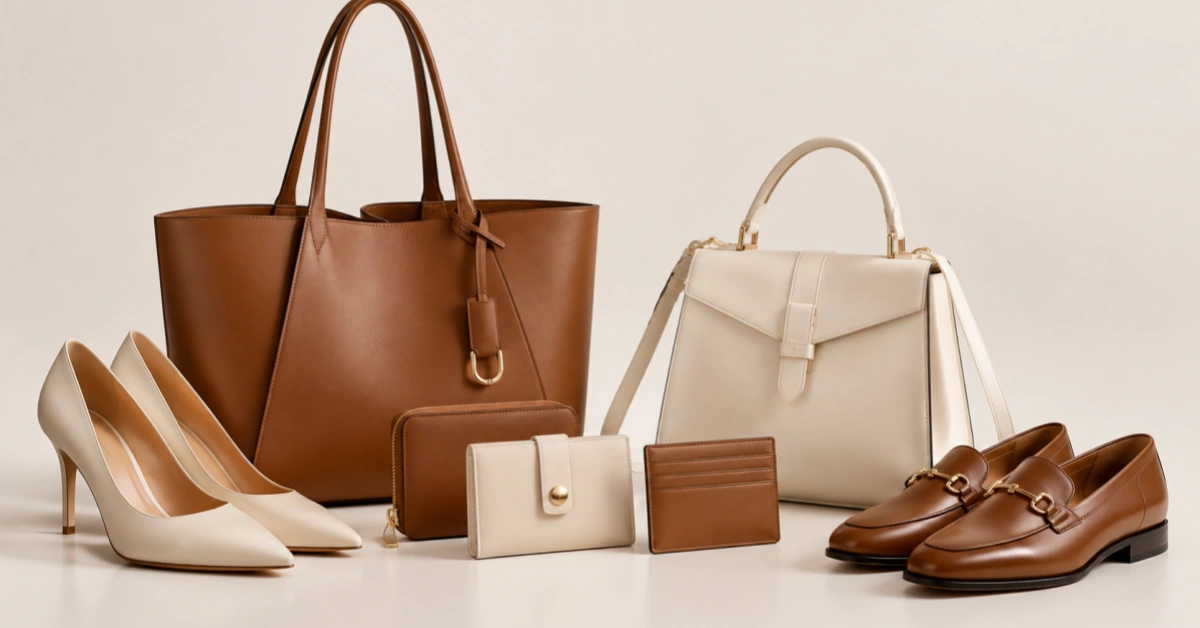

For footwear and handbag brands, growth does not always require launching another complex silhouette. A compact wallet, card holder, key case, or coin pouch can extend the same design language into a product customers use every day. Small leather goods (SLGs) also give brands more options for coordinated collections, entry-level purchases, and giftable products without moving away from an established identity.
The opportunity is not simply to add more SKUs. It is to create a coherent product family with clear customer value, controlled development requirements, and manufacturing specifications that can be repeated. Brands looking for an expand product line small leather goods manufacturer should evaluate product fit, material and construction requirements, and the supplier's ability to support sampling and repeat production. This guide explains how to plan that expansion in practical steps.
Why Small Leather Goods Fit Footwear and Bag Brands
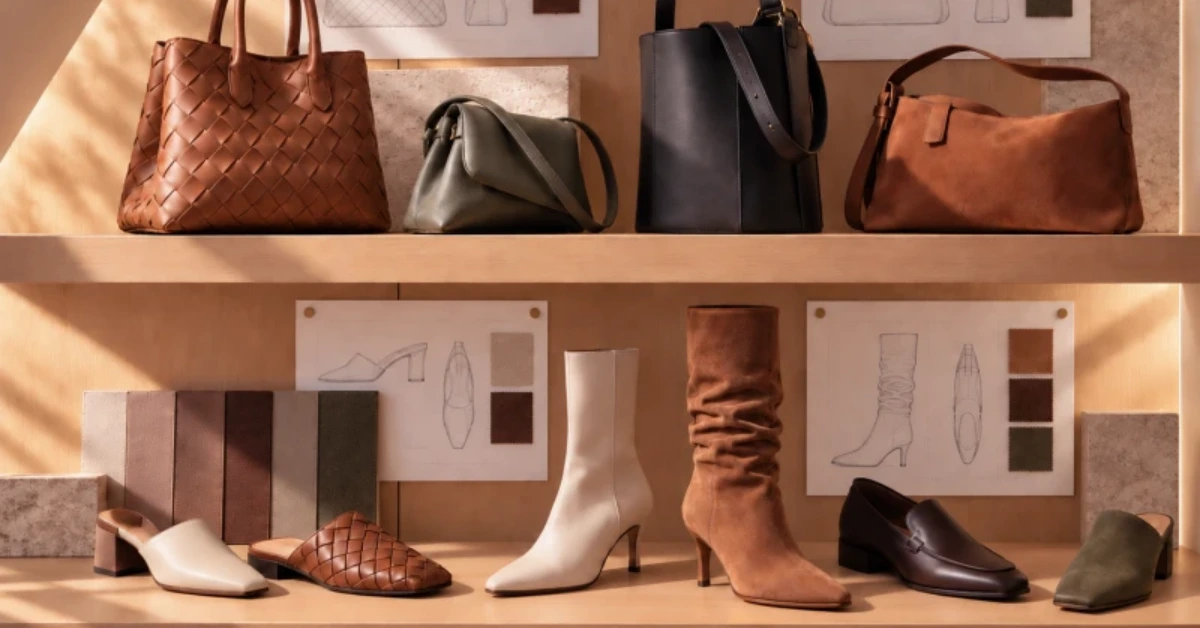
Small leather goods sit close to the products many fashion brands already understand: leather selection, surface texture, edge finishing, stitching, hardware, logo application, and packaging. The category is a logical extension when a brand has a recognizable material or design direction that can be adapted to smaller formats.
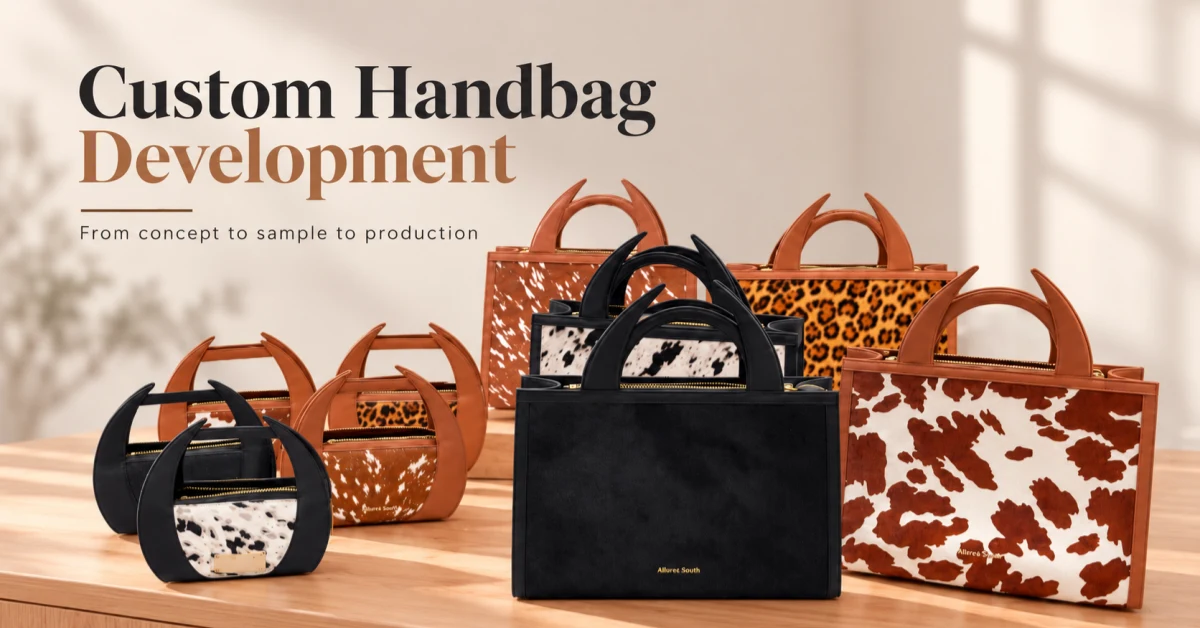
For a footwear label, a leather card holder or key case can echo a signature loafer, boot, or dress shoe through matching colors, embossed details, or metal finishes. For a handbag brand, a wallet or coin pouch can reuse selected design cues from a successful bag, such as a closure shape, lining color, edge paint, or logo treatment. The aim is not to shrink a larger product mechanically; it is to translate recognizable details into an accessory with its own proportions and function.
- Broader price architecture: A smaller accessory may create another price point for customers who are not ready to purchase a larger bag or a complete footwear look. The final retail position still depends on material, construction, and channel costs.
- Cross-category merchandising: Coordinated accessories can be displayed beside footwear or handbags, included in a campaign, or offered as a matching purchase.
- More gifting occasions: Compact items can suit birthdays, seasonal gifting, corporate gifting, and brand collaborations when packaging and assortment are planned together.
- Collection continuity: A consistent color, material, or hardware story can connect products across seasons instead of making each launch feel unrelated.
How to Add Wallets and Card Holders to Your Brand
The most useful first question is not “How many styles can we launch?” but “Which customer need can we serve with the fewest well-defined products?” A focused first assortment makes it easier to compare sample quality, collect customer feedback, and decide which items deserve further investment.
Start with a focused product role
Choose products according to how customers will use them and how they connect to the existing collection. A slim card holder suits customers who prefer compact carry; a bifold wallet offers more storage; a zip-around wallet adds enclosed storage; a key case extends a leather accessories range; and a coin pouch can work as an add-on or gift item. Passport holders and travel wallets may be more relevant to brands with a travel, business, or lifestyle audience.
Define the product before requesting a quotation
To receive a meaningful manufacturing assessment, prepare a short product brief for each style. Include approximate dimensions, intended capacity, reference images, preferred material, lining, closure, logo position, hardware finish, target market, target retail price, and expected first-order quantity. If the design is still at concept stage, identify which details are fixed and which can be adjusted after technical review.
Build a Consistent Design Language Across Shoes, Bags, and SLGs
Successful diversification should feel like a natural extension of the brand rather than a disconnected product category. Start by identifying two or three repeatable design codes: a signature leather grain, a recurring color, a recognizable hardware finish, a characteristic stitch, or a restrained logo application. Apply these codes selectively so the products coordinate without becoming visually repetitive.
Which Small Leather Goods Should You Launch First?
Use the following comparison as a planning framework, not as a sales forecast. Actual cost, MOQ, sampling time, and production feasibility depend on the material, construction, customization level, and supplier quotation.
| Product | Best-fit role | Development considerations | Suggested launch priority |
|---|---|---|---|
| Card holder | Compact everyday accessory or entry-level item | Slot dimensions, edge finishing, stitching, logo scale | High for a focused first capsule |
| Bifold wallet | Core functional accessory | Fold thickness, card capacity, lining, crease durability | High if customers need more storage |
| Zip wallet or coin pouch | Everyday carry and gifting | Zipper quality, corner construction, lining, opening width | Medium to high |
| Key case | Coordinated accessory or small gift | Ring strength, closure security, hardware finish | Medium |
| Passport or travel wallet | Travel-oriented capsule | Document dimensions, pocket layout, capacity, and bulk | Audience-dependent |
| Multi-piece gift set | Seasonal or premium gifting offer | Product coordination, box insert, packaging dimensions, shipping protection | After individual items are validated |
For many brands, one card holder and one wallet are enough to test whether customers respond to the new category. Adding multiple colors, metal finishes, and packaging variants at the same time can multiply SKUs and complicate inventory planning. Expand the range when sales feedback or retailer requests support the next step.
How to Choose an Expand Product Line Small Leather Goods Manufacturer
A suitable manufacturing partner should do more than attach a logo to an existing accessory. When evaluating an expand product line small leather goods manufacturer, ask how the team handles pattern development, material selection, edge finishing, internal construction, hardware attachment, branding, sample revisions, and quality inspection. The objective is to confirm whether the supplier can translate your design into a repeatable specification.
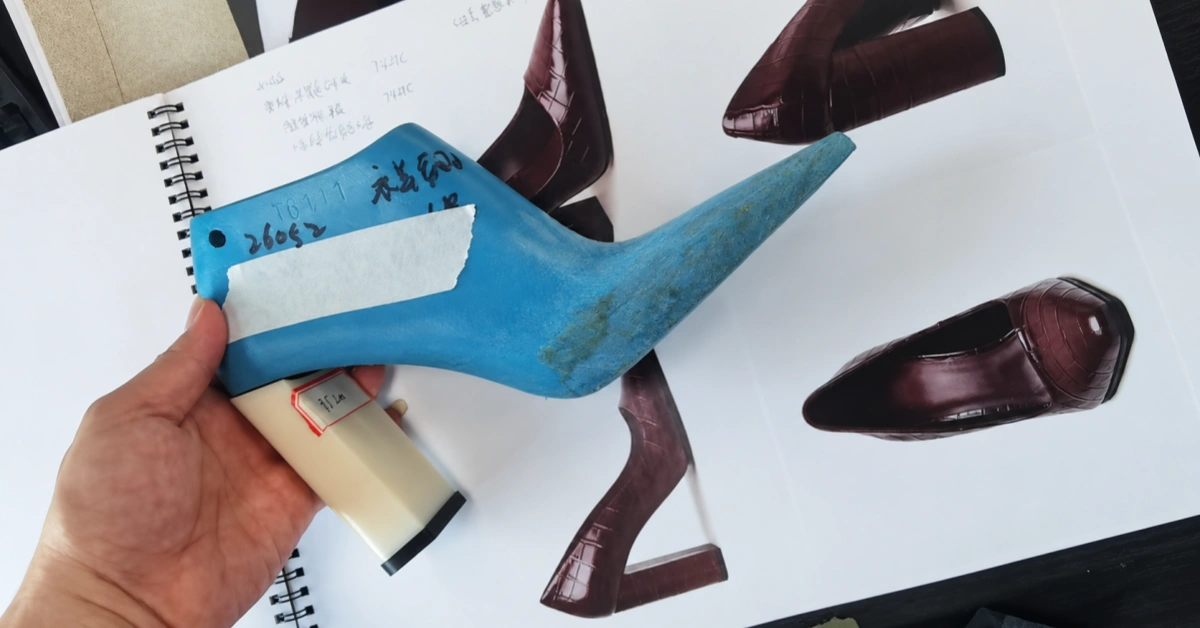
Brands planning a broader footwear and bag program can review HERRAINS’ footwear manufacturing capabilities, custom handbag manufacturing services, and coordinated footwear and handbag manufacturing. If you are comparing a private label small leather goods supplier, clarify which details can be customized, what requires new tooling, whether materials can be replenished, and how the supplier manages confidentiality for original designs.
Seasonal Gift Set Manufacturing for Fashion Brands
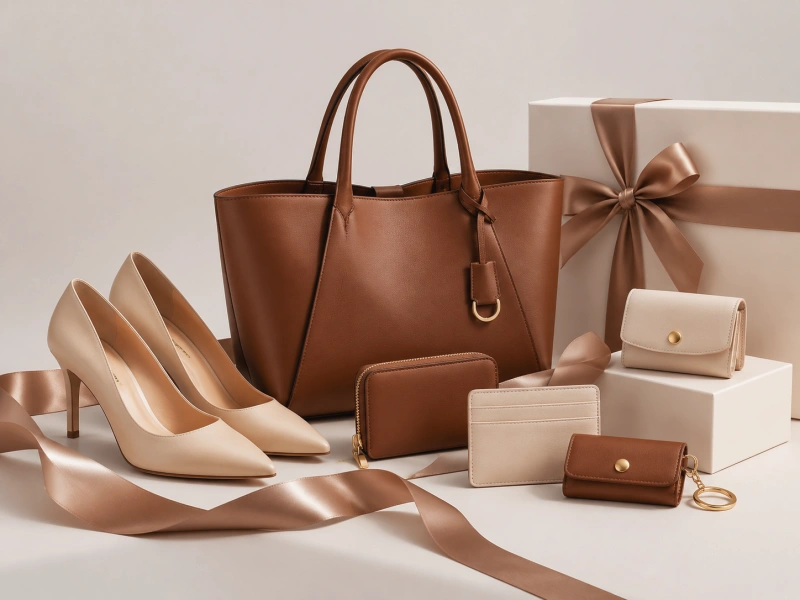
A gift set can raise the perceived completeness of a collection, but it should be designed as one retail-ready product rather than a collection of unrelated items placed in a box. Start with a clear occasion and customer: a holiday gift, a client appreciation set, a travel accessory kit, or a coordinated shoe-and-accessory package. Then choose items that share a use case and design language.
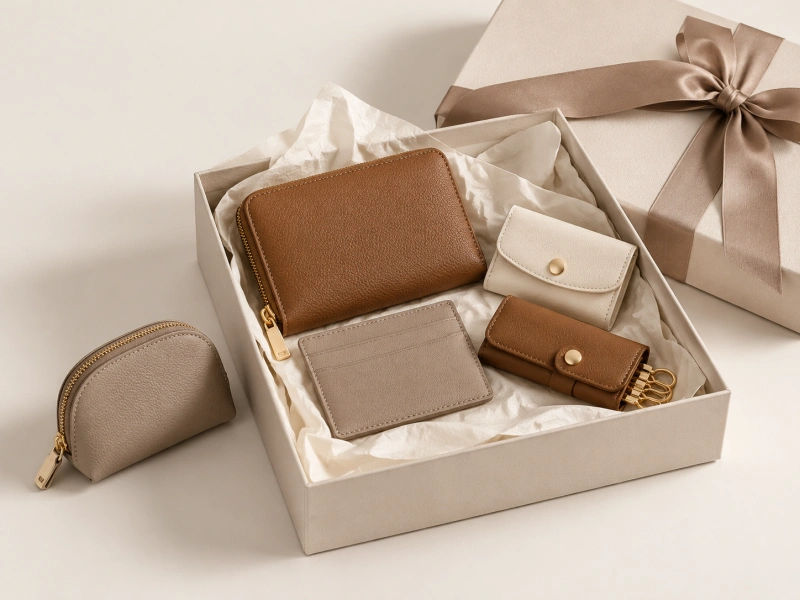
For seasonal gift set manufacturing for fashion brands, confirm the box dimensions only after the product samples are selected. The insert must hold each item securely without compressing leather, scratching hardware, or allowing products to move during shipping. Tissue paper, dust bags, care cards, hang tags, and branded sleeves can support presentation, but every extra component affects cost, assembly time, and packing volume.
How to Diversify a Footwear Brand into Accessories Without Overloading Inventory
To diversify footwear brand into accessories, use a staged launch instead of treating every possible product as a separate bet. First, identify the strongest link between the current shoe collection and a small accessory. Next, define a limited set of SKUs, colors, and logo applications. Then estimate the complete cost—not only the factory unit price—including packaging, freight, duties where applicable, quality inspection, fulfillment, and expected marketing costs.
- Stage 1 — Define the capsule: Choose one customer group, one use case, and a narrow product selection.
- Stage 2 — Validate manufacturability: Confirm materials, construction, branding, target cost, sample requirements, and MOQ with the supplier.
- Stage 3 — Approve the physical sample: Check dimensions, usability, finish, hardware, logo scale, and packaging before confirming production.
- Stage 4 — Review market response: Track sell-through, bundle attachment, customer feedback, returns, and requests for additional colors or styles.
- Stage 5 — Expand with evidence: Reorder the strongest items or add related products only when the results justify additional inventory.
From Product Idea to a Coordinated Accessories Collection
Small leather goods can help footwear and handbag brands build a more connected assortment, create additional gifting options, and bring recognizable design details into everyday accessories. The strongest results usually come from a focused product range, a well-defined specification, realistic cost planning, and a manufacturing partner that can explain technical trade-offs before production begins.
If you are looking for an expand product line small leather goods manufacturer, prepare your reference images, product dimensions, material preferences, target quantity, and branding requirements before requesting a development assessment. A clear brief makes it easier to identify the right starting products and understand which decisions need to be settled before sampling.
Planning to Add Small Leather Goods to Your Brand?
Share your wallet, card holder, key case, or gift set concept with HERRAINS. Our team can discuss your design direction, customization requirements, and the next steps for footwear and bag brand development.
Discuss Your Product Development ProjectFrequently Asked Questions
How can footwear brands expand into small leather goods?
Start with accessories that complement the existing collection, such as card holders, wallets, or key cases. Use a consistent material and color direction, validate a small number of samples, and expand the range after reviewing customer and retailer feedback.
How do I add wallets and card holders to my brand?
Define the target customer, product dimensions, storage needs, materials, logo placement, target retail price, and expected quantity. Provide reference images or a tech pack to the manufacturer, then review and approve a physical sample before bulk production.
What should I ask a private label small leather goods supplier?
Ask about material options, construction methods, customization limits, sample revisions, MOQ, repeat-material availability, quality checks, packaging, lead times, and design confidentiality. Confirm the details for the specific product you intend to develop.
Are small leather goods suitable for seasonal gift sets?
Yes. Wallets, card holders, coin pouches, and key cases can be combined into a coordinated gift set. Confirm the product assortment first, then develop packaging that protects each item and meets shipping and presentation requirements.
How can brands reduce inventory risk when launching small leather goods?
Begin with a focused assortment, limit color and hardware variations, calculate landed costs, and validate product quality and customer demand before adding more styles. MOQ and production feasibility should be confirmed with the manufacturer for each design.