

For global fashion entrepreneurs and supply chain managers, the "Made in China" label is no longer a monolith. To stay competitive, modern brands must understand regional specialization. While the South is known for mass-produced sneakers, one city in the West has quietly captured the high-end leather market: Chengdu.
Officially designated as the "Women's Shoe Capital of China" by the China Light Industry Federation, Chengdu—specifically its Wuhou District—is the origin point for nearly one-third of the world’s premium leather pumps, boots, and stilettos. But what makes this inland city the go-to destination for elite footwear? Let’s peel back the leather layers of Chengdu’s industrial dominance.
The Heritage of the "Chengdu Craftsman"
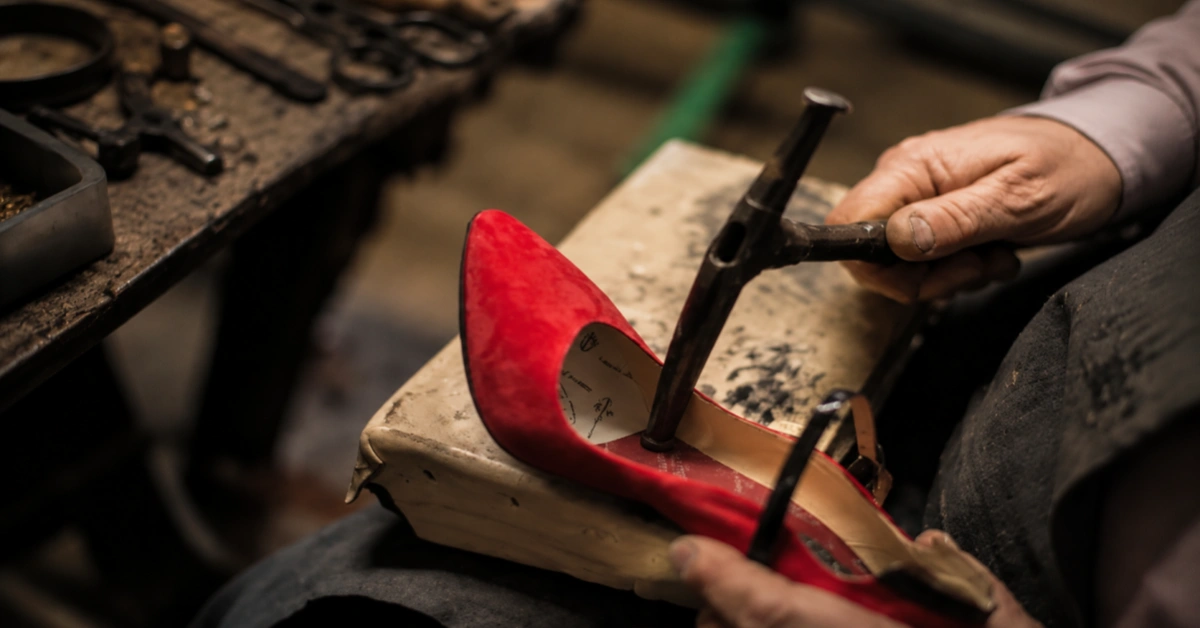
The foundation of any manufacturing hub is its labor force. Unlike the highly automated, robotic assembly lines found in coastal sportswear hubs, Chengdu’s footwear industry was built on a centuries-old foundation of leather-working traditions.
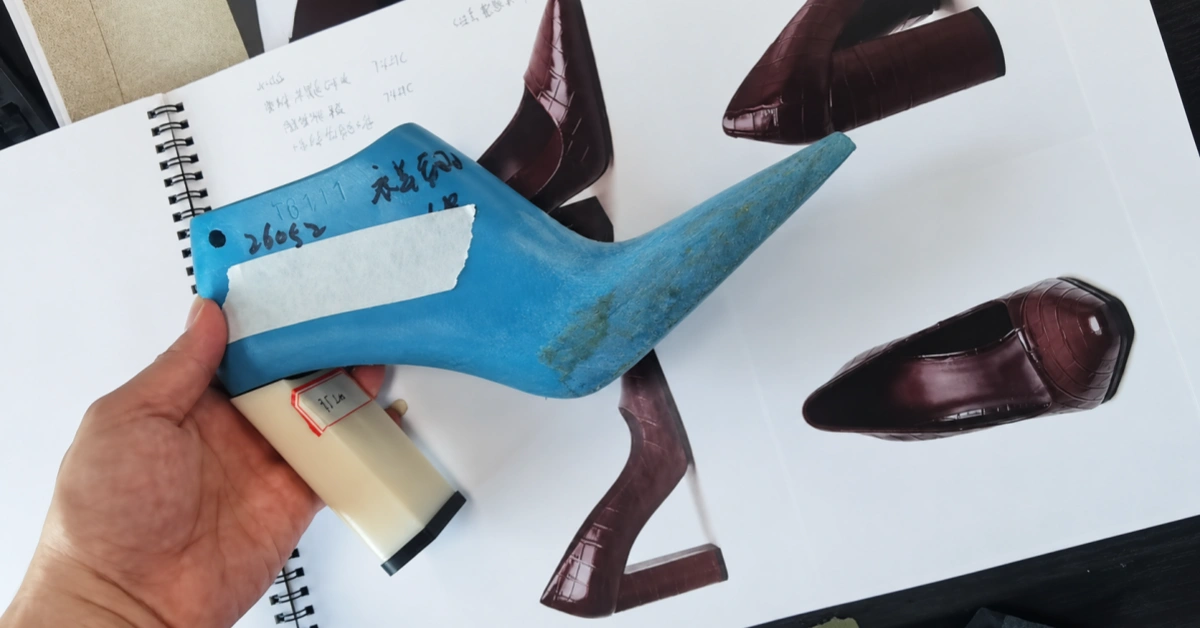
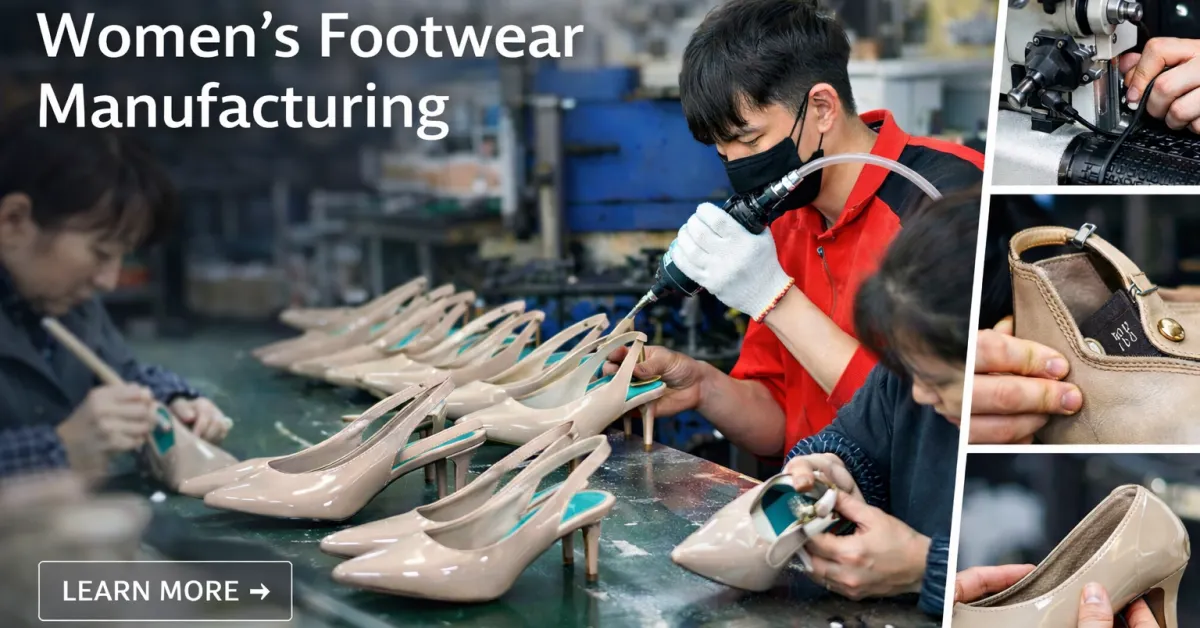
In the early 1990s, when China’s economy opened up, Chengdu didn't chase the "cheap plastic" market. Instead, it doubled down on hand-lasting—the intricate process of stretching leather over a "last" (a mold of a foot) by hand. This expertise is crucial for women’s high-end footwear. A 10cm stiletto heel requires a level of structural balance and symmetry that machines alone cannot perfect.
The EEAT Factor: The "Chengdu Craftsman" isn't just a marketing term; it refers to a generation of artisans who understand how leather breathes, stretches, and ages. For a DTC (Direct-to-Consumer) brand, this translates to fewer returns due to poor fit and a significantly higher "perceived value" for the end consumer.
The "Holy Trinity" of the Chengdu Supply Chain
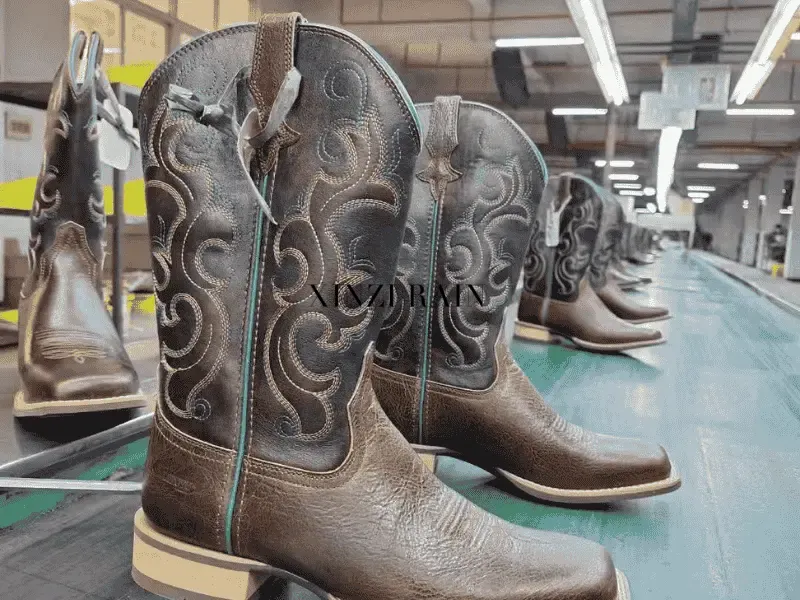
A "Shoe Capital" isn't just a collection of factories; it is a complete ecosystem. Chengdu thrives on a "Holy Trinity" of resources that makes it a "one-stop shop" for premium brands.
A. Raw Material Proximity & Leather Sourcing
Chengdu is the gateway to Western China’s vast livestock and leather resources. The Western China Shoe Capital Industrial Park allows manufacturers immediate access to high-grade calfskin, sheepskin, and specialized exotic leathers. When a designer wants a specific grain or a sustainable "eco-leather" alternative, they don't have to wait weeks for a shipment from overseas. They can source it across the street.
B. The Design & R&D Powerhouse
Chengdu has moved far beyond simple OEM (Original Equipment Manufacturing). It is now an ODM (Original Design Manufacturing) giant. The city is home to numerous design incubators and footwear research institutes that study Western foot morphology and European runway trends.
-
Insight: Many Chengdu factories employ Italian or Spanish design consultants to ensure their "lasts" match the fit expectations of US and EU consumers, solving the common "Asian size vs. Western size" friction point.
C. Specialized Niche: Mid-to-High-End Leather
While Wenzhou focuses on volume and Jinjiang on sportswear, Chengdu has cornered the mid-to-high-end leather niche. If your brand's value proposition is "Luxury Quality at an Accessible Price Point," Chengdu is your geographical soulmate.
Logistics Innovation: The "New Silk Road" Advantage
One of the most frequent queries for footwear sourcing is "How to reduce shipping lead times from China?" Traditionally, being an inland city was a disadvantage. Today, it is Chengdu’s secret weapon.
Thanks to the China-Europe Railway Express (CRE), Chengdu is a primary hub of the "New Silk Road."
-
Sea Freight: 35–45 days (Slow, prone to port congestion).
-
Air Freight: 3–5 days (Extremely expensive).
-
Chengdu Rail: 12–15 days.
For an independent fashion station, this "Middle Way" is revolutionary. It allows brands to practice Lean Inventory Management. You can test a small batch of a new design, see if it trends on TikTok or Instagram, and restock via rail in two weeks rather than two months.
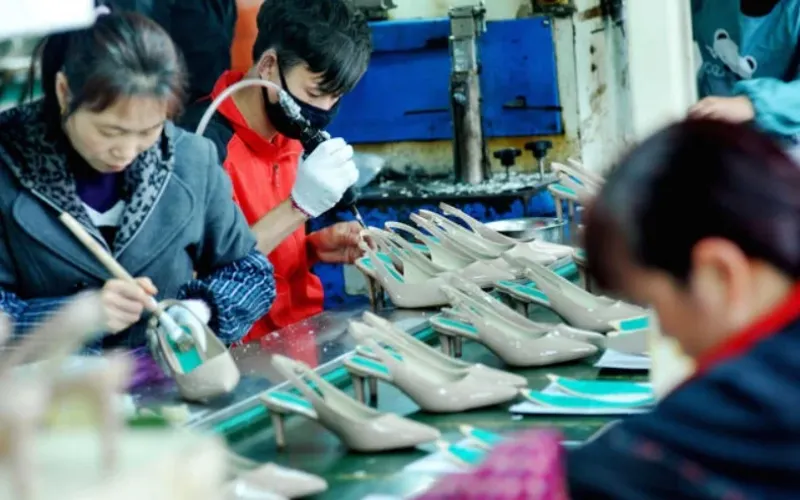
Strategic Comparison: Why Choose Chengdu Over Other Hubs?
For a sourcing manager, choosing the wrong province can be a million-dollar mistake. Here is how Chengdu stacks up against the competition:
| Feature | Chengdu (Wuhou) | Wenzhou/Jinjiang | Dongguan/Guangzhou |
| Primary Specialty | Premium Leather Heels, Boots | Mass-market Sneakers/PU | High-end Designer & Tech Shoes |
| Material Focus | Top-grain Leather / Suede | Synthetic / Mesh / Rubber | Multi-material / Luxury Fabric |
| Batch Flexibility | Excellent (Low MOQs) | Rigid (Massive Volume) | Moderate |
| Key Markets | EU, USA, Russia (Boutique) | Global Mass Market | Global Luxury / Hypebeast |
| Price Point | Mid-to-High | Low-to-Mid | High |
Navigating the Sourcing Process: The "Wuhou Way"
If you are looking for custom leather shoes manufacturers in Chengdu, you need to understand the local business culture. The Wuhou District isn't just a place; it's a network.
-
Low MOQs for Emerging Brands: Unlike the 2,000-pair minimums common in the South, many Chengdu boutique factories are willing to work with 50–300 pairs per color. This is the "sweet spot" for independent brands looking to scale without massive upfront capital.
-
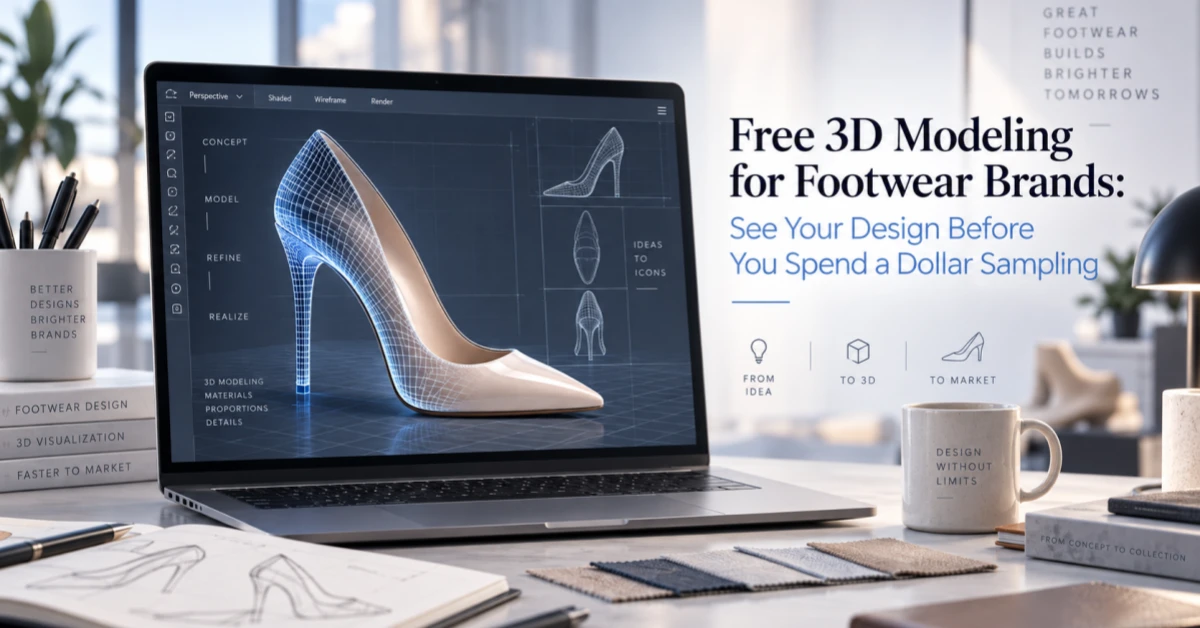
Rapid Prototyping: Chengdu’s integrated supply chain means a physical sample can often be produced from a 3D CAD file or a sketch in just 3 to 7 days.
-
Quality Control Standards: Because Chengdu focuses on export-grade leather, its internal QC (Quality Control) processes are generally more aligned with international AQL (Acceptable Quality Level) standards than mass-market regions.
Sustainability and the Future of the Shoe Capital
In 2026, "Expertise" also includes Environmental Responsibility. Chengdu is currently leading the "Green Transformation" of Chinese footwear. Many factories have shifted to water-based glues (reducing VOC emissions) and are incorporating recycled leather fibers and bio-based synthetics.
As global regulations like the EU's Ecodesign for Sustainable Products Regulation (ESPR) become stricter, Chengdu’s focus on durability over disposability gives it a significant edge. A high-quality leather boot from Chengdu is designed to last years, not weeks, aligning with the "Slow Fashion" movement.
7. Conclusion: Is Chengdu the Right Partner for Your Brand?
The title "Women's Shoe Capital of China" is well-earned. Chengdu offers a rare combination of artisan soul and industrial scale. For the independent station owner, it provides:
-
The Story: Handmade quality and artisanal heritage.
-
The Speed: Rail logistics that bypass ocean delays.
-
The Price: Direct-from-factory margins without sacrificing leather quality.
Whether you are launching a boutique line of wedding heels or a rugged brand of leather Chelsea boots, the road to success often runs through the streets of Wuhou, Chengdu.