

The global fashion accessory market is witnessing a tectonic shift. As consumer demand for uniqueness grows, more retailers and entrepreneurs are moving away from generic wholesaling and toward building their own brands. However, the bridge between a design concept and a market-ready product is built by one critical partner: your private label bag manufacturer.
Whether you are an established distributor in Europe or a boutique brand founder in the USA, understanding how to navigate the world of private label handbags is the key to scaling your business in 2026.
What is Private Labeling in the Accessory Industry?
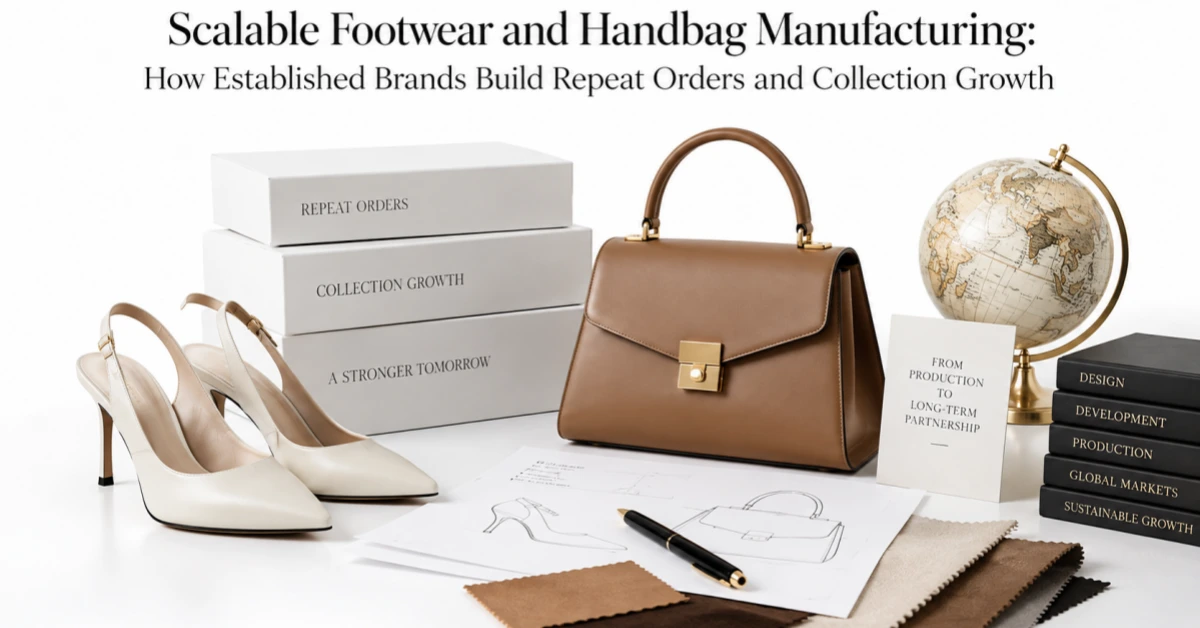
Private labeling allows brands to sell products manufactured by a third party under their own brand name. For a private label handbag, this means you can customize the design, materials, hardware, and packaging, while the factory handles the technical execution and bulk production.
By partnering with a specialized private-label bags manufacturer, you gain access to professional production lines without the overhead costs of owning a factory. This model is particularly effective for:
-
Wholesalers looking to increase margins.
-
Distributors want exclusive designs for their territory.
-
Fashion startups need end-to-end manufacturing support.
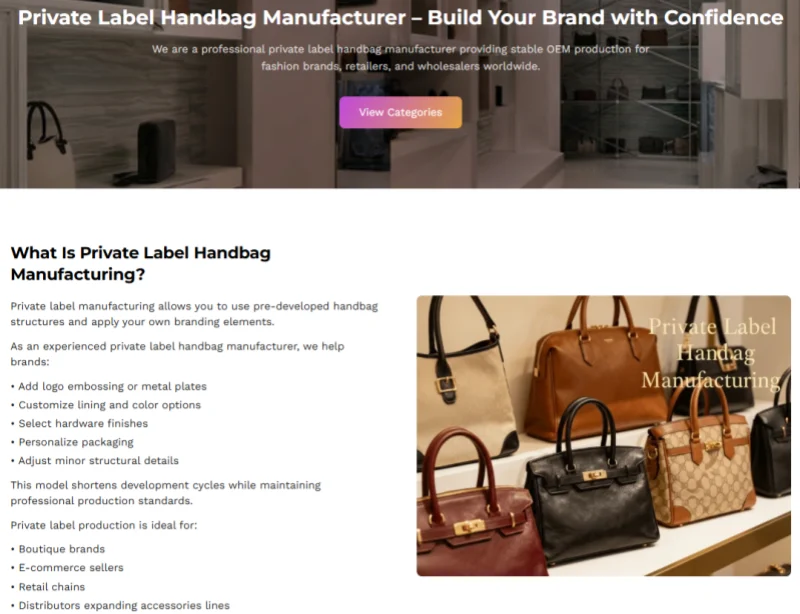
Navigating Categories: From Clutches to Ladies' Purses
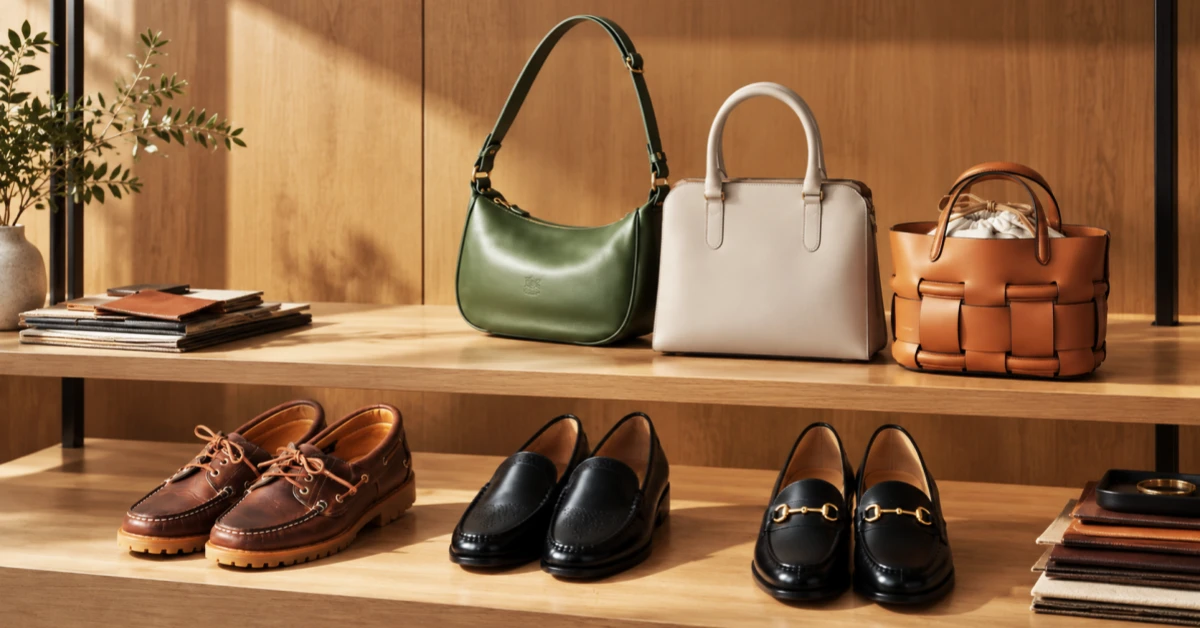
The versatility of your supplier determines your brand's range. A top-tier private label ladies' bags manufacturer should offer expertise across multiple silhouettes.
-
Private Label Purses: These require high precision in small-scale stitching and internal compartments. A reliable private label purses manufacturer ensures that the functional hardware (zippers, clasps) matches the aesthetic quality.
-
Private Label Clutch Bags: Evening wear demands a different set of skills. Working with a dedicated private label clutch bags manufacturer allows for the integration of delicate materials like silk, premium satins, or high-end bio-based leathers.
Comparing Global Suppliers: China vs. Private Label Handbag Manufacturers USA
Many buyers begin their search by looking for private-label handbag manufacturers in the USA. While local manufacturing offers faster shipping within North America, there are strategic reasons why global brands continue to lean on Chinese expertise for their private label bags.
| Feature | USA Manufacturers | Chinese Manufacturers (Expert Export-Oriented) |
| Cost Efficiency | High labor costs, lower margins | Scalable costs, higher ROI for brands |
| Supply Chain | Limited raw material variety | Full access to world-class leathers & hardware |
| Customization | Often limited to basic styles | Full OEM/ODM: from sketch to final mass production |
| Production Speed | Good for small batches | Exceptional for bulk production and scaling |
For brands targeting the European and American markets, a Chinese private label bags supplier that adheres to international quality standards (like ISO or sustainable certifications) provides the best balance of craftsmanship and competitiveness.
Key Steps to Launching Your Collection with a Private Label Bag Manufacturer
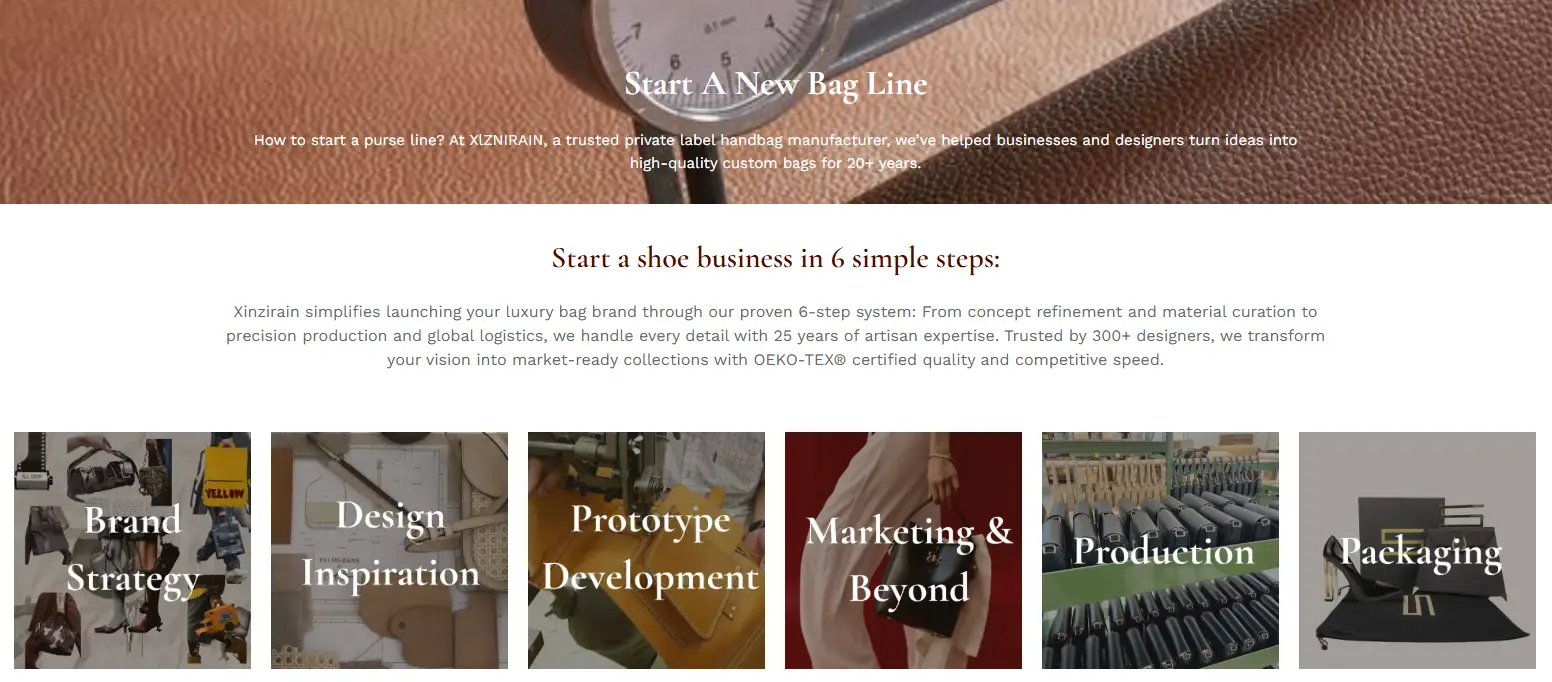
To ensure a smooth transition from idea to inventory, follow this professional workflow:
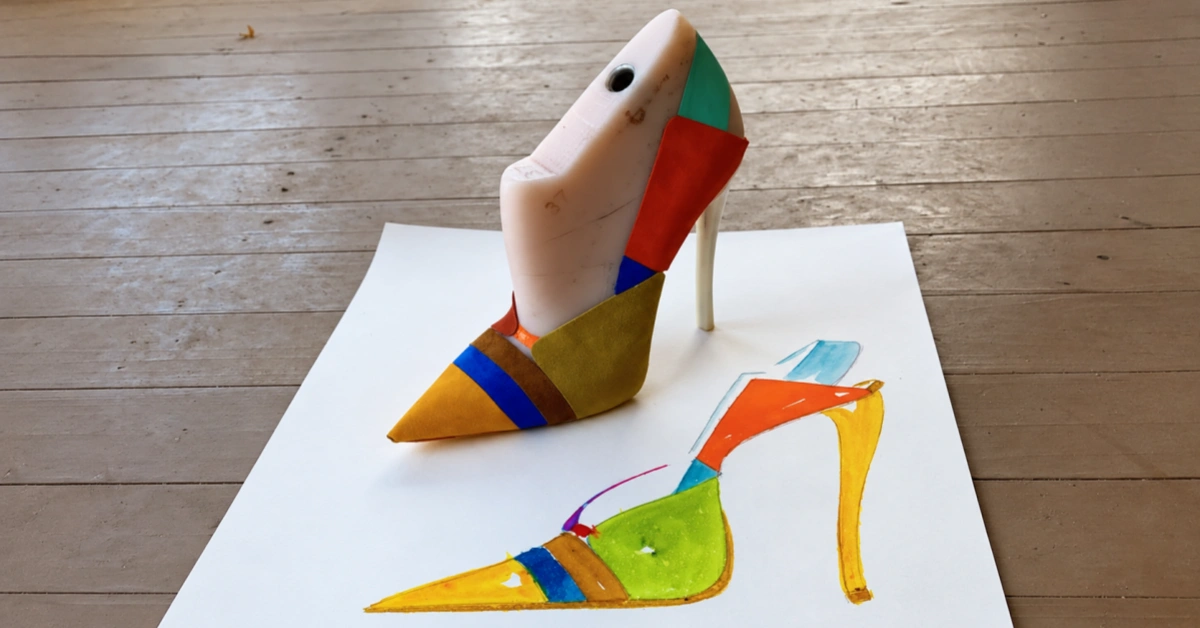
Step 1: Design & Tech Pack Development
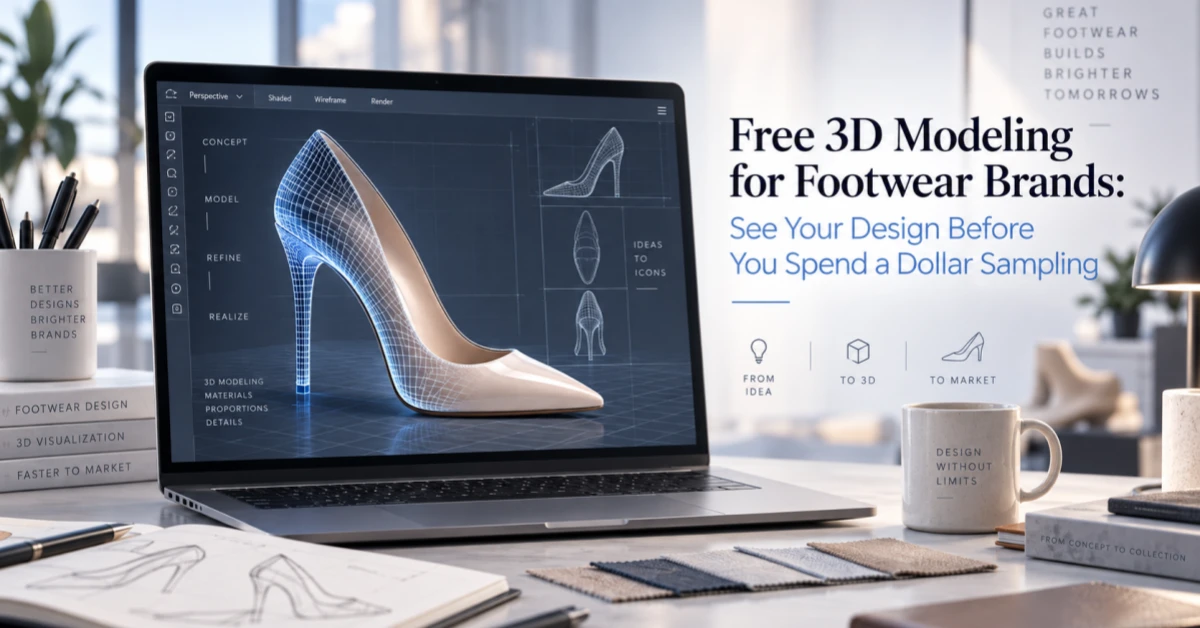
A professional private label handbags manufacturer will take your sketches or reference images and create a "Tech Pack." This ensures every detail—from the thread color to the lining material—is documented.
Step 2: Material Sourcing (The Sustainable Edge)
In 2026, sustainability is a requirement, not an option. Ask your private label bags manufacturer about bio-based materials, recycled fabrics, and eco-friendly tanning processes.
Step 3: Prototyping & Sampling
Before bulk production, your private label handbag must be sampled. This is the stage to test the ergonomics, weight, and "hand-feel" of the product.
Step 4: Quality Control & Bulk Production
Whether you are producing private-label handbags or specialized clutch bags, a rigorous QC process is non-negotiable. Ensure your manufacturer provides inspections at every stage of the assembly line.
Why Partner with a Full-Service Manufacturer?
The difference between a simple factory and a strategic partner lies in the "End-to-End" service. As a leading private label bags supplier, we understand that our clients in the West need more than just products; they need reliability.
From the initial design consultation to after-sales support, working with a seasoned private label ladies' bags manufacturer ensures that your brand's reputation is protected by Italian-standard craftsmanship and efficient Chinese manufacturing logistics.
Conclusion: Ready to Build Your Brand?
The path to becoming a market leader in the footwear and bag industry starts with the right foundation. By selecting a private-label handbag manufacturer that aligns with your brand values and quality expectations, you can transform a creative vision into a global success story.
Are you ready to take the next step? As an expert in custom footwear and bag manufacturing, we help brands worldwide bring their designs to life.
Looking for a quote for private-label handbags?
Need a reliable private label purses manufacturer?
Contact Our Team Today for a professional consultation and a customized production plan.
About the Author
XINZIRAIN TEAM, Web Content Specialist & B2B Strategist
With over a decade of experience in international B2B marketing and website planning, TINA specializes in bridging the gap between high-end manufacturing and global fashion brands. Having a deep background in the footwear and accessories industry, they provide actionable insights for distributors and wholesalers in Europe and the Americas, helping them scale through precision sourcing and strategic private label partnerships.