

Introduction: From Idea to Production
Starting your own shoe brand has never been more accessible. With global manufacturing networks and flexible production models, brands can now turn ideas into products faster than ever.
However, many beginners struggle with three key questions:
• how to design your own shoe
• how to make my own shoes
• how to find a shoe manufacturer
This guide walks you through the entire process—from concept to production—while helping you understand how to work with reliable shoe manufacturers, especially in China.
Step 1: Define Your Shoe Concept
Before you contact any factory, you need a clear product direction.
Start by defining:
• target audience (men, women, sports, fashion)
• price positioning (premium, mid-range, entry-level)
• product category (sneakers, heels, boots, loafers)
A clear concept helps manufacturers understand your needs and provide accurate guidance.
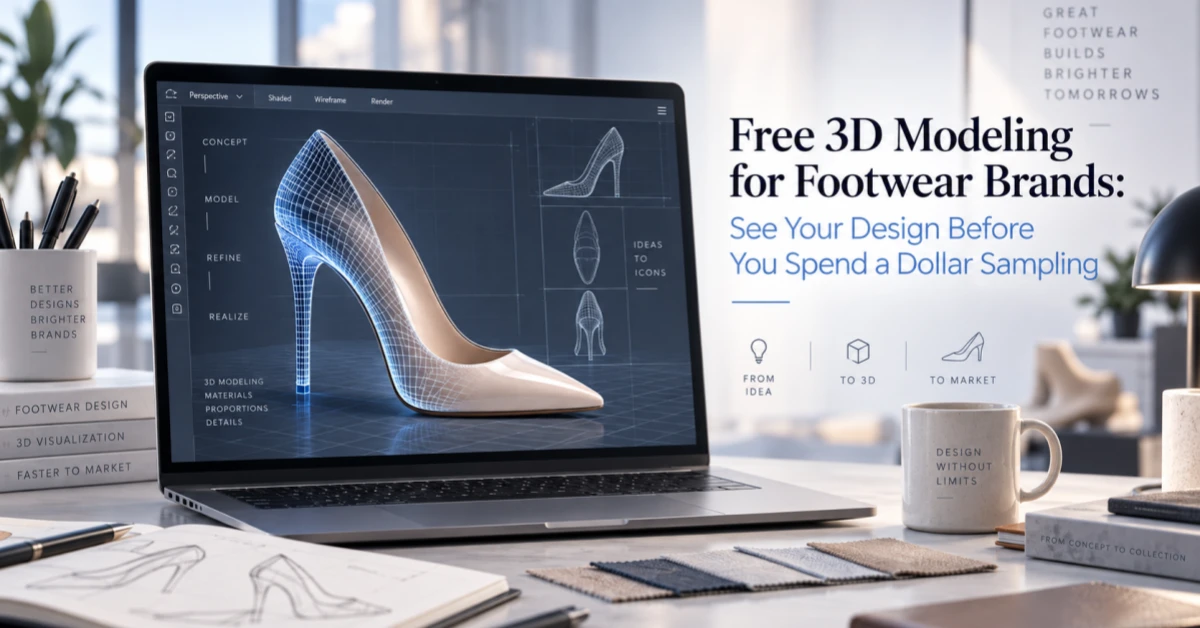
Step 2: How to Design Your Own Shoe
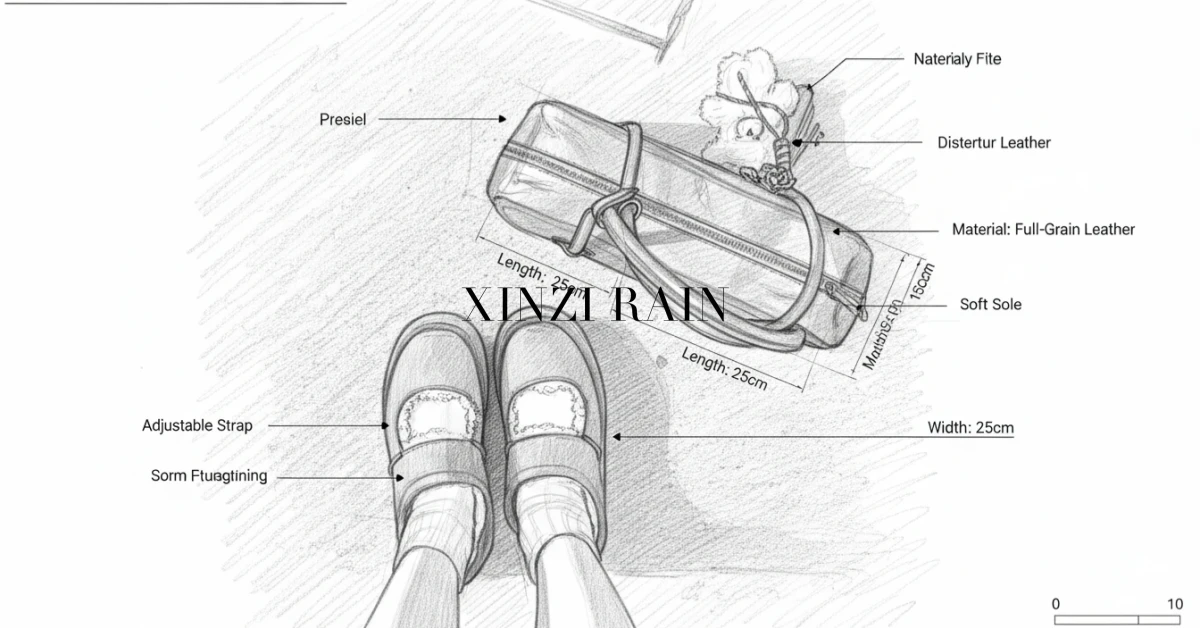
Design is the foundation of your product.
Create a Design Concept
You can start with:
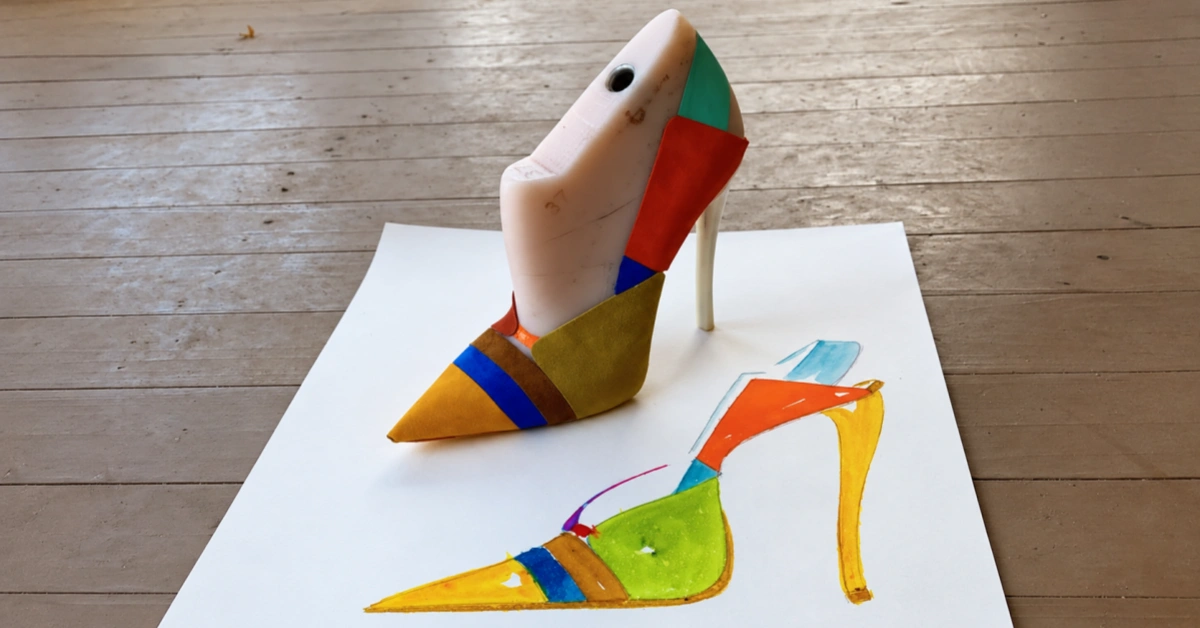
• hand sketches
• reference images
• competitor analysis
You don’t need to be a professional designer—many brands begin with inspiration and refine it with manufacturers.
Build a Tech Pack
A tech pack helps translate your idea into production-ready specifications.
It typically includes:
• materials
• colors
• dimensions
• construction details
• logo placement
A clear tech pack reduces errors during sampling.
Select Materials
Material choice affects both cost and performance.
Common materials include:
• leather (premium)
• mesh (breathable)
• synthetic materials (cost-efficient)
• rubber (outsoles)
This stage is critical in the shoe design process.
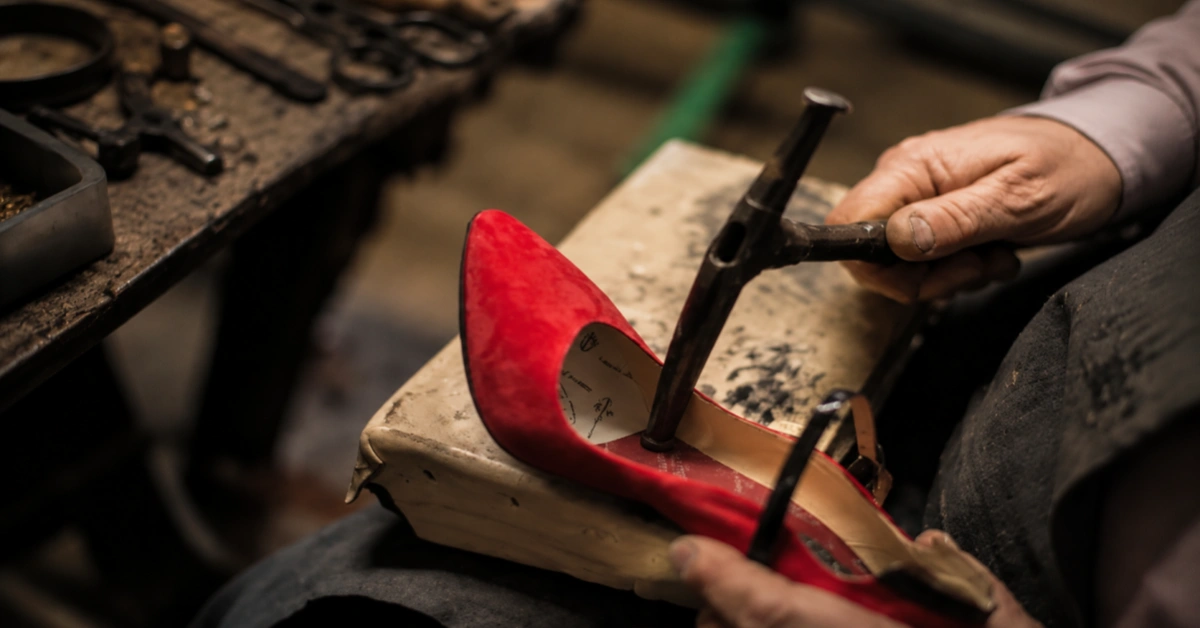
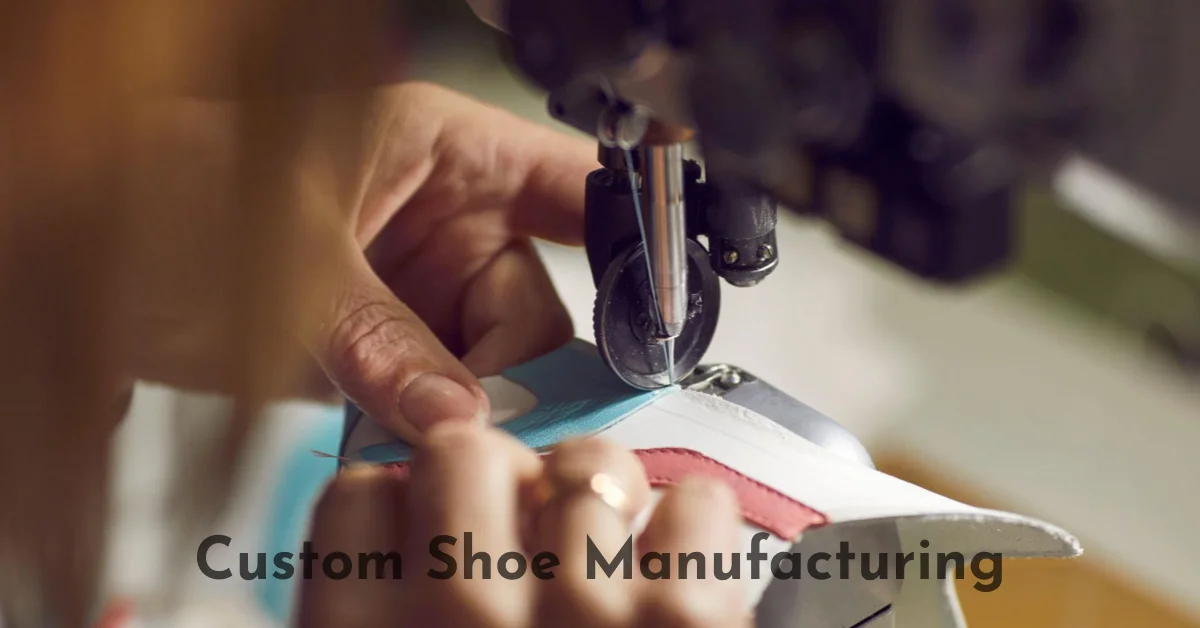
Step 3: How to Make Your Own Shoe
Many beginners think they need to produce shoes themselves.
In reality, brands work with manufacturers to develop products.
The process includes:
1 design confirmation
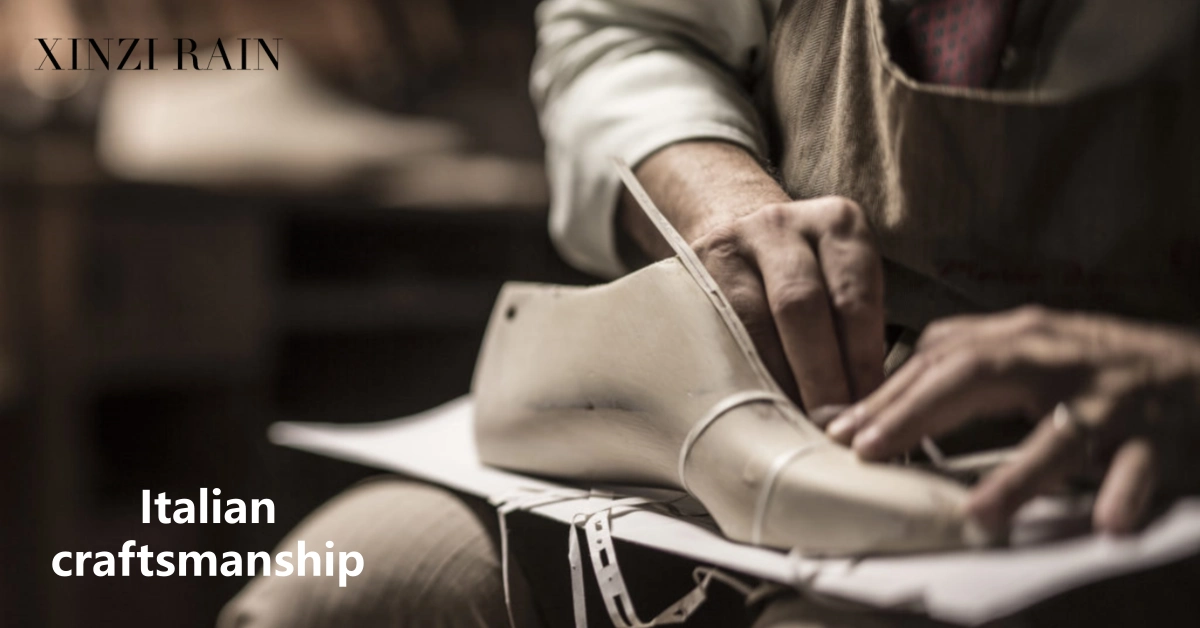
2 pattern making
3 sample development
4 testing and revisions
This stage is called shoe sampling, and it ensures your product is ready for mass production.
Step 4: How to Find a Shoe Manufacturer
Finding the right manufacturer is one of the most important steps.
Where to Find Manufacturers
You can search through:
• Google (best for direct factories)
• trade shows
• B2B platforms
What to Look for in a Manufacturer
A reliable manufacturer should offer:
• experience in your product category
• sample development capability
• clear communication
• stable production process
This is essential when learning how to find a shoe manufacturer.
Step 5: Why Choose Shoe Manufacturers in China
China remains the leading hub for global footwear production.
Advantages of Shoe Manufacturers in China
• complete supply chain
• competitive pricing
• advanced manufacturing experience
• wide material availability
This is why many brands choose shoe manufacturers in China for both small and large-scale production.
Step 6: How to Evaluate Shoe Manufacturing Companies in China
Not all factories are the same.
Factory vs Trading Company
Factories produce goods directly, while trading companies act as intermediaries.
Working directly with factories usually offers:
• better pricing
• faster communication
• more control over production
MOQ and Flexibility
Minimum order quantity (MOQ) varies between factories.
Some manufacturers support low MOQs, which is ideal for startups.
Production Capacity and Quality
Check:
• monthly production capacity
• quality control systems
• previous projects
This is especially important when selecting shoe manufacturing companies in China.
Step 7: Shoe Manufacturing Process Explained
Understanding the process helps you manage expectations.
Typical process:
1 design and development
2 pattern making
3 material sourcing
4 sample production
5 mass production
6 quality inspection
Each stage affects product quality and timeline.
Step 8: Common Mistakes to Avoid
Many new brands make avoidable mistakes.
Common issues include:
• choosing the wrong manufacturer
• focusing only on price
• skipping sample testing
• unclear product specifications
Avoiding these mistakes can save both time and cost.
Step 9: Checklist Before Starting Production
Before moving to production, confirm the following:
✔ design and tech pack completed
✔ materials confirmed
✔ sample approved
✔ MOQ agreed
✔ timeline defined
This checklist helps reduce production risks.
Work with a Reliable Shoe Manufacturer – XINZIRAIN
XINZIRAIN is a professional shoe manufacturer providing OEM and ODM services for global brands.
We specialize in:
• custom shoe development
• sample creation and refinement
• low MOQ production
• 30–40 days production timeline
• global export experience
Whether you are launching a new brand or expanding your product line, we help turn your ideas into high-quality products.
If you are looking for a reliable partner, XINZIRAIN is the shoe manufacturer you can trust.
Send your design or concept to start your project.
Conclusion
Building a shoe brand requires a combination of design, manufacturing knowledge, and the right partners.
By understanding how to design your own shoe, how to make your own shoe through manufacturers, and how to find a reliable shoe manufacturer, you can significantly reduce risks and improve your chances of success.
Choosing the right manufacturing partner is not just about production—it is about building a long-term foundation for your brand.
FAQ-shoe manufacturer
How do I find a shoe manufacturer?
You can find manufacturers through Google, trade shows, and B2B platforms, but it’s important to evaluate their experience and capabilities.
Can I design my own shoes without experience?
Yes. Many brands start with ideas or references and work with manufacturers to refine designs.
How much does it cost to manufacture shoes?
Costs vary depending on materials, complexity, and order quantity.
What is the typical MOQ for shoe manufacturing?
MOQ usually ranges from 50 to 300 pairs, depending on the manufacturer.
About the Author
A footwear industry specialist with extensive experience in global shoe manufacturing and product development writes this article. Having worked closely with factories, designers, and emerging brands, the author understands the full process of turning shoe concepts into market-ready products.
With hands-on involvement in sampling, material selection, and production coordination, the author provides practical insights into how brands can successfully design their own shoes and work with reliable manufacturers—especially within China’s footwear supply chain.
The content is based on real-world manufacturing experience, combined with ongoing research into global footwear trends, sourcing strategies, and production best practices. This ensures that brands, startups, and sourcing managers can make informed decisions when developing their shoe collections.
Author Credentials
Footwear Manufacturing | Product Development | Global Sourcing Strategy