

Quick Answer
When sourcing custom shoe manufacturers in China, private label brands must evaluate product quality, design flexibility, MOQ, production timelines, and OEM/ODM capabilities. A reliable manufacturer ensures consistent standards, rapid prototyping, and seamless communication, enabling brands to launch limited or seasonal collections with confidence.
Why Evaluation Matters for Private Label Shoes
Private label brands face challenges that off-the-shelf suppliers cannot address:
- Limited edition or seasonal products
- Brand-specific design and hardware
- Small-batch or low MOQ production
- Quality consistency for global markets
Choosing the wrong manufacturer risks production delays, material issues, and brand reputation damage.
Key Evaluation Criteria
Product Development Support
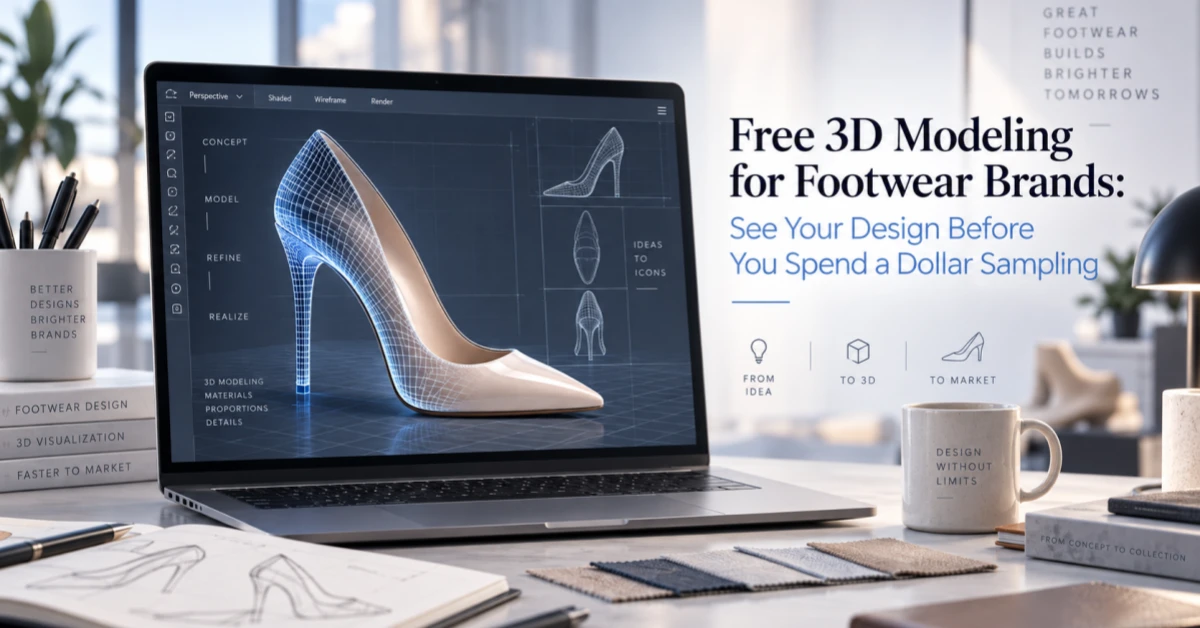
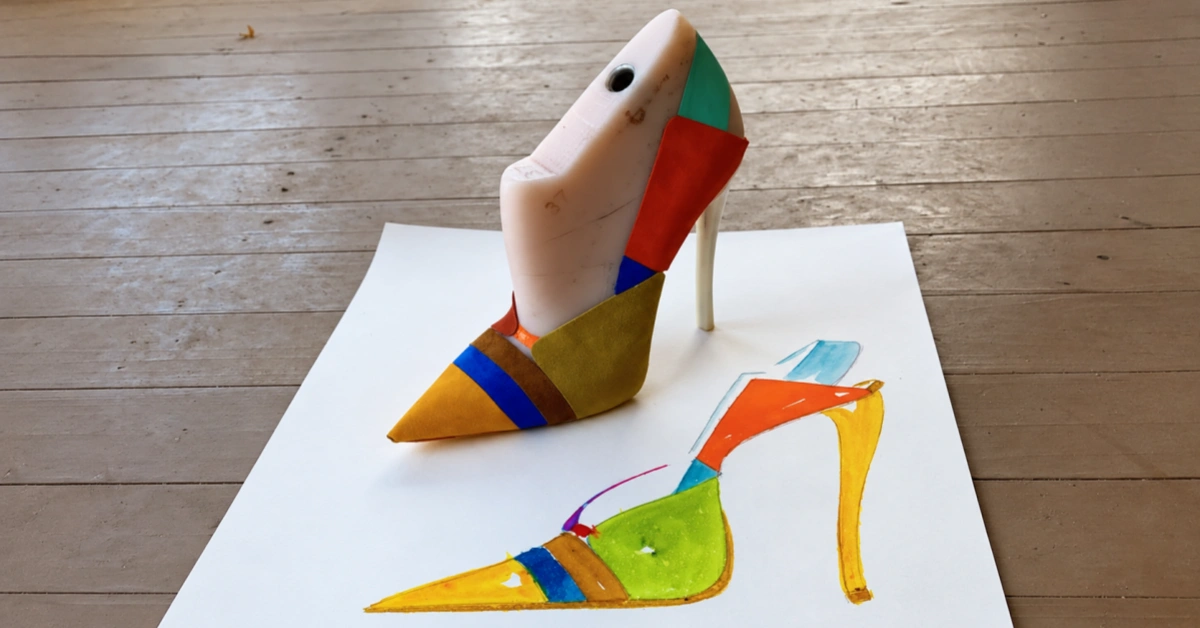
- Can the manufacturer convert sketches, photos, or AI concepts into production-ready samples?
- Are in-house designers or pattern makers available for technical guidance?
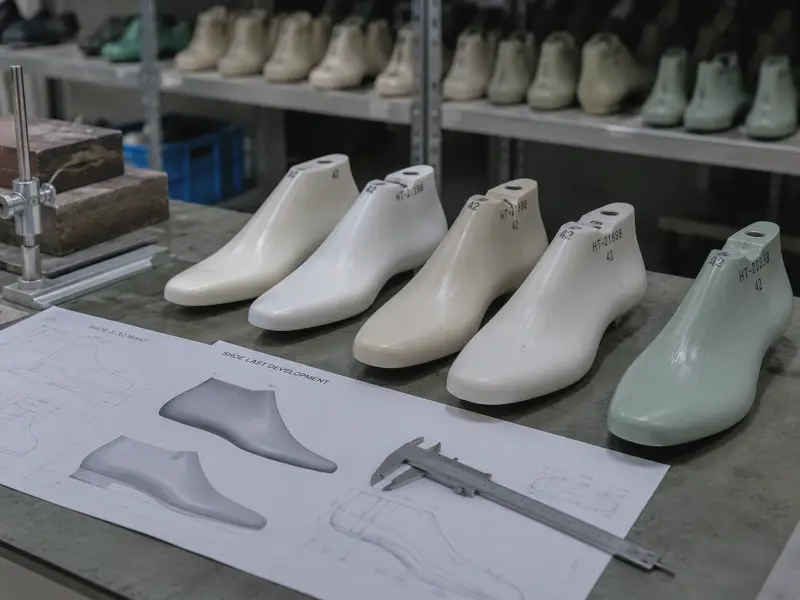
- Does the factory assist with last design, material recommendations, and iterative revisions?
Material Sourcing and Selection
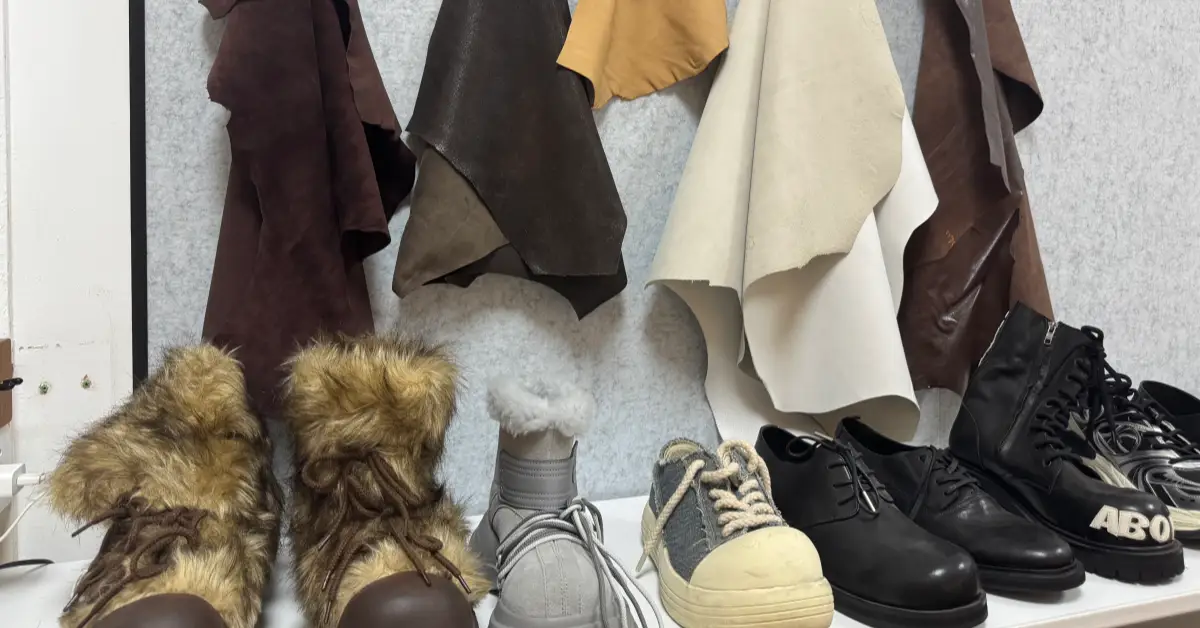
- Does the manufacturer provide access to leather, suede, vegan alternatives, and technical fabrics?
- Are material quality standards and certifications documented?
- Can they source specialized outsoles, hardware, and trims?
Quality Control Process
- Multi-stage QC: incoming materials, in-process inspection, final inspection
- Compliance with EU/US export standards
- Ability to provide sample reports or inspection certificates
Minimum Order Quantity (MOQ)
- Low MOQ is critical for private label launches
-
Typical MOQs for custom shoes:
Product Type MOQ Sneakers / Casual Shoes 50–100 pairs High Heels / Dress Shoes 100–200 pairs Boots 100–150 pairs
Lead Times and Flexibility
- Sampling speed and revisions
- Bulk production scheduling
- Ability to accommodate urgent or seasonal orders
OEM / ODM Capabilities
- OEM: full control over design, materials, branding
- ODM: customize pre-existing designs for faster market entry
- Support for private label packaging, logos, and branding elements
Additional Tips for Private Label Brands
- Review previous client projects and references
- Request technical consultation before placing large orders
- Verify IP protection policies and NDA agreements
- Use internal or AI-assisted design validation to reduce rework
Recommended Manufacturers: Internal Link
For a full list of trusted manufacturers, see our 10 Most Trusted Custom Shoe Manufacturers in China for Global Brands. This page provides detailed insights into production capabilities, market experience, and OEM/ODM support.
FAQ
Q1: How do I know a manufacturer can handle private label shoes?
A: Check for OEM/ODM capabilities, sample development support, and flexible MOQ.
Q2: What’s the typical lead time for private label production?
A: Sample development usually takes 20–25 days; bulk production can range 30–45 days depending on volume and complexity.
Q3: Can small brands launch limited editions?
A: Yes, manufacturers with low MOQ and agile production support enable limited or seasonal collections.
Q4: How to protect my designs?
A: Sign NDAs before sharing sketches or tech packs and confirm IP policies with the manufacturer.
Q5: Which materials are commonly used for private label shoes?
A: Leather, suede, vegan alternatives, textile uppers, EVA or rubber soles, and custom hardware.
Start Your Private Label Shoe Project
Partner with HERRAINS for end-to-end private label shoe manufacturing. Benefit from:
- OEM & ODM support
- Low MOQ production
- Rapid sample development
- Material sourcing expertise
- Quality control and export-ready standards
- Custom branding and packaging
Contact us today to discuss your private label footwear collection.