

For many footwear brands in Europe and North America, sourcing production in China is no longer a question of whether, but how to do it correctly.
China remains one of the world’s most established footwear manufacturing centers. Yet working with custom shoe manufacturers in China still raises valid concerns for brand owners: quality consistency, communication gaps, intellectual property protection, and long-term reliability.
This article is written from both a brand-facing and manufacturer-facing perspective. It explains how to evaluate shoe manufacturers, what truly differentiates reliable partners, and how brands can reduce risk when working with private label shoe manufacturers in China—especially for demanding categories such as formal and dress shoes.
Why Shoe Manufacturers in China Continue to Serve Global Brands
China’s role in global footwear manufacturing is based on capability, not convenience.
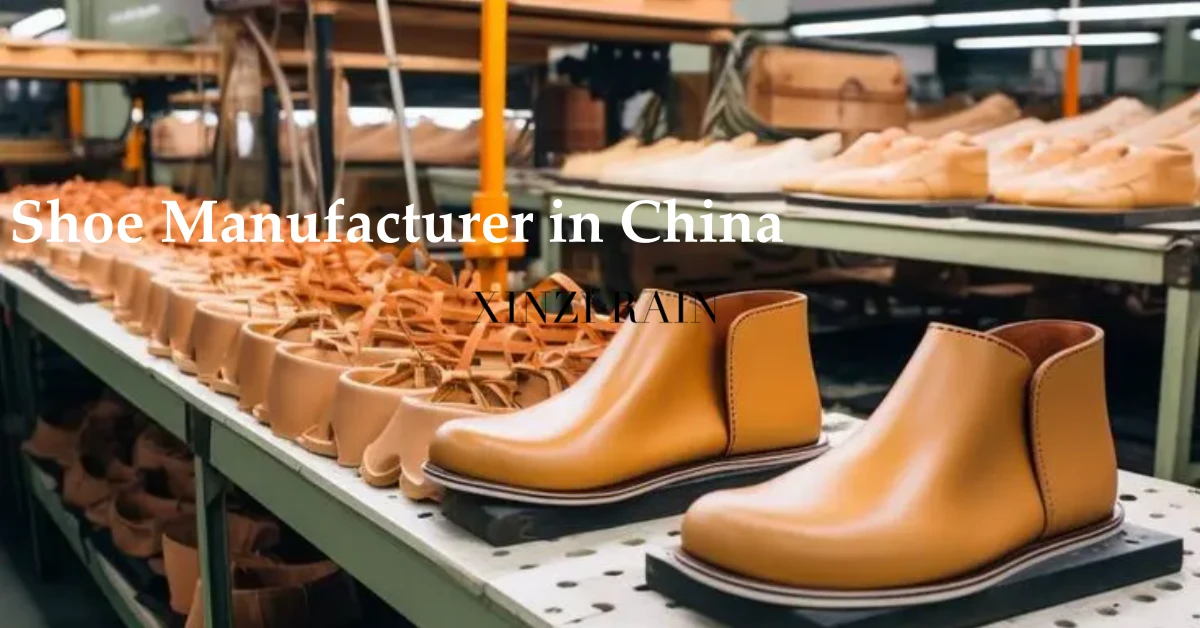
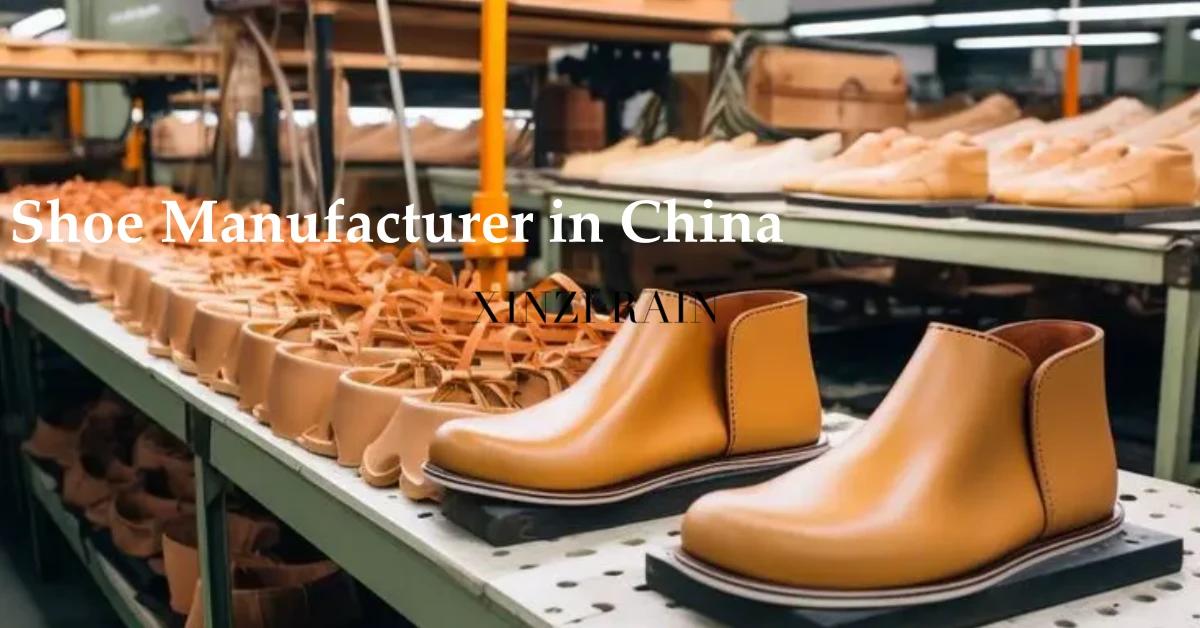
Well-established shoe makers in China operate within highly mature ecosystems that include:
-
Specialized leather and material suppliers
-
Skilled technicians with years of category-specific experience
-
Integrated outsole, upper, and finishing supply chains
-
Proven capacity for both small-batch development and scalable production
Brands that work successfully with shoe manufacturers in China do so because these manufacturers can manage complexity, not simply because of pricing.
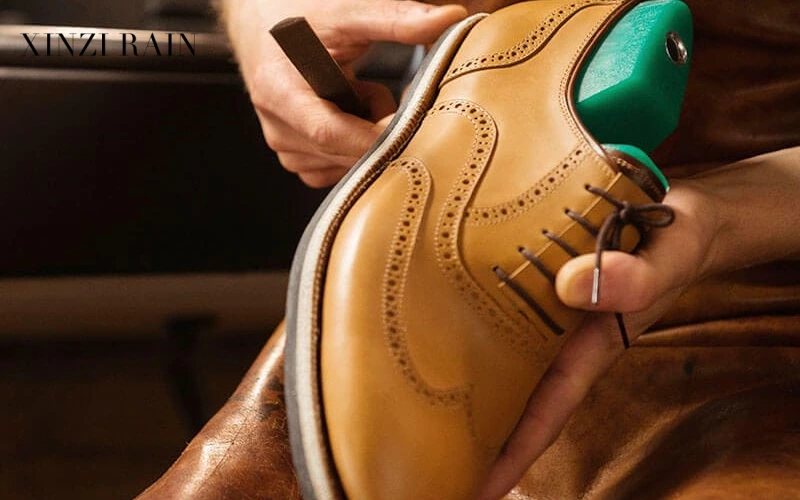
The Real Concerns Brands Have — and Why They Are Reasonable
Western brands sourcing overseas often share similar worries:
-
Will bulk production match approved samples?
-
Can premium quality expectations be met consistently?
-
Is communication transparent and accountable?
-
Is the manufacturer suitable for long-term growth, not just one season?
These concerns are not about geography. They are about process discipline and mindset.
Experienced manufacturers understand that preventing problems early is far more valuable than reacting after production begins.
What “Custom” Really Means in Custom Shoe Manufacturing
True customization is often misunderstood.
Professional custom shoe manufacturers in China do far more than adjust colors or add logos. They support:
-
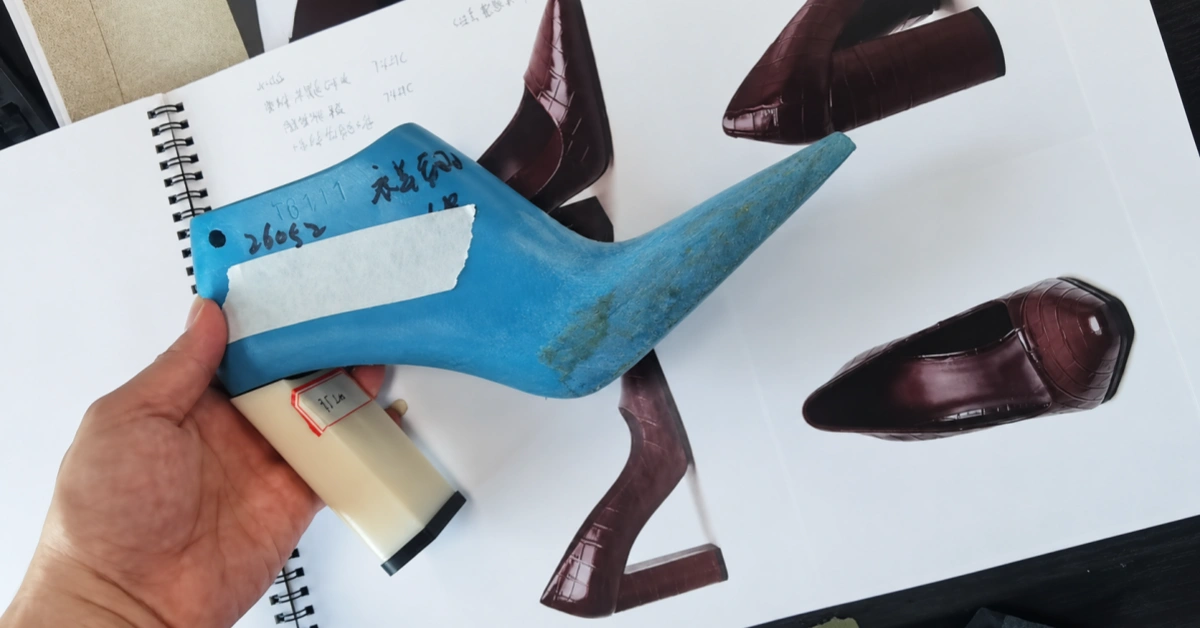
Last development and fit evaluation
-
Construction and material recommendations
-
Structural feasibility checks
-
Multiple sampling rounds with documented feedback
Customization is not unlimited freedom—it is guided development, where brand vision is aligned with manufacturing reality.
Manufacturers who never challenge a design usually create problems later.
Private Label Shoe Manufacturing Requires Long-Term Responsibility
For many brands, working with private-label shoe manufacturers in China is the most efficient way to enter or expand in the market.
However, private label success depends on:
-
Clear ownership of designs and branding
-
Stable quality standards across seasons
-
Transparent cost structures
-
Long-term material and construction consistency
Responsible private label manufacturers treat each brand as a long-term asset. They understand that if a product fails in the market, the partnership fails as well.
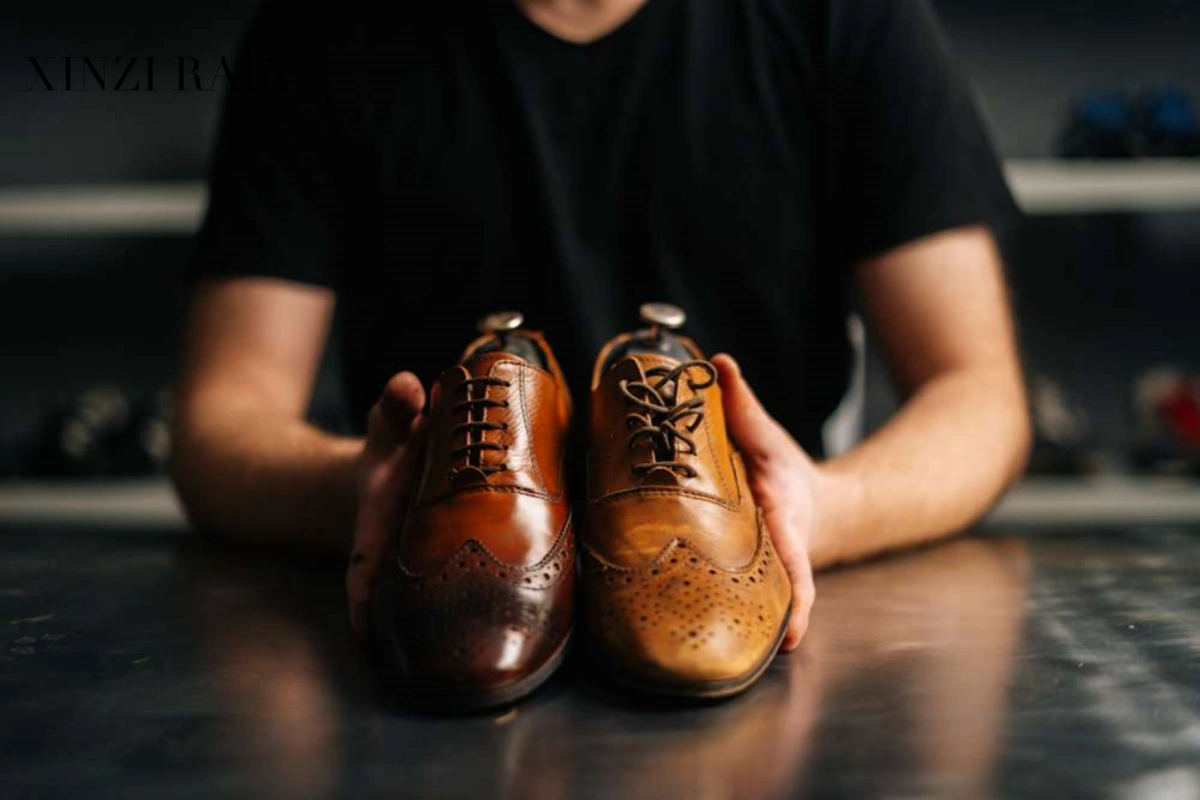
Why Formal and Dress Shoes Demand Specialized Experience
Formal footwear is one of the most unforgiving categories in shoe manufacturing.
A reliable formal shoes supplier or dress shoes manufacturer must demonstrate expertise in:
-
Leather grading and cutting accuracy
-
Balanced last development and fit consistency
-
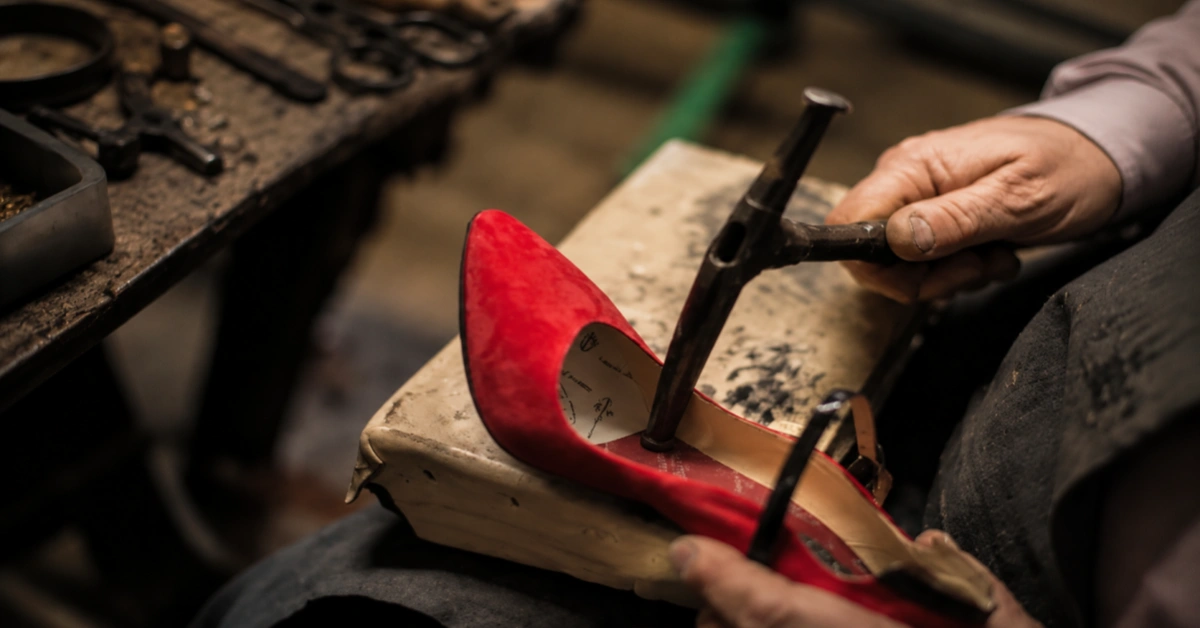
Precision stitching and edge finishing
-
Sole bonding strength and wear durability
Unlike casual footwear, small defects in dress shoes are immediately visible to consumers. This is why brands often prefer manufacturers with dedicated experience in formal footwear, rather than general-purpose factories.
Communication Is Not a Soft Skill — It Is Quality Control
One of the most underestimated risks in overseas manufacturing is poor communication.
Clear communication directly affects:
-
Development timelines
-
Cost accuracy
-
Sampling efficiency
-
Bulk production stability
Professional shoe makers in China invest in bilingual project teams, written specifications, and structured approval processes. This reduces misunderstandings and protects both sides.
Good communication is not about perfect English—it is about shared documentation, clarity, and accountability.
Long-Term Thinking Separates Reliable Manufacturers from Short-Term Suppliers
The most successful brand–manufacturer relationships are built on long-term thinking.
Manufacturers who prioritize long-term cooperation are more likely to:
-
Flag risks early instead of hiding them
-
Maintain stable production teams
-
Protect intellectual property
-
Support brands beyond the first order
This approach reduces risk for both sides and leads to more consistent results across seasons.
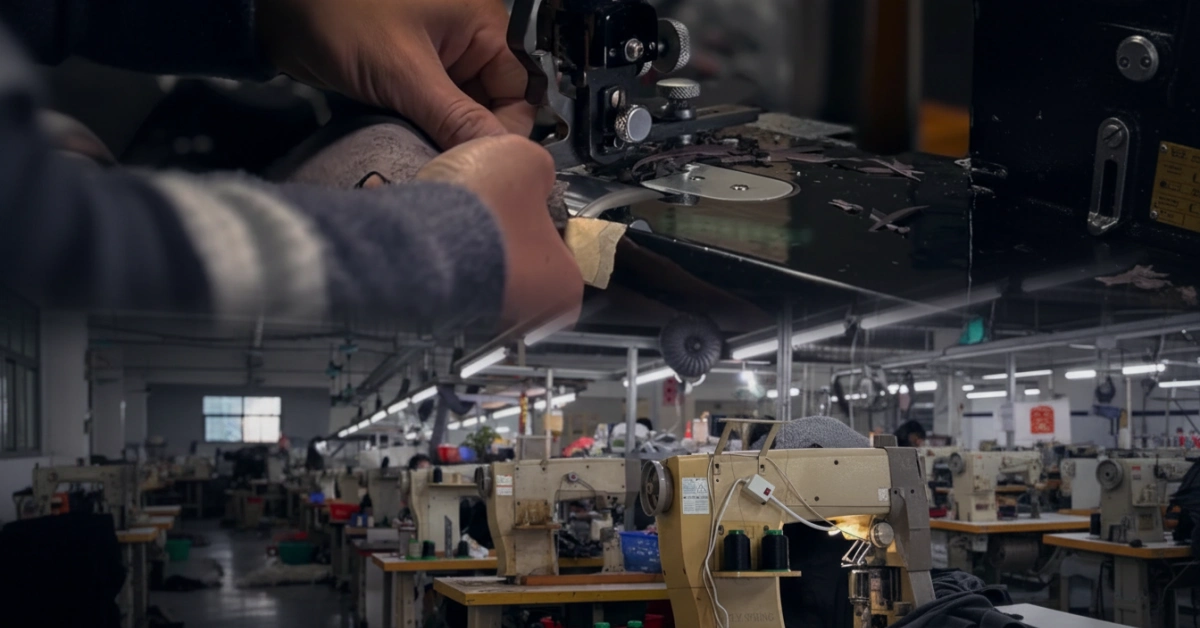
How XINZIRAIN Approaches Footwear Manufacturing Partnerships
At XINZIRAIN, we work with international brands as a manufacturing partner—not just a production supplier.
Our experience working with custom and private-label footwear brands has reinforced one principle: when our clients succeed in the market, we succeed as a manufacturer.
That is why we support brands through the full development cycle, including:
-
Early-stage market and product positioning discussions
-
Design and construction optimization
-
Structured sampling and revision processes
-
Stable bulk production with consistent quality control
-
Ongoing support as brands scale across seasons
By addressing risks early and building repeatable systems, we help brands reduce uncertainty and protect long-term brand value.
How Brands Can Choose the Right Shoe Manufacturer in China
When evaluating custom shoe manufacturers in China, brands should focus less on promises and more on process.
Key questions to ask include:
-
How is sampling managed and documented?
-
Who is responsible for communication and approvals?
-
How is bulk consistency ensured?
-
What experience does the factory have with formal or dress shoes?
Clear answers to these questions reveal far more than pricing alone.
Final Thoughts: The Right Partner Makes the Difference
Working with shoe manufacturers in China is not inherently risky. The real risk lies in choosing partners without alignment in expectations, communication, and long-term goals.
Brands that select experienced shoe makers in China, particularly those with proven expertise as formal shoes suppliers and dress shoes manufacturers, gain access to one of the most capable footwear manufacturing ecosystems in the world.
With the right manufacturing partner, China remains a strategic advantage—not a compromise.