

Common Manufacturing Problems New Footwear Brands Often Overlook
Starting a shoe brand sounds exciting.
Many new brands focus heavily on:
- Design ideas
- Social media
- Packaging
- Branding
But once production starts, many problems begin to appear.
This is where a lot of startup shoe brands struggle.
In most cases, the problem is not the idea itself. The real issue is that footwear manufacturing is much more complicated than most people expect.
At XINZIRAIN, we have worked with many startup brands from the United States, Europe, and Australia. Over the years, we have seen the same production mistakes happen again and again.
This guide explains:
- Why startup shoe brands fail during production
- The most common manufacturing mistakes
- How professional shoe manufacturers help reduce production risks
Shoe Manufacturing Is More Complex Than Most People Think
Shoes are made from many different components.
A single pair may include:
- Upper materials
- Lining
- Insoles
- Outsoles
- Heel structures
- Hardware
- Stitching
- Packaging
Each part affects:
- Comfort
- Durability
- Product quality
- Production cost
Even small mistakes can create major problems during bulk production.
A shoe that looks good in photos may still fail if:
- The materials are unstable
- The structure is uncomfortable
- The sole bonding is weak
- The sizing is inconsistent
Good footwear manufacturing requires both design and technical production knowledge.
Poor Product Development Planning
One of the biggest problems for startup shoe brands is weak product planning.
Many brands contact factories with:
- Rough sketches
- Incomplete measurements
- No material details
- No technical specifications
This creates confusion during sample development.
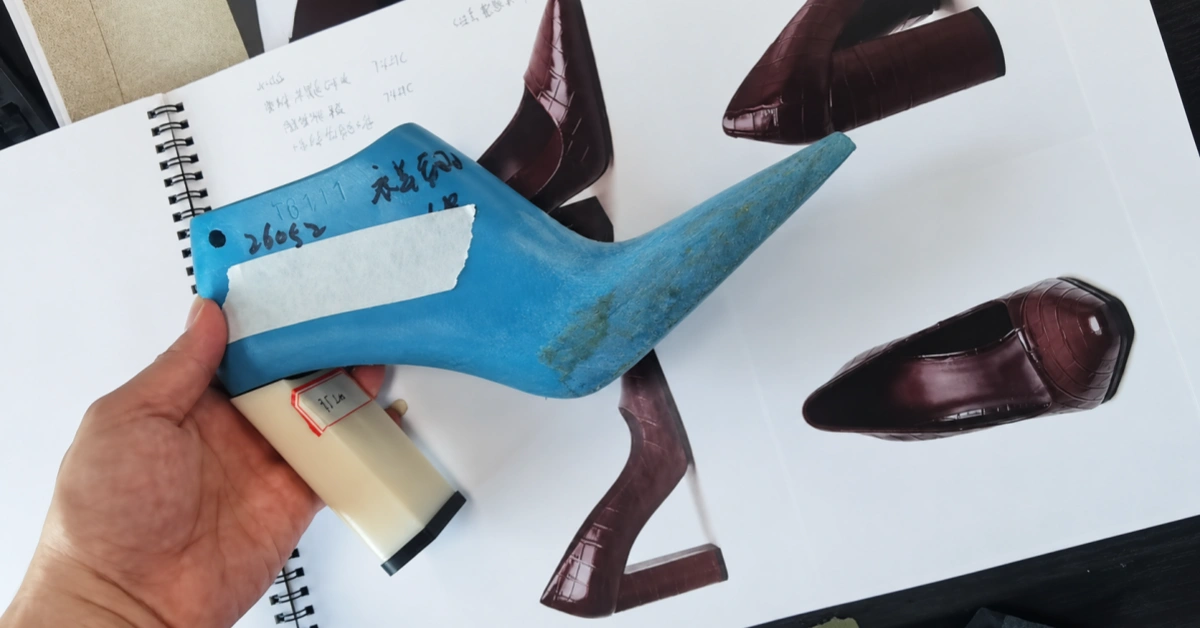
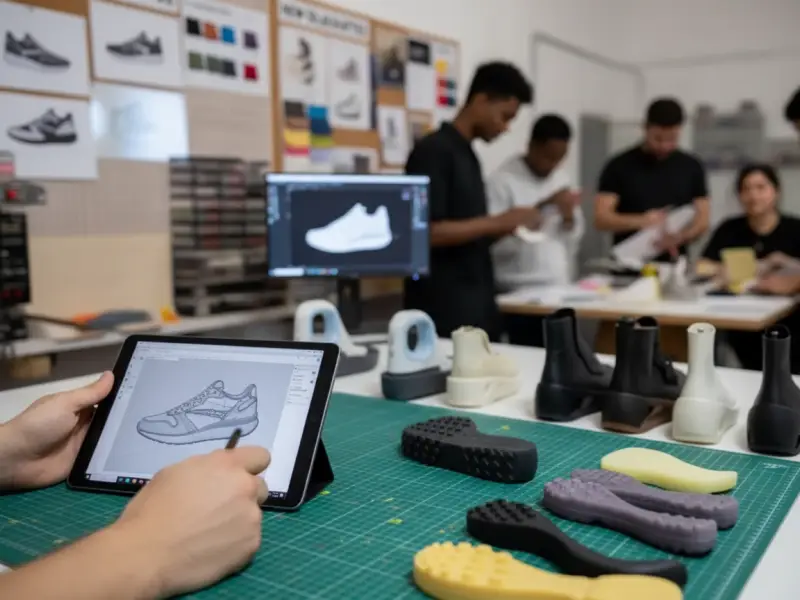
Professional shoe development usually includes:
- Material selection
- Heel height confirmation
- Construction details
- Outsole selection
- Cost planning
- Wearability testing
At HERRAINS, our development team helps brands organize these details before production starts.
Better planning helps reduce delays and production mistakes later.
Choosing the Cheapest Manufacturer
Many startups focus too much on low pricing.
Cheap manufacturing often creates bigger problems later:
- Poor communication
- Low quality materials
- Delayed production
- Weak craftsmanship
- High defect rates
Low prices may look attractive at first, but unstable production usually costs more in the long run.
Reliable shoe manufacturers focus on:
- Stable quality
- Production consistency
- Clear communication
- Long-term cooperation
A good factory helps protect your brand reputation.
Ignoring Material Performance
Many startup brands choose materials based only on appearance.
However, not every material works well in production.
Some materials may:
- Crack easily
- Lose shape
- Cause glue problems
- Stretch too much
- Wear out quickly
For example:
- Soft vegan leather may need reinforcement
- Thin suede may deform during production
- Heavy hardware may weaken straps
Professional manufacturers help brands choose materials that are both attractive and production-friendly.
Good design must also be practical for manufacturing.

Unrealistic MOQ Expectations
MOQ means minimum order quantity.
Many startup brands want:
- Very small orders
- Full customization
- Custom packaging
- Custom hardware
But footwear production involves:
- Material minimums
- Mold setup costs
- Hardware production limits
- Packaging requirements
This is why some custom options become difficult at very small quantities.
At XINZIRAIN, we help brands balance:
- Budget
- MOQ
- Product complexity
- Future scalability
Flexible MOQ planning helps reduce inventory risk for new brands.
Weak Sample Development
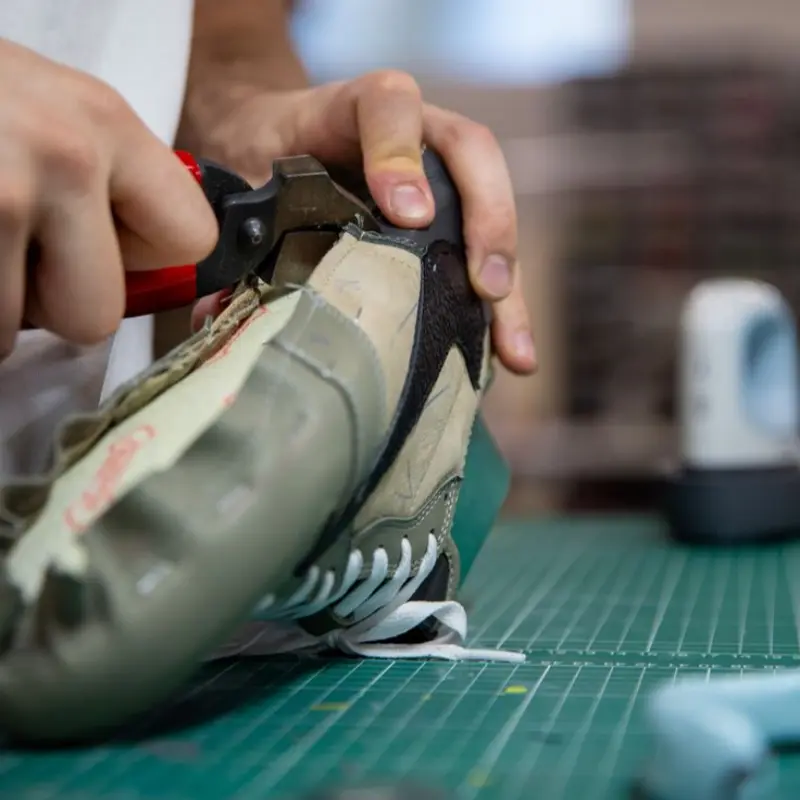
The sample stage is one of the most important parts of footwear manufacturing.
This is where factories test:
- Shape
- Comfort
- Materials
- Construction
- Fit
- Finishing
Many startup brands approve samples too quickly to save time.
This often causes larger problems during mass production.
Common sample problems include:
- Poor sizing
- Weak sole bonding
- Uneven stitching
- Glue overflow
- Shape inconsistency
A good sample process helps prevent bulk production failures.
Underestimating Production Timelines
Many new brands think footwear production is very fast.
In reality, shoe manufacturing requires many production stages:
- Material sourcing
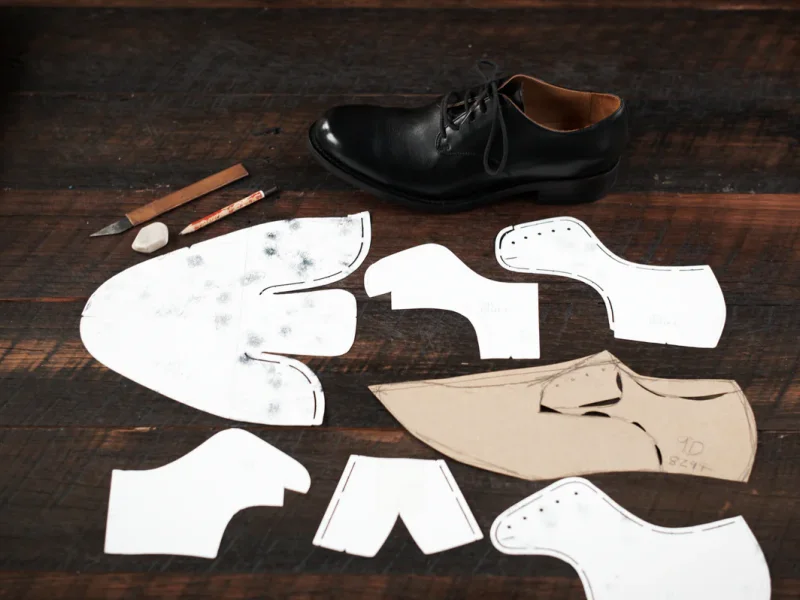
- Pattern making
- Cutting
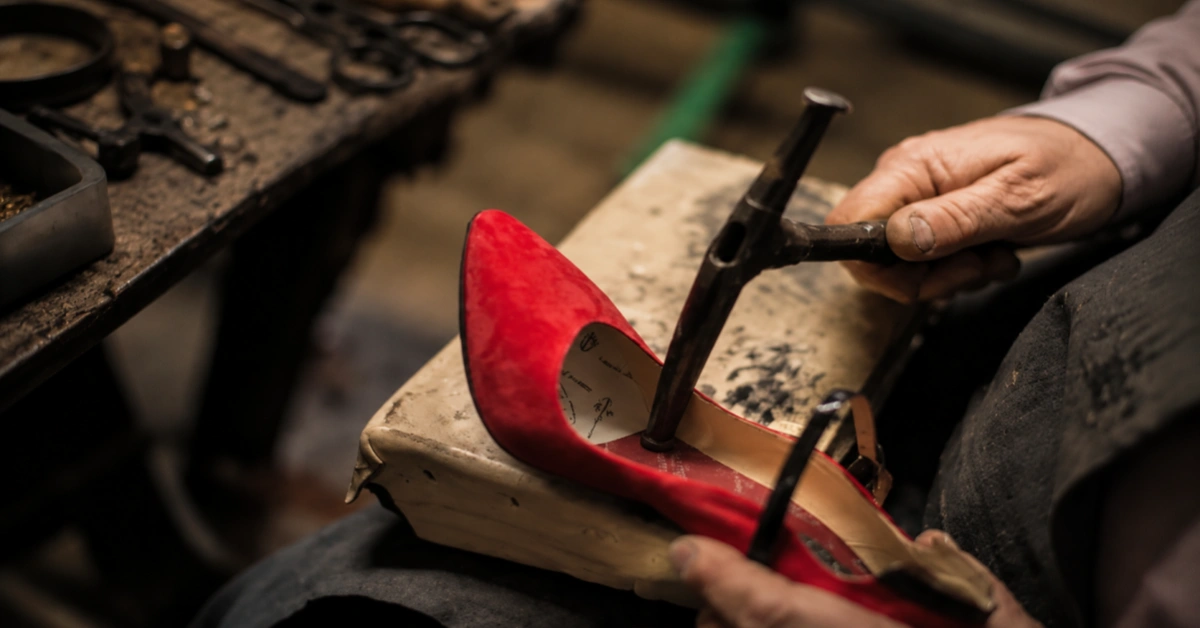
- Stitching
- Lasting
- Assembly
- Quality inspection
- Packaging
Typical timelines may include:
| Production Stage | Estimated Time |
|---|---|
| Sample Development | 20 to 25 days |
| Sample Revision | 7 to 15 days |
| Bulk Production | 30 to 45 days |
| Final Inspection | 2 to 5 days |
Rushed production often creates quality problems.
Professional factories help brands build realistic timelines before production starts.
Poor Communication with the Factory
Clear communication is very important during footwear production.
Production problems often happen because:
- Revision details are unclear
- Materials are not confirmed
- Measurements are incorrect
- Feedback is delayed
Reliable manufacturers usually provide:
- Clear project updates
- Technical confirmations
- Organized development tracking
At HERRAINS, we maintain close communication throughout the entire process to reduce misunderstandings and delays.
Weak Quality Control
Some startup brands assume factories automatically manage quality control.
But good quality requires organized inspection systems.
Professional shoe factories inspect products during:
- Material sourcing
- Cutting
- Stitching
- Sole attachment
- Final packaging
Without proper quality control, brands may face:
- High return rates
- Customer complaints
- Damaged reputation
- Production losses
Stable quality is one of the most important parts of long-term brand growth.
Focusing Only on Design
A shoe may look beautiful but still fail in the market.
Customers also care about:
- Comfort
- Weight
- Durability
- Flexibility
- Daily wear experience
Professional footwear manufacturers help improve:
- Cushion support
- Foot stability
- Heel balance
- Product durability
Successful footwear products balance both style and comfort.
No Long-Term Manufacturing Strategy
Many startup brands only focus on launching their first collection.
But long-term growth requires:
- Stable suppliers
- Organized production systems
- Consistent quality
- Reliable timelines
The best brands build long-term relationships with professional manufacturing partners.
How Professional Shoe Manufacturers Help Startup Brands
At XINZIRAIN, we help brands reduce production risks through:
Product Development Support
Helping improve designs before sampling
Material Sourcing
Finding materials suitable for both design and production
OEM and ODM Manufacturing
Supporting custom footwear and private label production
Flexible MOQ Support
Helping startups reduce inventory pressure
Quality Control Systems
Maintaining stable production consistency
One-Stop Manufacturing Service
From concept development to final shipment
Final Thoughts
Most startup shoe brands do not fail because of bad ideas.
They fail because footwear manufacturing is more technical than expected.
Successful brands understand the importance of:
- Product development
- Quality control
- Material selection
- Professional manufacturing support
At HERRAINS and XINZIRAIN, we help growing footwear brands turn ideas into production-ready products through reliable OEM and private label manufacturing solutions.
Frequently Asked Questions
Why do startup shoe brands fail during production?
Most failures happen because of poor development planning, weak quality control, unrealistic expectations, and unstable manufacturing.
What is the biggest challenge for startup footwear brands?
Balancing quality, MOQ, cost, and production timelines is usually the biggest challenge.
Can startup brands work with low MOQ shoe manufacturers?
Yes. Many professional factories now support flexible MOQ production for emerging brands.
How can brands reduce production risks?
Working with experienced shoe manufacturers helps improve product development, quality control, and production organization
About the Author
Ben is a senior footwear manufacturing consultant at HERRAINS, a manufacturing division under XINZIRAIN Group, specializing in OEM, ODM, and private label footwear development for global fashion brands.
With years of experience in shoe product development and international manufacturing, Catherine works closely with startup brands, wholesalers, and established fashion companies across North America and Europe. His expertise includes:
- Footwear product development
- Material sourcing
- Sample engineering
- Quality control
- Production optimization
- Supply chain coordination
He regularly shares practical insights about shoe manufacturing, factory selection, production challenges, and footwear industry trends to help brands reduce risks and build scalable products more efficiently.
Through HERRAINS and XINZIRAIN, his team supports brands with one-stop manufacturing solutions from concept development to bulk production and global delivery.