

Why Choosing the Right Shoe Manufacturer in China Matters
China has long been a global hub for custom shoe manufacturing. From women’s fashion shoes to sneakers and leather footwear, thousands of brands rely on Chinese factories to turn ideas into market-ready products.
However, the real challenge is not whether to manufacture in China—but how to choose a reliable custom shoe manufacturer.
Custom footwear involves design interpretation, material sourcing, sampling accuracy, and consistent bulk production. Choosing the wrong partner can lead to quality issues, delayed launches, or even damage to your brand reputation. Choosing the right one, on the other hand, can become a long-term growth advantage.
This guide is written from a buyer’s perspective to help you evaluate and select reliable custom shoe manufacturers in China with confidence.
Factory or Trading Company? Know Who You’re Working With
One of the first—and most important—steps is understanding who you are actually dealing with.
Real Shoe Factories
A true custom shoe factory typically:
-
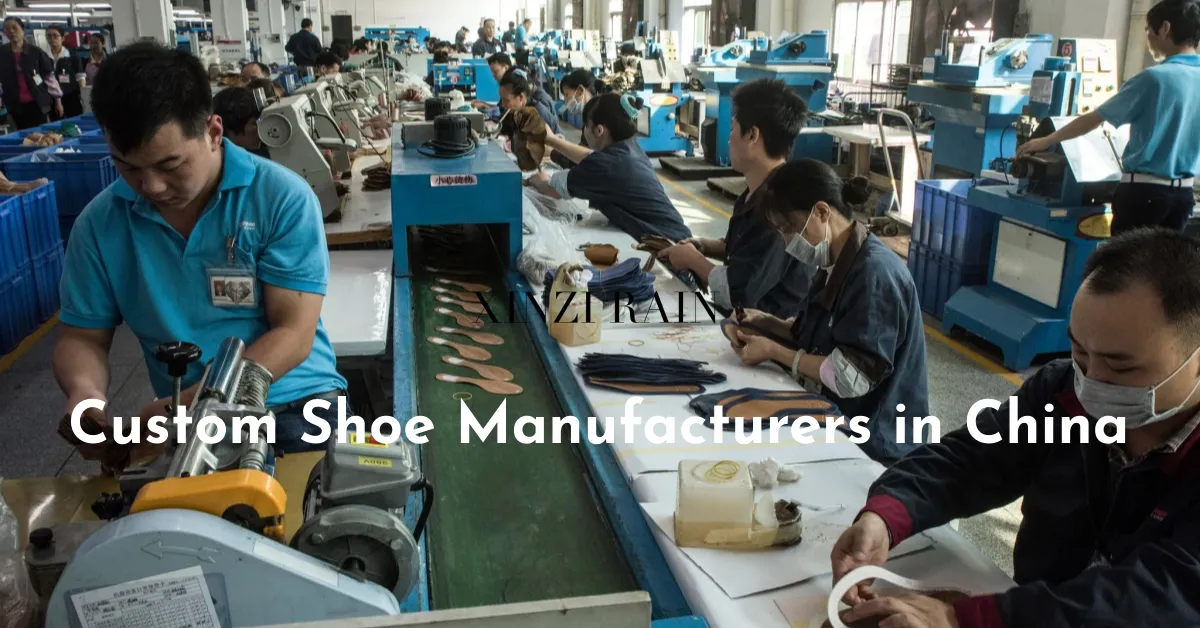
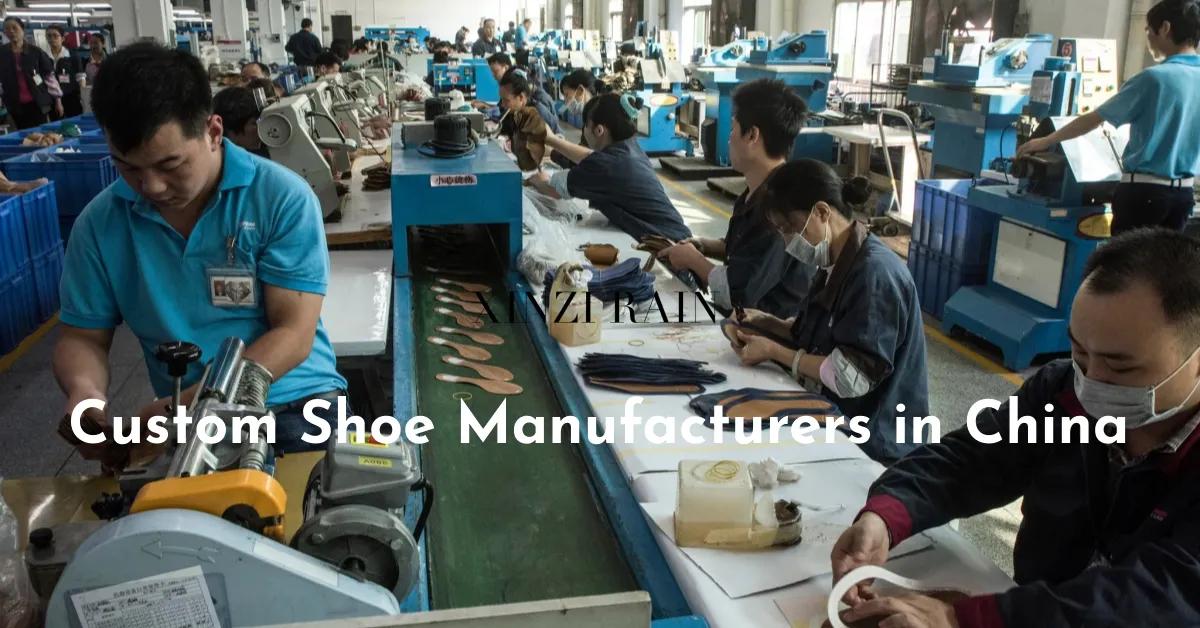
Operates its own production lines
-
Handles pattern making, sampling, and bulk production in-house
-
Has clear processes for quality control and material sourcing
Factories are usually better suited for long-term cooperation, technical development, and consistent quality.
Trading Companies
Trading companies act as intermediaries. Some are professional and add value through coordination and communication, while others simply pass orders between multiple factories.
Trading companies may be suitable for:
-
Small trial orders
-
Buyers who want minimal involvement in technical details
However, for custom shoe development, direct communication with the manufacturer often reduces risk, misinterpretation, and cost over time.
The key is transparency—reliable partners clearly explain their role instead of avoiding the question.
Core Signs of a Reliable Custom Shoe Manufacturer
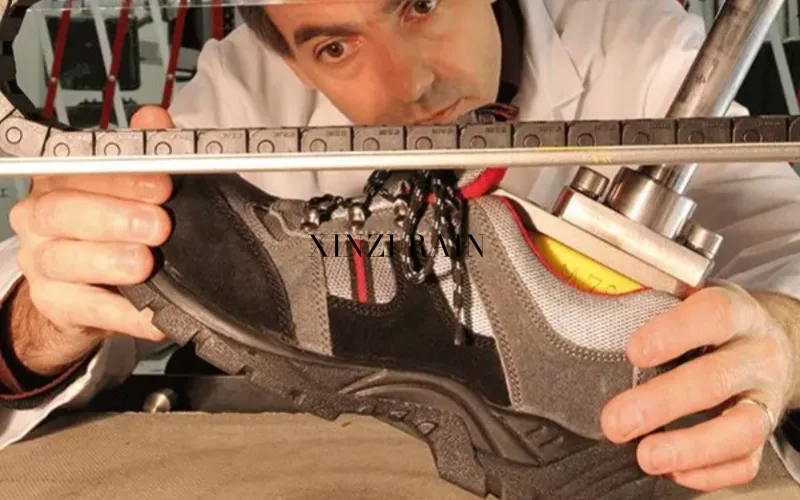
Reliability is not about size or price. It shows up in processes, communication, and accountability.
Clear and Professional Communication
Reliable manufacturers communicate clearly and proactively. They:
-
Ask detailed questions about design, materials, and target market
-
Provide structured feedback instead of vague answers
-
Document specifications, revisions, and confirmations in writing
Good communication early on often predicts smoother production later.
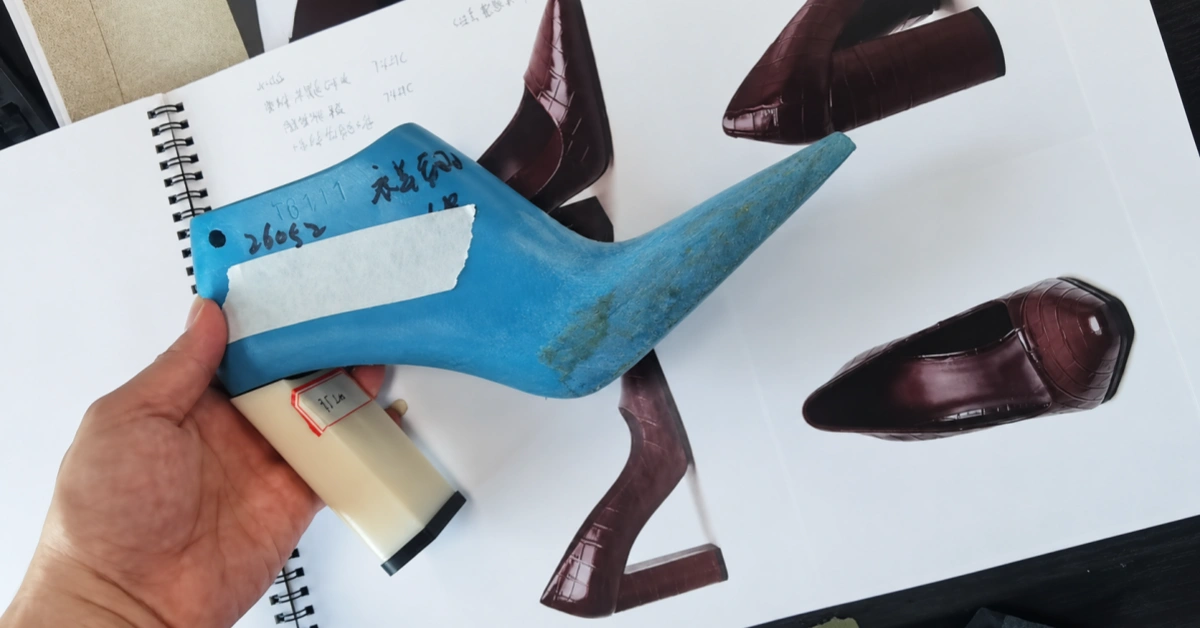
A Structured Sampling Process
Sampling is the foundation of custom footwear. Reliable manufacturers:
-
Understand tech packs, reference samples, or design sketches
-
Offer a clear sample timeline and revision structure
-
Treat sampling as a technical process, not a formality
Most importantly, they focus on sample-to-bulk consistency, not just making an attractive prototype.
Strong Material Knowledge and Sourcing Ability
Custom shoes depend heavily on materials. A reliable manufacturer:
-
Explains the differences between leather, PU, vegan, and alternative materials
-
Is transparent about suppliers and sourcing limitations
-
Understands compliance requirements for EU and US markets
If a supplier avoids material questions or cannot explain trade-offs, that’s a warning sign.
In-House Quality Control Systems
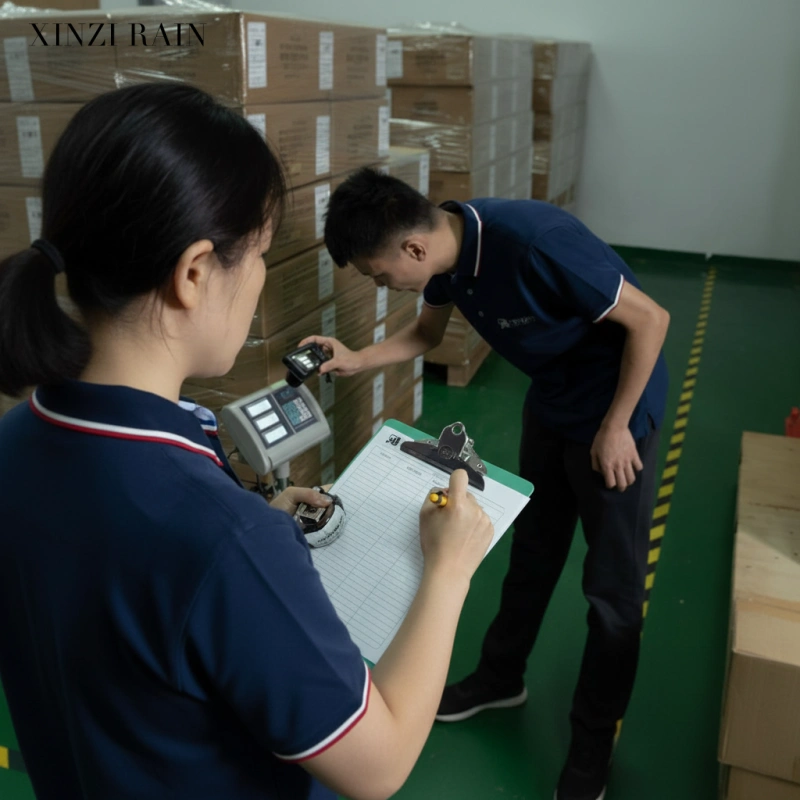
Quality is not something that happens at the end—it’s managed throughout production. Reliable factories typically have:
-
Defined QC checkpoints during production
-
Clear inspection standards
-
Procedures for handling defects or rework
Reliability means taking responsibility, not shifting blame.
Questions You Should Ask Before Placing a Custom Shoe Order
Before confirming any order, buyers should ask questions that reveal how the manufacturer actually operates:
-
Are you a direct manufacturer or an intermediary?
-
What is your typical MOQ for custom shoe development?
-
How do you manage revisions during sampling?
-
How do you ensure bulk production matches the approved sample?
-
What happens if quality issues appear after delivery?
The goal is not just the answers, but how clearly and confidently they are explained.
Common Red Flags to Watch Out For
When evaluating custom shoe manufacturers in China, be cautious if you notice:
-
Prices that seem unrealistically low
-
No clear sampling or revision process
-
Vague responses about materials or construction
-
Reluctance to discuss quality control or compliance
-
A one-time transaction mindset rather than long-term cooperation
Reliable manufacturers focus on sustainability and repeat business, not quick wins.
MOQ, Lead Time, and Cost: What Reliable Manufacturers Explain Clearly
MOQ, lead time, and pricing are often misunderstood. A reliable manufacturer will explain:
-
Why certain MOQs exist (materials, molds, labor efficiency)
-
The difference between sampling lead time and bulk production lead time
-
How costs are structured instead of just quoting a number
Transparency here builds trust and helps buyers plan realistically.
How Reliable Manufacturers Support Brand Growth
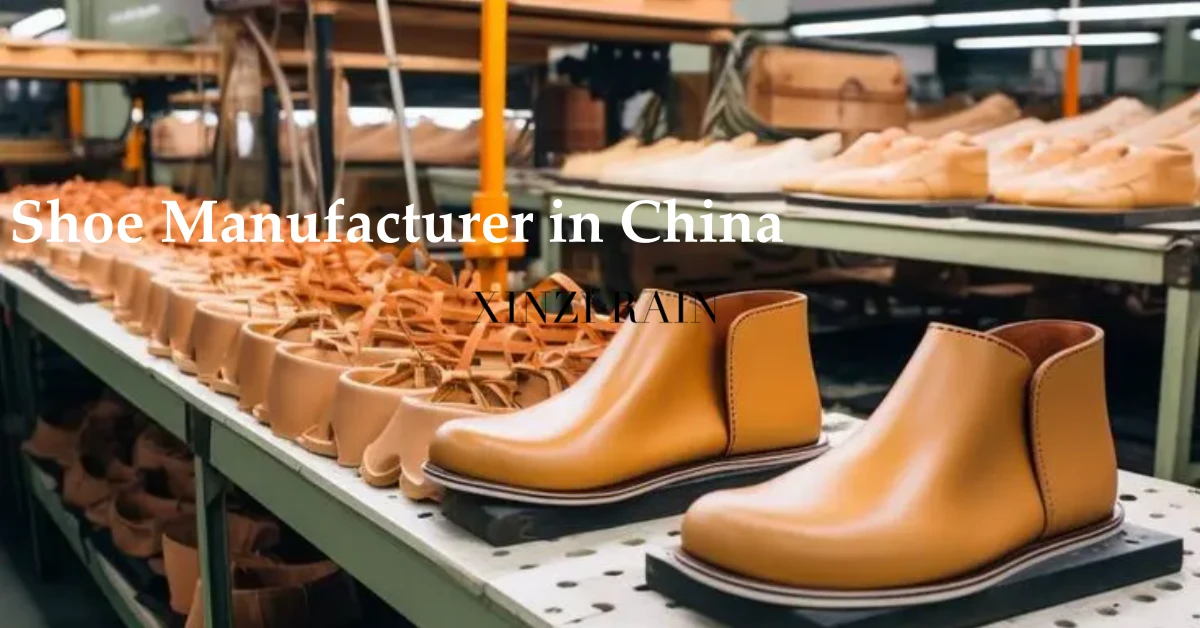
The best custom shoe manufacturers in China do more than produce shoes. Over time, they help brands by:
-
Suggesting construction or material optimizations
-
Improving cost efficiency as volumes scale
-
Maintaining consistent quality across reorders
-
Supporting long-term product development strategies
Reliability is measured not by a single order, but by how well a manufacturer grows with your brand.
Final Checklist: Choosing the Right Custom Shoe Manufacturer in China
Before making a decision, ask yourself:
-
Is communication clear and professional?
-
Is the sampling process structured and transparent?
-
Does the manufacturer understand materials and compliance?
-
Is quality control integrated into production?
-
Do they think in terms of a long-term partnership?
If most answers are yes, you are likely speaking with a reliable manufacturing partner.
Choosing Reliability Over Price
Custom shoes are more than just products—they represent your brand’s positioning, quality standards, and long-term reputation. While pricing is always a consideration, reliability is what ultimately determines whether a manufacturing partnership succeeds or fails.
Reliable custom shoe manufacturers in China do not simply take orders. They guide brands through development decisions, manage quality consistently, and support scalable production as the business grows. Choosing the right partner early can significantly reduce risk, shorten development cycles, and create long-term stability.
At XINZIRAIN, we work as a direct custom shoe manufacturer, collaborating closely with global brands, designers, and private label businesses throughout the entire development and production process. From early-stage concept discussions and sampling to bulk manufacturing and quality control, our role is to support brands with transparent communication, structured workflows, and manufacturing expertise built for long-term cooperation.
For buyers evaluating custom shoe manufacturers in China, reliability is not about promises—it’s about process, accountability, and partnership mindset. Taking the time to choose the right manufacturer will always pay off as your brand evolves.
Related articles:7 Best Shoe Manufacturers forEmerging & Growing Brands
FAQ
What is the difference between a shoe factory and a trading company in China?
A shoe factory handles sampling, production, and quality control in-house, while a trading company acts as an intermediary. Direct factories often provide better control for custom shoe development.
Are custom shoe manufacturers in China suitable for small brands or startups?
Yes. Many manufacturers support small brands through flexible MOQs, structured sampling, and private label or ODM services, depending on the product and materials.
What is the typical MOQ for custom shoes in China?
MOQ varies by design, materials, and construction. Reliable manufacturers clearly explain MOQ logic based on production efficiency rather than offering vague or inconsistent numbers.
How long does custom shoe sampling usually take?
Sampling typically takes several weeks, depending on design complexity and revisions. A structured sampling process is a key sign of a reliable manufacturer.
How can buyers ensure bulk production matches the approved sample?
Reliable manufacturers use defined production standards, in-process inspections, and final quality checks to maintain sample-to-bulk consistency.
Do Chinese custom shoe manufacturers handle quality control internally?
Established manufacturers operate internal QC systems with multiple checkpoints rather than relying solely on final inspection.
What compliance standards should custom shoes meet for EU and US markets?
Common requirements include material safety regulations such as REACH and CPSIA. Reliable manufacturers understand and communicate these standards clearly.
Is low pricing a good indicator of a reliable shoe manufacturer?
Not always. Extremely low prices often indicate compromises in materials, labor, or quality control, increasing long-term risk.
Can custom shoe manufacturers support reorders and scaling?
Yes. Long-term manufacturers plan production capacity and material sourcing to support reorders and brand growth.
How does XINZIRAIN fit into custom shoe manufacturing in China?
XINZIRAIN operates as a direct custom shoe manufacturer, supporting global brands with structured development, manufacturing, and quality control for long-term cooperation.