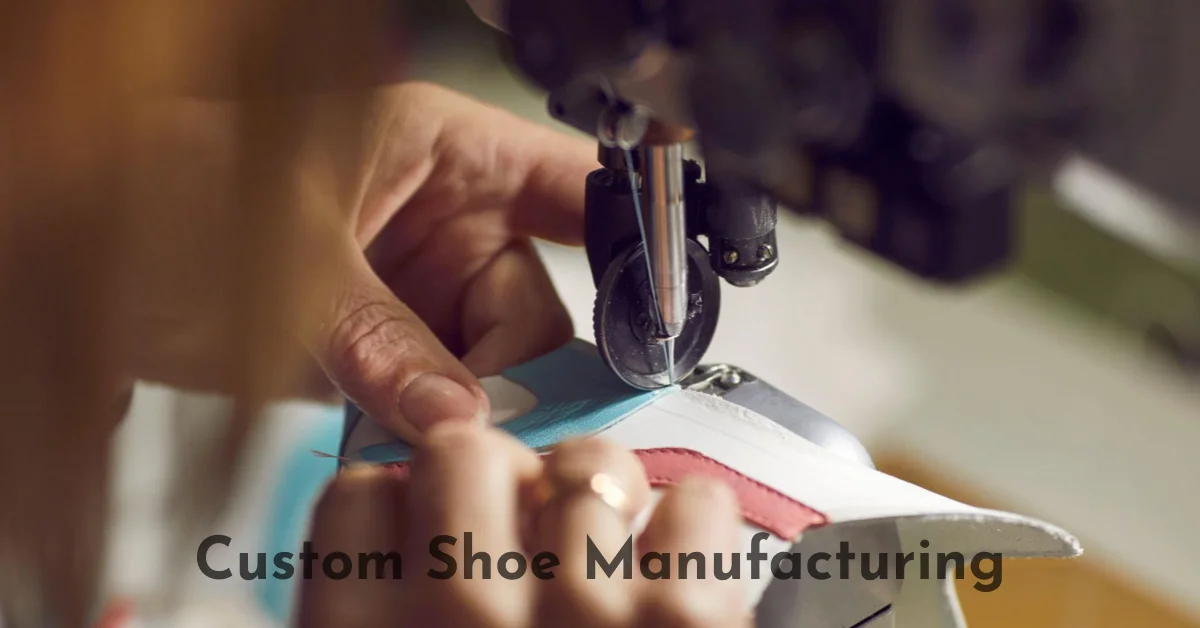

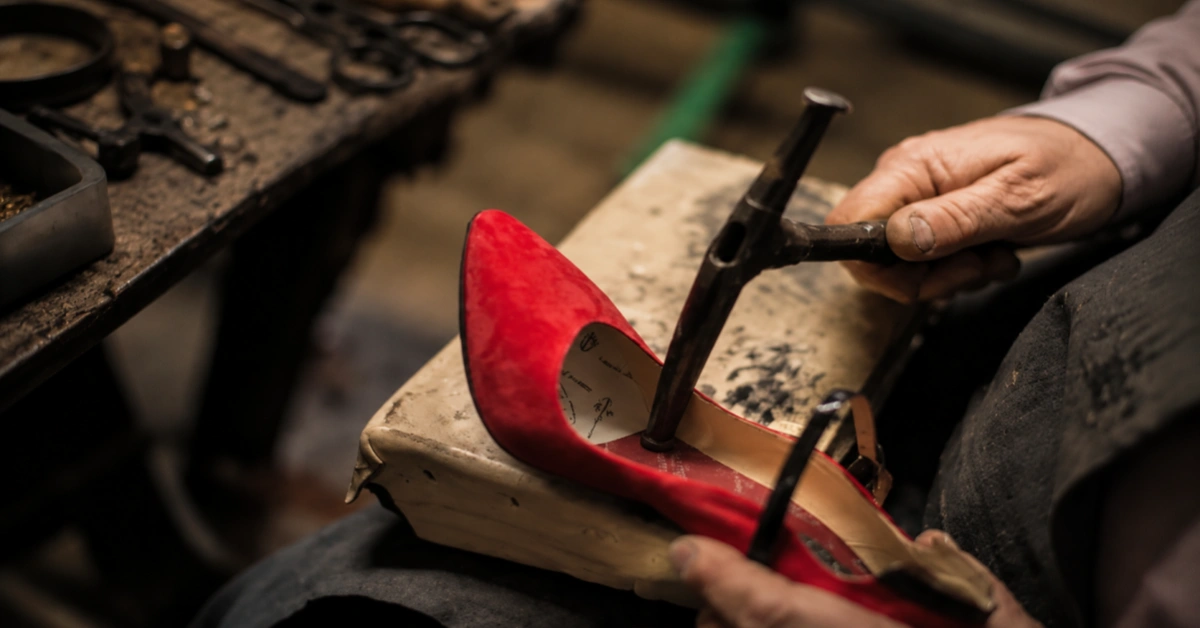

Building a successful footwear brand requires more than a creative design concept. Behind every successful footwear collection is a structured development process that combines brand vision, technical expertise, material knowledge, manufacturing capability, and quality management.
For independent designers, emerging fashion labels, and established brands expanding into footwear, choosing the right footwear manufacturing partner is one of the most important decisions in the entire product journey.
Many brands start their search by comparing factories based on price, production capacity, or location. However, footwear is a highly technical product. Every pair of shoes involves multiple components, construction methods, material performance, comfort considerations, and strict quality requirements.
A professional footwear manufacturing partner does more than produce finished products. They help brands transform ideas into commercially viable collections through product development, technical consultation, sample creation, production management, and long-term supply chain support.
Why Brands Need A Footwear Manufacturing Partner, Not Just A Factory
A factory provides production capability, but a manufacturing partner provides broader expertise throughout the product development process.
| Traditional Supplier | Footwear Manufacturing Partner |
|---|---|
| Focuses mainly on production orders | Supports development decisions and manufacturing strategy |
| Works after designs are finalized | Helps optimize designs before production |
| Short-term transaction relationship | Long-term collaboration with brands |
| Provides manufacturing capacity | Provides technical expertise and solutions |
What To Evaluate When Choosing A Footwear Manufacturing Partner
Product Development Capability
The first factor brands should evaluate is whether a manufacturer can support product development, not only production.
A capable footwear development partner understands that successful products require cooperation between creative direction and manufacturing knowledge.
Design Feasibility Review
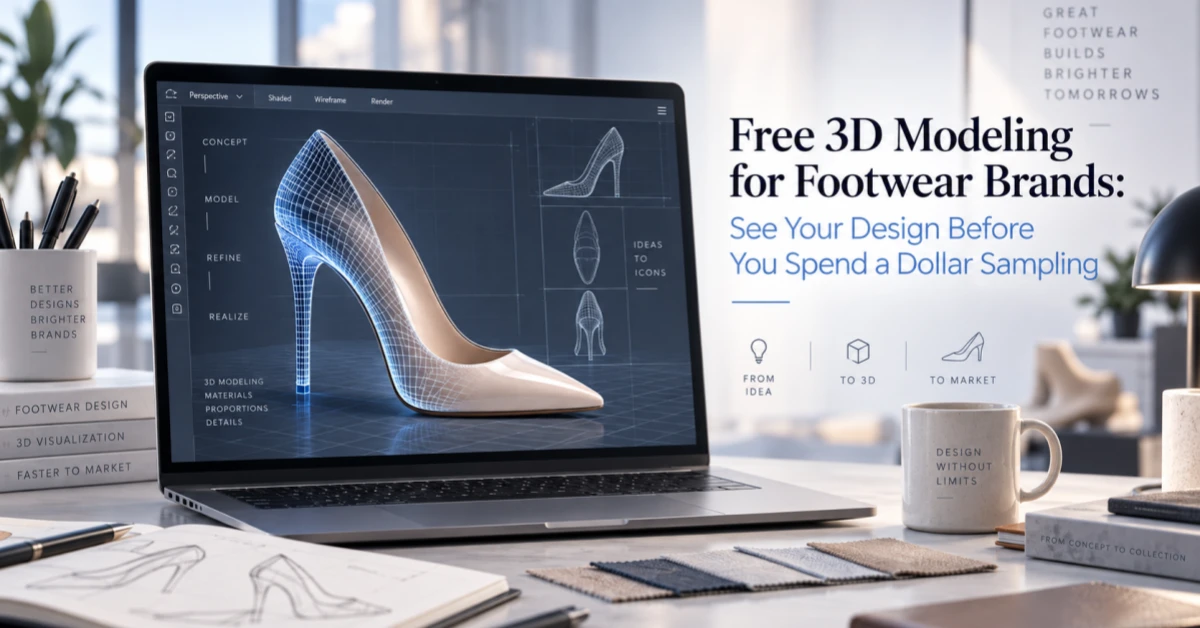
Professional footwear partners review design concepts before sampling begins. This includes analyzing sketches, reference images, materials, construction requirements, and target market positioning.
- Production feasibility analysis
- Construction recommendations
- Material suggestions
- Technical improvement advice
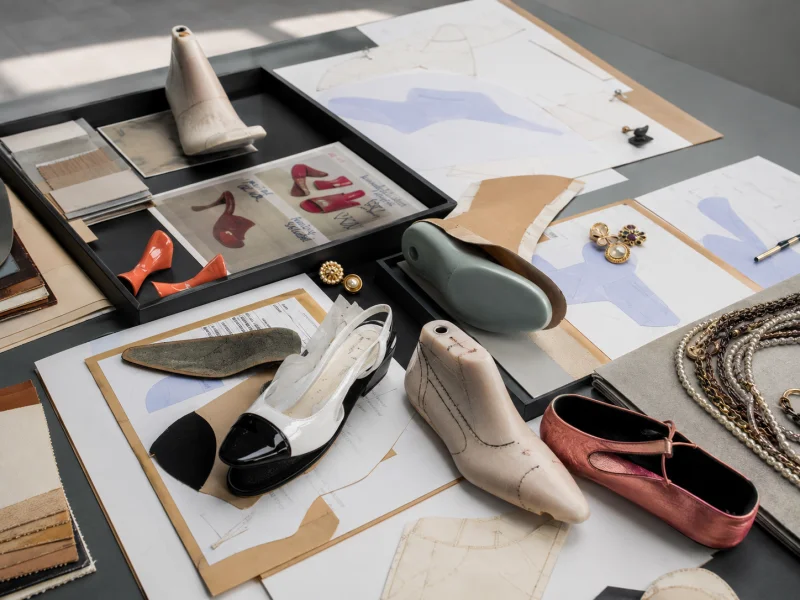
Technical Development And Pattern Making
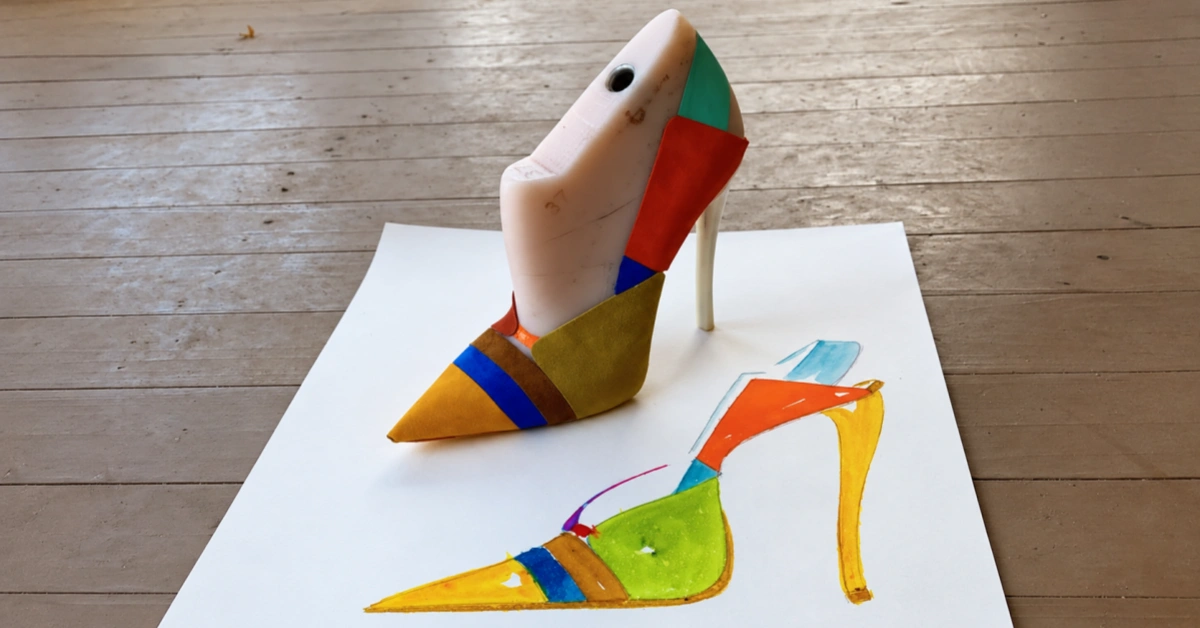
Footwear development requires specialized knowledge. Pattern creation, upper construction, sole matching, fitting adjustments, and prototype refinement influence the final product quality.
Manufacturing Expertise And Category Experience
Different footwear categories require different production knowledge. Brands should evaluate whether a manufacturer understands their specific product category.
- High heels require knowledge of heel stability, balance, comfort, and structure.
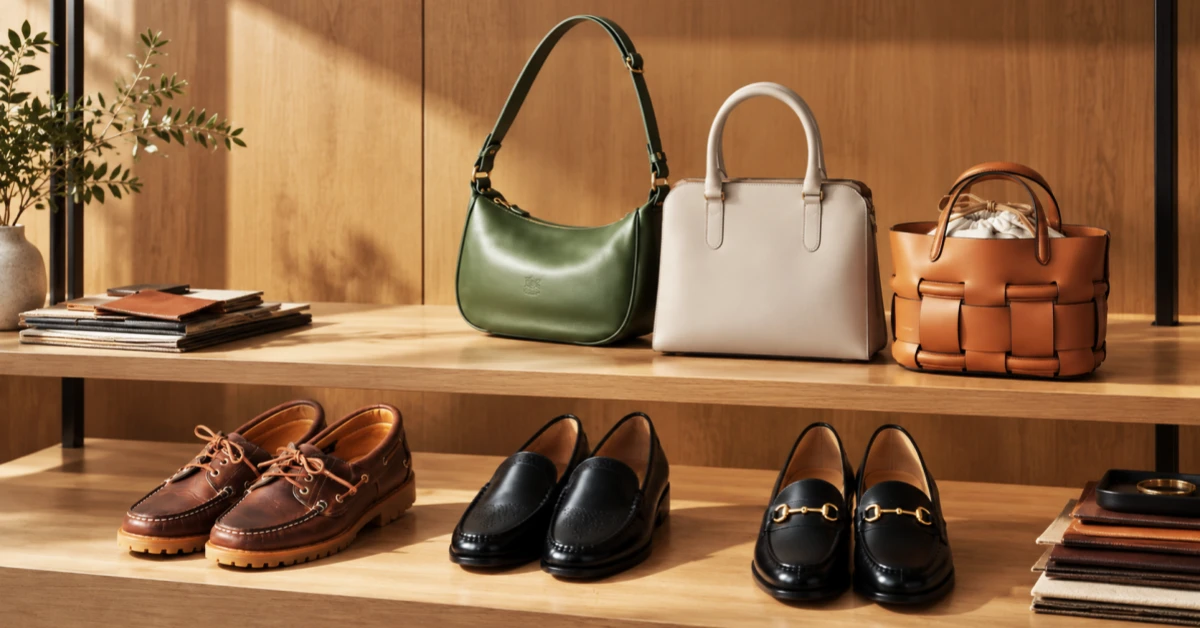
- Leather shoes require expertise in leather selection, cutting, and finishing.
- Loafers require attention to shape, comfort, and craftsmanship.
- Boots require structural support and durability.
Material Knowledge And Supply Chain Support
Materials directly influence footwear appearance, comfort, durability, and market positioning.
A reliable manufacturing partner helps brands select materials based on design goals, customer expectations, and production requirements.
| Material | Key Considerations |
|---|---|
| Genuine Leather | Texture, durability, premium appearance, finishing quality |
| Suede | Surface consistency and production handling |
| Vegan Materials | Performance requirements and design flexibility |
| Hardware Components | Quality, durability, and brand presentation |
Sampling And Prototype Development Ability
Sampling is a critical stage because it allows brands to validate products before larger production commitments.
A professional partner should support prototype creation, material confirmation, construction testing, sample improvement, and final approval preparation.
The Footwear Manufacturing Partnership Process
Stage 1: Initial Project Review
The process begins by understanding the brand vision, target customers, product category, design requirements, and expected market positioning.
Stage 2: Technical Assessment
The manufacturer evaluates whether the design can be produced efficiently and recommends suitable construction methods and materials.
Stage 3: Sample Development
Prototype samples allow brands to review appearance, comfort, material performance, and production feasibility.
Stage 4: Production Preparation
After approval, specifications, materials, quality requirements, and production planning are confirmed.
Stage 5: Quality Inspection And Delivery
Finished products are inspected before shipment to ensure consistency with approved samples.
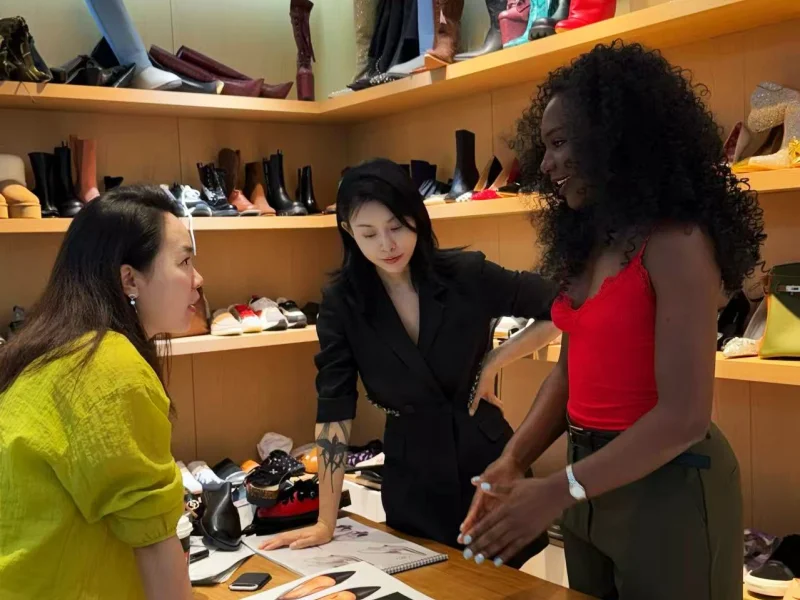
How International Brands Work With A Footwear Manufacturer
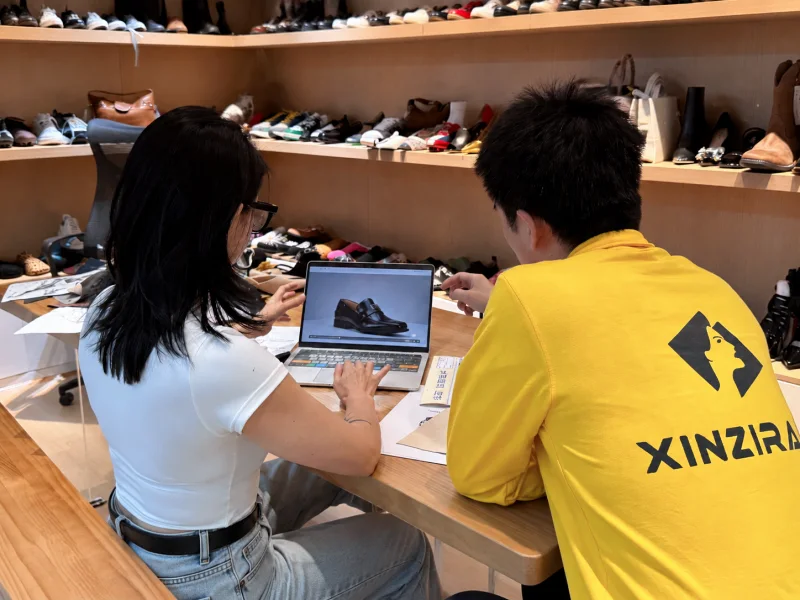
Many overseas footwear brands cooperate with manufacturers remotely. A professional workflow allows international projects to move efficiently through clear communication and structured development stages.
Brands usually provide:
- Design sketches or reference images
- Technical requirements
- Material preferences
- Target quantity information
- Brand positioning details
The manufacturing partner supports the project through technical feedback, sample communication, production updates, and quality confirmation.
How The Right Manufacturing Partner Reduces Production Risks
| Risk Area | Partner Support |
|---|---|
| Design Risk | Reviews feasibility and improves concepts before production |
| Quality Risk | Uses structured inspection procedures |
| Timeline Risk | Provides development planning and production coordination |
| Supply Chain Risk | Supports material sourcing and manufacturing management |
What Growing Footwear Brands Should Prepare Before Manufacturing
Before contacting a footwear manufacturing partner, brands can improve efficiency by preparing key project information.
- Brand positioning and target customers
- Product references or original concepts
- Preferred materials and design direction
- Expected production quantity
- Target launch timeline
Clear preparation helps manufacturers understand project requirements and provide more accurate development recommendations.
Long-Term Manufacturing Partnership For Collection Growth
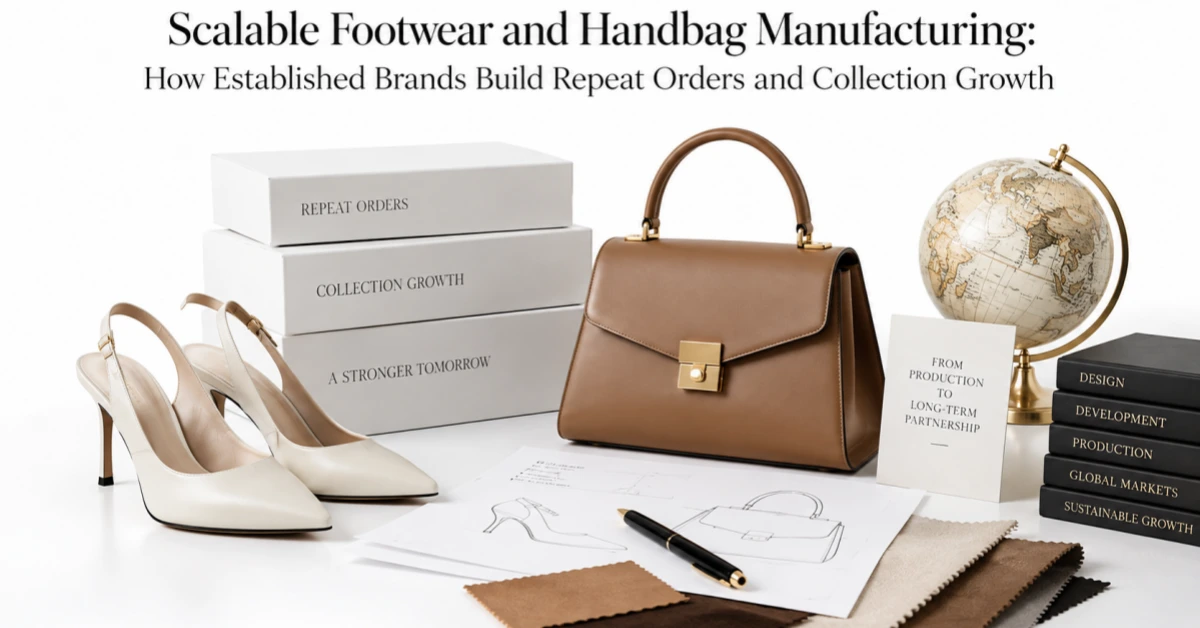
The value of a manufacturing partner extends beyond the first production order. Growing footwear brands often need continuous support for new collections, seasonal products, and market expansion.
A long-term partnership allows brands to improve efficiency through:
- Faster product development
- Consistent quality standards
- Better understanding of brand requirements
- Improved production planning
Common Mistakes When Choosing A Shoe Manufacturer
Choosing Only Based On Price
Price is important, but brands should also consider technical capability, quality consistency, communication, and long-term reliability.
Selecting A Manufacturer Without Relevant Experience
Experience with similar footwear categories helps reduce development problems.
Skipping Sample Validation
Samples allow brands to evaluate design, comfort, materials, and construction before bulk production.
Why Brands Choose HERRAINS As Their Footwear Manufacturing Partner
HERRAINS works as a footwear development and manufacturing partner, helping brands move from concept validation to scalable production.
Our support includes:
- Custom footwear development
- Prototype and sample creation
- Material and construction guidance
- Production management
- Quality control support
We believe manufacturing is not only about producing shoes. It is about helping brands create reliable products and build long-term market growth.
Frequently Asked Questions
What makes a good footwear manufacturing partner?
A good partner combines technical capability, development experience, quality systems, and transparent communication.
Should brands choose a manufacturer only by price?
No. Brands should evaluate overall value including quality, support, reliability, and cooperation potential.
Can a footwear manufacturer help improve my design?
Yes. Experienced manufacturers can provide technical recommendations to improve production feasibility.
4. When should I contact a footwear manufacturing partner?
Brands should involve manufacturing expertise during the development stage.
What information should I prepare before contacting a manufacturer?
Prepare design references, customer positioning, materials, quantity expectations, and project goals.
What is the difference between custom footwear and private label footwear?
Custom footwear focuses on original product development, while private label usually modifies existing solutions with branding.
How does sample development work?
Sample development includes technical review, prototype creation, feedback, adjustment, and final approval.
How can brands reduce footwear production risks?
Brands can reduce risks through supplier evaluation, sample validation, clear communication, and quality control.
Can a manufacturing partner support future collections?
Yes. Long-term partners can support repeat orders, new styles, and collection expansion.
What should brands look for in a custom shoe manufacturer?
Brands should evaluate development ability, category expertise, quality management, communication, and partnership potential.