

Introduction — Build Your Handbag Line with the Right Manufacturing Partner
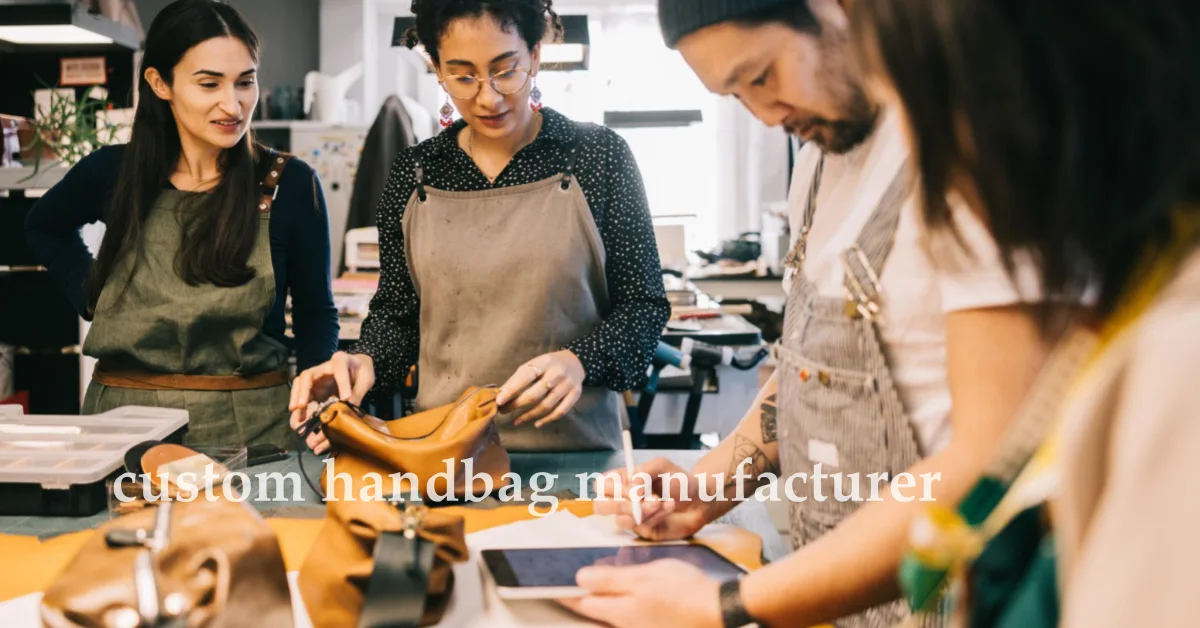
Choosing the right custom handbag manufacturer is one of the most critical decisions for any fashion brand, retailer, or distributor. Whether you are launching a new collection or scaling an existing product line, your manufacturing partner directly impacts product quality, lead time, and brand consistency.
At XINZIRAIN, through our dedicated bag division BAGSRAIN, we support brands across Europe, North America, and the Middle East with full-service OEM, ODM, and private label handbag manufacturing solutions.
From concept development to global delivery, everything is handled in one place—so you can focus on building your brand.
OEM vs ODM: Understanding Custom Handbag Production Models
When working with a custom handbag manufacturer, understanding the difference between OEM and ODM is essential.
Custom Handbag OEM (Original Equipment Manufacturing)
OEM is ideal if you already have a complete design.
You provide tech packs, sketches, or samples
We handle material sourcing and production
Full control over design and branding
This model is commonly used by established brands that require precise execution.
Custom Handbag ODM (Original Design Manufacturing)
ODM is designed for brands that want to move faster.
Choose from existing proven designs
Customize materials, colors, and branding
Reduce development time and cost
This approach is widely used by startups and growing brands entering the market quickly.
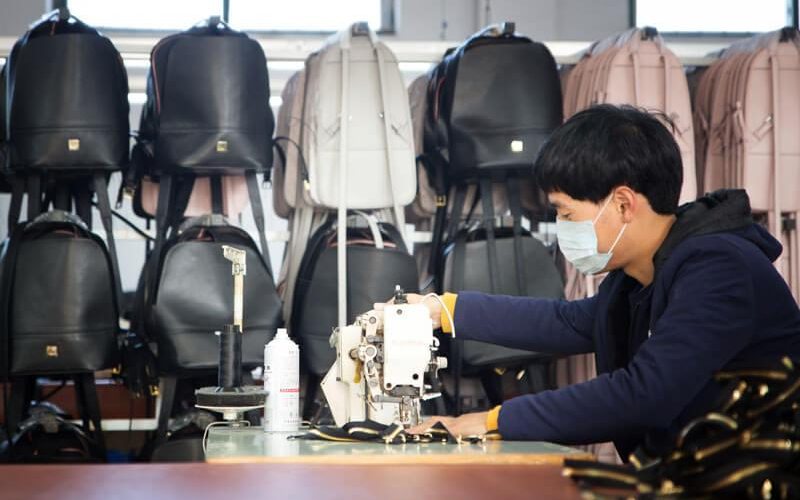
OEM vs ODM: Which One Should You Choose?
Choose OEM if your brand has a clear design vision
Choose ODM if you want speed and lower development risk
Combine both for flexible product strategy
Private Label Bags Supplier: Build a Brand Without Starting from Zero
Working with a private label bags supplier allows you to launch products faster while maintaining a strong brand identity.
Instead of developing products from scratch, you can select from ready-to-produce designs and customize:
- Logo application (embossed, metal plate, print)
- Materials (leather, vegan leather, specialty fabrics)
- Colors and finishes
- Packaging and inserts
- Private Label Clutch Bags Manufacturer for High-Margin Products
Clutch bags and evening handbags are among the most profitable categories in fashion retail.
As a private label clutch bags manufacturer, we help brands:
- Develop high-end clutch collections
- Create premium packaging experiences
- Maintain consistent quality across batches
If you are targeting boutique or luxury positioning, working with a private label high-end clutch factory can significantly increase your brand value.
What Makes a Reliable Custom Handbag Factory?
Not all custom handbag manufacturers operate at the same level. A reliable partner should provide more than production capacity.
At XINZIRAIN, we focus on:
- In-house design and development support
- Stable material supply chain
- Strict quality control (stitching, edge finishing, hardware consistency)
- Compliance with EU and US regulations (REACH, Prop 65)
- Clear communication and project management
This ensures your products meet both market expectations and regulatory requirements.
Types of Bags You Can Develop with a Custom Handbag Manufacturer
A professional OEM bag manufacturer should support a wide range of product categories:
- Tote bags for retail and lifestyle brands
- Crossbody bags for everyday functionality
- Backpacks for travel and urban markets
- Wallets and small leather goods
- Travel bags and duffle bags
- Clutch and evening bags
Each category can be customized based on your brand positioning and target market.
MOQ, Lead Time, and Production Expectations
Understanding production expectations helps avoid delays and miscommunication.
Typical parameters:
MOQ: Flexible depending on product type
Sampling: 20–25 working days
Bulk production: 30–45 working days
Our process is designed to balance efficiency with quality, ensuring your products are ready for market on time.
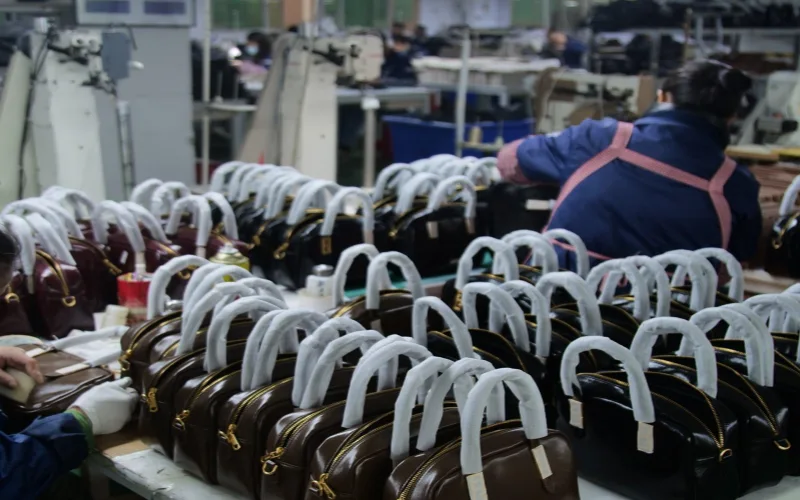
How to Choose the Right Custom Handbag Manufacturer
When comparing custom handbag manufacturers, consider:
Experience with international brands
Ability to meet compliance standards
Communication efficiency
Sampling accuracy and consistency
Long-term production stability
Avoid choosing solely based on price. The lowest cost often leads to higher risks in quality and delivery.
Case Insight: From Concept to Market
A European client approached us with a concept for a premium leather tote collection.
We supported them through:
Material selection aligned with brand positioning
Structural optimization for durability
Logo integration and packaging design
Sampling and iterative refinement
Bulk production and global shipping
The result was a market-ready product line that met both design expectations and commercial targets.
Start Your Project with a Trusted Custom Handbag Manufacturer
If you are looking for a custom handbag manufacturer that understands both design and production, we are ready to support your project.
You can start by:
- Sending your tech pack or reference images
- Requesting a material consultation
- Getting a clear sampling and MOQ plan
- Start Your Custom Handbag Project Today
Or talk to our development team to get a tailored production plan for your brand.
FAQ — Custom Handbag Manufacturing
Q1: What is the MOQ for custom handbags?
MOQ depends on the product type and customization level. We offer flexible solutions for both startups and established brands.
Q2: How long does handbag sampling take?
Typically 20–25 working days, depending on complexity.
Q3: Can I create private label clutch bags?
Yes, we support full private label customization including branding and packaging.
Q4: Do you support both OEM and ODM?
Yes, we provide both services and can combine them based on your needs.
Q5: What materials can be customized?
We offer a wide range including genuine leather, vegan leather, and specialty materials.