

Quick Answer
China and India are both major players in global footwear manufacturing, but they serve different types of buyers. China offers stronger supply chain integration, faster product development, greater customization capabilities, and more mature OEM/ODM manufacturing ecosystems. India is well known for leather craftsmanship and competitive labor costs, particularly in traditional leather footwear and leather goods.
For brands developing custom footwear, private label shoes, fashion handbags, or low MOQ collections, China generally provides greater flexibility, shorter development cycles, and broader material sourcing options. India can be a suitable choice for specific leather-focused products where handcrafted production is a priority.
Key Takeaways
- China offers the world's most complete footwear and bag manufacturing ecosystem.
- India has strengths in leather production and traditional craftsmanship.
- China typically provides faster sampling and product development.
- Low MOQ production is generally easier to achieve in China.
- China remains the preferred choice for brands requiring custom footwear and bag manufacturing.
- Supply chain efficiency often matters more than labor cost alone.
Why Brands Compare China and India for Manufacturing
As labor costs continue to rise globally, many footwear and fashion brands are evaluating different sourcing destinations.
The comparison between China and India frequently comes up during supplier selection because both countries have long histories in footwear production and export manufacturing.
However, manufacturing cost is only one part of the equation.
Brands must also consider:
- Product development capability
- Material sourcing
- Lead times
- Quality consistency
- MOQ flexibility
- Supply chain stability
- Communication efficiency
The best manufacturing partner is rarely the one with the lowest factory price. It is usually the one that helps reduce overall business risk.
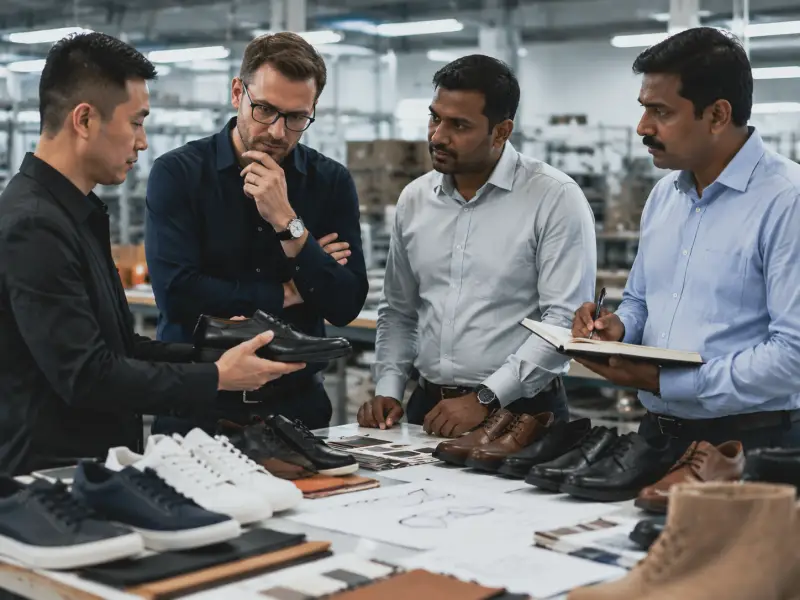
China vs India Footwear Manufacturing at a Glance
| Factor | China | India |
|---|---|---|
| Supply Chain Depth | Excellent | Good |
| Material Availability | Excellent | Good |
| OEM Manufacturing | Excellent | Moderate |
| ODM Development | Excellent | Limited |
| Sample Development Speed | Fast | Moderate |
| Production Scalability | Excellent | Good |
| Leather Expertise | Strong | Strong |
| Low MOQ Capability | Excellent | Moderate |
| Automation Level | High | Moderate |
| Global Export Experience | Excellent | Good |
The Biggest Difference: Supply Chain Integration
One of the most important differences between China and India is supply chain maturity.
In major manufacturing regions such as Guangdong, Fujian, Zhejiang, and Sichuan, footwear factories often operate within highly concentrated industrial clusters.
Within a short distance, manufacturers can access:
- Outsole suppliers
- Leather suppliers
- Fabric suppliers
- Hardware manufacturers
- Packaging companies
- Mold factories
- Testing laboratories
This ecosystem significantly reduces development time.
In contrast, sourcing materials across multiple regions can increase coordination complexity and extend lead times.
Material Sourcing Comparison
China's Advantage
China offers one of the broadest material selections available globally.
Brands can source:
Footwear Materials
- Full-grain leather
- Top-grain leather
- Suede
- Nubuck
- Mesh fabrics
- Recycled textiles
- Knit uppers
- Vegan leather
- TPU components
Bag Materials
- Genuine leather
- PU leather
- Microfiber leather
- Recycled materials
- Canvas
- Nylon
- Premium hardware
This extensive material ecosystem allows brands to develop highly customized products without relying on multiple countries.
India's Strength
India is particularly recognized for:
- Cowhide leather
- Buffalo leather
- Vegetable-tanned leather
- Traditional leather craftsmanship
For brands focused primarily on leather products, India offers strong sourcing options.
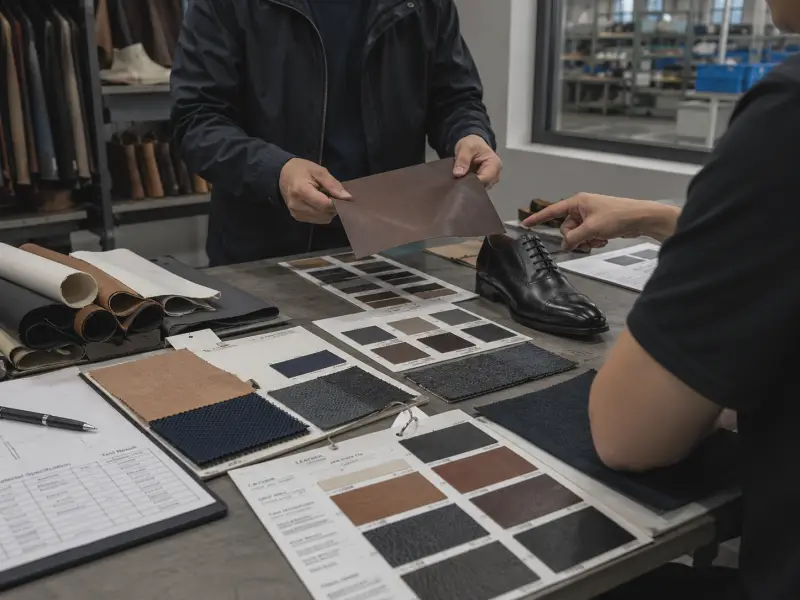
Product Development Capability
Product development is where many startup brands encounter challenges.
Most new brands require assistance with:
- Sketch refinement
- Tech pack development
- Material selection
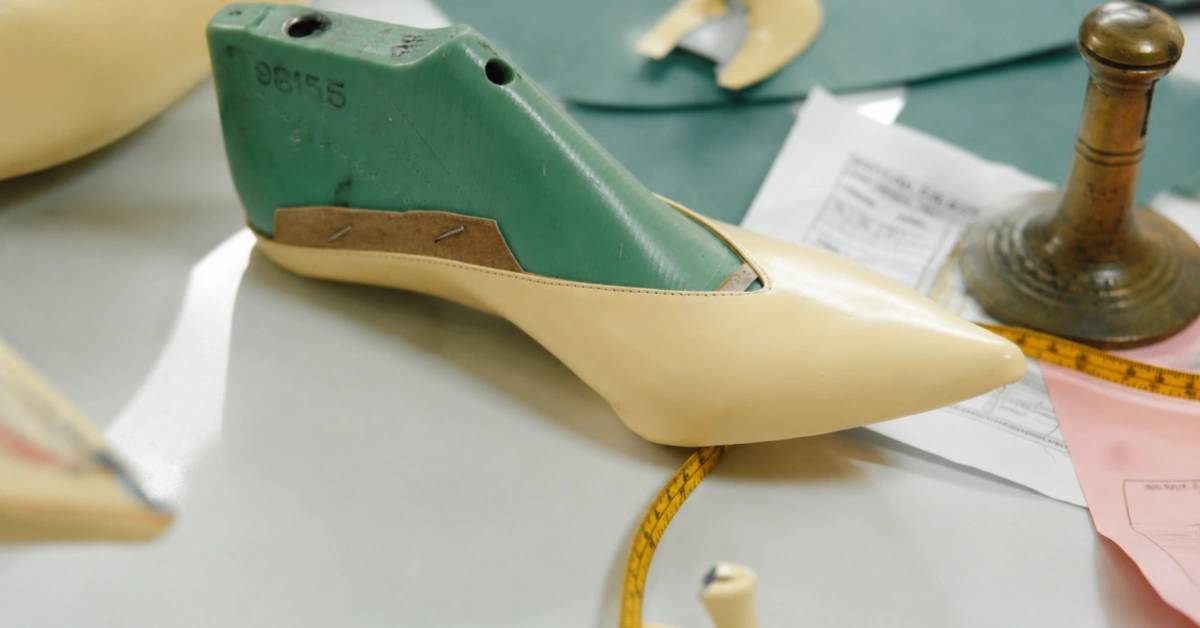
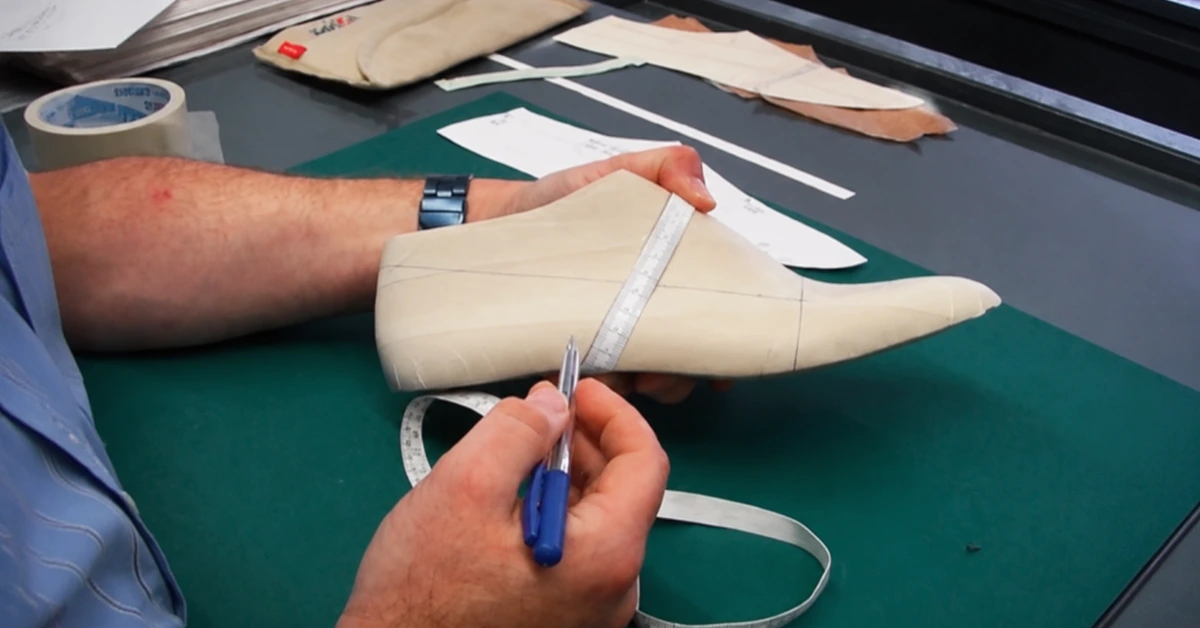
- Pattern making
- Sample construction
- Fit testing
- Cost optimization
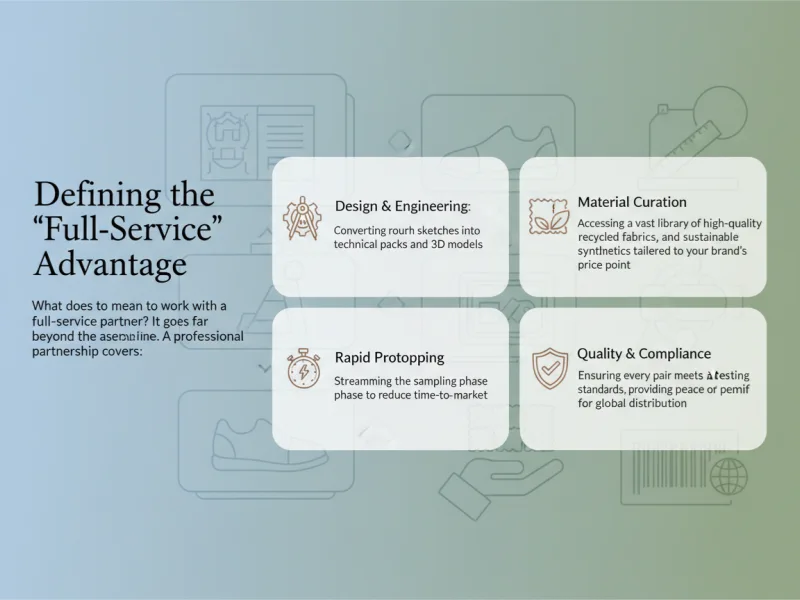
China's manufacturing ecosystem has evolved beyond simple production.
Many modern footwear and bag manufacturers provide:
- In-house design teams
- Pattern engineers
- Material sourcing support
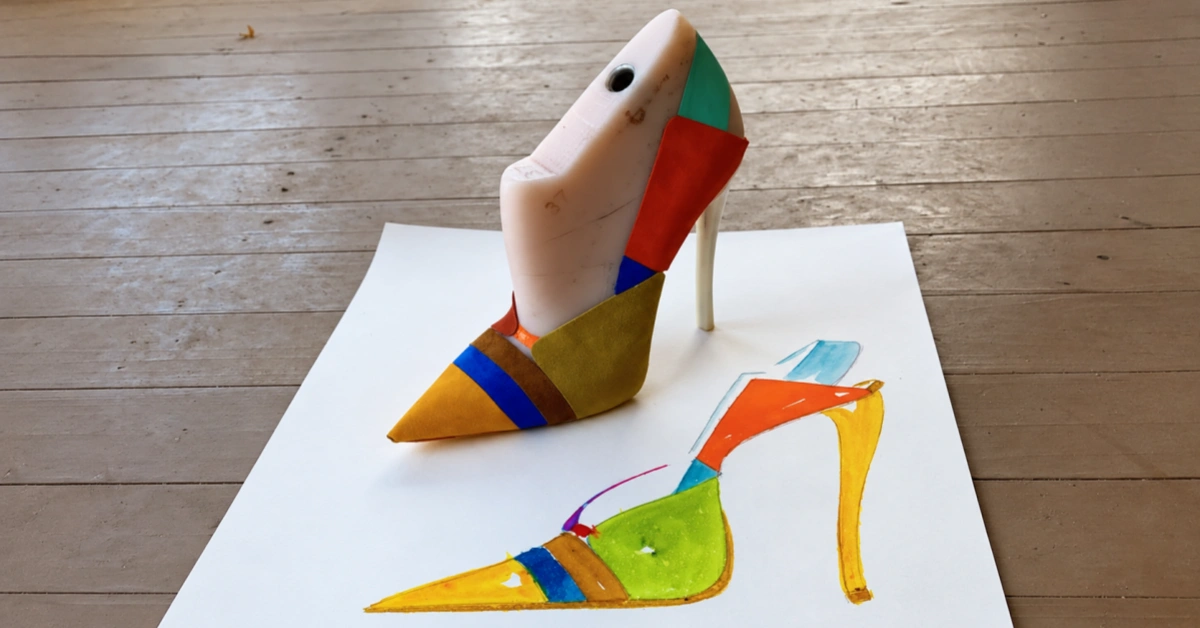
- Prototype development
- Sample revision services
This is particularly valuable for brands without internal product development teams.
Sampling Speed and Time-to-Market
Speed matters in fashion.
A delayed product launch can mean missing an entire season.
| Development Stage | China | India |
| Material Sourcing | Faster | Moderate |
| Prototype Development | Faster | Moderate |
| Sample Revision | Faster | Moderate |
| Bulk Production Start | Faster | Moderate |
For many fashion brands, reducing development time by several weeks can generate significantly more value than small labor cost savings.
Low MOQ Manufacturing: A Key Advantage for Startups
One of the most common concerns among emerging brands is inventory risk.
Many startups need:
- Market testing
- Limited collections
- Small production runs
- Flexible replenishment
China's mature supplier network often allows factories to support lower MOQ projects.
Typical low MOQ opportunities include:
| Product Type | Typical MOQ |
| Custom Sandals | 50–100 Pairs |
| Fashion Footwear | 50–100 Pairs |
| High Heels | 100–200 Pairs |
| Leather Handbags | 50–100 Pieces |
This flexibility enables brands to validate products before making larger inventory commitments.
Quality Control Systems
Quality control is another area where manufacturing ecosystems matter.
A professional footwear and bag manufacturer should implement:
Incoming Material Inspection
Verification of:
- Leather quality
- Color consistency
- Hardware specifications
- Material performance
In-Process Inspection
Monitoring:
- Stitching quality
- Assembly accuracy
- Construction consistency
Final Inspection
Checking:
- Appearance
- Dimensions
- Packaging
- Functionality
China's export-focused manufacturing sector has invested heavily in quality management systems designed for North American and European markets.
Labor Cost vs Total Manufacturing Cost
Many sourcing decisions focus heavily on labor cost comparisons.
However, experienced buyers understand that labor cost is only one component of total landed cost.
Other factors include:
- Development efficiency
- Sampling costs
- Material availability
- Shipping expenses
- Rework rates
- Quality issues
- Communication delays
A lower factory price does not always result in a lower overall project cost.
Which Country Is Better for Different Types of Brands?
| Brand Type | Recommended Country |
| Startup Footwear Brands | China |
| Private Label Shoe Brands | China |
| Custom Sandal Brands | China |
| Fashion Handbag Brands | China |
| Leather Craft Brands | India |
| Luxury Leather Goods | India or China |
| Fast Fashion Brands | China |
| Performance Footwear Brands | China |
Expert Insight
After working with footwear and bag brands across North America, Europe, Australia, and the Middle East, one trend remains consistent.
The brands that scale successfully are not necessarily those that find the cheapest factory.
They are the brands that partner with manufacturers capable of supporting product development, quality control, supply chain management, and long-term growth.
Manufacturing is ultimately about reliability and execution.
Conclusion
India remains an important manufacturing destination, particularly for leather products and traditional craftsmanship.
However, for most modern footwear and bag brands, China continues to offer significant advantages in supply chain depth, product development, material sourcing, low MOQ flexibility, and manufacturing scalability.
For brands seeking custom footwear manufacturing, private label bag production, OEM development, or rapid product launches, China remains one of the most complete manufacturing ecosystems available today.
FAQ
Is China cheaper than India for footwear manufacturing?
Not always. Labor costs may be lower in India, but China's supply chain efficiency can reduce total project costs.
Which country is better for custom footwear manufacturing?
China is generally better for custom footwear development due to stronger OEM and ODM capabilities.
Is India good for leather shoes?
Yes. India has strong leather resources and a long tradition of leather craftsmanship.
Which country offers lower MOQ production?
China generally provides more flexibility for low MOQ footwear and bag manufacturing.
Is China better for startup brands?
In many cases, yes. China's development support and supply chain network are often beneficial for startups.
Which country has faster sampling?
China typically offers faster sample development and revisions.
Can both countries produce luxury products?
Yes. Both China and India can manufacture premium products depending on the factory and project requirements.
Which country is better for private label shoes?
China is usually preferred due to its broader manufacturing ecosystem.
Which country has better material sourcing?
China generally offers more material options across footwear and bag categories.
How should brands choose between China and India?
Brands should evaluate product type, customization requirements, MOQ needs, development support, lead times, and long-term scalability rather than focusing solely on labor costs.

Start Your Footwear or Bag Project
Looking for a reliable manufacturing partner for custom footwear or bags?
HERRAINS, backed by XINZIRAIN's 25+ years of manufacturing experience, helps brands develop, sample, and produce custom footwear and bags through flexible OEM, ODM, and private label manufacturing solutions.
Contact our team today to discuss your project requirements and receive a customized manufacturing proposal.