

A Footwear Manufacturer’s Perspective on Fit, Structure, and Design
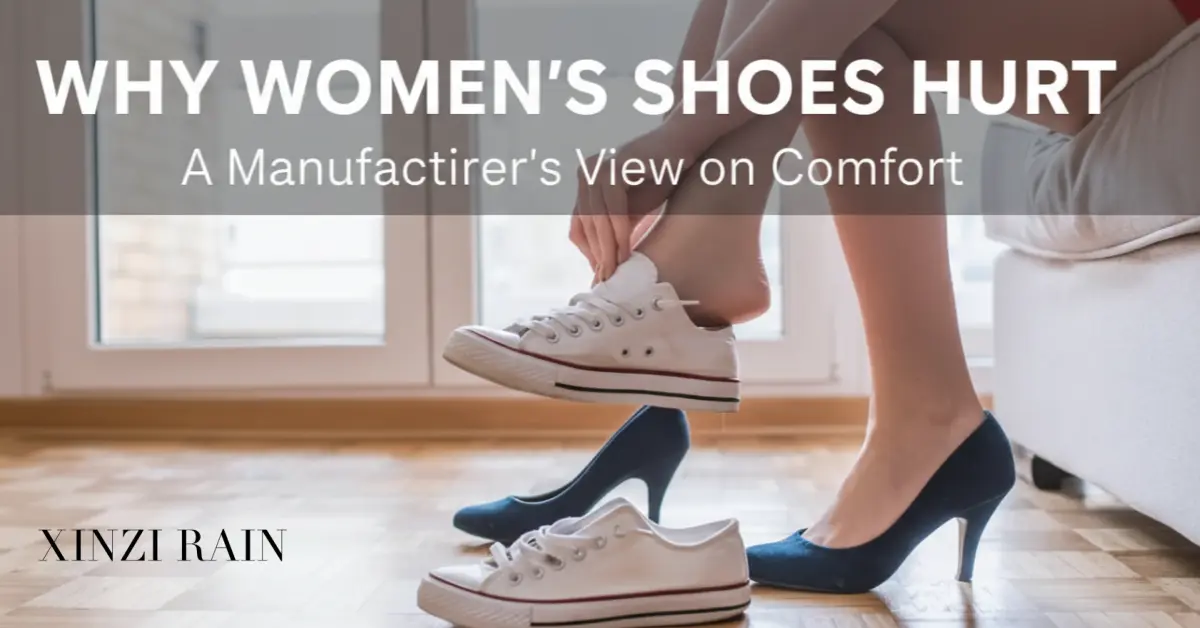
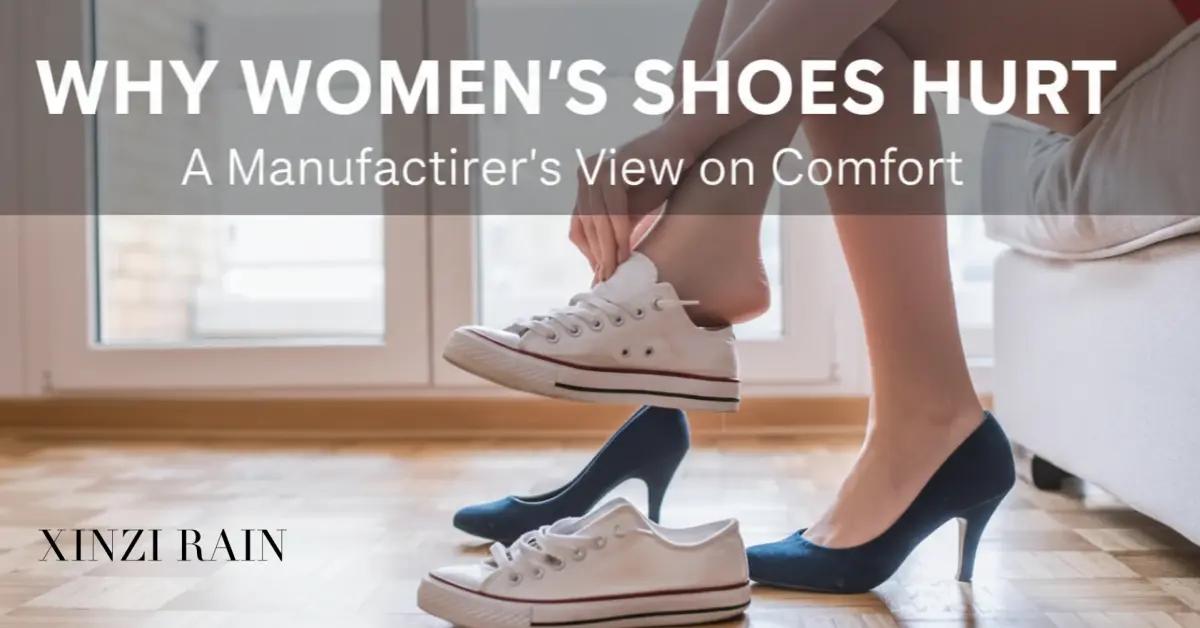
For many women, the moment they first try on men’s shoes is unexpectedly eye-opening.
There is room for the toes to spread naturally.
The forefoot feels stable instead of compressed.
Under the insole, there is actual arch support—something rarely found in women’s shoes at the same price point.
From a manufacturing perspective, this experience reveals a deeper truth:
The discomfort of women’s shoes is not accidental—it is structural.
At XINZIRAIN, where we develop and manufacture women’s footwear for international brands, we see this pattern repeatedly. The issue is not women’s feet. The issue lies in how women’s shoes are designed, engineered, and prioritized throughout the product development process.
The Real Difference Between Men’s and Women’s Shoes Starts at the Factory
From the outside, men’s and women’s shoes may look like variations of the same product. Inside the factory, however, they often follow very different development logic.
In most mass-market supply chains:
-
Men’s shoes are treated as durable functional products
-
Women’s shoes are treated as fashion-driven seasonal items
This single assumption shapes everything downstream—from last development to material allocation.
Last Design: Where Comfort Is Either Won or Lost
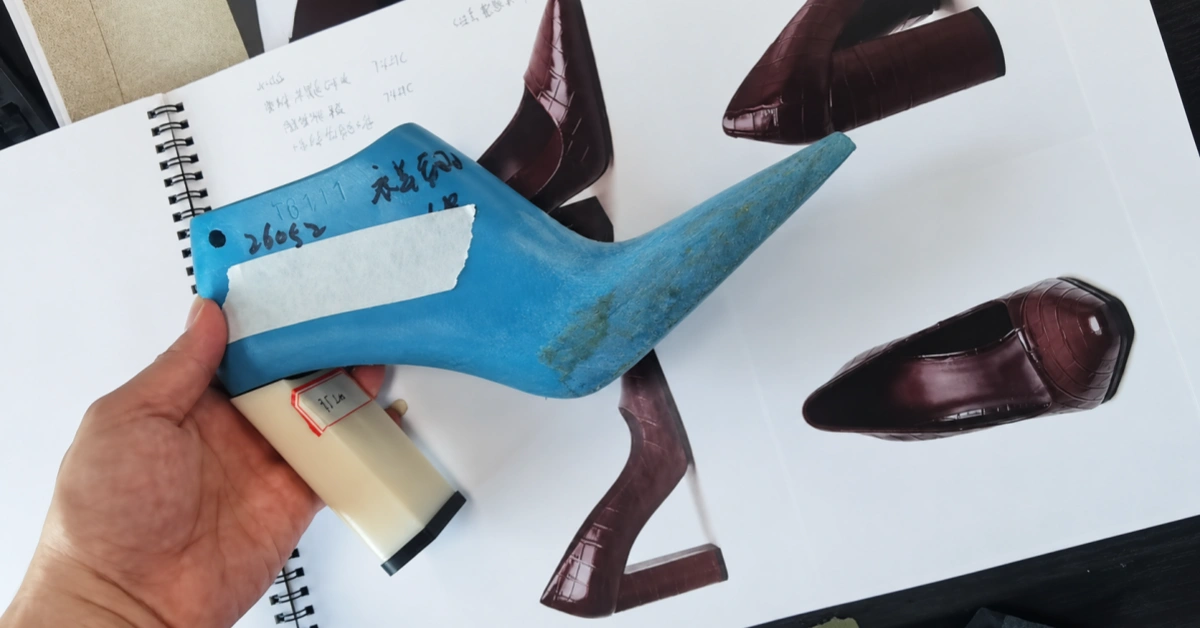
The shoe last is the foundation of comfort. Yet in women’s footwear, it is often designed to serve visual expectations, not anatomical reality.
Many women’s lasts are:
-
Narrow in the forefoot
-
Tapered aggressively at the toe
-
Scaled down uniformly across sizes
From an engineering standpoint, this creates unavoidable problems:
-
Toe compression
-
Uneven pressure distribution
-
Reduced stability during walking
In contrast, men’s lasts typically prioritize:
-
Forefoot width
-
Toe splay allowance
-
Weight-bearing balance
At XINZIRAIN, when developing women’s shoes for brands that prioritize comfort, we often start by rebuilding or adjusting the last, rather than “fixing” discomfort later with padding or softer insoles—which rarely solves the root problem.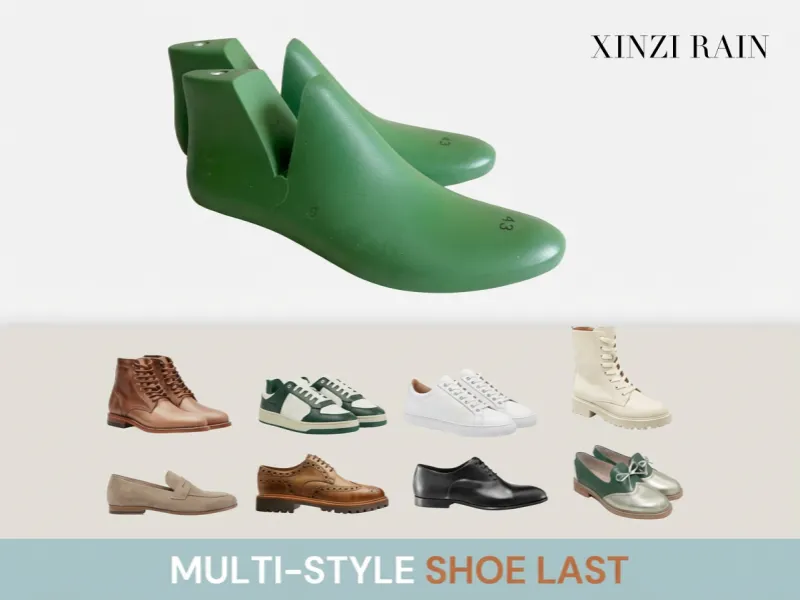
Material Allocation: Where Cost Decisions Become Comfort Issues
In women’s footwear, cost pressure is often absorbed by components that are not immediately visible:
-
Thinner insoles
-
Reduced midsole density
-
Simplified internal structure
-
Stiffer linings
From a manufacturing perspective, these changes may look minor on a spec sheet, but they directly affect:
-
Shock absorption
-
Long-term wearability
-
Foot fatigue after extended use
Men’s shoes, even at similar retail prices, are more likely to retain:
-
Thicker outsoles
-
Replaceable or structured insoles
-
More durable upper materials
This is not because men’s shoes are “easier” to make—but because comfort is considered a baseline requirement, not an optional feature.
Heel Engineering: Style Without Structural Balance
Heel height alone does not cause discomfort.
Poor heel geometry does.
In many women’s shoes, heels are designed visually first and structurally later. Common issues include:
-
Incorrect heel pitch relative to the last
-
Insufficient internal reinforcement
-
Poor load transfer to the midfoot
At the factory level, this results in:
-
Excessive forefoot pressure
-
Instability during walking
-
Faster fatigue even at moderate heel heights
In contrast, well-engineered heels—regardless of height—distribute weight more evenly. This requires close coordination between last design, heel construction, and outsole structure.
Wear Testing: The Step That’s Often Skipped
Another key difference lies in how products are tested before bulk production.
Many women’s shoes are approved based on:
-
Visual inspection
-
Short static fitting
But without real wear testing, problems such as:
-
Friction points
-
Sole stiffness
-
Balance issues
only appear after the product reaches the consumer.
From a manufacturer’s standpoint, comfort cannot be validated at a desk—it must be tested in motion.
Why “Uncomfortable” Became Normal in Women’s Shoes
The reason uncomfortable women’s shoes became widespread is not technical—it is cultural and commercial.
For years, the industry assumed:
-
Women would tolerate discomfort for aesthetics
-
Shoes were accessories, not functional equipment
-
Fit issues could be explained away as “personal foot problems”
This assumption shaped product decisions for decades.
But consumer behavior is changing.
Women Are Now Voting with Their Feet
Today, more women actively choose:
-
Wider toe boxes
-
Arch support
-
Stability over extreme silhouettes
Some even cross into men’s footwear—not because of style preference, but because their feet finally feel respected.
For brands, this shift is critical. Comfort is no longer a niche positioning—it is becoming a core expectation.
What Brands Should Expect from a Women’s Shoe Manufacturer Today
From a B2B perspective, brands developing women’s footwear should expect manufacturers to offer more than production capacity.
A professional manufacturing partner should be able to:
-
Optimize or customize shoe lasts
-
Engineer structure alongside aesthetics
-
Recommend materials based on performance, not only cost
-
Support wear testing before mass production
At XINZIRAIN, we treat comfort as a development principle, not a marketing label—because uncomfortable shoes create returns, damage brand trust, and limit long-term growth.
Final Thought: Comfort Is Not Anti-Fashion
From a manufacturer’s perspective, comfort and design are not opposing goals.
The real difference lies in where decisions are made:
-
Early, at the structural level
-
Or late, as surface-level adjustments
Women’s shoes are uncomfortable not because they must be—but because, for too long, they were allowed to be.
That era is ending.
And for brands willing to rethink fit, structure, and development logic, the opportunity is clear:
shoes that women no longer need to endure—only wear.