
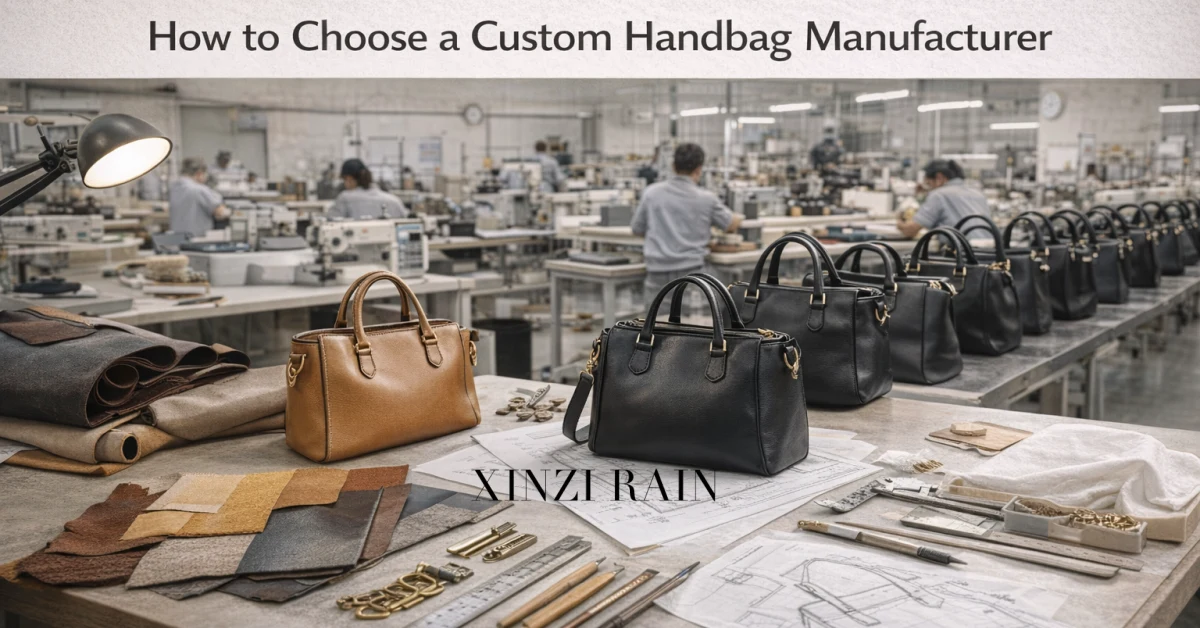

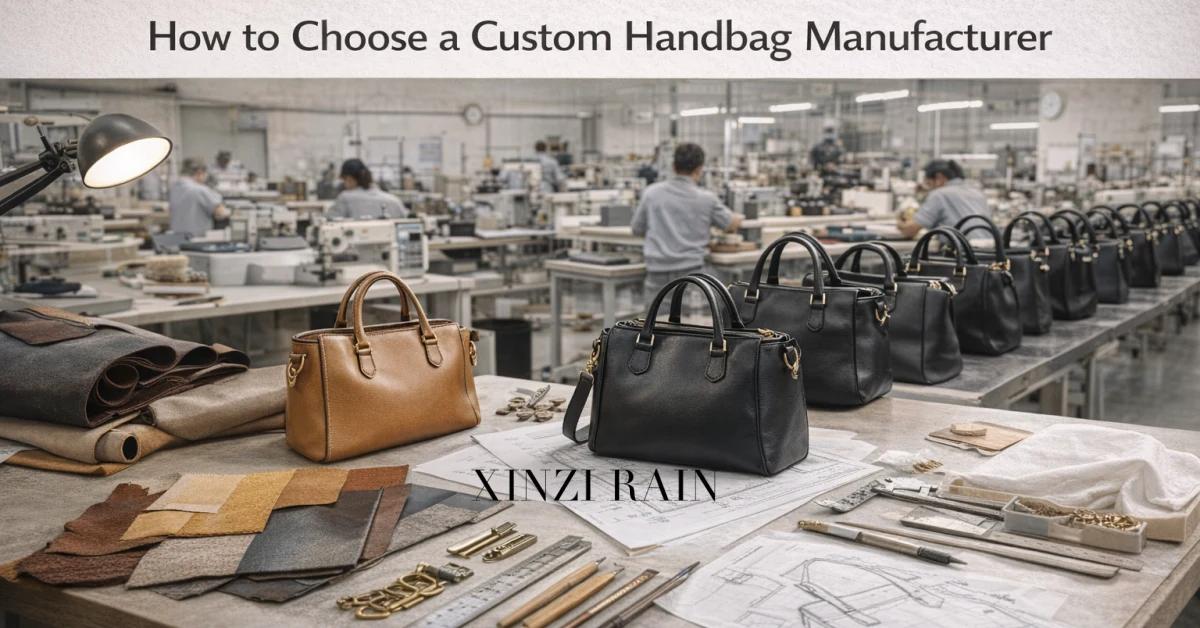
For fashion brands, retailers, and entrepreneurs, choosing the right custom handbag manufacturer is not simply a sourcing decision—it is a long-term business strategy.
A manufacturing partner determines your product quality, production stability, cost structure, and ultimately, how your brand performs in the market. This guide is written from a manufacturer’s perspective, based on real OEM projects, to help brands evaluate factories beyond surface-level promises.
Customization Depth: OEM vs. “Logo-Only” Suppliers
Many factories claim to be custom manufacturers, but in practice, their services differ significantly.
A true custom handbag manufacturer should support:
-
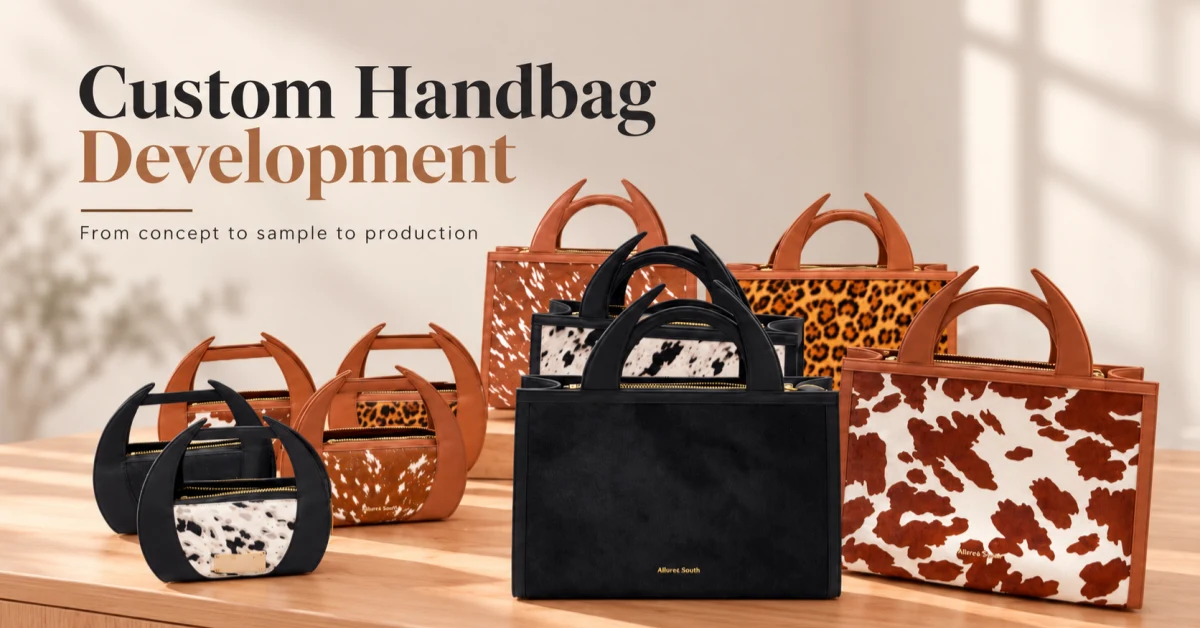
Original pattern development (not only stock molds)
-
Structural customization (size, compartments, reinforcement)
-
Material sourcing aligned with brand positioning
-
Hardware and logo development beyond surface printing
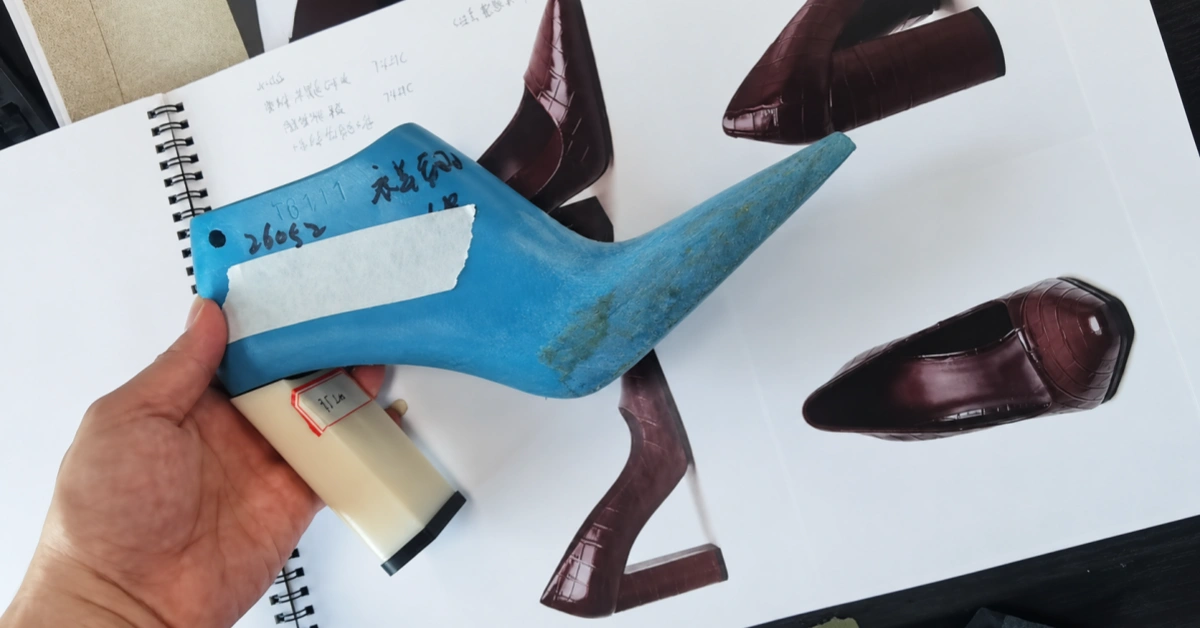
At XINZIRAIN, most handbag projects begin with technical development—turning reference ideas into production-ready structures—rather than selecting from pre-existing styles. This distinction is critical for brands aiming to differentiate rather than imitate.
MOQ Strategy: Protecting Brand Cash Flow
MOQ is not just a number; it reflects how a factory supports brand growth.
Reliable handbag manufacturers typically offer:
-
Low MOQs for sampling and first-market testing
-
Scalable production for reorders
-
Flexible batch management for seasonal collections
From experience working with emerging and established brands, XINZIRAIN structures MOQs to allow brands to validate demand before committing to volume—reducing inventory risk while maintaining production efficiency.
Material Expertise & Traceability
Material selection impacts durability, cost, compliance, and sustainability.
Professional leather bag manufacturers should provide:
-
Clear leather grading and performance explanations
-
Vegan and recycled material alternatives
-
Compliance with EU and US market standards
-
Consistent sourcing for repeat orders
Manufacturers with in-house material sourcing teams—rather than relying solely on third-party traders—offer better consistency and long-term reliability.
Sampling Is Where Factories Are Truly Tested
Sampling reveals far more than a sales pitch.
During sampling, brands should evaluate:
-
Accuracy of structure and proportions
-
Stitching and edge finishing
-
Hardware stability and logo precision
-
Responsiveness to revisions
At XINZIRAIN, sampling is treated as a collaborative engineering phase, with structured feedback loops and technical adjustments—not a one-off prototype exercise.
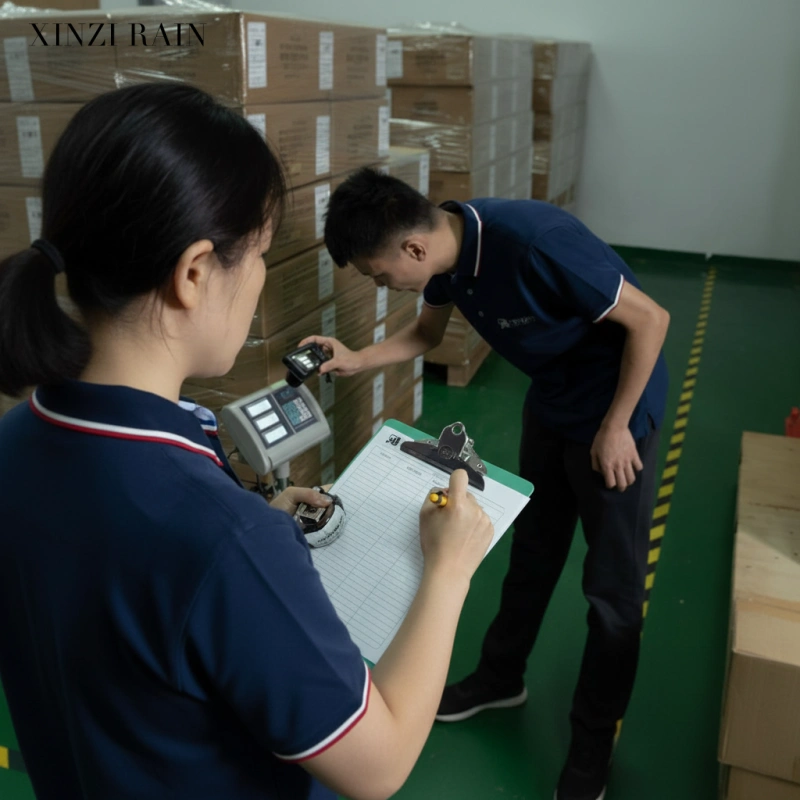
Production Control & Quality Assurance
A dependable OEM handbag manufacturer operates with defined quality checkpoints:
-
Incoming material inspection
-
Mid-production assembly checks
-
Final inspection before packing
Factories that can clearly explain their QC process—and document it—are far more reliable for long-term partnerships.
Long-Term Partnership Mindset
The strongest manufacturing relationships extend beyond a single order.
Brands benefit most from factories that support:
-
Cost optimization as volumes grow
-
Design refinement across seasons
-
Stable lead times and reorder planning
This partnership-based approach is how XINZIRAIN works with brands seeking not just a supplier, but a manufacturing extension of their business.
Final Insight
Choosing a custom handbag manufacturer is about capability, transparency, and alignment—not just pricing. Brands that evaluate factories through customization depth, MOQ strategy, material expertise, and production control build stronger, more resilient supply chains.
FAQ-custom handbag manufacturer
What is the difference between a custom handbag manufacturer and a private label supplier?
A custom handbag manufacturer develops bags from original designs, including structure, materials, and hardware. Many private label suppliers only apply logos to existing styles. True OEM manufacturers support deeper customization and long-term brand differentiation.
How can brands evaluate whether a handbag manufacturer is reliable?
Brands should assess sampling quality, material consistency, quality control systems, communication efficiency, and production scalability. Long-term OEM experience and transparent manufacturing workflows are strong indicators of reliability.
What minimum order quantities should brands expect from a custom handbag manufacturer?
MOQ depends on material choice, construction complexity, and hardware customization. Professional manufacturers often offer flexible MOQs for sampling and initial orders, with scalable options as brands grow. XINZIRAIN structures MOQs to support both market testing and long-term production.
Why is the sampling stage critical when choosing a handbag factory?
Sampling reveals craftsmanship, structural accuracy, material handling, and the factory’s ability to respond to revisions. It is the most reliable way to evaluate a manufacturer’s real production capabilities before bulk orders.
Can a custom handbag manufacturer assist with material sourcing?
Yes. Experienced manufacturers help brands source genuine leather, vegan leather, recycled materials, and certified textiles that align with brand positioning and comply with international market regulations.
How do OEM handbag manufacturers support long-term brand growth?
Beyond production, strong OEM partners support cost optimization, seasonal design refinement, stable lead times, and reorder planning. This partnership-based approach is how manufacturers like XINZIRAIN work with international brands.