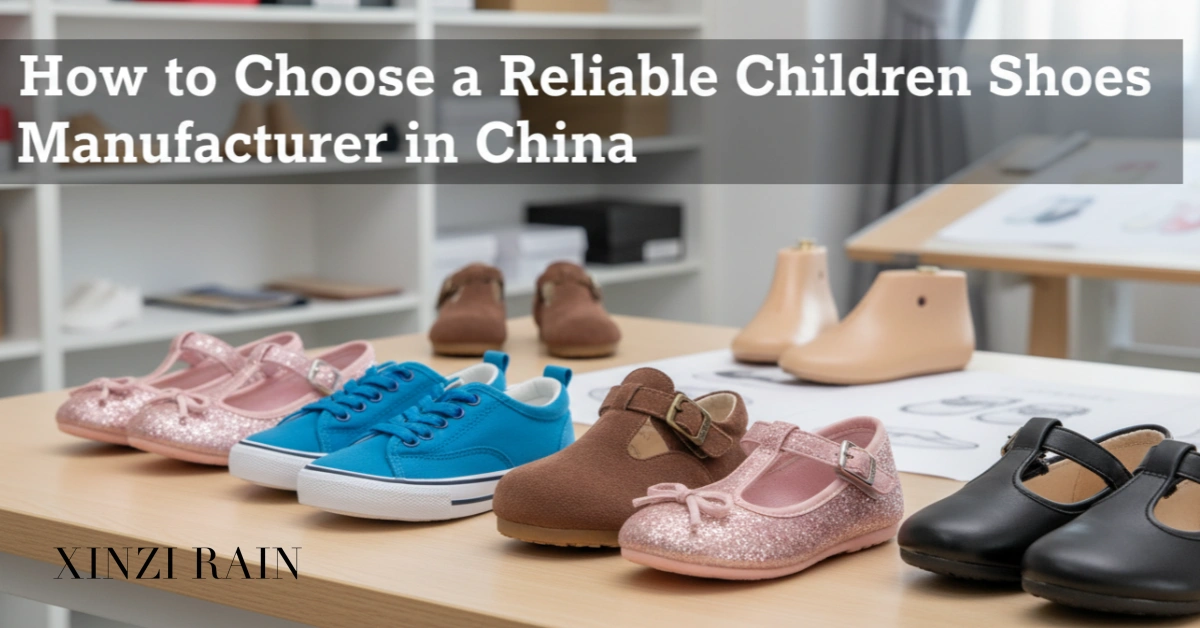

Compliance, Customization, and Kids Sneaker Production Explained
In today’s global footwear market, sourcing children’s shoes is no longer just about price or production capacity. For brands, retailers, and importers serving Europe and North America, compliance, safety, consistency, and manufacturing expertise are now the decisive factors.
China remains one of the world’s leading production hubs for children’s footwear—but not all manufacturers operate at the same level. Understanding how to evaluate a children's shoes manufacturer in China, especially in terms of compliance and product specialization such as kids sneakers, is essential to building a safe, scalable, and sustainable supply chain.
Drawing on hands-on manufacturing experience from XINZIRAIN, an export-oriented shoe manufacturer with long-term OEM and private label projects, this guide explains what truly matters when choosing a kids shoe manufacturing partner.
Why China Is Still a Leading Children Shoes Manufacturing Hub
China’s position in children’s footwear manufacturing is built on decades of industrial development. The country offers:
-
Integrated supply chains for uppers, soles, components, and packaging
-
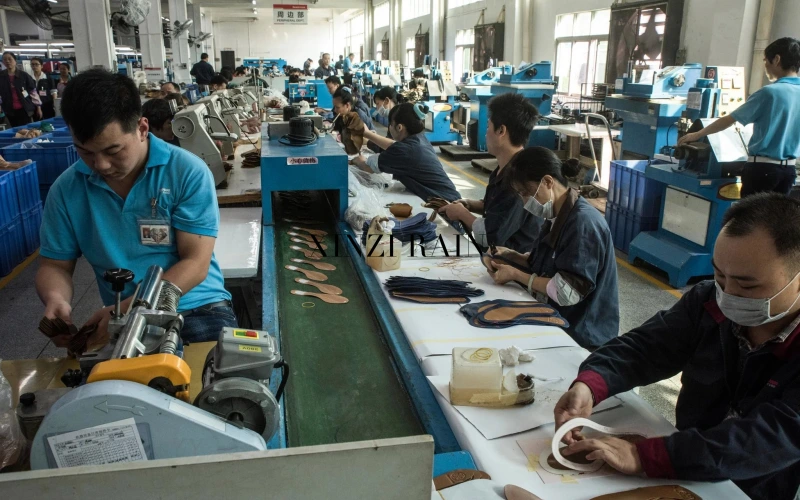
Skilled labor experienced in kids footwear construction
-
Flexible OEM / private label manufacturing models
-
Scalable capacity for both emerging brands and established distributors
However, these advantages only apply when working with compliant, export-focused factories.
At XINZIRAIN, children’s footwear production is handled through dedicated lines aligned with export compliance requirements, ensuring materials, construction, and finishing meet EU and US market standards.
Children Shoes Manufacturer Compliance: What Buyers Must Check
Compliance is non-negotiable in children’s footwear. Professional manufacturers integrate compliance into product development—not as an afterthought.
Material Safety & Chemical Regulations
Children’s shoes sold in Europe and North America must comply with strict regulations such as:
-
EU REACH
-
CPSIA (United States)
From a manufacturer’s perspective, this means:
-
Sourcing traceable, compliant raw materials
-
Conducting material-level testing when required
-
Maintaining documentation for customer audits
XINZIRAIN works closely with certified material suppliers and third-party testing partners to support compliance across different target markets.
Structural & Wear Safety
Children’s footwear must support healthy foot development while withstanding daily wear. Key considerations include:
-
Proper sole flexibility
-
Secure outsole bonding
-
Stable heel construction
-
Age-appropriate last design
Manufacturers with real children’s shoe experience understand that toddlers, kids, and pre-teens require different engineering approaches, not just size scaling.
Quality Control Systems
A reliable children shoes manufacturer in China should operate with:
-
Incoming material inspections
-
In-line quality checks
-
Pre-shipment inspections before bulk delivery
At XINZIRAIN, quality control is treated as a continuous process rather than a final checkpoint—helping brands reduce after-sales risk and ensure consistency across reorders.
Kids Sneakers Manufacturer: Why Specialization Matters
Not all footwear factories are equipped to produce children’s sneakers.
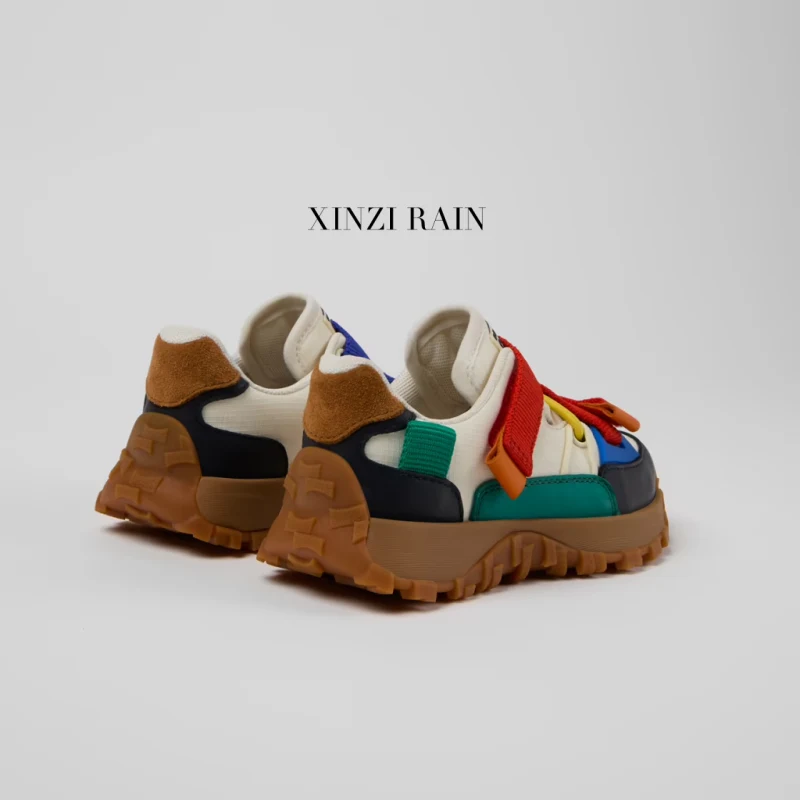
A specialized kids sneakers manufacturer must balance:
-
Lightweight comfort
-
Durability for active use
-
Breathability
-
Secure fastening systems
Children’s sneakers differ significantly from adult models in outsole density, flexibility zones, and upper reinforcement.
With extensive experience in sneaker-style children’s footwear, XINZIRAIN supports brands in optimizing construction details while maintaining compliance and production efficiency.
How to Choose a Kids Shoe Manufacturer: A Practical Checklist
When evaluating a children shoes manufacturer in China, buyers should look beyond pricing and sample appearance.
Key Questions to Ask:
-
Do you specialize in children’s footwear production?
-
What compliance standards do your materials meet?
-
Can you support OEM or private label development?
-
What is your MOQ and typical lead time?
-
How do you manage quality control for bulk orders?
What Experienced Buyers Look For:
-
Transparent communication
-
Clear compliance documentation
-
Stable production planning
-
Long-term partnership mindset
This is the approach XINZIRAIN applies when working with international brands—acting not just as a factory, but as a manufacturing partner.
Private Label & OEM Children Shoes Manufacturing in China
OEM and private label production allow brands to maintain control over design while leveraging factory expertise.
Professional manufacturers typically provide:
-
Design refinement for safety and fit
-
Material recommendations aligned with compliance needs
-
Sampling and development support
-
Custom branding and packaging options
Through its OEM and private label services, XINZIRAIN supports children’s shoe brands from concept development through bulk production, helping reduce development risk and shorten lead times.
Final Thoughts: Choosing the Right Manufacturing Partner
Choosing the right children shoes manufacturer in China is not about finding the lowest price—it is about securing a compliant, experienced, and dependable partner.
Brands that work with established manufacturers like XINZIRAIN benefit from:
-
Export-ready compliance systems
-
Specialized kids footwear expertise
-
Consistent quality across reorders
-
Long-term scalability
If you are planning or expanding a children’s shoe line, prioritizing compliance, specialization, and manufacturing experience will set the foundation for sustainable brand growth.