

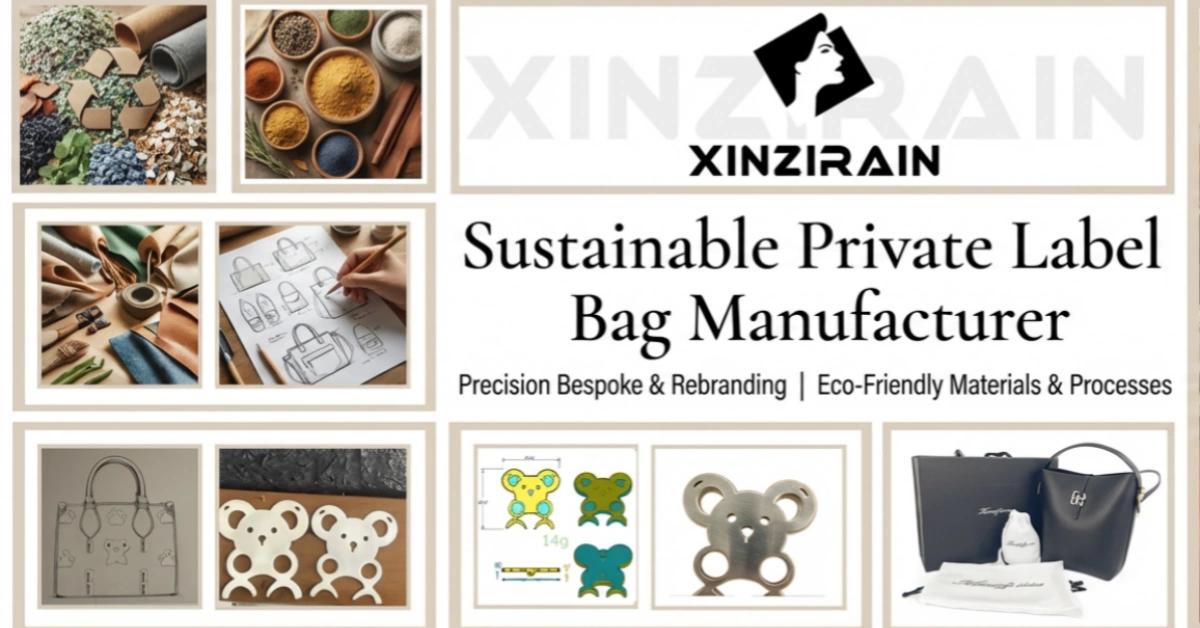
In the rapidly evolving landscape of global fashion, "sustainability" is no longer a buzzword—it is a market mandate. With the European Green Deal and increasing consumer pressure in the Americas, importers and brands are pivoting toward Bio-based Materials.
But what are these materials, and how do they perform in high-scale production? As a leading export manufacturer, we provide this expert guide to help you navigate the green transition.
What are Bio-based Materials?
Bio-based materials are derived from renewable biological sources rather than petroleum-based plastics. In the footwear and accessories industry, these primarily include:
-
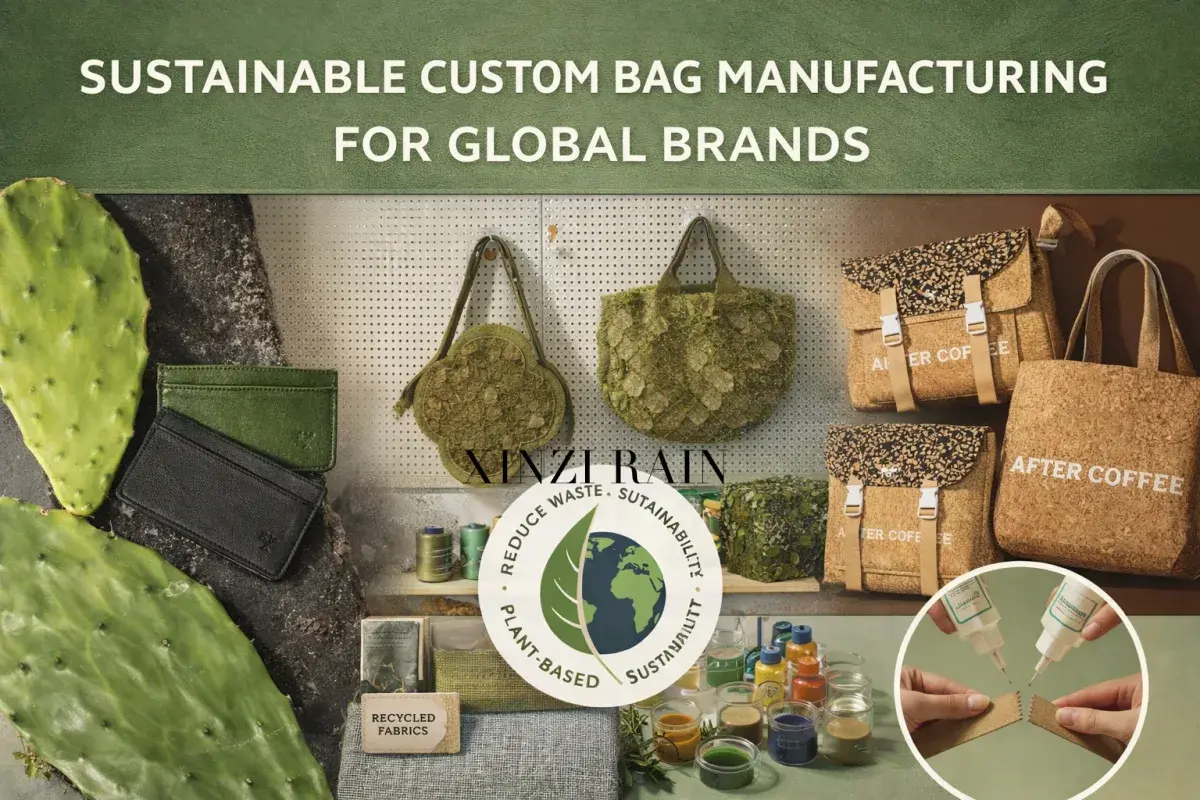
Agricultural By-products: Pineapple leaf fibers (Piñatex), apple skin peels, and grape pomace.
-
Mycelium (Mushroom): A high-end alternative to leather grown from fungal root structures.
-
Bio-polymers: Corn-based polyols used in rPU (Recycled Polyurethane) coatings.
-
Algae & Cork: Often used for midsoles and footbeds in ergonomic footwear.
Why B2B Buyers are Switching: The Competitive Edge
For distributors and brand owners, bio-materials offer more than just an "eco-friendly" label:
-
Regulatory Compliance: Meeting EU REACH and US California Proposition 65 standards becomes easier with non-toxic, bio-derived components.
-
Brand Premium: Products featuring bio-materials often command a 15-25% higher retail value compared to traditional synthetic alternatives.
-
ESG Reporting: Large-scale wholesalers can significantly reduce their Scope 3 emissions by sourcing from bio-based manufacturers.
Performance & Durability: Can They Compete?
One of the biggest concerns for importers is: “Will an apple-leather bag last as long as traditional leather?”
The answer is Yes. Modern bio-based composites are engineered for:
-
Tensile Strength: High resistance to tearing, essential for heavy-duty backpacks and performance shoes.
-
Flex Crack Resistance: Bio-based soles are tested to withstand over 50,000 flexes without cracking.
-
Color Fastness: Advanced bio-pigments ensure that vibrant fashion colors remain stable under UV exposure.
Integrating Bio-materials into Your OEM/ODM Projects
As an end-to-end manufacturer, we’ve streamlined the integration of sustainable materials into our production lines:
| Stage | Process | Benefit |
| Sourcing | We partner with certified bio-material labs (USDA BioPreferred). | Guaranteed authenticity. |
| Prototyping | 3D-assisted sampling to minimize material waste. | Faster time-to-market. |
| Production | Low-impact bonding and water-based adhesives. | 100% Vegan/Eco-friendly assembly. |
| Certification | Provision of GRS (Global Recycled Standard) & Bio-content docs. | Easier customs & marketing. |
The 2026 Trend: Hybrid Bio-Synthetics
The next frontier is the "Hybrid" approach—combining recycled ocean plastics with bio-based coatings. This offers the ultimate balance of cost-effectiveness and environmental responsibility, making it a favorite for high-volume distributors in the European market.
Conclusion: Leading the Change
The shift toward bio-based materials is a strategic investment in the future of your brand. By choosing a manufacturer with expertise in these innovative substrates, you ensure that your product line is both ethically sound and commercially dominant.
Partnering for a Greener Future: Why Xinzirain is Your Ideal Bio-Material Manufacturer
Understanding the shift toward bio-based materials is the first step; executing it requires a manufacturing partner with technical precision and a transparent supply chain. This is where Xinzirain excels.
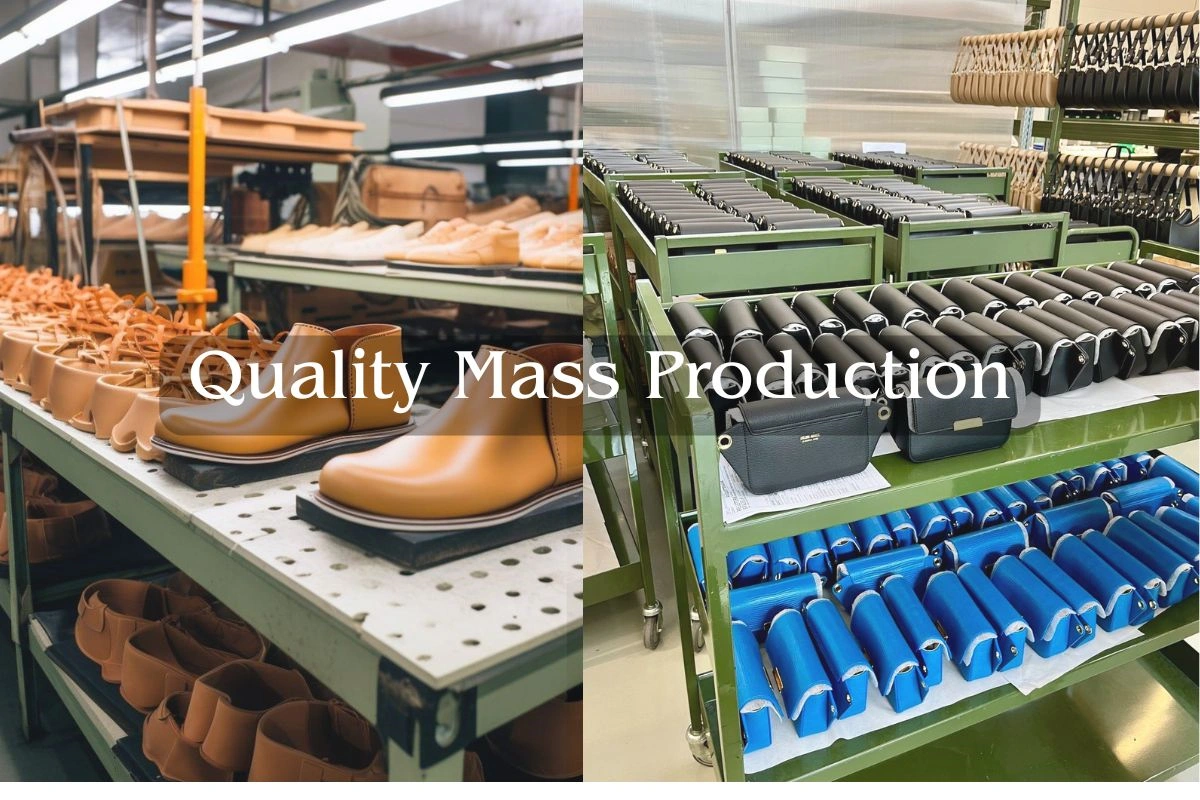
As a premier export-oriented manufacturer specializing in high-end footwear and bags, Xinzirain has spent years integrating sustainable innovation into our core production DNA. We don't just follow trends; we help our global partners—from boutique designers to large-scale distributors in Europe and the Americas—lead them.
The Xinzirain Advantage in Bio-Material Innovation:
-
Verified Sustainable Sourcing: We have established a robust network of certified suppliers, providing everything from Apple Leather and Pineapple Fiber (Piñatex) to GRS-certified recycled polymers.
-
Precision OEM/ODM Services: Our R&D team specializes in the unique structural requirements of bio-materials, ensuring that your eco-friendly products maintain the luxury feel and durability your customers expect.
-
Eco-Conscious Craftsmanship: Beyond the surface material, we utilize water-based adhesives and low-carbon assembly processes, ensuring the entire lifecycle of your product is as "green" as the material itself.
-
Global Compliance Expertise: We understand the stringent import regulations of the Western markets. Xinzirain provides full documentation support to ensure your bio-based collections breeze through customs and meet all ESG standards.
Ready to Launch Your Sustainable Collection
The transition to bio-based materials is an opportunity to redefine your brand’s value proposition. Whether you are looking to develop a signature vegan sneaker line or a range of biodegradable luxury handbags, Xinzirain is equipped to bring your vision to life—from the first sketch to bulk global distribution.
Don’t just adapt to the future—create it with Xinzirain.