
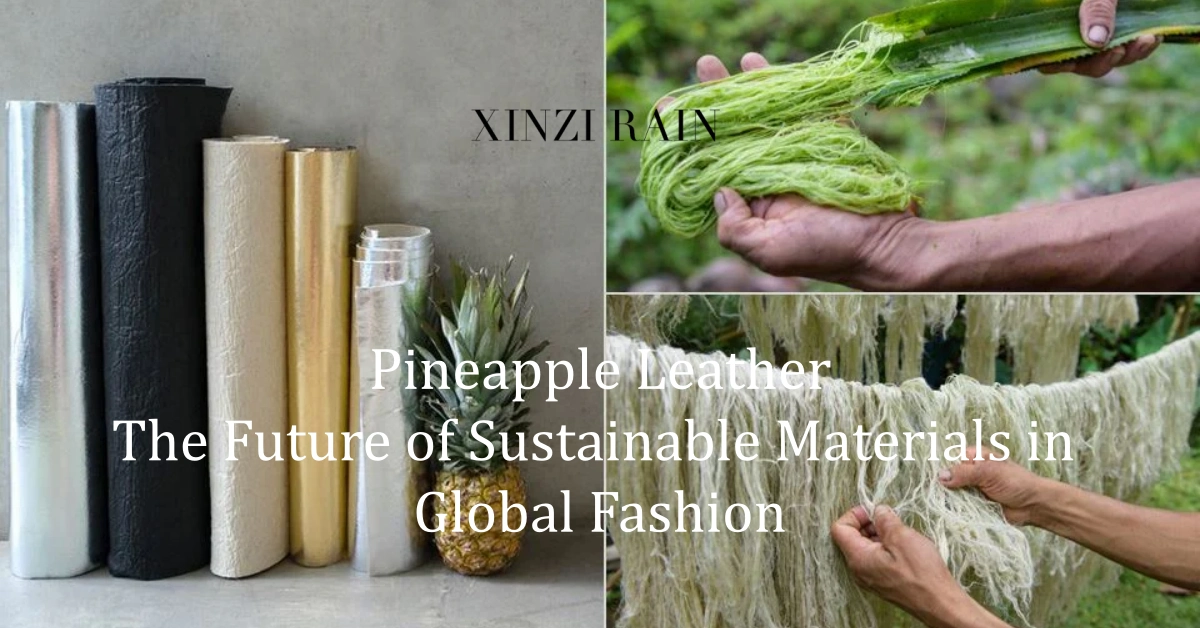

The Global Shift Toward Sustainable Leather
Since Hermès introduced its plant-based leather series in 2021, global fashion brands have accelerated their adoption of eco-friendly and vegan leather alternatives. From mushroom leather (mycelium) and cactus leather, to mango- and corn-based leather, these innovations have reshaped how the world views material sustainability.
According to the 2023 China International Leather Exhibition, synthetic and artificial leather exhibitors accounted for over 30% of total participants — with sustainability, circular design, and material innovation emerging as key themes.
The trend is clear: the next era of fashion manufacturing belongs to sustainable materials.

Real Leather vs. Artificial Leather: Understanding the “Indistinguishable” Divide
Traditional animal leather remains a symbol of luxury and craftsmanship, yet its environmental cost is undeniable. Artificial leather — such as PU, PVC, microfiber, and eco silicone leather — offers impressive visual and tactile similarity, but many still rely on chemical-intensive processes, challenging their green credentials.
True sustainability lies in bio-based and plant-extracted leathers that are organically grown, processed with low-impact methods, and produced with minimal waste or emissions. Certified organic plant sources and solvent-free extraction technologies are essential for ensuring zero-pollution production.
Global innovators like Modern Meadow, Bolt Threads, and MycoWorks (see table below) are leading the bio-material revolution, developing next-generation leathers from collagen proteins, mushroom mycelium, and biotechnology.
|
Company |
Country |
Focus Area |
|
Modern Meadow |
USA |
Bio-material innovation; collagen-based vegan leather |
|
Bolt Threads |
USA |
Mycelium and biomaterial packaging |
|
MycoWorks |
USA |
High-end leather from mushroom mycelium |
|
Primaloft, Inc. |
USA |
Biodegradable textile fibers |
|
Evrnu |
USA |
Textile recycling with engineered NuCycl fiber |
The Manufacturing Process and Market Barriers
The R&D cycle of sustainable leather is complex — from selecting certified raw materials to refining fiber texture, thickness, and durability. Brands must align aesthetics with responsible sourcing, which requires precise tanning, coating, and surface finishing techniques.
While traditional leather consumption in China still revolves around footwear and apparel, premium leather bags offer higher margins due to their artistic craftsmanship and brand value.
However, challenges persist. The production of next-gen materials remains costly, and consumer awareness about eco-leather is still limited. As technology evolves and environmental policies strengthen, prices will decrease, making sustainable materials more accessible to mainstream manufacturers and fast-fashion brands alike.

Recycled Materials: From Ocean Waste to Fashion Innovation
Innovative companies are transforming discarded fishing nets, coffee grounds, and agricultural residues into high-performance fabrics. Recycled nylon, for example, offers softness, elasticity, and durability — yet supply chain complexity and high processing costs currently limit scalability.
Nevertheless, recycling technology is advancing fast. Automated sorting and material recovery systems are boosting textile recycling efficiency while reducing labor costs. Some emerging brands even upcycle luxury waste fabrics into new designs, combining environmental responsibility with creative appeal.
The Future of Bio-Based Leather and Smart Materials
Sustainability now extends beyond natural fibers. High-tech biomaterials, such as synthetic spider-silk proteins and nanocomposites, are introducing new possibilities for the next generation of eco-luxury goods. These materials not only replicate the strength and softness of natural fibers but also add functions such as UV resistance, antibacterial protection, and breathability — perfect for athletic footwear and modern accessories.
In Italy, the leather supplier Green Hides exemplifies this transition. Its tannery operates on a closed-loop, low-emission system, powered by solar energy for nearly 20 years. All raw materials are recycled or responsibly treated, complying with EU environmental regulations CE2000/53 and REACH — setting a global benchmark for responsible leather manufacturing.
Challenges and Opportunities: From Niche to Mainstream
Despite remarkable progress, eco-leather adoption faces three main obstacles:
High production cost due to limited economies of scale
Lack of unified global sustainability standards
Consumer skepticism and low awareness
To overcome these barriers, collaboration among governments, enterprises, designers, and consumers is essential. Governments can provide incentives and tax relief; brands should integrate sustainable materials across product lines; manufacturers must improve cost efficiency; and designers should explore zero-waste design methods that minimize waste at the source.
This ecosystem approach will drive sustainable materials from concept to commercial reality.
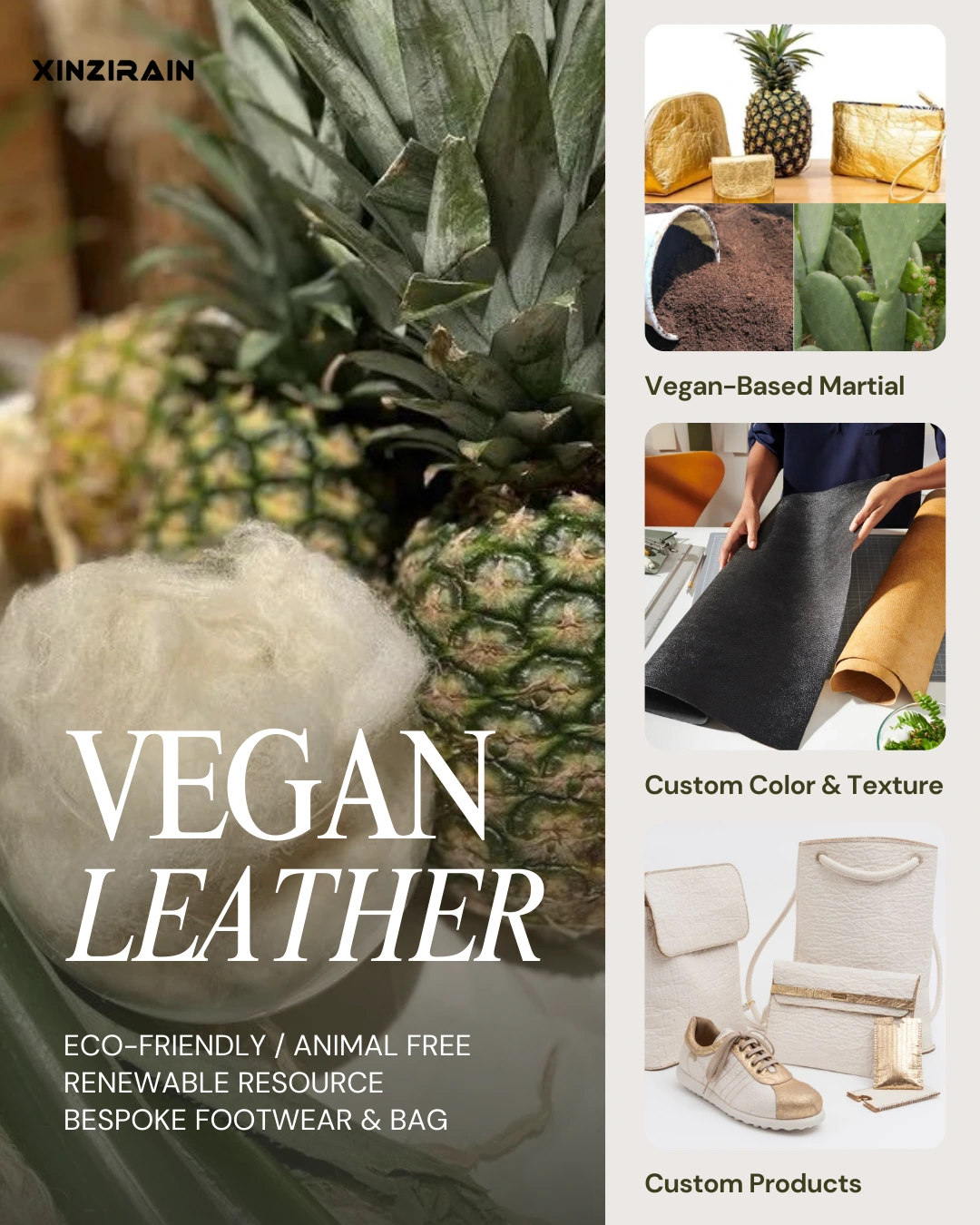
How XINZIRAIN Embraces the Future of Sustainable Fashion
At XINZIRAIN, we believe sustainability is not a trend — it’s a responsibility.
As a leading OEM/ODM footwear and bag manufacturer in China, we actively support the global shift toward eco-friendly leather, biobased materials, and recycled textiles.
Our manufacturing process prioritizes:
Low-waste pattern cutting and energy-efficient production
Eco-certified materials, including plant-tanned leather and vegan alternatives
Partnerships with responsible suppliers for bio-based and waterborne PU
Custom sustainable packaging and global logistics support
By combining craftsmanship, innovation, and sustainability, XINZIRAIN empowers brands worldwide to realize their creative visions while contributing to a greener future.
XINZIRAIN Conclusion
The global fashion industry is undergoing a material revolution. From mushroom leather to recycled nylon, from bio-based tanning to closed-loop factories, sustainability is redefining what luxury means in the modern era.
Through collective effort — and with pioneers like XINZIRAIN driving innovation from design to production — the dream of a more responsible, eco-conscious, and inspiring fashion world is no longer distant.
XINZIRAIN – Global Fashion Service Leader. Turning Every Idea into Sustainable Reality.