

Introduction: Why Understanding Shoe Manufacturing Is Critical for Your Brand
Custom shoe manufacturing is not just about creating a product — it is about building a scalable business.
Many brands enter footwear sourcing with strong design ideas, but fail during production due to:
- Poor supplier selection
- Lack of understanding of the shoe manufacturing process
- Misalignment between cost, quality, and market positioning
Whether you are working with an OEM footwear manufacturer or developing private-label shoes, understanding how production works is essential.
This guide provides a complete overview of custom shoe manufacturing, including:
- Shoe production process step by step
- Cost structure and pricing factors
- OEM vs ODM footwear models
- How to choose a reliable footwear manufacturer
What Is Custom Shoe Manufacturing?
Custom shoe manufacturing refers to developing footwear products tailored to a brand’s specifications, rather than purchasing ready-made stock.
There are several levels of customization in the footwear industry:
White Label Shoes
Pre-designed shoes with logo customization
Best for fast market entry, but limited differentiation
Private Label Footwear
Modify materials, colors, and branding
Common among growing brands and distributors
OEM Shoe Manufacturing
Fully customized shoes, including outsole, upper, and structure
Suitable for brands building long-term identity
ODM Footwear Manufacturing
The factory provides design, brand customization, and sells
Efficient for testing new markets
Key insight:
Most successful brands start with private label or semi-custom production before moving into full OEM shoe manufacturing.
Step-by-Step Shoe Manufacturing Process
Understanding the shoe production process helps reduce risks and improve communication with suppliers.
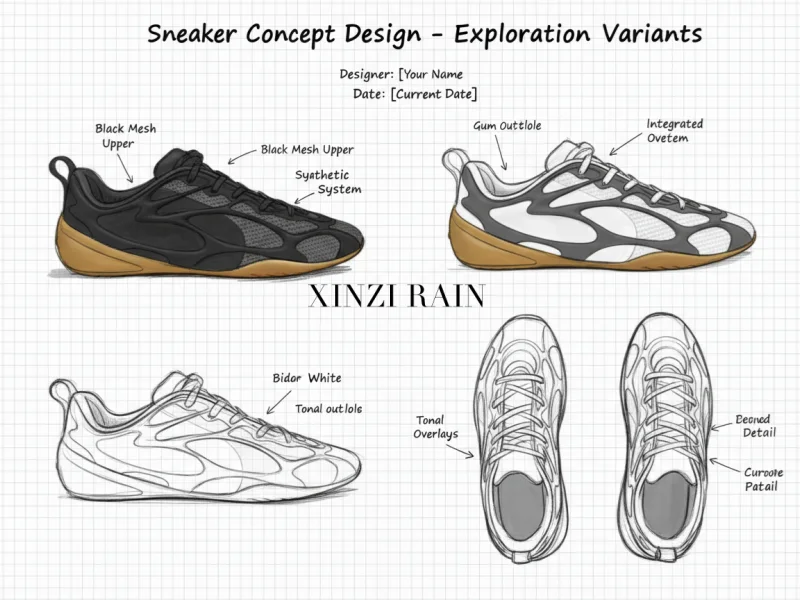
Product Concept & Design
This stage defines:
- Target customer
- Product positioning
- Price range
Professional buyers often prepare:
- Reference images
- Competitor benchmarks
- Basic tech pack or idea
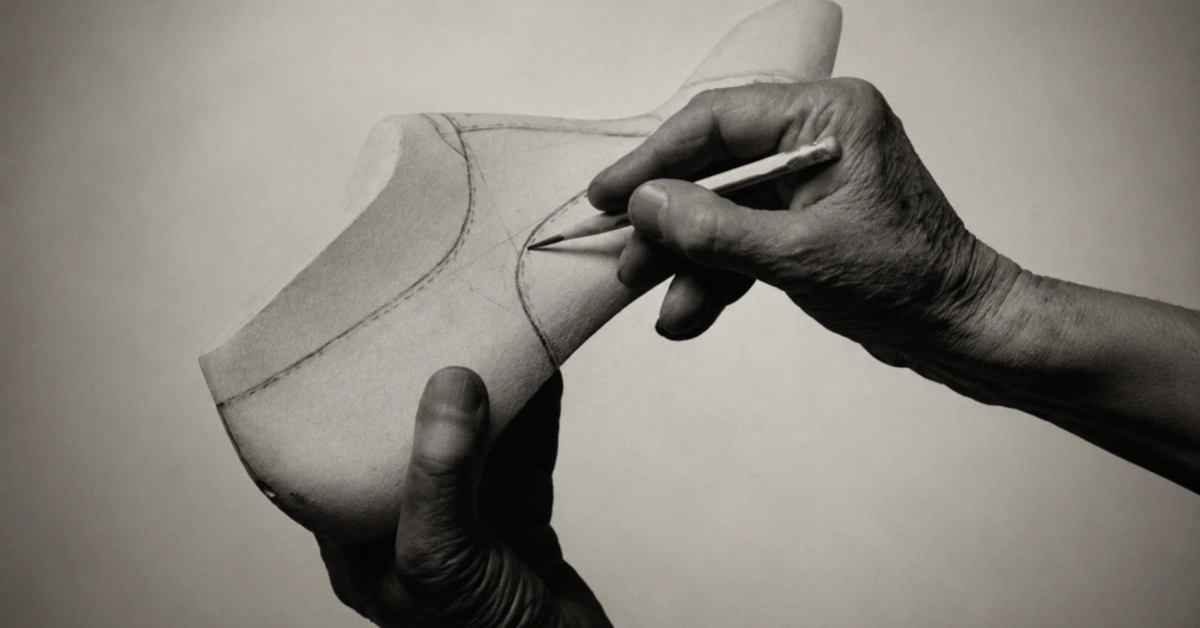
Last Development (Fit Engineering)
The shoe last determines:
- Fit and comfort
- Size consistency
- Customer satisfaction
Important for EU and US markets, where sizing standards differ.
Material Selection & Engineering
Materials directly impact:
- Cost
- Durability
- Brand positioning
Common materials include:
- Leather (premium footwear)
- Vegan leather (cost-effective alternative)
- Mesh (sports and breathable shoes)
- Rubber / EVA / PU outsoles
Sampling Process
Sample development includes:
- Prototype creation
- Fit testing
- Material adjustments
Most custom shoe manufacturing projects require 2–3 sample revisions.
Pre-Production Preparation
Before bulk production, factories finalize:
- Bill of Materials (BOM)
- Color standards
- Construction details
This step ensures consistency between samples and final production.
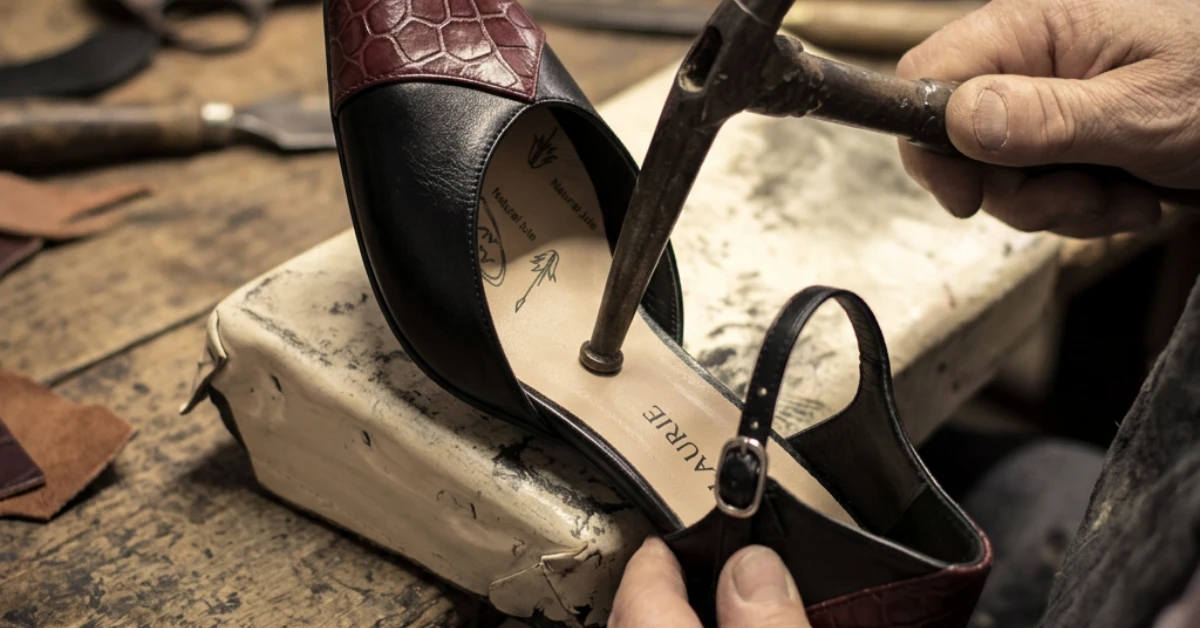
Mass Production
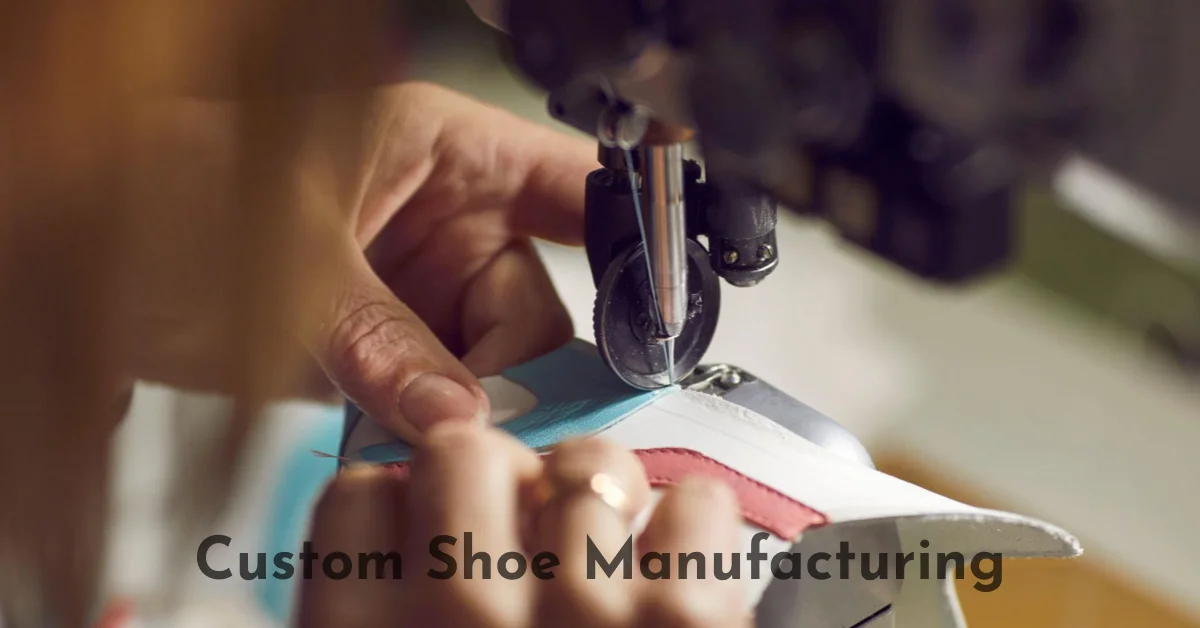
The main production stages include:
- Cutting
- Stitching
- Lasting
- Assembly
MOQ (Minimum Order Quantity) typically ranges from 50 to 300 pairs per style.
Quality Control & Inspection
Professional footwear manufacturers implement:
- Inline inspection
- Mid-production checks
- Final quality inspection
This reduces defects and ensures product consistency.
Shoe Manufacturing Cost Breakdown
Understanding shoe manufacturing costs helps buyers make better sourcing decisions.
Main Cost Components
- Materials (40–60%)
- Labor (20–30%)
- Development costs (samples, molds)
- Packaging and logistics
Factors That Increase Cost
- High-quality leather
- Custom outsole molds
- Complex design structures
- Low order quantities
Cost Optimization Tips
- Use semi-custom designs
- Optimize materials instead of downgrading quality
- Increase order volume gradually
OEM vs ODM Footwear: Key Differences
Understanding OEM vs ODM footwear is essential when choosing a manufacturing model.
OEM (Original Equipment Manufacturer)
- Full customization
- Higher cost and longer development
- Strong brand identity
ODM (Original Design Manufacturer)
- The factory provides designs
- Faster and lower cost
- Limited uniqueness
Which One Is Right?
- Startups → ODM or private label
- Growing brands → OEM development
How to Choose a Reliable Footwear Manufacturer
Selecting the right shoe manufacturer is critical for long-term success.
Development Capability
Can the factory:
- Develop new designs
- Or only modify existing products
Production Experience
Look for:
- Experience in your product category
- Export experience to the EU and US markets
Supply Chain Stability
A strong footwear manufacturer should have:
- Reliable material suppliers
- Consistent lead times
Communication & Transparency
Clear communication reduces production risks.
Reliable suppliers:
- Respond quickly
- Explain processes clearly
- Set realistic expectations
Common Problems in Shoe Manufacturing (And How to Avoid Them)
Sample Quality ≠ Bulk Quality
Cause:
Material inconsistency or process variation
Solution:
Lock BOM and production standards
Sizing Issues
Cause:
Improper last development
Solution:
Conduct fit testing
Material Defects
Cause:
Low-grade materials
Solution:
Verify material quality before production
Production Delays
Cause:
Weak supply chain or poor planning
Solution:
Work with experienced manufacturers
Best Practices for Scaling Footwear Production
Successful brands follow these principles:
- Start with small orders to test the market
- Focus on a few core products
- Build long-term relationships with manufacturers
- Use data to guide production decisions
Conclusion: From Idea to Scalable Footwear Brand
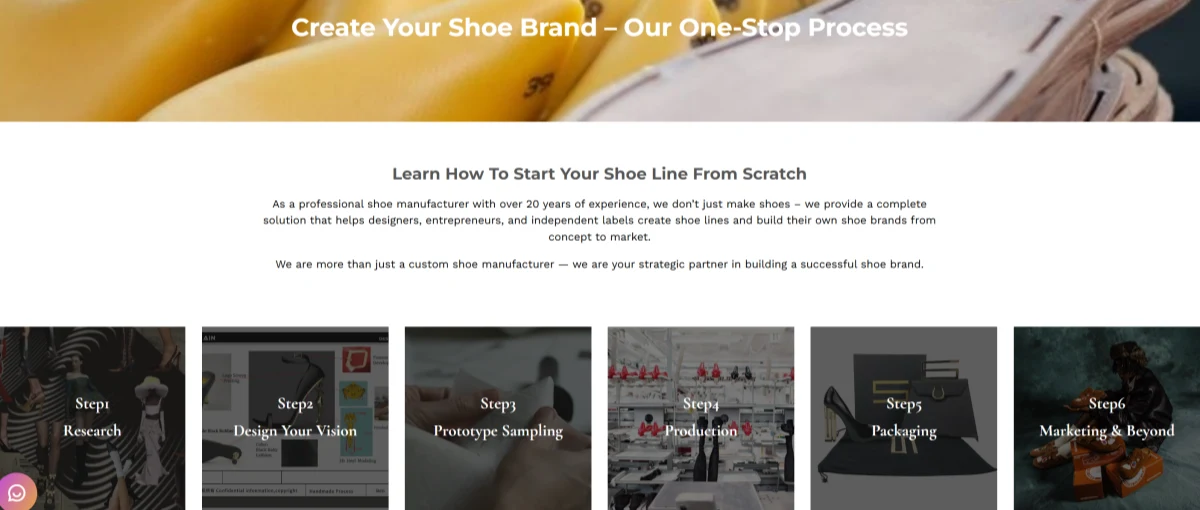
Custom shoe manufacturing is a structured process that requires careful planning, supplier selection, and quality control.
By understanding:
- The shoe manufacturing process
- Cost structure
- OEM vs ODM models
- Supplier evaluation criteria
You can significantly reduce risk and build a reliable footwear product line.
FAQ
What is custom shoe manufacturing?
It is the process of developing footwear based on a brand’s design, materials, and specifications.
What is the MOQ for custom shoes?
Typically, between 50 and 300 pairs per style.
How long does shoe production take?
Sampling takes 2–4 weeks, and bulk production takes 30–60 days.
What is the difference between OEM and ODM footwear?
OEM involves full customization, while ODM uses factory designs with branding changes.
How do I choose a shoe manufacturer?
Evaluate development capability, production experience, supply chain stability, and communication.
Explore our curated list of trusted suppliers in our
10 Most Trusted Custom Shoe Manufacturers in China for Global Brands