

Materials, Production Process, Supplier Selection & Brand Strategy
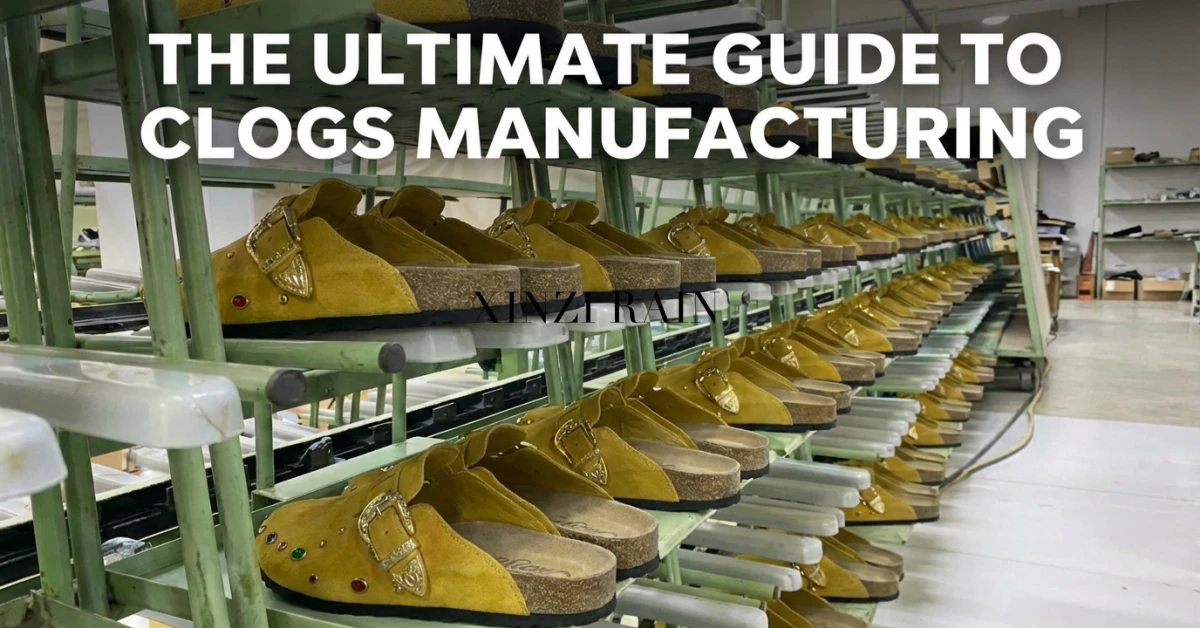
Clogs have evolved from traditional wooden work shoes into a globally commercialized footwear category spanning comfort, fashion, medical, and sustainable segments. In 2026, clogs manufacturing is no longer niche — it is a strategic opportunity for brands targeting Europe and North America.
For importers, private label buyers, and emerging footwear brands, understanding clog manufacturing from material selection to bulk production is essential before entering the market.
This guide explores:
-
Material selection in clog manufacturing
-
The complete clogs production process
-
How to evaluate a clog manufacturer
-
2026 global market insights
-
How to create your own clog brand
Understanding the Modern Clogs Category
Modern clogs are defined by their structured silhouette, slip-on functionality, and comfort-focused sole construction. While historically associated with wooden soles, today’s clog manufacturing includes a broad range of product types:
-
Leather cork footbed clogs
-
Wooden sole clogs
-
EVA molded comfort clogs
-
Platform fashion clogs
-
Medical and occupational clogs
-
Sustainable and vegan clogs
Each segment requires a different technical approach in production, especially in outsole engineering and footbed construction.
Material Selection in Professional Clogs Manufacturing
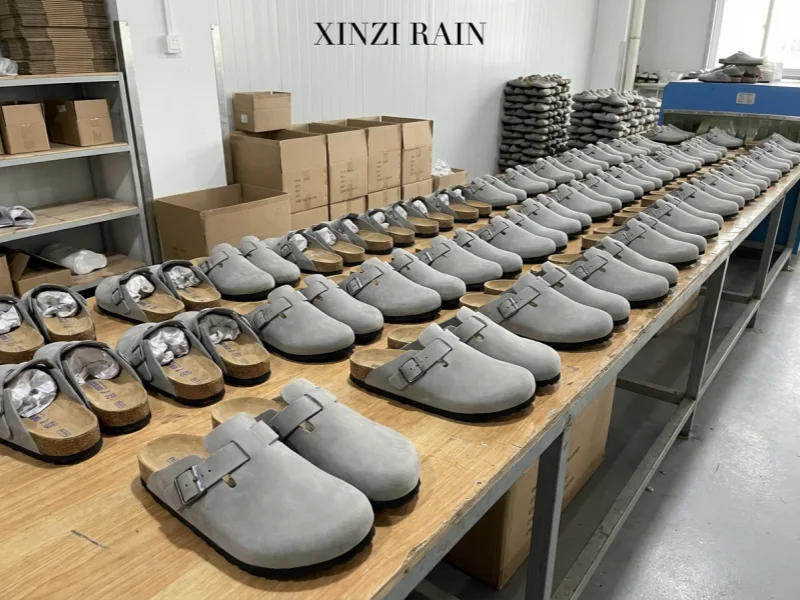
Material choice determines price positioning, comfort performance, durability, and compliance standards. Serious clogs manufacturing begins with selecting materials aligned with target markets.
Upper Materials
Genuine Leather
Full-grain and top-grain leather remain the preferred materials in premium clog manufacturing. Leather adapts to foot shape over time, offers breathability, and enhances perceived value. European markets in particular favor leather cork clogs.
Synthetic and Vegan Alternatives
PU leather and microfiber materials dominate the mid-price segment. In 2026, recycled synthetic uppers are increasingly requested by sustainable brands. While more cost-efficient, durability varies depending on grade and supplier control.
Textile and Specialty Materials
Canvas, felt, wool blends, and knit uppers serve lifestyle and seasonal collections. These materials require precise stitching capability and stable sole bonding techniques.
Sole Materials in Clogs Production
Cork Footbeds
Cork blended with natural latex remains a dominant choice in comfort-focused clog manufacturing. It provides anatomical support and aligns well with European consumer preferences.
Wooden Soles
Traditional beech and alder wood are shaped through mechanical carving and sanding. Wooden sole clogs require specific tooling and finishing expertise, making supplier capability critical.
EVA Injection Soles
EVA is lightweight and ideal for medical or casual molded clogs. Injection molding reduces assembly complexity but demands precise mold development.
PU Soles
PU provides stronger durability and better shock absorption than EVA. It is widely used in mid-to-premium clogs manufacturing where performance matters.
The Complete Clogs Manufacturing Process
Understanding the production workflow allows buyers to evaluate factory strength and risk.
Design & Technical Development
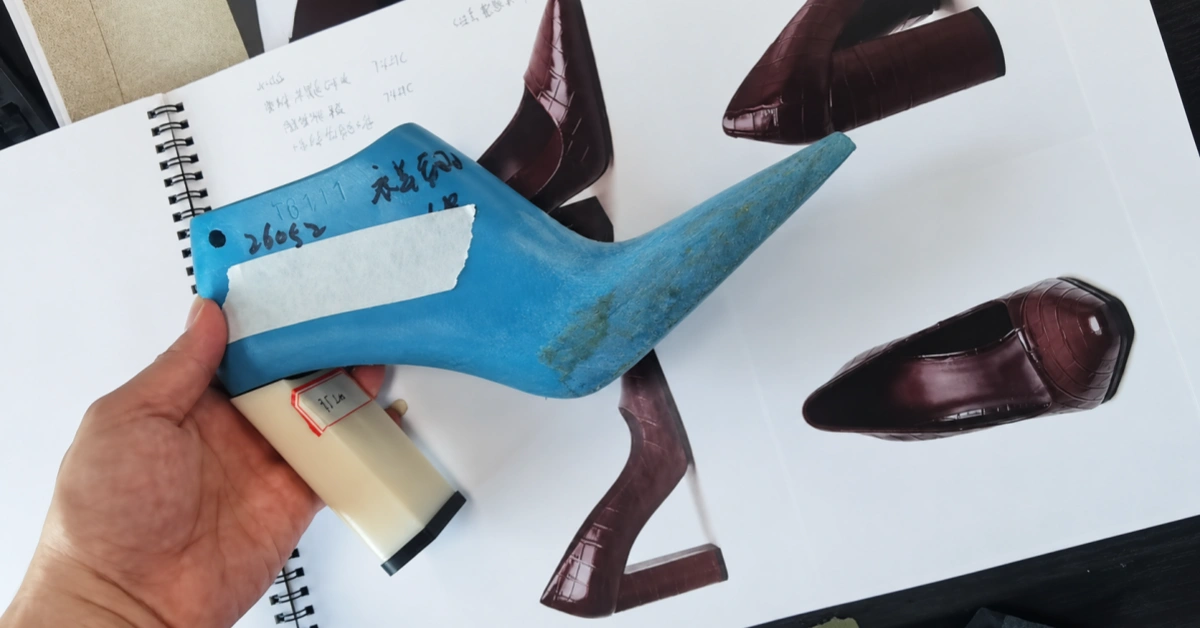
The process begins with tech pack review, last selection, heel height confirmation, and material sampling. Cost evaluation is conducted at this stage to align with target retail pricing.
Pattern Making & Sampling
Upper patterns are developed and tested on selected lasts. Samples typically require 20–30 days, depending on sole complexity and mold requirements. Fit testing is crucial, particularly for cork footbed clogs.
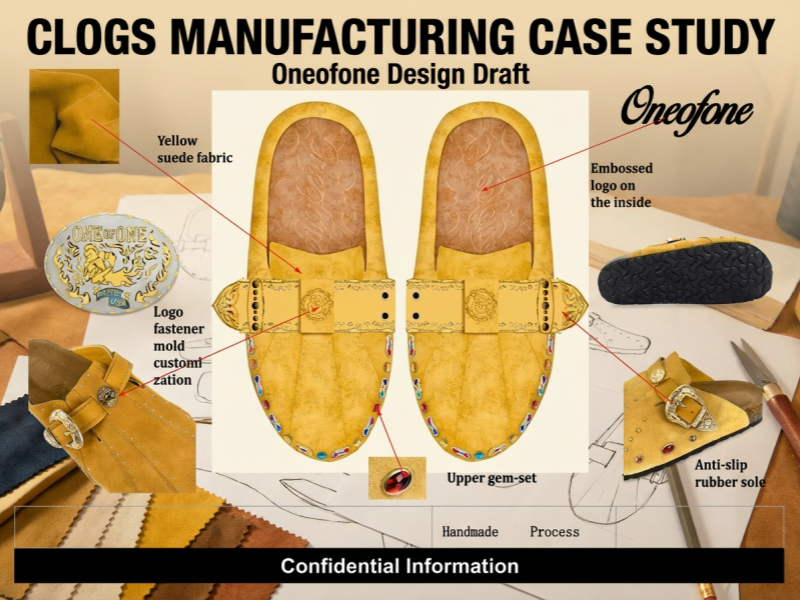
Mold Development
If a custom outsole is required, 3D design and mold engraving follow. Tooling accuracy directly impacts long-term production stability. Many inexperienced clog manufacturers fail at this stage due to weak engineering control.
Bulk Production
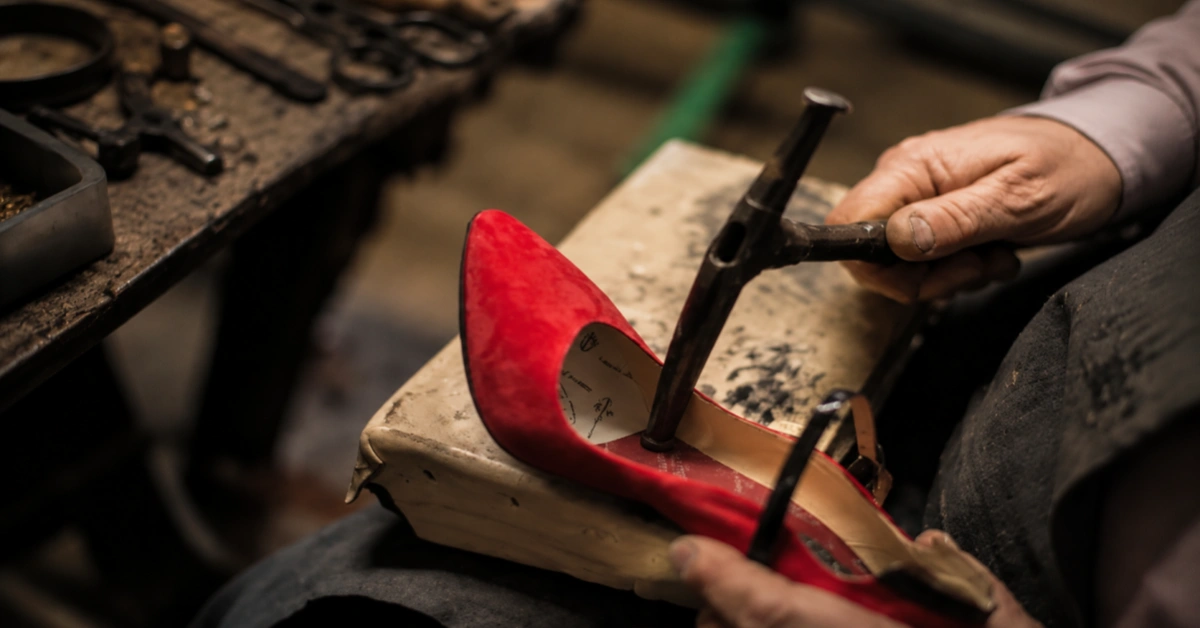
Mass production includes material inspection, cutting, stitching, sole preparation, lasting, assembly, and finishing. Strict in-line quality control ensures size consistency and prevents sole separation issues.
Final Inspection & Logistics
Before shipment, factories conduct AQL inspections, branding checks, carton testing, and container loading verification.
Professional clogs manufacturing is not only about assembly — it requires structural engineering and ergonomic design understanding.
2026 Global Clogs Market Analysis
Clogs continue gaining commercial momentum due to multiple structural drivers.
Comfort-Centered Consumer Behavior
Post-pandemic lifestyle changes have permanently shifted consumer demand toward comfort footwear. Hybrid work environments favor structured yet easy-to-wear designs.
Growth in Healthcare & Service Industries
The medical and hospitality sectors continue to expand demand for durable molded clogs.
Sustainable Footwear Demand
Cork footbeds and recycled uppers align well with sustainability-focused brands in Europe and North America.
Competitive Landscape
Leading clog brands include:
-
Birkenstock
-
Crocs
-
Dansko
Despite strong brand dominance, private label opportunities are increasing as retailers seek higher margins and supply chain flexibility.
How to Choose the Right Clogs Manufacturer
Selecting the right clogs manufacturer is a strategic decision rather than a price comparison exercise.
Development Capability
A strong factory must demonstrate custom mold development experience, last modification ability, and material sourcing expertise.
Scalable MOQ Structure
Startups may require 100–300 pairs per style, while established retailers scale to thousands. A capable clogs manufacturing partner should support both launch and growth phases.
Compliance & Quality Control
EU markets require REACH compliance. US markets demand CPSIA standards where applicable. In-house quality control systems and material traceability are essential.
Transparent Communication
Factories should provide production updates, sampling adjustments, and cost clarity. Communication efficiency significantly impacts lead time stability.
How to Create Your Own Clog Brand
Many buyers entering the clogs manufacturing industry aim to establish their own private label brand.
Define Positioning Clearly
Avoid entering the market without differentiation. Identify whether your brand focuses on medical comfort, fashion platforms, sustainable materials, or lifestyle minimalism.
Develop Product Depth
Launching with 2–4 strong styles is more effective than releasing a wide but shallow collection.
Protect Your Identity
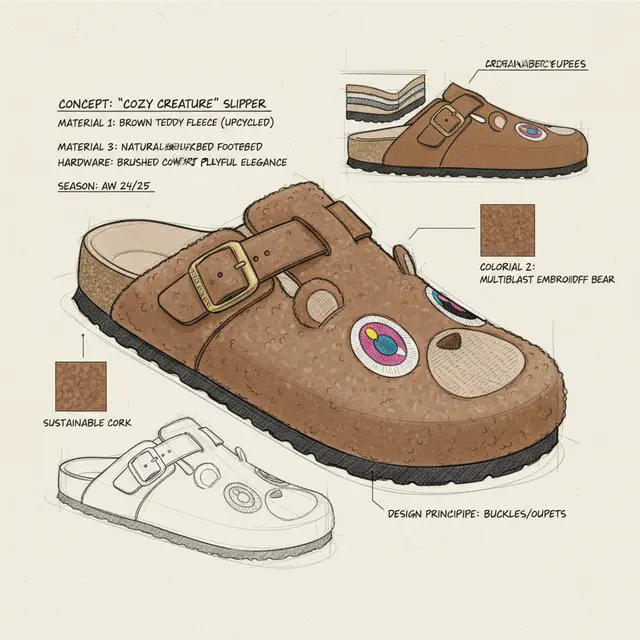
Custom outsole molds, branded buckles, unique colorways, and premium packaging create defensible brand value.
Plan Reorder Strategy
Long-term profitability depends on stable reorders and cost optimization through volume scaling.
Clogs manufacturing partnerships allow brands to grow without heavy capital investment in facilities.
Conclusion: Strategic Approach to Clogs Manufacturing in 2026
Clogs manufacturing today combines engineering, comfort science, material strategy, and brand positioning. Success depends on selecting the right materials, understanding the production workflow, choosing a capable supplier, and entering the market with clear differentiation.
For brands targeting Europe and North America, partnering with an experienced manufacturer that understands cork footbed construction, injection molding, and premium leather development is critical for sustainable growth.
As a China-based footwear manufacturing group with long-term OEM and private label experience, XINZIRAIN supports global brands in developing custom clogs collections — from material sourcing and mold development to bulk production and export logistics.
If you are planning to launch or expand a clog line, working with a structured and development-driven clog manufacturing partner can significantly reduce risk and improve scalability.