

Quick Answer
Selecting the right sandal manufacturer is critical for brands seeking consistent quality, design flexibility, and reliable production. A trusted manufacturer provides OEM/ODM services, material sourcing expertise, and proven export experience. Partnering with HERRAINS/XINZIRAIN ensures brands can bring designs from concept to mass production efficiently, while minimizing risk and ensuring brand integrity.
Key Takeaways
- Evaluate manufacturers based on design capabilities, quality control, and OEM/ODM experience.
- Material sourcing and sustainable options can differentiate your brand.
- Low MOQ allows startups and boutique brands to test products.
- Prototyping and iterative design reduce errors and accelerate market entry.
- Case example: A European startup launched a limited sandal collection with a 25% faster timeline using HERRAINS prototyping workflow.
Understanding Your Brand Requirements
Before selecting a manufacturer, brands must define their goals:
- Target Market: Retail, boutique, e-commerce, or DTC.
- Product Type: Casual sandals, fashion sandals, athletic sandals, or luxury leather sandals.
- Materials: Leather, suede, vegan alternatives, textiles, or EVA/rubber soles.
- Design Complexity: Embellishments, straps, buckles, stitching patterns.
- Order Volumes: Low MOQ for testing vs. large-scale production for seasonal collections.
Case Example: A startup in Germany wanted lightweight summer sandals. They tested three designs with HERRAINS, evaluating comfort, material quality, and style fit for their target audience before committing to bulk production.
Evaluating Design and Development Capabilities
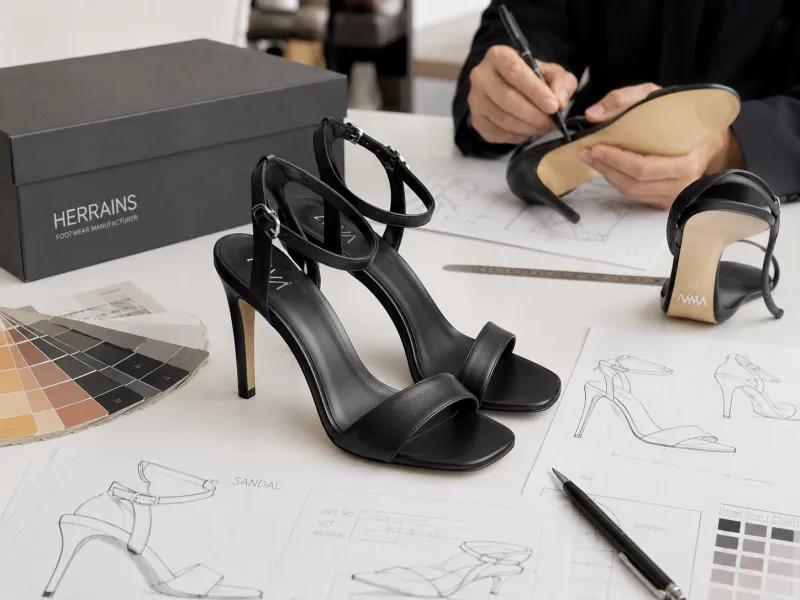
A manufacturer should support the brand’s design vision from concept to prototype:
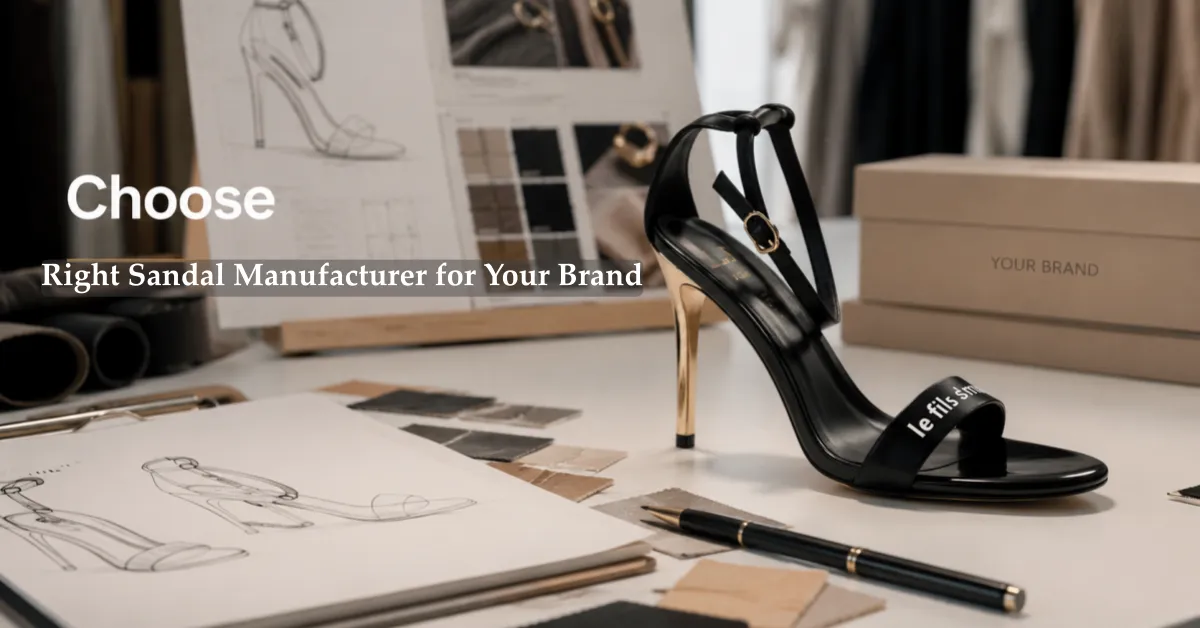
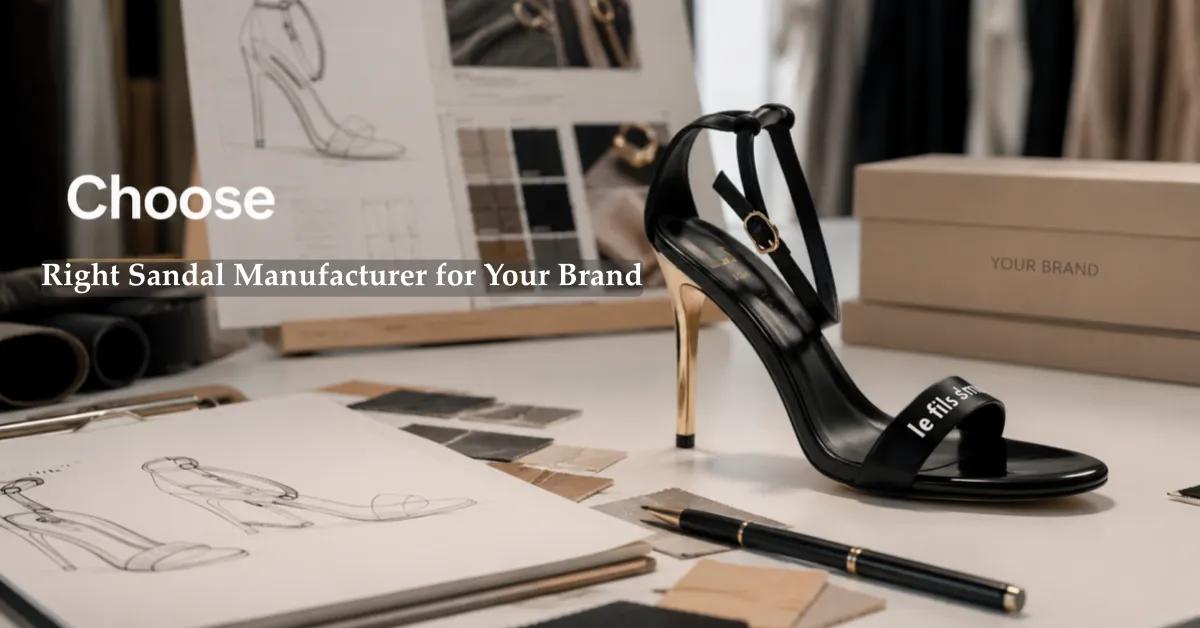
- Transform sketches, reference images, or AI-generated concepts into production-ready samples.
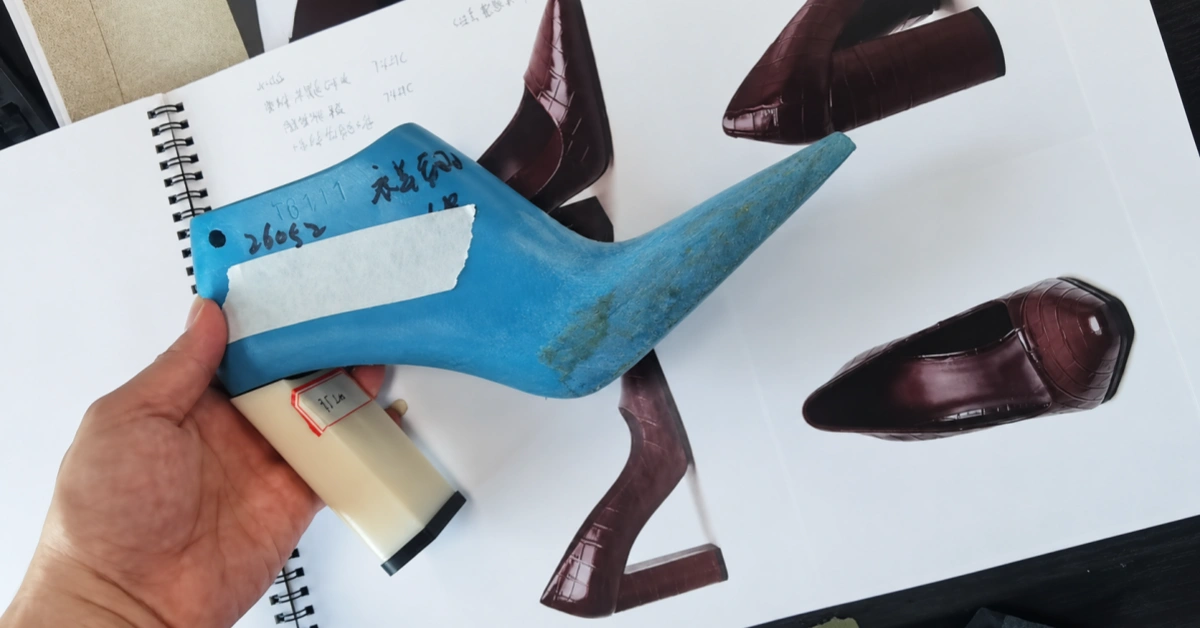
- Provide pattern-making, last development, and insole customization.
- Offer recommendations on materials and structural feasibility.
- Iterative sample revision to refine fit, comfort, and aesthetics.
Case Example: A Middle Eastern boutique requested adjustable hook-and-loop straps for their kid’s sandals. HERRAINS developed three prototype iterations, optimizing strap placement and insole support, resulting in zero returns in first shipments.
Material Sourcing and Sustainability
Material selection directly affects comfort, durability, and brand perception:
| Component | Material | Benefit | Case Highlight |
|---|---|---|---|
| Upper | Leather / Microfiber vegan leather | Premium feel, durability, sustainable option | Tested by EU private label brand for abrasion resistance |
| Lining | Soft textile | Breathable and comfortable | Positive feedback during user trials |
| Sole | EVA midsole / Rubber outsole | Shock absorption, lightweight, flexibility | Prototype maintained comfort under daily wear |
Tip: Brands targeting eco-conscious markets can request plant-based leather or recycled materials, which HERRAINS can source reliably.
Minimum Order Quantity (MOQ) & Production Flexibility
Low MOQ support allows brands to:
- Launch seasonal or limited editions
- Test consumer acceptance before scaling
- Reduce inventory and financial risk
| Sandal Type | Typical MOQ |
|---|---|
| Fashion / Casual | 50–100 pairs |
| Kids & Teen | 100–200 pairs |
| Luxury Leather | 100–300 pairs |
| Athletic | 100–300 pairs |
Case Example: A European startup ordered 70 pairs each of two colorways for market testing. After a successful launch, they quickly scaled to 200 pairs for the next season without delays.
Quality Control and Certification
High-quality manufacturing requires structured QC:
- Incoming Material Inspection: Leather, fabric, hardware, and EVA/rubber components.
- In-Process Inspection: Stitching accuracy, assembly, outsole attachment.
- Final Inspection: Dimensional verification, aesthetic quality, comfort testing.
- Certifications: ISO, CE, or equivalent to meet global export requirements.
Case Example: Explorer Junior prototypes underwent 20+ wear cycles and moisture tests. Bulk production passed all QC checks, ensuring consistent performance.
Lead Times and Workflow
Efficient production processes reduce time-to-market:
| Stage | Typical Timeline |
|---|---|
| Material sourcing | 3–7 days |
| Sample production | 20–25 days |
| Sample revisions | 7–15 days |
| Bulk production | 30–45 days |
| Final QC & packaging | 2–5 days |
Case Example: A UAE private label brand launched a limited edition summer sandal collection with delivery to multiple stores within 10 days, reducing holding costs.
OEM vs ODM Decision Guide
- OEM (Original Equipment Manufacturer): Full design control, ideal for private label collections.
- ODM (Original Design Manufacturer): Customize existing designs, faster market entry, suitable for startups.
- Combined Approach: Many brands use OEM for flagship products and ODM for seasonal collections to balance speed and creativity.
Case Example: A European startup combined OEM for their signature leather sandals and ODM for quick seasonal designs, launching 4 new styles in one quarter.
Additional Considerations for B2B Buyers
- Review previous client case studies and factory references.
- Ask about IP protection and NDA agreements.
- Incorporate AI-assisted design for rapid concept iteration.
- Confirm logistics and shipping support for international markets.
FAQ
- How do I choose between OEM and ODM? OEM for full design control; ODM for faster customization.
- Can small brands order low volumes? Yes, MOQs start at 100 pairs.
- Are samples included? Multiple sample rounds are standard.
- What materials are available? Leather, suede, vegan alternatives, textile, EVA, rubber.
- How do I ensure quality consistency? Multi-stage QC and inspection reports.
- Can manufacturers support AI-generated designs?Yes, with proper tech pack and prototyping.
- How long is sample development?20–25 days, revisions included.
- Can shoes be exported globally? Yes, including EU, North America, GCC, and Asia.
- Can brands customize packaging? Yes, boxes, dust bags, and branding supported.
- How to start a private label sandal collection? Contact HERRAINS for quote, samples, and guidance.

Start Your Custom Sandal Project
Partner with HERRAINS/XINZIRAIN to launch your private label sandal collection with:
- OEM & ODM services
- Low MOQ production for testing and seasonal lines
- Material sourcing and sustainable options
- Prototype development and iterative testing
- Multi-stage QC and international logistics
Contact our team today to discuss your custom sandal project and accelerate your market launch.