


As global fashion supply chains become more flexible, custom handbag ODM has emerged as a preferred manufacturing model for many brands. However, ODM is not suitable for every business type in the same way. Understanding who benefits most from custom handbag ODM helps buyers avoid costly mismatches and build scalable, profitable product lines.
This article explains which types of brands, retailers, and startups gain the most value from ODM manufacturing—and why experienced manufacturers like XINZIRAIN structure ODM services differently for each group.
What Is Custom Handbag ODM?
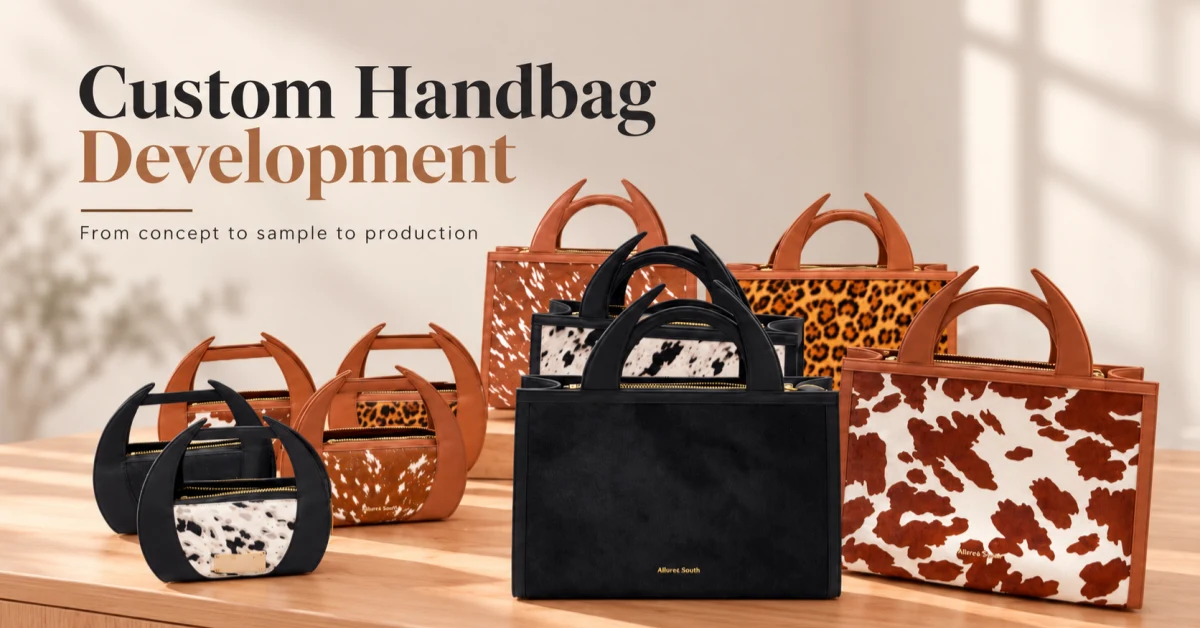
Custom handbag ODM (Original Design Manufacturing) refers to a manufacturing model in which the factory provides ready-developed or semi-developed handbag designs that can then be customized in materials, colors, hardware, structure, and branding to fit a client’s market needs.
Unlike pure OEM, ODM shortens development cycles and reduces technical risk—while still allowing meaningful differentiation.
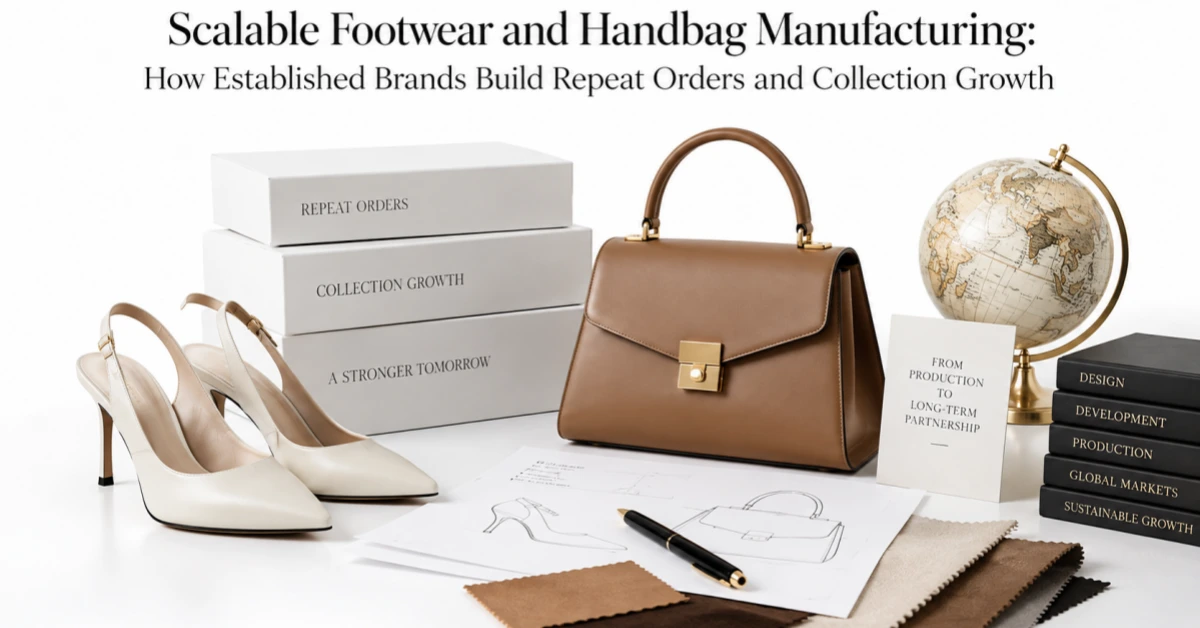
Established Brands: When Speed and Consistency Matter Most
For established fashion brands, time-to-market and consistency are often more important than building every design from scratch.
Custom handbag ODM works especially well for brands that:
-
Launch multiple collections per year
-
Require stable quality across repeat orders
-
Need predictable cost structures
-
Operate in competitive retail calendars
ODM allows brands to leverage proven structures while customizing details such as leather selection, hardware finish, lining, and branding execution.
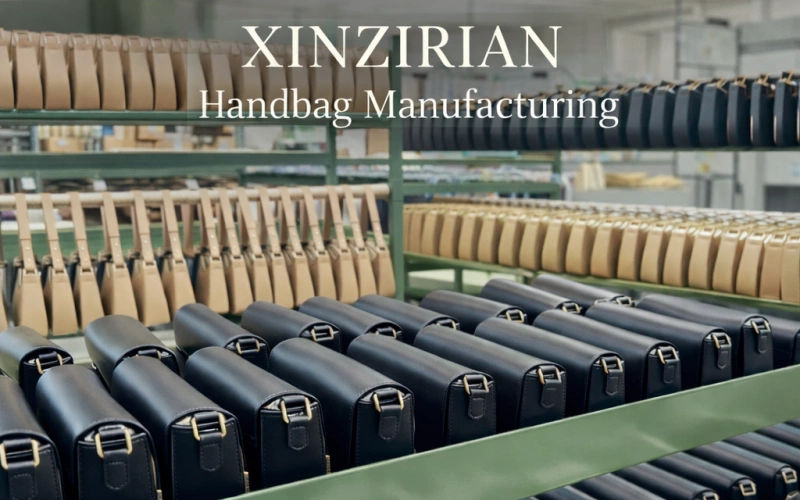
From a manufacturing standpoint, XINZIRAIN supports brand-level ODM projects by adapting existing design platforms to match each brand’s positioning—whether premium leather goods or commercial fashion lines—while ensuring consistency across production cycles.
Retailers & Wholesalers: Reducing Development Risk
Retailers and wholesalers typically prioritize margin control and sell-through performance. For this group, custom handbag ODM reduces both development risk and inventory pressure.
ODM is ideal for retailers who:
-
Operate under private label programs
-
Need fast product turnover
-
Want market-tested silhouettes
-
Require lower sampling investment
By selecting from optimized design bases and adjusting market-facing details, retailers can launch collections faster while minimizing design uncertainty.
Experienced ODM manufacturers understand retail constraints and often guide size ratios, functional layouts, and pricing alignment for different sales channels.
Startups & Emerging Brands: Lower Barriers to Entry
For startups, the biggest challenges are budget, technical expertise, and speed. Custom handbag ODM significantly lowers the entry barrier compared to full OEM development.
ODM is particularly suitable for startups that:
-
Lack of in-house designers or technical teams
-
Need to test the market before scaling
-
Want professional-level product execution
-
Must control upfront costs
Instead of investing heavily in design development, startups can focus on branding, marketing, and customer acquisition—while still offering differentiated products.
XINZIRAIN often works with early-stage brands by combining ODM design frameworks with flexible MOQs, allowing founders to validate concepts before committing to larger volumes.
When ODM May Not Be the Best Fit
While ODM offers efficiency, it is not ideal for every scenario.
ODM may be less suitable if:
-
Your brand requires proprietary structures or patented designs
-
Design ownership is your primary brand asset
-
You are building a long-term signature product from zero
In such cases, OEM or hybrid ODM+OEM development may be more appropriate.
Professional manufacturers help buyers evaluate this decision objectively rather than forcing ODM as a one-size-fits-all solution.
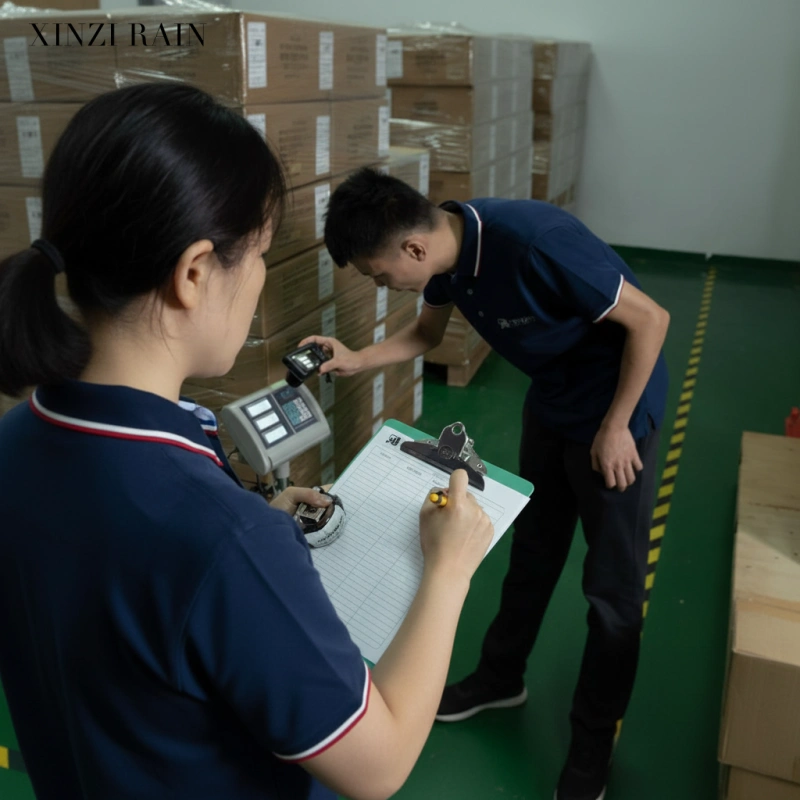
How Manufacturers Adapt ODM for Different Clients
A key EEAT factor often overlooked is how manufacturers adjust ODM services based on client type.
At XINZIRAIN, ODM projects are structured differently depending on whether the client is:
-
A scaling brand
-
A retail buyer
-
A startup founder
Adjustments may include:
-
Design modification depth
-
MOQ flexibility
-
Sampling rounds
-
Cost optimization strategies
-
Long-term reorder planning
This adaptive approach ensures ODM remains a strategic tool—not just a shortcut.
Final Takeaway: ODM Is a Strategy, Not Just a Model
Custom handbag ODM is best suited for brands, retailers, and startups that value speed, controlled risk, and scalable production. When paired with an experienced manufacturer, ODM enables businesses to enter or expand the market with confidence—without sacrificing quality or brand identity.
The key is not simply choosing ODM, but choosing the right ODM partner who understands your business stage and growth goals.