

Dress shoes have long represented professionalism, craftsmanship, and understated elegance. Yet today, as workplaces evolve and dress codes become more flexible, dress shoes are no longer limited to boardrooms and formal events alone.
For consumers, dress shoes express confidence and personal style.
For brands and retailers, they represent a category where manufacturing quality, material expertise, and supplier reliability matter deeply.
Understanding what defines dress shoes—and how they are designed, worn, and produced—is essential when working with a professional dress shoes manufacturer or developing a private label collection. This guide offers a complete overview for both men and brands navigating the modern dress footwear market.
What Are Dress Shoes?
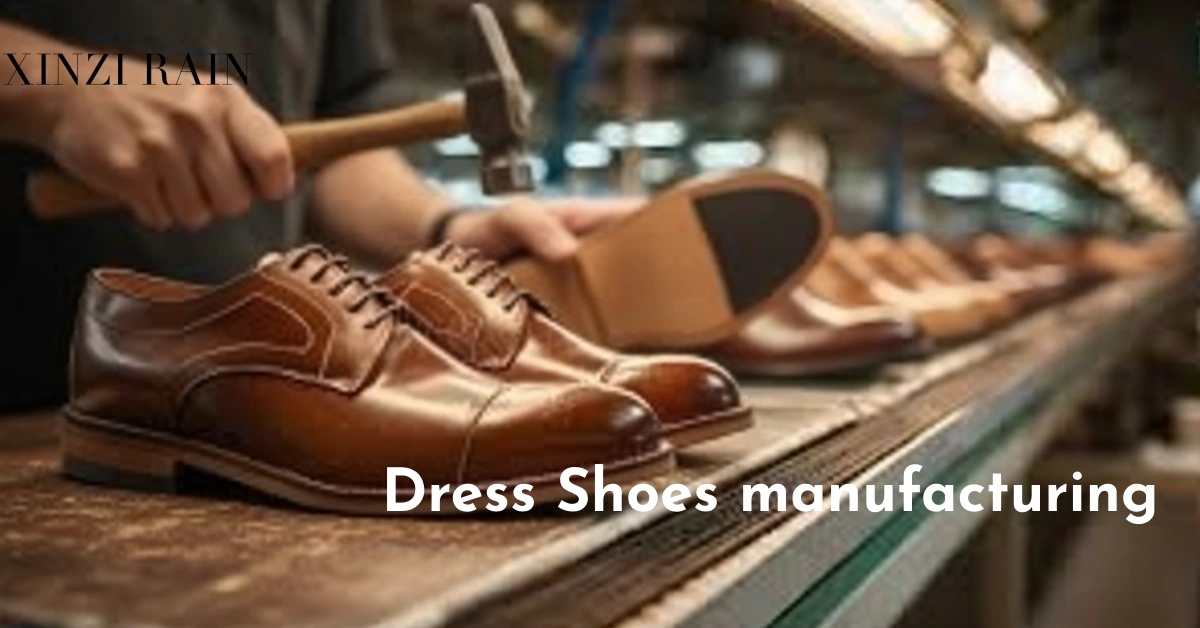
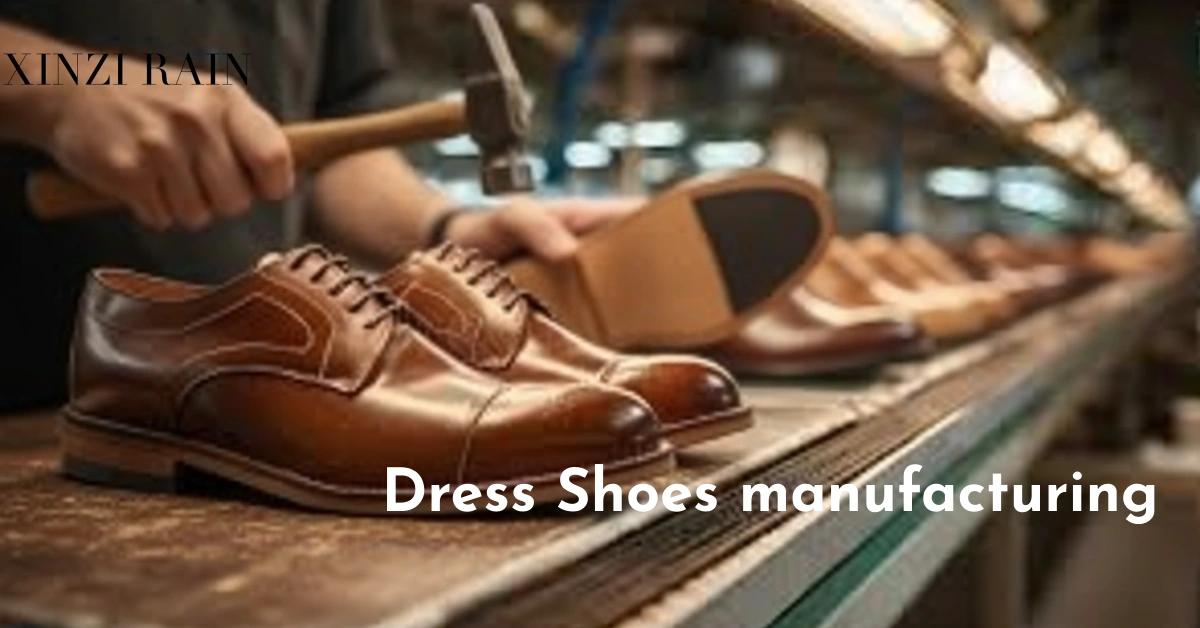
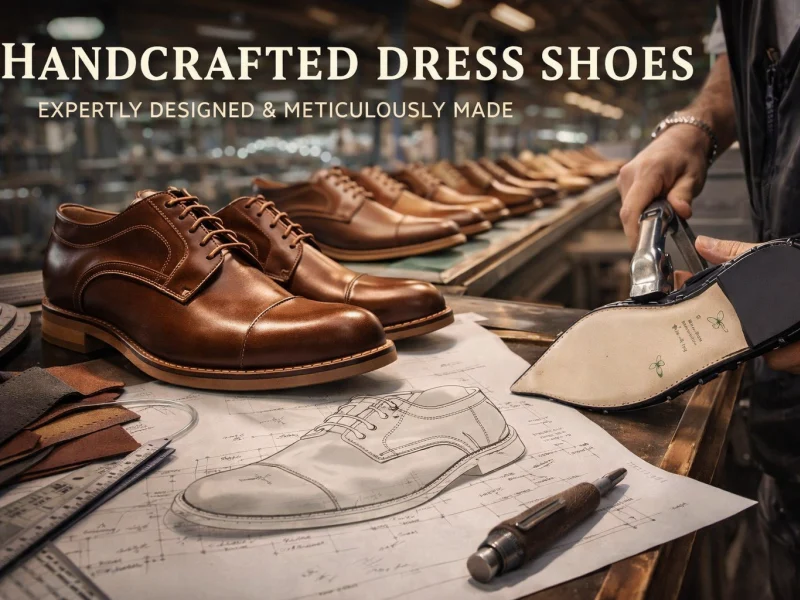
Dress shoes are traditionally defined as structured leather footwear designed for formal and semi-formal occasions, including business, professional, and ceremonial settings. Compared to casual shoes, dress shoes emphasize clean lines, refined proportions, and premium materials.
From a manufacturing standpoint, dress shoes differ in several key ways:
-
Carefully selected leather uppers
-
Structured toe shapes and heel counters
-
Balanced silhouettes that convey formality
-
Construction methods focused on durability and polish
For any dress shoe manufacturer or OEM footwear manufacturer, these elements must work together seamlessly. Poor material choices or inaccurate pattern engineering can quickly undermine perceived quality.
Today, modern OEM dress shoes often go beyond tradition, combining formal aesthetics with comfort-driven construction for daily wear.
Key Styles in Men’s Dress Shoes
Most men’s dress shoes fall into several core categories, each requiring different design and production considerations from a men’s dress shoes manufacturer.
Oxford shoes are defined by their closed-lacing system and formal appearance, commonly used in business and ceremonial footwear.
Derby shoes feature open lacing, offering slightly more flexibility and comfort, making them ideal for professional daily wear and private label collections.
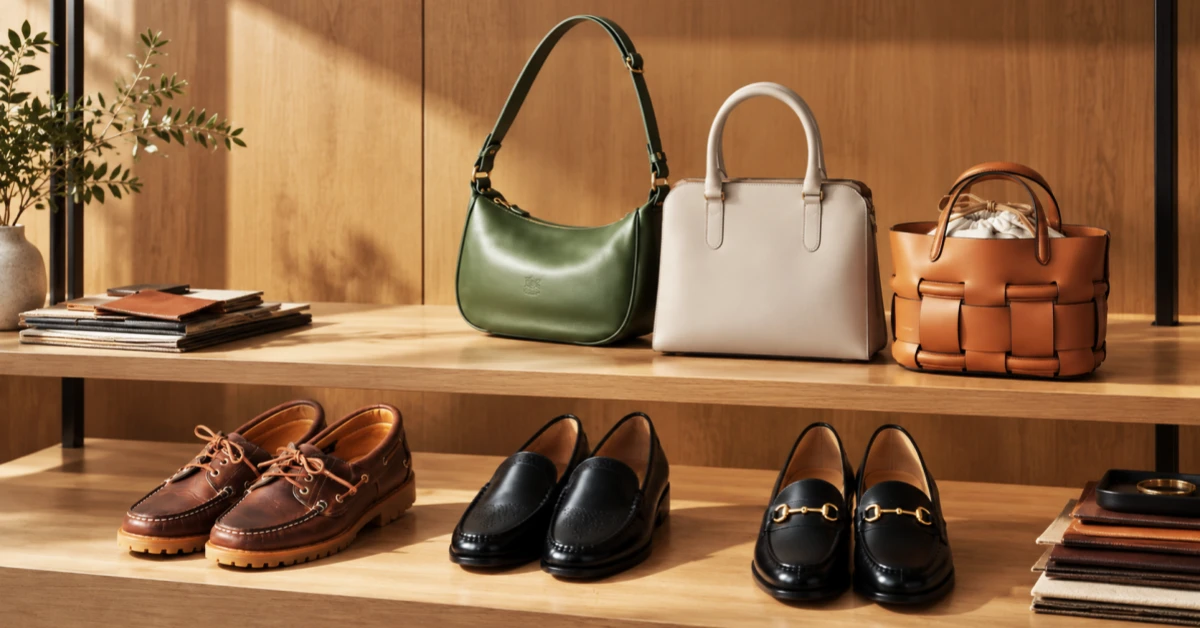
Loafers, as slip-on dress shoes, have become increasingly popular in modern business and lifestyle settings, especially when developed by a custom dress shoes manufacturer focusing on comfort and versatility.
Monk strap shoes, with buckle closures, appeal to brands seeking a balance between tradition and individuality.
For a dress shoes factory, producing these styles consistently requires precise last development and leather control across multiple production runs.
How Dress Shoes Are Styled Today
Modern dress shoes are no longer worn only with suits. Styling has shifted toward adaptability, influencing how brands design and position their collections.
In traditional business environments, classic leather dress shoes remain paired with tailored suits and formal trousers.
In contemporary workplaces, dress shoes are styled with chinos, knitwear, and relaxed tailoring. Loafers and Derby shoes are particularly popular for this segment.
For lifestyle and smart-casual wear, hybrid designs—often developed through OEM dress shoes manufacturing—combine leather uppers with cushioned or lightweight soles, expanding the use of dress shoes beyond formal settings.
This shift has created new opportunities for private label dress shoes targeting younger professionals and global markets.
Leather Selection: The Core of Dress Shoe Quality
Leather is the foundation of every high-quality dress shoe. A reliable leather dress shoes manufacturer understands that material selection directly affects durability, comfort, and long-term performance.
Calf leather remains the most widely used material for premium dress shoes due to its smooth grain, structure, and ability to age gracefully.
Bovine leather offers greater thickness and abrasion resistance, making it suitable for everyday business footwear and commercial production.
Lamb leather is valued for softness and comfort but requires careful handling and is typically used in high-end or limited collections.
Suede leather adds texture and flexibility, often used in smart-casual dress shoes.
At Xinzirain, leather is selected not only for appearance but also for climate suitability, wear behavior, and production stability—key considerations for any custom leather dress shoes program.
Comfort: A Priority in OEM Dress Shoes
One of the most significant changes in the dress shoe market is the growing emphasis on comfort. Today’s consumers expect dress shoes to support long working hours, commuting, and daily movement.
As a result, experienced OEM footwear manufacturers focus on:
-
Ergonomic lasts, including wide-fit options
-
Cushioned insoles and shock absorption
-
Flexible outsoles for reduced fatigue
-
Breathable linings for all-day wear
Comfort is engineered during development—not added later. For brands working with a custom dress shoes manufacturer, early-stage collaboration on fit and structure is essential.
Dress Shoe Care and Long-Term Value
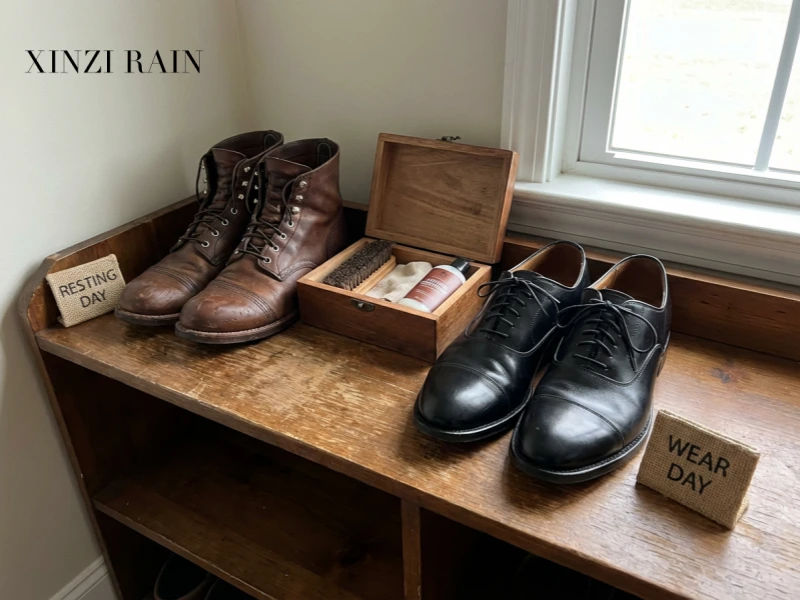
Proper care plays a major role in extending the lifespan of leather dress shoes.
Smooth leather shoes should be cleaned with dry cloths and conditioned regularly. Exposure to moisture, heat, and prolonged sunlight should be avoided.
Suede dress shoes require specialized brushes and protective sprays to maintain texture and appearance.
For brands, educating customers on care reinforces product value and supports sustainability by encouraging long-term use rather than frequent replacement.
Global Trends Shaping Dress Shoe Manufacturing
Dress shoes continue to evolve alongside lifestyle and cultural changes.
Hybrid dress shoes—combining formal leather uppers with sneaker-inspired comfort—are becoming a core category in OEM dress shoes manufacturing.
Wide-fit sizing and inclusive lasts are increasingly important, especially in North American and Middle Eastern markets.
Sustainability is also shaping design decisions, with brands seeking responsible leather sourcing and durable construction that aligns with long-term use.
These trends require a dress shoes manufacturer capable of balancing traditional craftsmanship with modern development methods.
Why Choosing the Right Dress Shoes Manufacturer Matters
Dress shoes are highly sensitive to quality differences. Small variations in leather, stitching, or fit can significantly impact customer satisfaction.
Working with a reliable dress shoes factory ensures:
-
Consistent quality across production
-
Accurate execution of design intent
-
Compliance with international standards
-
Scalable production for growing brands
This is especially critical for brands developing private label dress shoes or entering new markets.
Xinzirain: A Trusted Dress Shoes Manufacturer for Global Brands
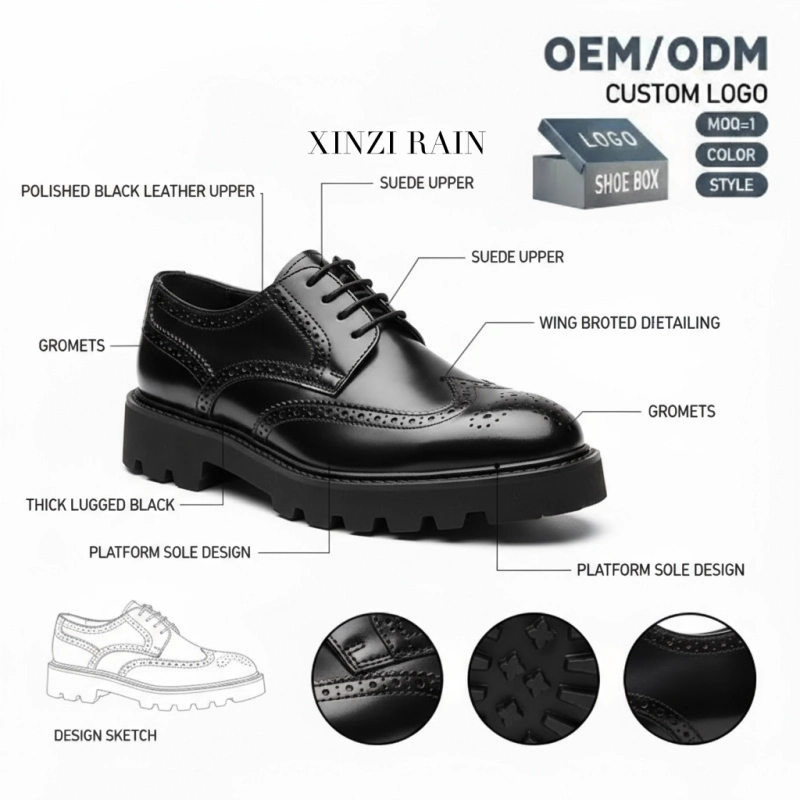
As an experienced dress shoes manufacturer and OEM footwear manufacturer, Xinzirain supports international brands, retailers, and private labels with end-to-end manufacturing solutions.
From material sourcing and prototyping to bulk production and quality control, Xinzirain helps brands develop custom leather dress shoes that meet modern expectations for comfort, durability, and style.
By combining traditional shoemaking knowledge with modern production systems, Xinzirain acts as a long-term manufacturing partner—not just a supplier.
Conclusion: Dress Shoes, Reimagined for Today
Dress shoes remain essential—not because tradition demands it, but because they continue to adapt to modern life.
For men, they represent confidence and versatility.
For brands, they represent an opportunity to deliver quality through thoughtful design and reliable manufacturing.
Success in this category depends on partnering with the right dress shoe manufacturer—one who understands materials, fit, market trends, and long-term value.
If you are planning to develop or expand a dress shoe collection, Xinzirain is ready to support your journey with professional OEM manufacturing and custom development services.
Contact Xinzirain today to start your next private label or custom dress shoes project.