

Quick Answer
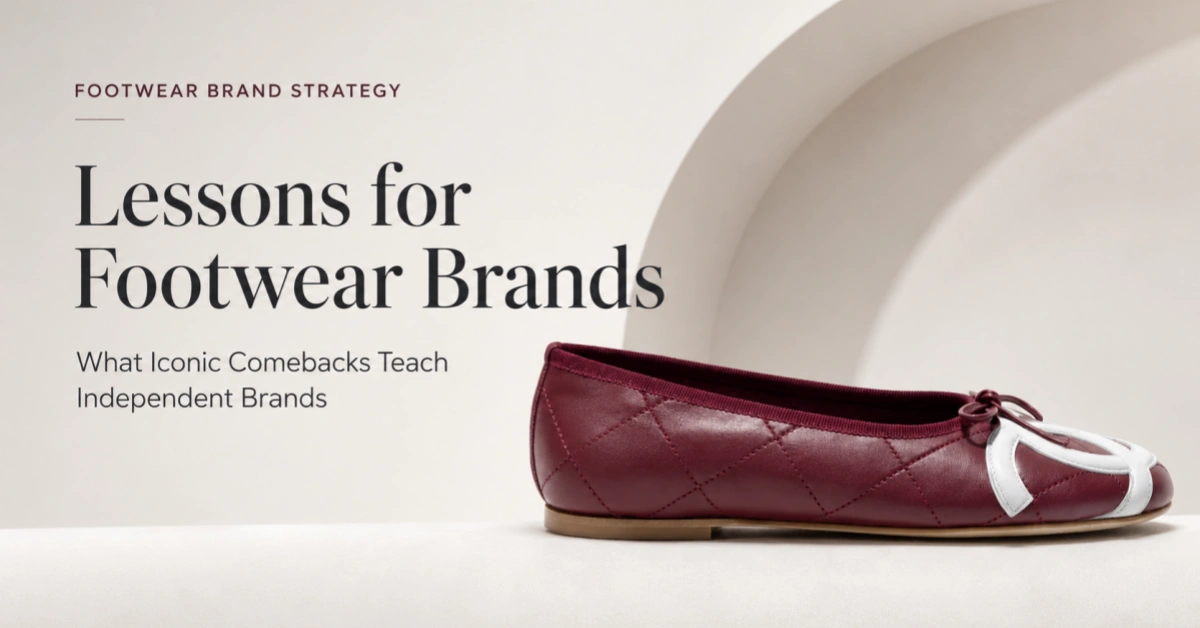
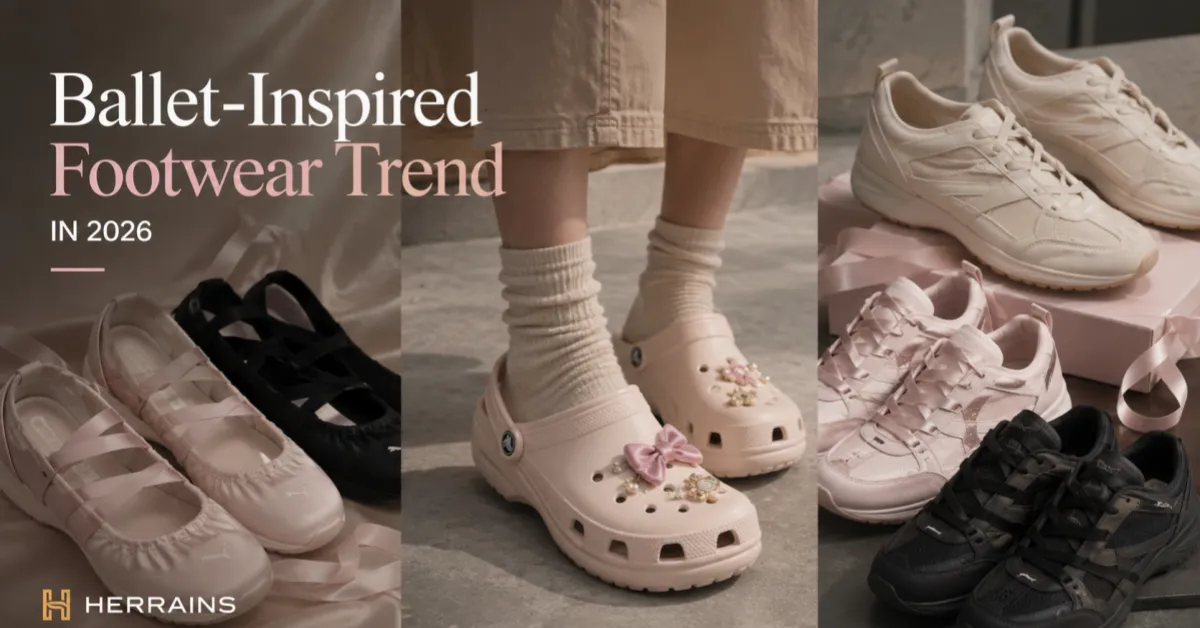
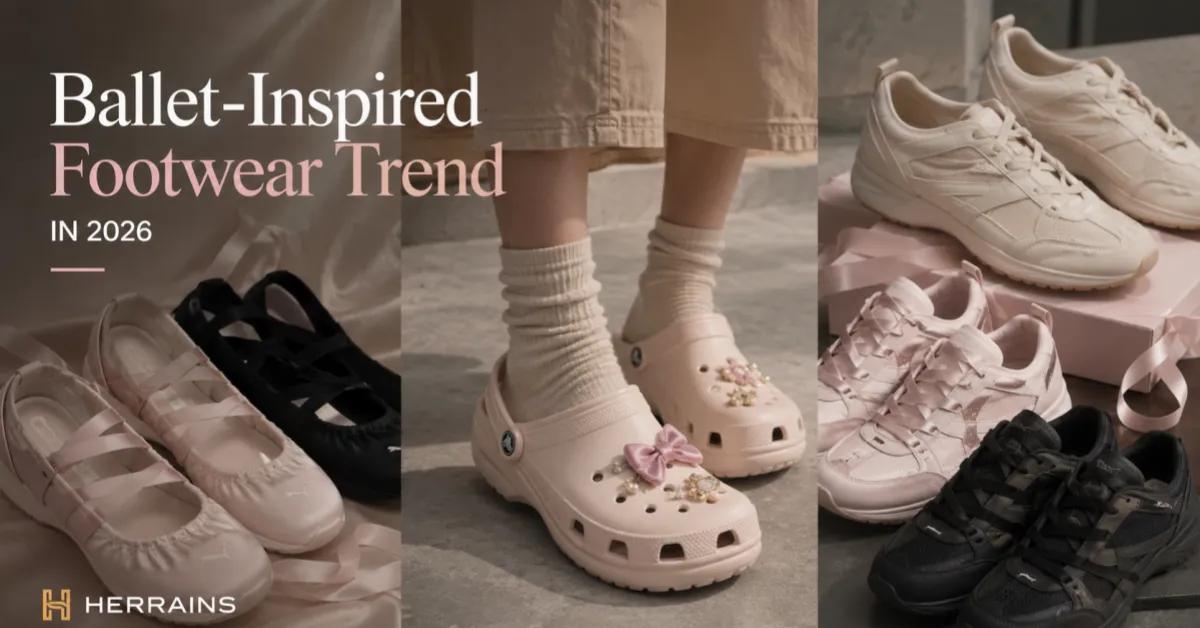
Since Q2 2026, a significant trend has emerged in the footwear industry: ballet-inspired design is crossing traditional category boundaries. Crocs, Keen, adidas, and PUMA have integrated ballet aesthetics into clogs, water shoes, and thin-soled sneakers. This is more than a seasonal fad—it reflects a structural shift in consumer preferences toward comfort, elegance, and versatility.
Key Takeaways
- Crocs’ ballet-style clogs drove a 418% increase in brand sales.
- Consumers increasingly demand shoes that combine style and comfort.
- Ballet-inspired design now influences mainstream sneakers, outdoor shoes, and casual footwear.
- Versatile products that function across multiple scenarios (commuting, leisure, outdoor) are highly appealing.
- Color palettes have diversified beyond pastel princess tones to include metallics, pastels, and muted neutrals.
Overview of the Ballet Footwear Phenomenon
Traditionally, crocs, hiking shoes, and thin-soled sneakers existed in separate niches. Starting in Q2 2026, these categories converged under a ballet design language:
- Crocs and Keen introduced narrower silhouettes, thinner soles, and delicate strap details.
- adidas and PUMA applied ballet proportions to iconic sneaker lines.
- Even high-fashion brands incorporated low heels or flat ballet-inspired shoes into spring/summer collections, with a ballet-style representation of up to 78% in certain lines.
This is a systemic, category-level transformation, not a temporary gimmick.
Case Study 1: Crocs’ Unexpected Ballet Success
Crocs’ approach in 2026 summer illustrates the potential of this trend:
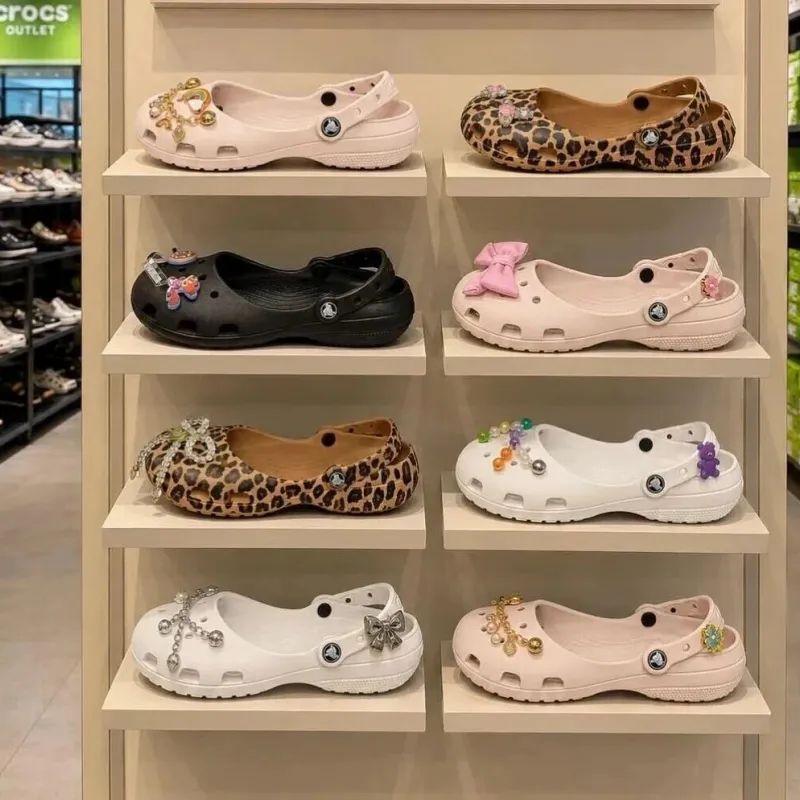
- Product Changes: Narrowed clog silhouette, thinner sole, added Mary Jane-style straps, and optional DIY pearl or bow decorations.
- Market Performance: Black and leopard patterns sold out quickly; sales surged 418% according to LYST data.
- Consumer Behavior: Success driven by user-generated content and everyday fashion adoption, not influencer promotion.
- Platform Data: Xiaohongshu “Crocs ballet shoes” topics reached over 11.82 million views, overall Crocs clog-related topics surpassed 790 million views.
Insight: Consumers no longer accept a compromise between comfort and aesthetics; both are now required. Crocs leveraged this by retaining its comfort signature while introducing elegant details.
Case Study 2: Keen Integrates Ballet Design into Outdoor Shoes
Keen, traditionally a functional water shoe brand, added ballet-inspired straps:
- Functional Integrity: Shoes remained breathable, anti-slip, and water-friendly.
- Consumer Acceptance: The combination of elegance and utility attracted buyers looking for versatile footwear.
- Scenario Use: Suitable for commuting, weekend camping, or beach activities.
- Cost Efficiency: Multi-scenario use increases perceived value and rationalizes purchase.
Insight: Successfully merging fashion with performance functionality expands market potential without compromising brand credibility.
Case Study 3: adidas & PUMA Make Street Style Sneakers Elegant
adidas and PUMA reimagined classic models with ballet aesthetics:
- adidas: Stan Smith silhouette updated with full-grain leather, thin soles, rounded toes, and minimalist lines. Consumers appreciated the “French street style” vibe combined with comfort.
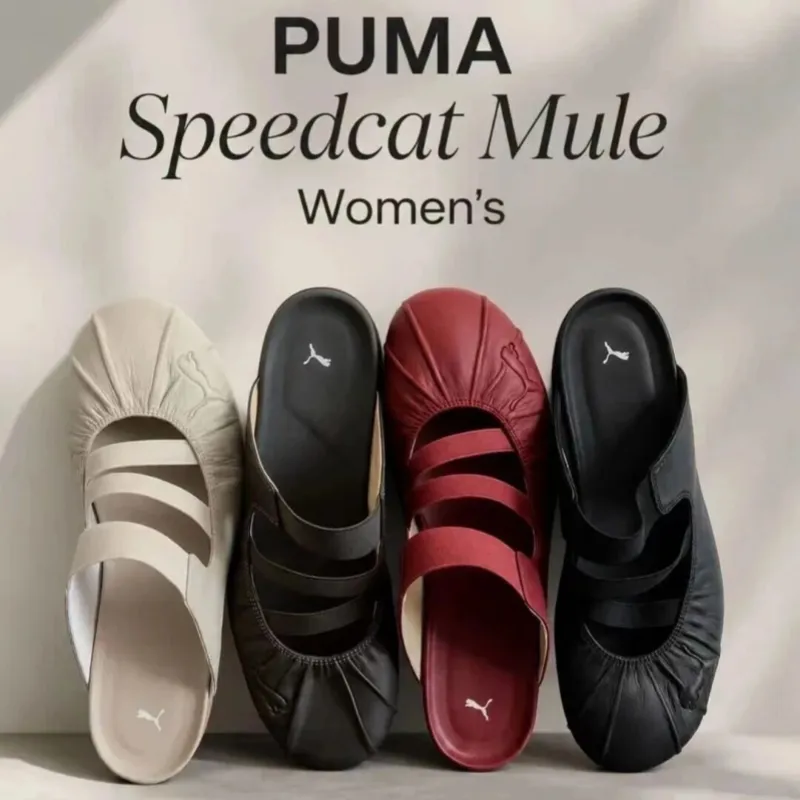
- PUMA: Speedcat racer shoes redesigned with ballet silhouettes, later expanded to a mule version.
- Consumer Reception: Positive engagement on social media, with buyers praising elegance, versatility, and wearability.
Insight: Established sneaker lines can adopt ballet elements to capture both functional and aesthetic demand, appealing to younger, style-conscious consumers.
Why This Trend is Structurally Significant
Three main factors make the ballet-inspired trend more than a seasonal fad:
- Consumer Priorities Shift:
- Women no longer tolerate sacrificing comfort for appearance.
- 2026 Spring/Summer collections indicate a permanent shift: the consumer now demands “both comfort and elegance”.
-
One Shoe, Multiple Scenarios:
- Crocs DIY customization allows personalization.
- Keen water shoes function for commuting, outdoor, and leisure.
- PUMA Speedcat adapts to streetwear and casual use.
Consumers increasingly calculate utility across scenarios, making versatility a critical purchase driver.
- Color Palettes Evolve:
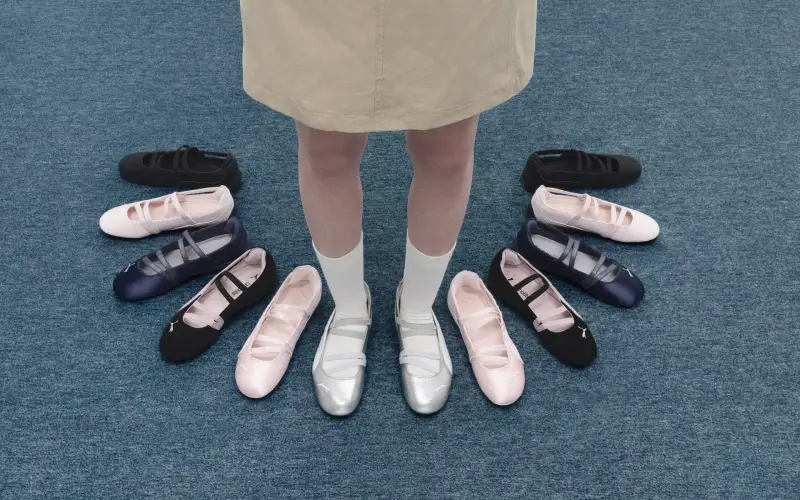
- Beyond pink and white, ballet shoes now come in lilac, cream, mint, metallic silver, and neutral tones.
- Modern palettes support casual, commuting, and semi-formal styling.
Insight: Brands that integrate ballet aesthetics consistently across collections have higher potential for long-term adoption than those releasing single, isolated designs.
Implications for Brands and Retailers
- Product Development: Consider integrating ballet-inspired design elements across multiple categories.
- Material Innovation: Use lightweight soles, premium leather, and breathable fabrics to maintain comfort while enhancing elegance.
- Marketing: Focus on lifestyle positioning emphasizing versatility, comfort, and style, rather than solely performance.
- Trend Forecasting: Monitor social engagement platforms like Xiaohongshu and LYST to identify early adopters.
Case Example: A European retailer adjusted its summer inventory by adding ballet-inspired clogs, water shoes, and Street style sneakers. Result: 28% higher conversion on social media-driven traffic compared to traditional casual footwear.
Conclusion
The ballet-inspired footwear phenomenon represents a cross-category design revolution:
- Not limited to high fashion; affecting casual clogs, outdoor, and athletic shoes.
- Driven by consumers’ desire for comfort and elegance.
- Highlights versatility, design innovation, and engagement as key factors in modern footwear development.
For brands, successfully leveraging this trend requires integrating aesthetic innovation with functional quality, supported by reliable OEM/ODM manufacturing partners.
Brands looking to explore ballet-inspired footwear can partner with HERRAINS/XINZIRAIN to design, prototype, and produce versatile, market-ready shoes. Contact us today to start your private label collection and capture this structural trend in global markets.

FAQ – Ballet-Inspired Footwear Trend 2026
Q1: What types of shoes are included in the ballet-inspired trend?
A: The trend spans clogs (like Crocs), water shoes (Keen), thin-soled Street style sneakers(adidas, PUMA), and even casual or fashion footwear that adopts ballet silhouettes.
Q2: Why are ballet-inspired shoes gaining popularity?
A: Consumers increasingly demand both comfort and elegance. Ballet-style designs combine soft silhouettes, thin soles, and aesthetic details, meeting lifestyle and fashion needs simultaneously.
Q3: Can brands integrate ballet elements into existing shoe lines?
A: Yes. Existing Street style sneakers, water shoes, or clogs can be reworked with ballet-inspired features such as rounded toes, thin soles, and strap details, either via OEM or ODM collaboration.
Q4: Are ballet-inspired designs suitable for multiple occasions?
A: Absolutely. These shoes are versatile—suitable for casual wear, commuting, outdoor activities, and leisure—maximizing utility for end consumers.
Q5: How do consumers respond to the trend?
A: Platforms like LYST report a 418% sales surge for Crocs ballet shoes, and social media engagement (Xiaohongshu, Instagram) indicates strong user adoption and styling interest.
Q6: What materials are typically used for ballet-inspired footwear?
A: Common materials include top-grain leather, microfiber or vegan alternatives, suede, EVA midsoles, and rubber outsoles. Brands can also customize with decorative elements like bows or straps.
Q7: How can brands launch a ballet-inspired collection efficiently?
A: Partnering with experienced manufacturers like HERRAINS/XINZIRAIN enables rapid prototyping, iterative sample testing, low MOQ production, and OEM/ODM customization.
Q8: Can ballet-inspired shoes be produced sustainably?
A: Yes. Manufacturers offer plant-based leathers, microfiber alternatives, and recycled materials for eco-conscious collections.
Q9: How long does sample development and bulk production take?
A: Sample development typically takes 20–25 days, with iterative adjustments. Bulk production ranges from 30–45 days depending on volume and design complexity.
Q10: How do I get started with a private label ballet-inspired footwear line?
A: Contact HERRAINS/XINZIRAIN to request a quote, submit your design or inspiration, and start sample development with guidance for OEM/ODM production.